Treating Oily Skin Acne: A Comprehensive Guide
Living with oily skin acne can be a frustrating and challenging experience. However, with the right treatments and skincare routine, it is possible to manage and even eliminate this common skin condition. In this article, we will delve into the world of treating oily skin acne, exploring the causes, symptoms, and various treatment options available.
Causes of Oily Skin Acne
Oily skin acne occurs when the skin's oil glands produce an excessive amount of sebum, leading to clogged pores and inflammation. Several factors can contribute to oily skin acne, including:
- Genetics: If your parents had oily skin, you may be more prone to oily skin acne.
- Hormonal fluctuations: Hormonal changes during puberty, menstruation, pregnancy, or menopause can lead to oily skin.
- Stress: High levels of stress can increase oil production and lead to acne.
- unrealistic expectations: Applying heavy makeup or using the wrong skincare products can clog pores and cause acne.
Symptoms of Oily Skin Acne
Oily skin acne can manifest in several ways, including:
- Excessive oil production: Oily skin can appear greasy and shiny, especially in the T-zone (forehead, nose, and chin).
- Clogged pores: Dead skin cells and bacteria can clog pores, leading to whiteheads, blackheads, or pimples.
- Redness and inflammation: Acne can cause redness and inflammation, especially if it becomes infected.
Home Remedies for Oily Skin Acne
While medical treatments are often the most effective way to manage oily skin acne, there are several home remedies that can help alleviate symptoms:
- Keep your skin clean: Wash your face twice a day with a gentle cleanser to remove dirt and oil.
- Exfoliate regularly: Exfoliating helps remove dead skin cells and unclog pores.
- Use a clay mask: Clay masks can help absorb excess oil and reduce inflammation.
- Stay hydrated: Drinking plenty of water helps flush out toxins and keep skin hydrated.
Clinical Treatments for Oily Skin Acne
For severe or persistent oily skin acne, clinical treatments may be necessary. Some of the most effective clinical treatments include:

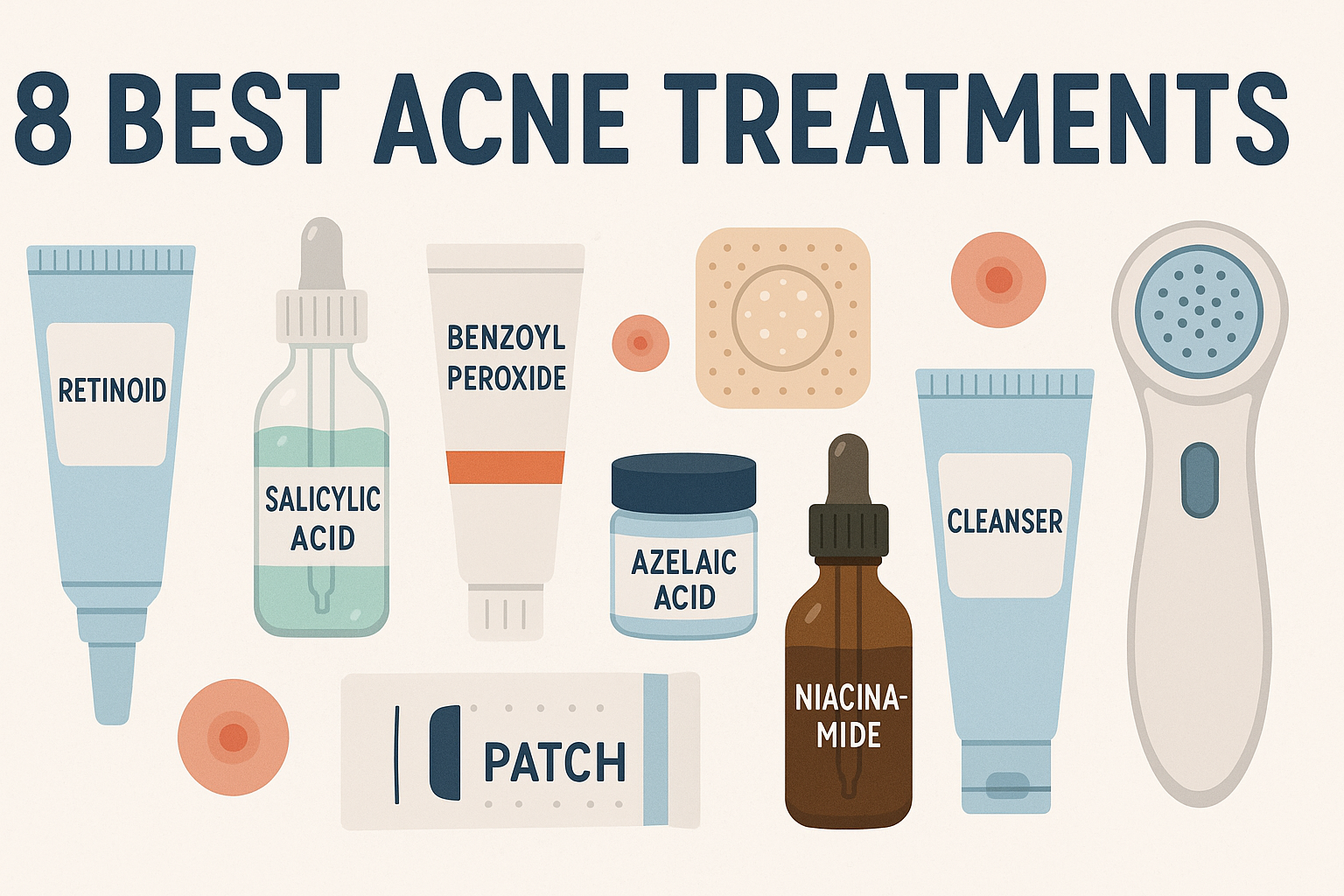
- Topical retinoids: Derivatives of vitamin A that help prevent clogged pores and reduce inflammation.
- Antibiotics: Effective in treating bacterial infections that cause acne.
- Blue light therapy: A non-invasive treatment that kills P. acnes bacteria that cause acne.
- Isotretinoin: A powerful oral medication for severe acne.
Natural Treatments for Oily Skin Acne
Many natural ingredients can help manage oily skin acne, including:
- Tea tree oil: Has antibacterial and anti-inflammatory properties that help combat acne.
- Green tea: Rich in antioxidants that reduce inflammation and prevent acne.
- Salicylic acid: Helps exfoliate the skin and unclog pores.
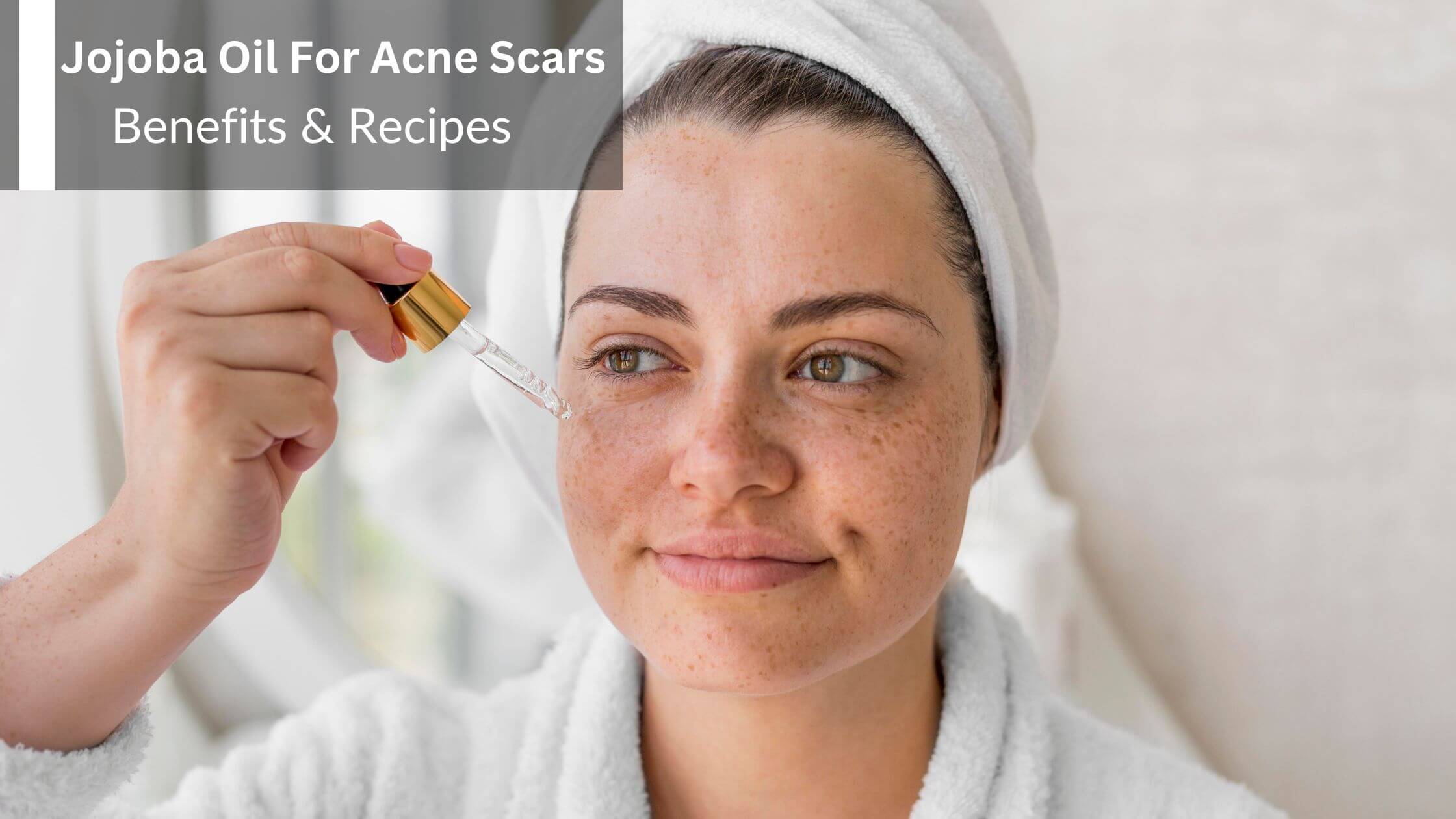
- Jojoba oil: Non-comedogenic oil that moisturizes the skin without clogging pores.
Skincare Routine for Oily Skin Acne
Developing a consistent skincare routine can help manage oily skin acne. Here are some general tips:
- Start with a gentle cleanser: Use a low-foaming cleanser that effectively removes dirt and oil without stripping the skin of its natural moisture.
- Exfoliate regularly: Use a gentle exfoliant, such as salicylic acid or alpha-hydroxy acids, to remove dead skin cells and unclog pores.
- Use a toner: Helps balance the skin's pH and tighten pores.
- Moisturize: Use a lightweight moisturizer that won't clog pores.
Conclusion
Treating oily skin acne requires a comprehensive approach that combines home remedies, clinical treatments, and a consistent skincare routine. By understanding the causes, symptoms, and treatment options, you can effectively manage oily skin acne and achieve clear, healthy-looking skin. Remember, everyone's skin is unique, so it may take some trial and error to find the right combination of treatments that work for you.
Additional Resources
For more information and advice on treating oily skin acne, consult a dermatologist or skincare professional. Additionally, check out the following resources:
- The American Academy of Dermatology
- The National Rosacea Society
- The Skin Cancer Foundation