How to Write a Job Search Case Study: A Comprehensive Guide
Are you preparing for a job search case study assessment or an interview where a case study is a major component? Writing a compelling case study can make or break your chances of landing your dream job. A well-crafted case study showcases your problem-solving skills, analytical abilities, and business acumen, making it essential for any job seeker.
What is a Job Search Case Study?
A job search case study is a written or verbal response to a hypothetical business scenario, where you are required to analyze the situation, identify problems, and propose solutions. It's an opportunity for employers to assess your critical thinking, creativity, and ability to communicate complex ideas effectively.
Why is a Job Search Case Study Important?
- Assesses your problem-solving skills and analytical abilities.
- Tests your ability to think critically and creatively.
- Evaluates your business acumen and knowledge of industry trends.
- Provides an opportunity to showcase your communication skills and present complex ideas effectively.
How to Write a Job Search Case Study:
Writing a job search case study requires a structured approach. Here's a step-by-step guide to help you create a compelling case study:
Step 1: Understand the Case Study Format
Before you begin writing, familiarize yourself with the specific case study format your employer or recruiter has specified. This will help you tailor your response to their requirements.
Step 2: Read and Understand the Case Study Scenario
Read the case study scenario carefully and ensure you understand the key elements, including:
- Context: Industry, company, and specific situation.
- Problem: Identify the specific issue or challenge.
- Objectives: Understand the target audience, constraints, and goals.
Step 3: Analyze the Case Study Scenario
Once you understand the scenario, analyze the key issues, constraints, and opportunities. Identify potential solutions and their potential impact on the business.
Step 4: Develop Your Solution
Based on your analysis, develop a clear and concise solution that addresses the problem and meets the objectives. Be specific and provide concrete examples to support your proposal.

Step 5: Structure Your Case Study Response
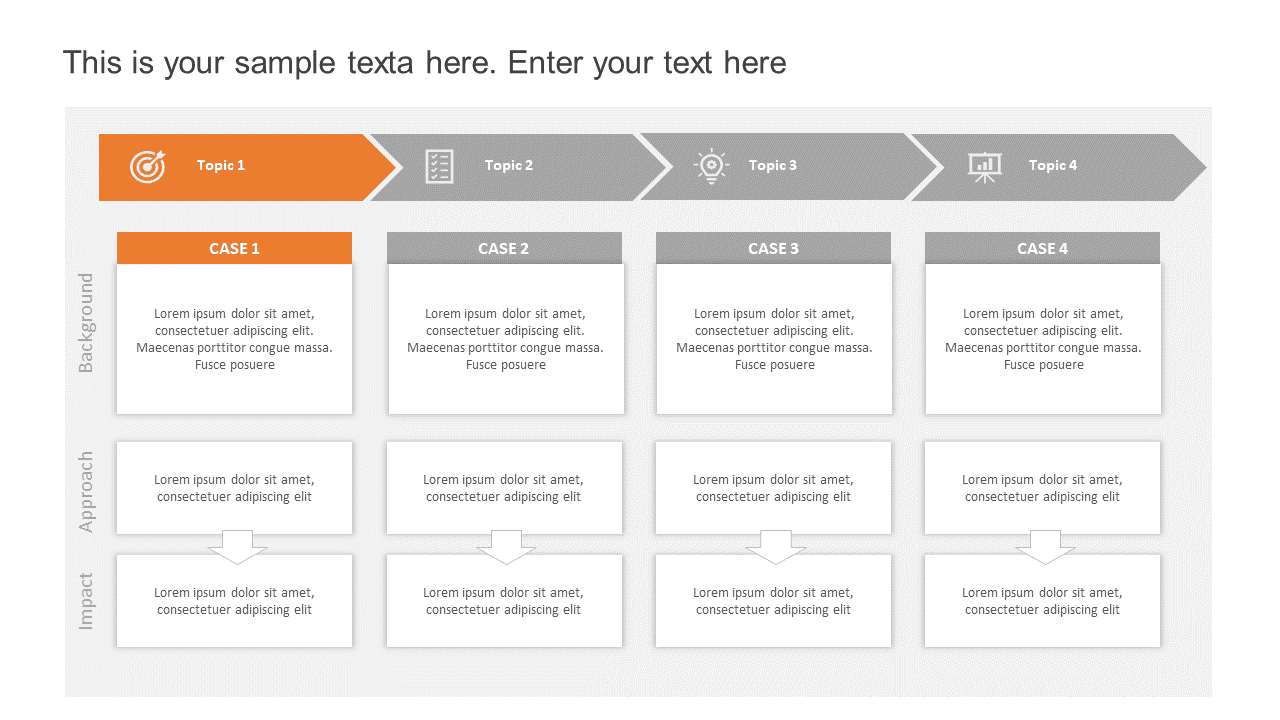
Use the following structure to organize your response:
- Introduction: Briefly introduce the scenario and provide context.
- Problem Statement: Clearly define the problem and its impact.
- Analysis: Analyze the situation and identify key issues and opportunities.
- Proposed Solution: Present your solution and provide supporting examples.
- Conclusion: Summarize your key points and reiterate your proposed solution.
Step 6: Edit and Revise Your Response
Once you've written your case study response, revise it to ensure it meets the required length, clarity, and concision. Seek feedback from colleagues or mentors to help strengthen your proposal.
Examples and Tips
Here's an example of a job search case study:
Imagine a scenario where a hypothetical company, XYZ Inc., is facing financial difficulties due to ineffective supply chain management. As a business consultant, you've been hired to propose a solution to address this issue.
Using the structured approach outlined above, your case study response might look like this:
Case Study Example:
Introduction:
XYZ Inc. is a leading manufacturer of electronic components facing financial difficulties due to inefficient supply chain management. In this case study, I will propose a solution to address this issue.
Problem Statement:
The company's current supply chain management system is ineffective, leading to delays, inventory shortages, and increased costs. This is causing significant financial losses and impacting the company's competitiveness in the market.
Analysis:
Upon analyzing the situation, I identified key issues and opportunities. The company's supply chain management system is outdated, and there is a lack of automation, leading to human errors and increased costs. Additionally, the company has limited visibility into its supply chain, making it difficult to respond to changes in demand or supply disruptions.