The Impact of FOMO on Daily Life
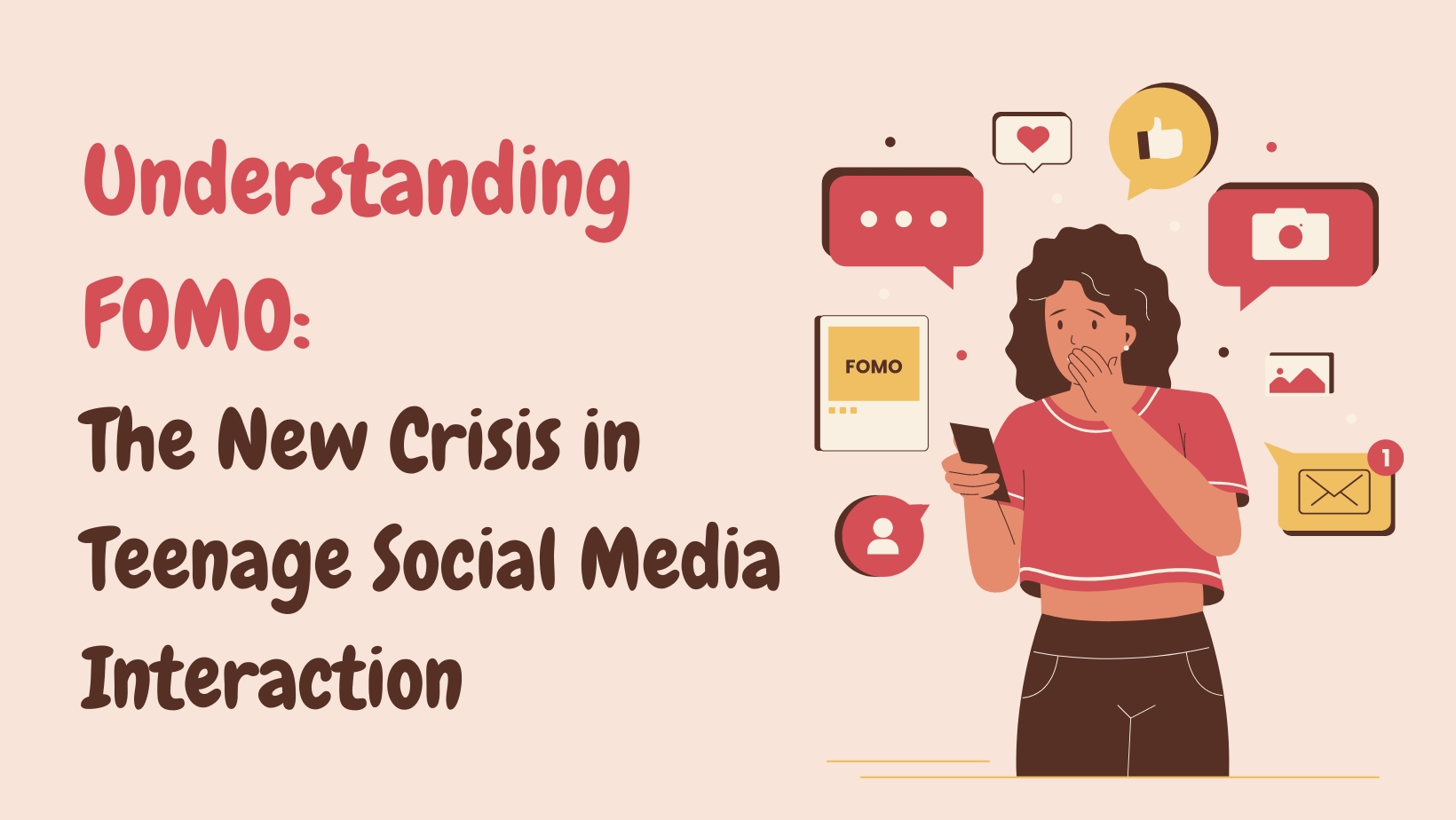
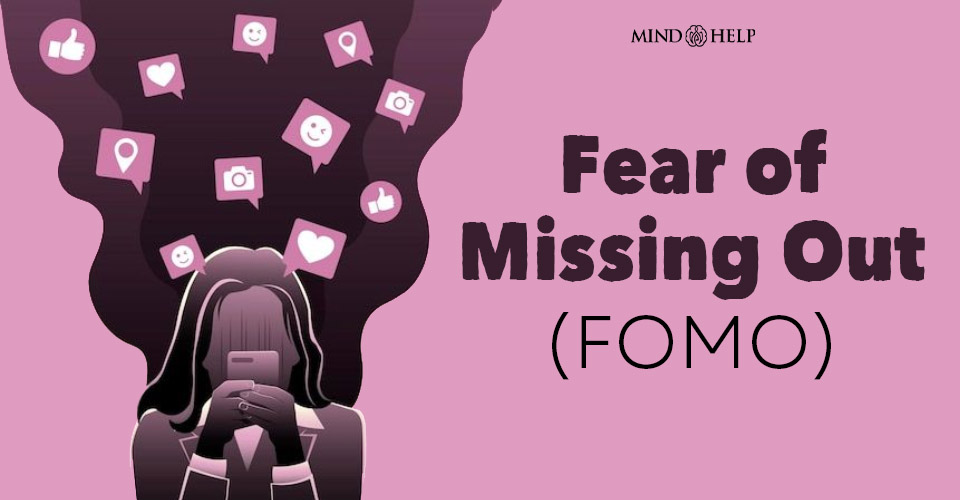
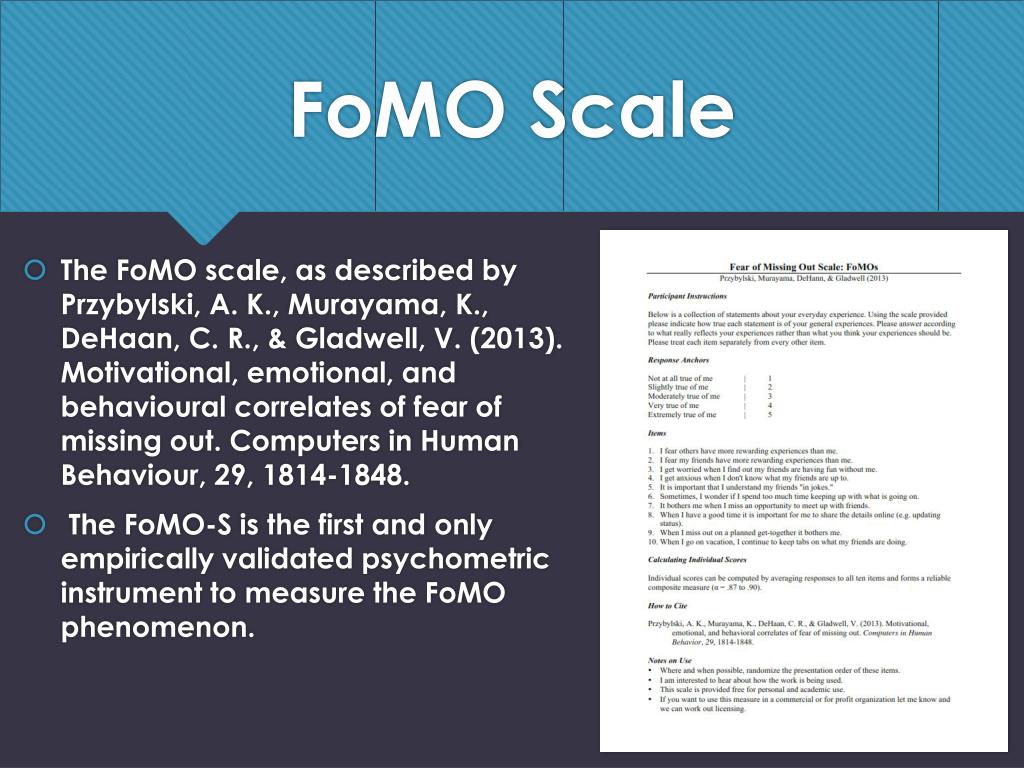
Fear of Missing Out (FOMO) has become a pervasive phenomenon in modern society, affecting individuals of all ages and backgrounds. It is a clinical condition characterized by anxiety over missing out on rewarding experiences of others, often exacerbated by social media.
What is FOMO?
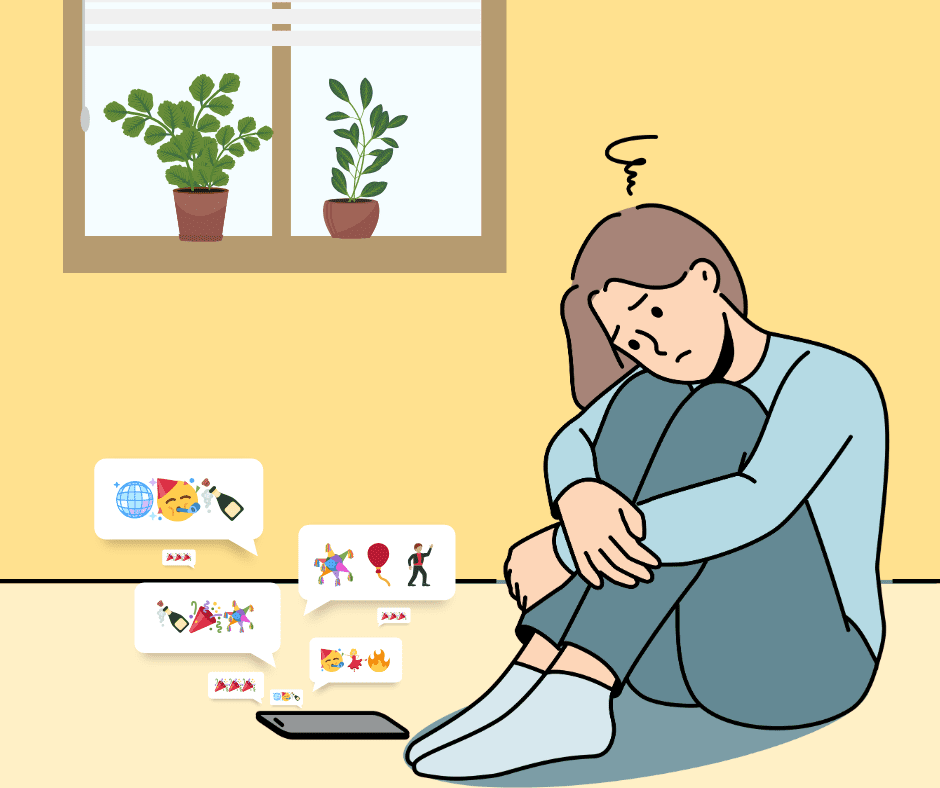
Simply put, FOMO is the feeling or idea that you are missing out on something important or enjoyable that others are experiencing. It's often triggered by social media, where individuals frequently witness the highlights of others' lives, leading them to believe they're missing out on exciting events, opportunities, or social interactions.
The Impact of FOMO on Mental Health
Research has shown that FOMO can have a significant impact on mental health, leading to anxiety, depression, and even addiction. A clinical health psychologist explains how FOMO has a direct impact on your physical, mental, and emotional health---
- Increased feelings of anxiety and depression
- Decreased self-esteem and confidence
- Compulsive behavior, such as excessive social media use
- Procrastination and decreased productivity
The Impact of FOMO on Daily Life
FOMO can disrupt daily life in many ways, including:
- Distracted driving and decreased attention span
- Negatively impacting relationships and social interactions
- Decreasing productivity and Focus
- Leading to procrastination and missed deadlines
Practical Strategies for Managing FOMO
Managing FOMO is not about eliminating all social media or becoming a digital hermit. It's about developing a healthier relationship with information and creating boundaries that protect your mental wellbeing.
- Practice mindfulness daily through meditation, yoga, or breathing exercises to keep yourself grounded in the present moment
- Find joy in the simple things in life
- Avoid excessive social media use, and set boundaries around your online activity
The Psychology Behind FOMO
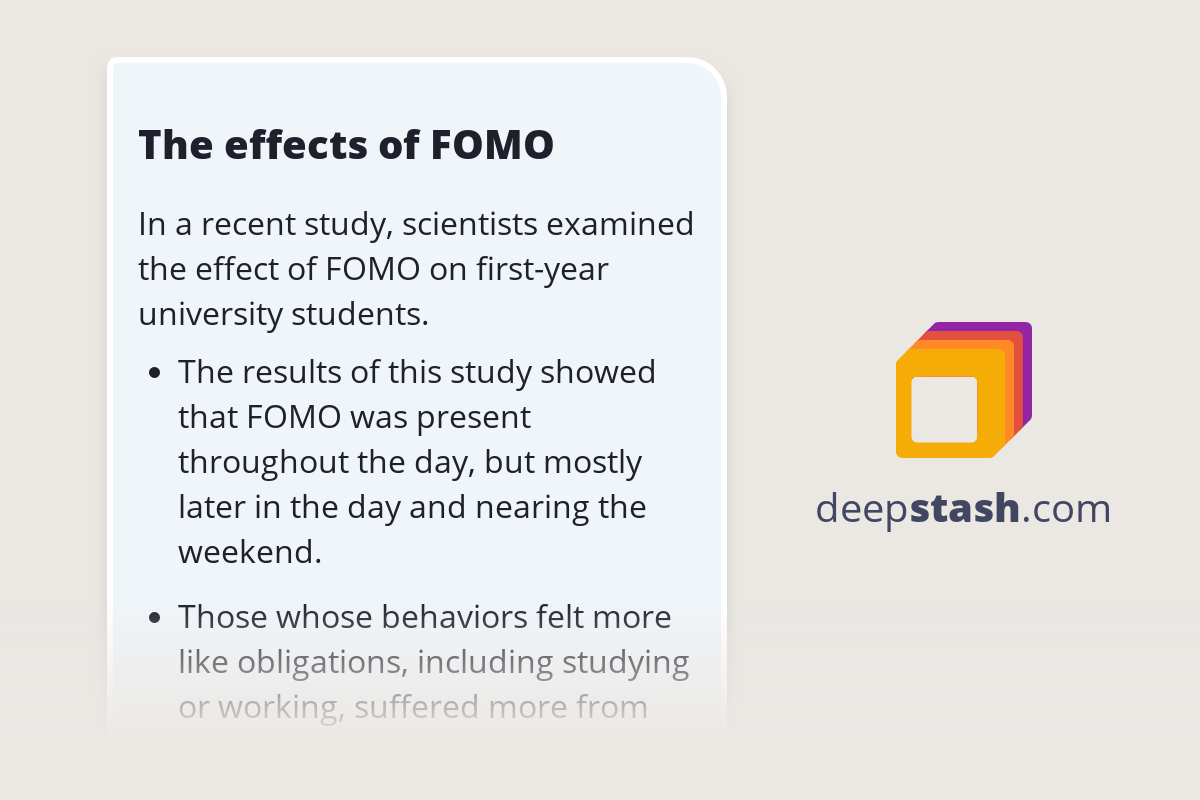
Understanding the psychology behind FOMO is essential for managing the condition. FOMO is often driven by a fear of exclusion and a need for social validation.
- Biological and psychological needs, such as social connection and belonging
- Emotional triggers, such as feelings of anxiety and insecurity
- Learned behaviors, such as social media use and comparisons
Breaking Free from FOMO
Breaking free from FOMO requires a combination of self-awareness, mindfulness, and practical strategies. By understanding the underlying causes of FOMO and developing a healthier relationship with information, individuals can manage the condition and improve their overall mental wellbeing.
Conclusion
The impact of FOMO on daily life is significant, affecting mental health, relationships, and productivity. By understanding the psychology behind FOMO and implementing practical strategies, individuals can manage the condition and improve their overall quality of life.
References
https://sintelly.com/what-is-fomo/
https://www.researchgate.net/publication/343203334_FOMO_in_our_personal_lives
https://www.gallup.com/about/162010/social-media-addiction-2019.aspx