How to Train a Puppy: A Comprehensive Guide
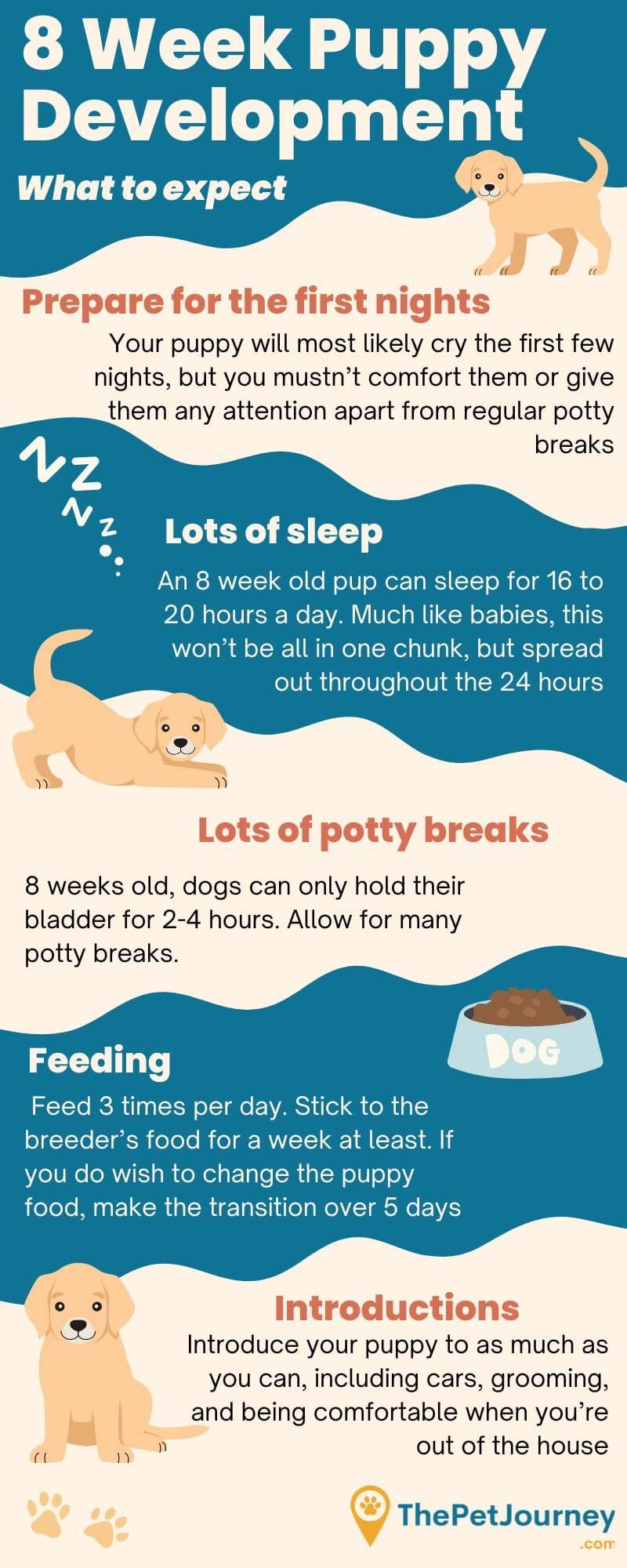
Welcoming a new puppy into your home is a thrilling experience, but it also comes with great responsibility. As a new puppy owner, you'll want to begin training your puppy as soon as possible. Training a puppy requires patience, consistency, and positive reinforcement. In this article, we'll provide you with a comprehensive guide on how to train a puppy from 8 weeks to 1 year, covering essential behaviors, creating a positive environment, and when to seek professional help.
When to Start Training Your Puppy
Before we dive into the nitty-gritty of training, let's talk about when to start training your puppy. The good news is that you can begin training your puppy the moment they come home. In fact, every interaction with your puppy is a form of training. House training, household manners, and social experiences are all forms of training you do with your puppy from the first time they come home. As a puppy owner, you'll quickly realize that your puppy is learning during every waking moment.
Creating a Positive Environment
Creating a positive environment is crucial for effective training. A positive environment encourages your puppy to learn and grow. Here are a few tips to create a positive environment for your puppy:
- Provide a safe and comfortable space: Make sure your puppy has a safe and comfortable area to rest, eat, and play.
- Establish a routine: Establish a routine for feeding, exercise, and playtime to help your puppy feel secure and stable.
- Use positive reinforcement: Reward your puppy with treats, praise, and affection when they exhibit good behavior.
- Be patient: Training a puppy takes time, so be patient and don't scold or punish your puppy for mistakes.
Essential Behaviors to Teach Your Puppy
As a puppy owner, there are several essential behaviors you'll want to teach your puppy. Here are a few:
- Basic obedience: Teach your puppy basic obedience commands like "sit," "stay," "come," and "leave it."
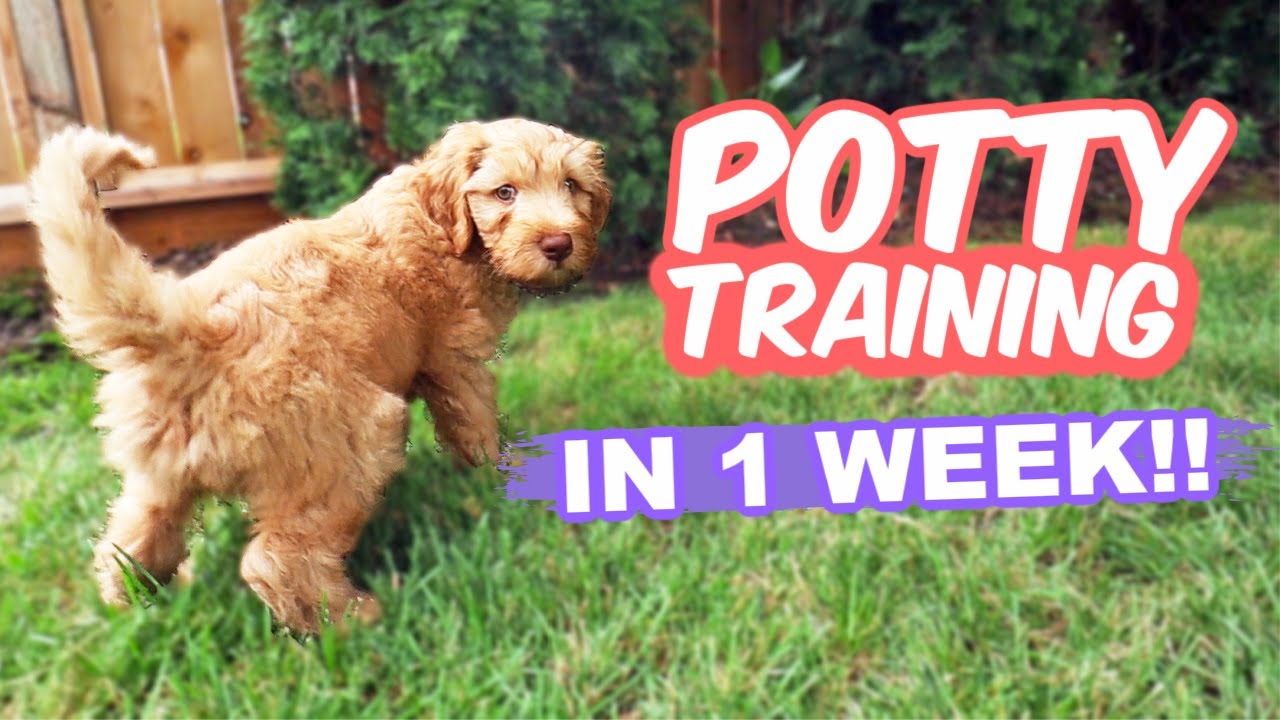
- Housebreaking: Teach your puppy to go potty outside and to not go in the house.
- Leash skills: Teach your puppy to walk on a leash without pulling.
- Socialization: Socialize your puppy with people, dogs, and new environments to help them become confident and well-adjusted.
Housebreaking
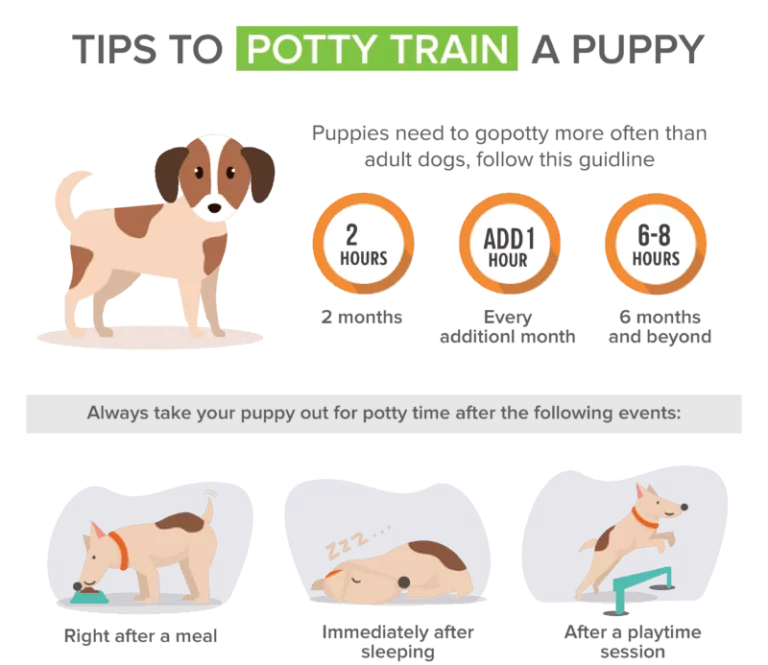
Housebreaking is an essential part of training a puppy. To housebreak your puppy, follow these steps:
- Establish a routine: Take your puppy outside to go potty immediately after waking up, after meals, and after playtime.
- Use positive reinforcement: Praise and reward your puppy when they go potty outside.
- Watch for signs: Puppies often sniff and circle before they go potty, so watch for these signs and take them outside quickly.
- Clean up accidents: If your puppy has an accident in the house, clean up the area thoroughly with a pet-safe cleaner to remove any remaining scent that might attract your puppy to the same spot again.
Leash Skills
Teaching your puppy to walk on a leash without pulling requires patience and consistency. Here are a few tips:
- Start early: Begin leash training early to avoid bad habits.
- Use positive reinforcement: Reward your puppy with treats and praise when they walk by your side without pulling.
- Be consistent: Walk your puppy in the same area at the same time every day to establish a routine.
- Watch for distractions: Avoid areas with distractions like other dogs, people, and noises.
Conclusion
Training a puppy requires patience, consistency, and positive reinforcement. By following the tips outlined in this article, you'll be well on your way to training your puppy to be a well-behaved and loyal companion. Remember, every interaction with your puppy is a form of training. With time, consistency, and patience, you can help your puppy become a happy and well-adjusted member of your family."