Feline Milk Intolerance Treatment: What You Need to Know
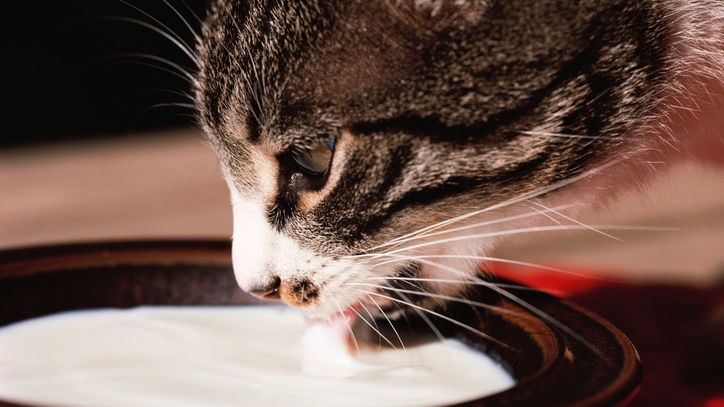
Cats can be lactose intolerant, just like some people. If you give him milk, it can distress his digestive tract and lead to severe symptoms of gastrointestinal upset. If your cat is, in fact, allergic to milk, you simply have to remove it from his diet.
Understanding Feline Lactose Intolerance
Lactose intolerance is the inability to digest lactose, the sugar in milk. It causes digestive symptoms, but isn't dangerous. Cats are lactose intolerant, and milk can cause digestive upset like diarrhea or vomiting. Milk offers no nutritional benefits for adult cats and can contribute to weight gain. Cats need fresh water and nutritionally-appropriate cat food with animal proteins to stay healthy.
Causes and Symptoms of Feline Milk Allergy
A dairy allergy in cats is a result of a cat's immune system becoming very sensitive to the protein, known as casein, in milk products. A dairy allergy is often confused with lactose intolerance, which is an actual intolerance to lactose in milk. If your cat is lactose intolerant, they may exhibit symptoms such as:
- Diarrhea: The inability to digest lactose can result in diarrhea, often occurring shortly after the cat ingests milk.
- Gas: Cats may experience gas, bloating, and abdominal discomfort due to the undigested lactose in their system.
- Vomiting: Some cats may vomit after consuming milk or dairy products.
- Abdominal pain: Cats may exhibit signs of abdominal pain, such as restlessness, pacing, or vocalization.
Feline Milk Intolerance Treatment
The treatment for feline milk intolerance is relatively straightforward. Since the issue lies in the cat's inability to digest lactose, the best course of action is to remove milk and other dairy products from their diet. This will prevent any further gastrointestinal upset and allow your cat's digestive system to heal.

Safe Alternatives to Milk
Cats can thrive on a diet that is free from milk and dairy products. In fact, they require no dairy to have a nutritionally complete or balanced diet, especially since they are obligate carnivores. Instead of milk, you can offer your cat:
- Water: Fresh water is essential for your cat's health, and it's always a good idea to ensure they have access to a clean water source.
- Cat food: Choose a high-quality cat food that is formulated to meet your cat's nutritional needs.
- Safe treats: Look for cat-friendly treat options that are free from dairy and other allergens.
Conclusion
Feline milk intolerance is a common issue that can be easily managed with the right treatment. By removing milk and dairy products from your cat's diet and offering safe alternatives, you can help your cat live a happy and healthy life. If you suspect your cat has a milk intolerance or allergy, consult with your veterinarian for professional guidance and advice.
Additional Resources
For more information on feline milk intolerance and dairy allergies, consult with your veterinarian or explore online resources, such as:
- VCA Animal Hospital: Learn about food allergies in cats and how to manage them.
- WebMD: Discover the facts about cats and dairy, why so many are lactose intolerant, and why substituting a saucer of milk for water may not be best for your kitten.