Excessive Mobile Use in Teens: A Growing Concern for Mental Health
The widespread adoption of smartphones and social media has revolutionized the way teens communicate, socialize, and access information. However, excessive mobile use in teens has become a growing concern, with numerous studies linking it to mental health problems, including depression, anxiety, and low self-esteem.
Prevalence of Excessive Mobile Use in Teens
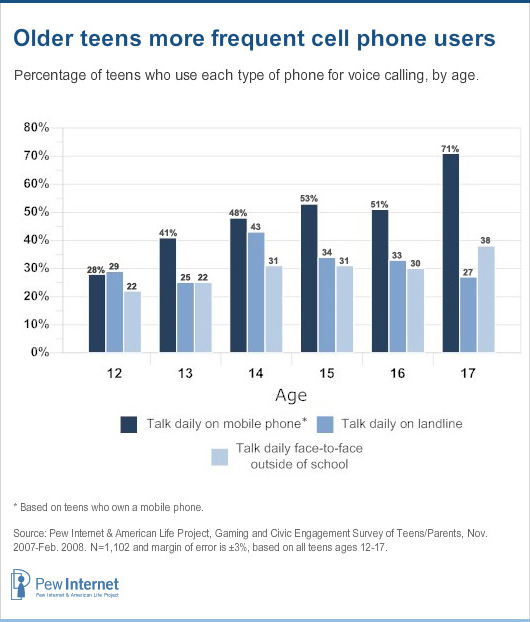
According to a recent survey, nearly 96% of US teens report using the internet daily, and 41% of teens with the highest social media user rates say their overall mental health is poor or very poor (Forty-one percent of teens with the highest social media user rate). This suggests that excessive mobile use is a significant issue among teens and may be contributing to their poor mental health.
Risks Associated with Excessive Mobile Use
Excessive mobile use has been linked to a range of negative outcomes, including:
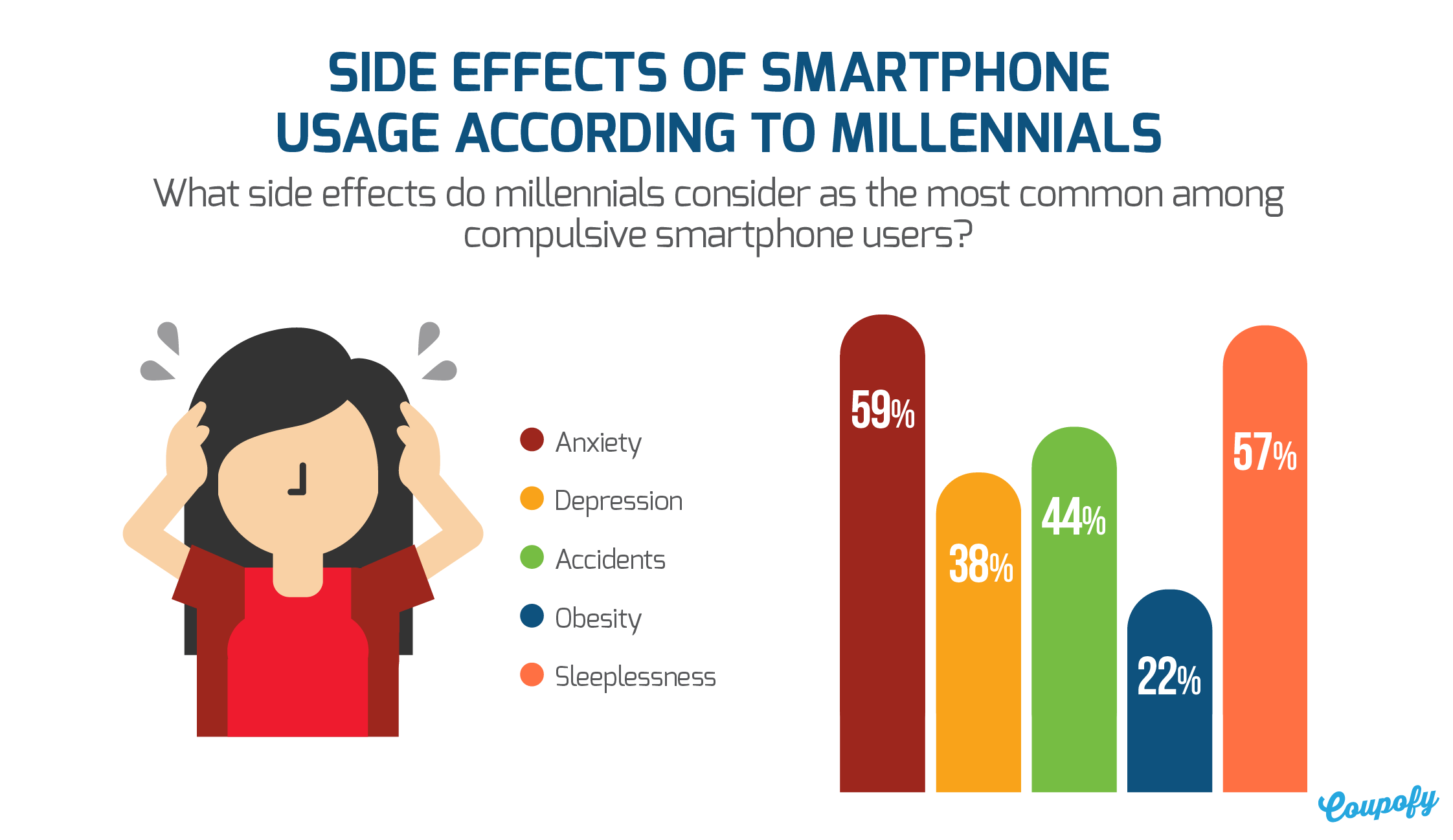
- Depression and anxiety: Excessive mobile use has been linked to increased symptoms of depression and anxiety, which can exacerbate existing mental health conditions.
- Low self-esteem: Exposure to idealized and curated content on social media can lead to feelings of inadequacy and low self-esteem.
- Sleep disturbances: Exposure to screens and the constant notification alerts can interfere with sleep patterns, leading to sleep disturbances and related problems.
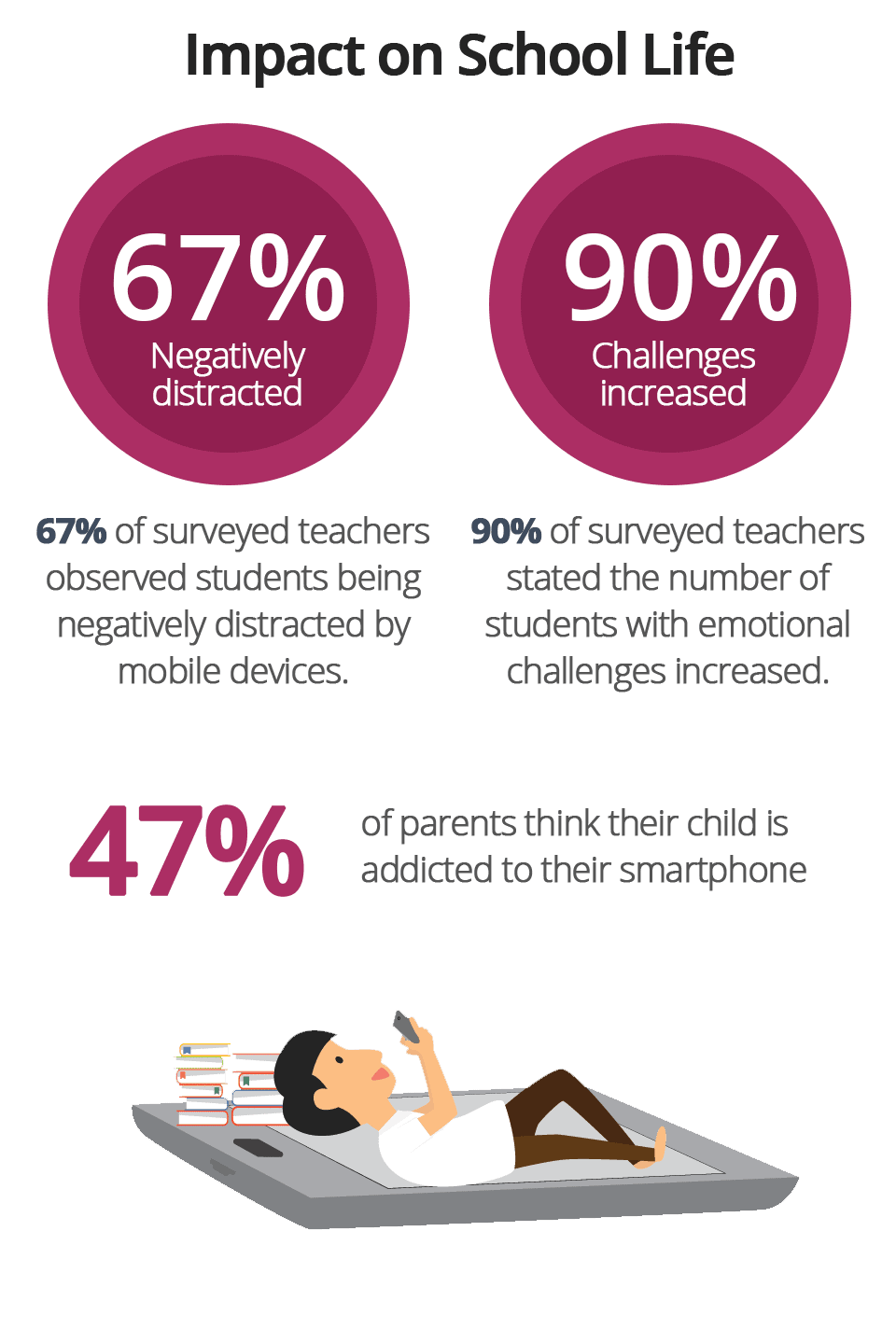
- Impaired cognitive function: Excessive mobile use has been linked to impaired cognitive function, including attention deficits and reduced academic performance.
- Physical health problems: Sedentary behavior associated with excessive mobile use can contribute to a range of physical health problems, including obesity, diabetes, and cardiovascular disease.
Why Teens Are Susceptible to Excessive Mobile Use

Teens are particularly vulnerable to excessive mobile use due to their developmental stage and the influence of their social environment. Factors that contribute to excessive mobile use in teens include:
- Peer pressure: Teens may feel pressure from their peers to use social media and engage in online activities.
- Curiosity and novelty-seeking: Teens are naturally curious and may be drawn to new and exciting online content.
- Lack of parental supervision: Teenagers may have less supervision from parents, allowing them to engage in excessive mobile use without consequences.
- Mental health struggles: Teens who are struggling with mental health issues may turn to their smartphones as a coping mechanism, leading to excessive mobile use.
Breaking the Cycle of Excessive Mobile Use
Preventing and addressing excessive mobile use in teens requires a comprehensive approach that involves parents, educators, and healthcare professionals. Strategies for reducing excessive mobile use include:
- Setting clear boundaries and rules for mobile use
- Monitoring and limiting screen time
- Encouraging physical activity and outdoor play
- Modeling healthy mobile use habits
- Seeking professional help for underlying mental health issues
Conclusion
Excessive mobile use in teens is a pressing concern that requires immediate attention. Parents, educators, and healthcare professionals must work together to address this issue and promote healthy mobile use habits in teens. By setting clear boundaries, monitoring screen time, and encouraging physical activity, we can help teens develop healthier relationships with technology and reduce the risks associated with excessive mobile use.