Difficulty Falling Asleep: Understanding the Issue and Finding Solutions
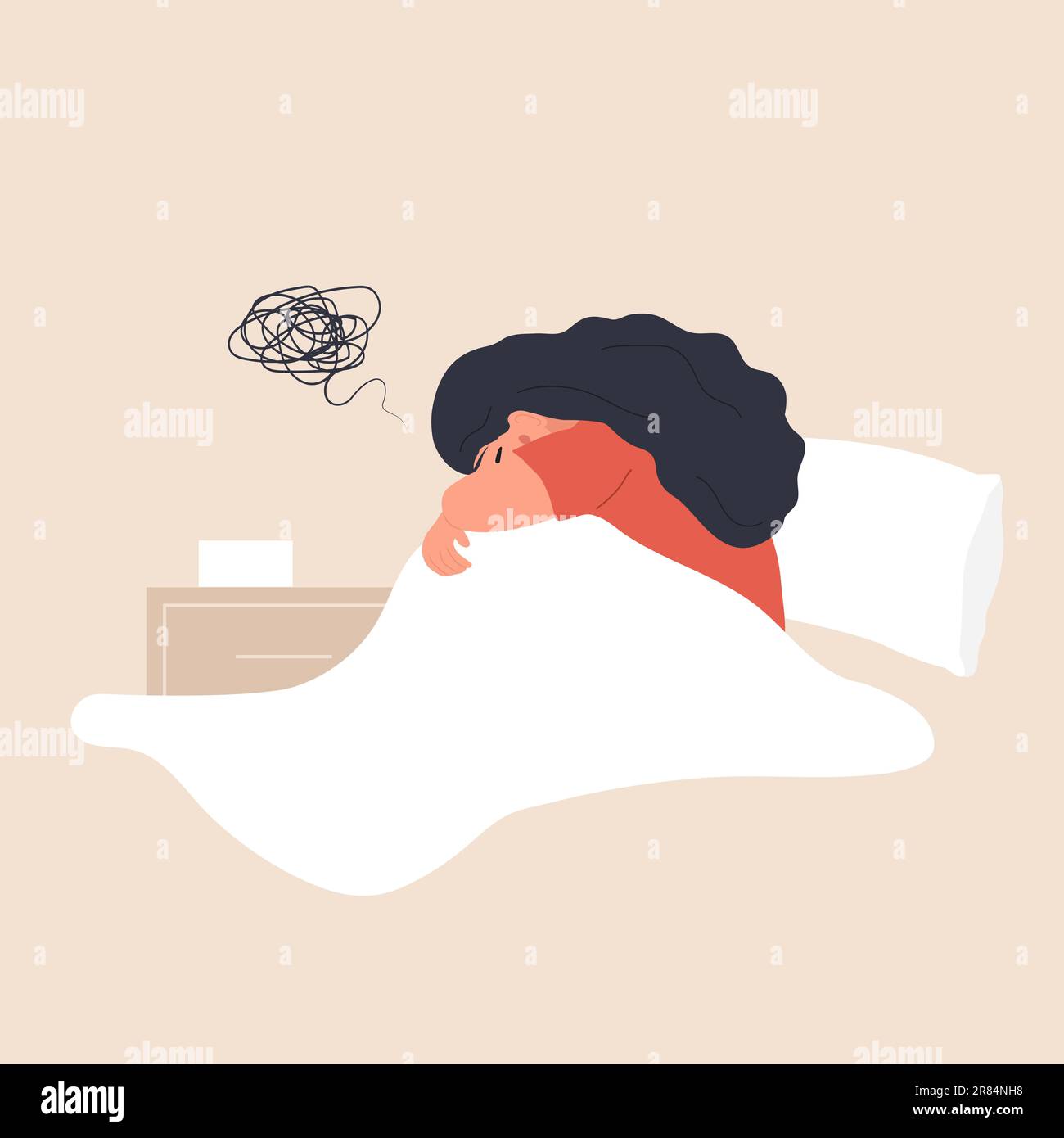
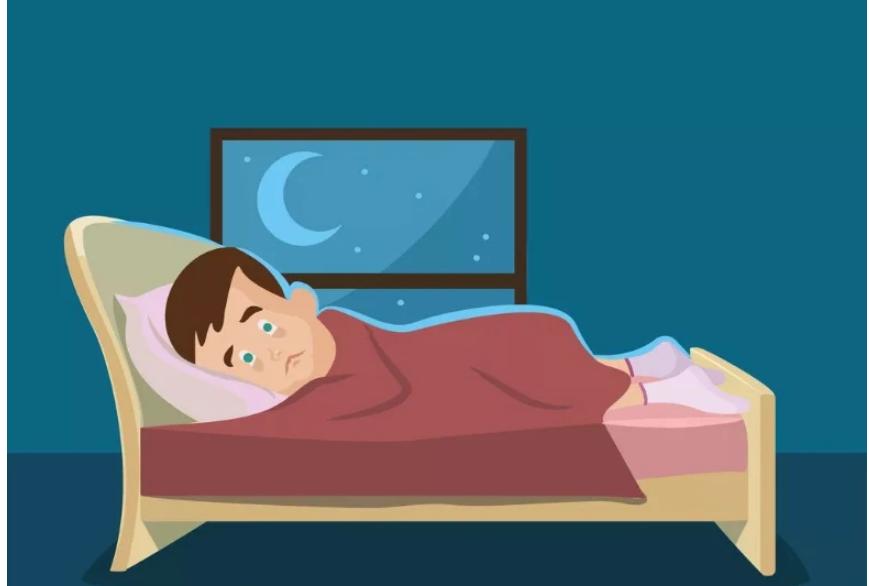
Difficulty falling asleep is a common problem that affects millions of people worldwide. It can be frustrating and debilitating, making it challenging to function during the day. In this article, we will explore the causes and symptoms of difficulty falling asleep, as well as provide tips and solutions to help you improve your sleep quality.
Causes of Difficulty Falling Asleep
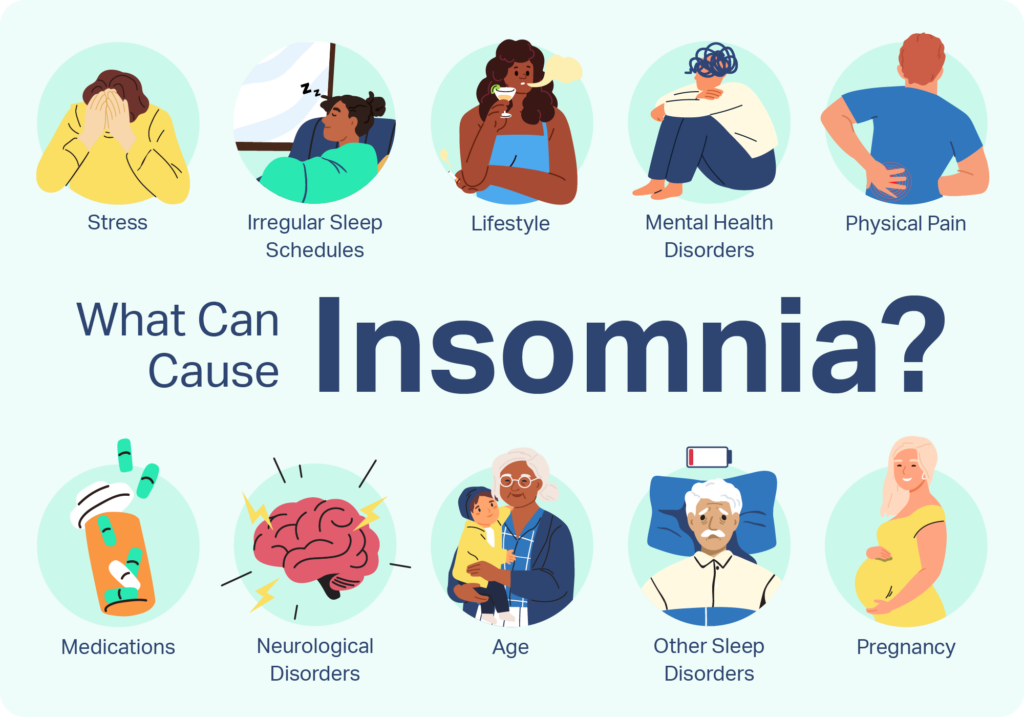
There are several reasons why you may be having trouble falling asleep. These include:
- Stress and anxiety: Stress and anxiety can make it difficult to relax and fall asleep.
- Irregular sleep schedule: Going to bed at irregular times or being exposed to screens before bedtime can interfere with your sleep.
- Sleep disorders: Sleep disorders like insomnia, sleep apnea, and restless leg syndrome can make it difficult to fall asleep.
- Medications: Certain medications can interfere with your ability to fall asleep.
- External noise: Noise from traffic, snoring, or other external sources can make it difficult to fall asleep.
- Health conditions: Certain health conditions, such as chronic pain, sleep apnea, and thyroid disorders, can make it difficult to fall asleep.
Symptoms of Difficulty Falling Asleep
The symptoms of difficulty falling asleep can vary from person to person, but common symptoms include:
- Trouble falling asleep quickly (typically within 15-20 minutes)
- Waking up frequently during the night
- Insomnia or daytime fatigue
- Difficulty concentrating or paying attention
- Irritability or mood changes
- Difficulty completing daily tasks
Tips for Improving Sleep
Here are some tips that can help you improve your sleep:
- Establish a consistent sleep schedule: Go to bed and wake up at the same time every day, including weekends.
- Stick to a bedtime routine: Develop a calming pre-sleep routine, such as reading a book or taking a warm bath, to signal to your brain that it's time to sleep.
- Create a sleep-conducive environment: Make your bedroom dark, quiet, and cool, and invest in a comfortable mattress and pillows.
- Avoid screens before bed: The blue light emitted from smartphones, tablets, and computers can suppress melatonin production and interfere with sleep.
- Exercise regularly: Regular physical activity can help improve sleep quality, but avoid vigorous exercise within a few hours of bedtime.
- Manage stress: Engage in stress-reducing activities, such as yoga or meditation, to help calm your mind and body before sleep.

Seeing a Doctor
If you are consistently having trouble falling asleep or wake up feeling tired, it may be time to see a doctor. A healthcare provider can help diagnose any underlying sleep disorders and provide treatment recommendations.
Natural Solutions
There are several natural solutions that can help improve sleep quality, including:
- Melatonin supplements: Melatonin is a hormone that regulates sleep-wake cycles. Taking a melatonin supplement can help improve sleep quality.
- Relaxation techniques: Techniques such as progressive muscle relaxation, visualization, and mindfulness meditation can help calm the mind and body before sleep.
- Herbal remedies: Certain herbs, such as valerian root and chamomile, have been shown to have a calming effect and promote sleep.
- Acupuncture: This ancient practice involves inserting thin needles into specific points on the body to stimulate relaxation and promote sleep.
Conclusion
Difficulty falling asleep is a common problem that can have a significant impact on daily life. By understanding the causes and symptoms of difficulty falling asleep, as well as implementing the tips and solutions outlined in this article, you can improve your sleep quality and wake up feeling rested and refreshed.
References
Some of the sources used in this article include:
- American Academy of Sleep Medicine. (2020). Insomnia.
- Centers for Disease Control and Prevention. (2020). Sleep and Sleep Disorders.
- Harvard Health Publishing. (2020). Better sleep: 10 tips.
- Mayo Clinic. (2020). Sleep disorders.