IPO and IPR in Tech Industry: The Ultimate Handbook
Technology companies undertaking capital raisings can approach the world's capital markets in various ways. Through an initial public offering (IPO), listing either in its home jurisdiction or cross-border, a technology company can access major global finance hubs and capital from a deep pool of investors around the world.
Introduction to IPO and IPR
The IPO (Initial Public Offering) and IPR (Intellectual Property Rights) phenomenon in the tech industry has gained significant attention in recent years. As technology advances, startups are now more likely to have innovative products and services protected by patents, trademarks, and copyrights. This has led to a renewed focus on the importance of IPR in the IPO process.
What is IPR and Why is it Important in Tech IPOs?
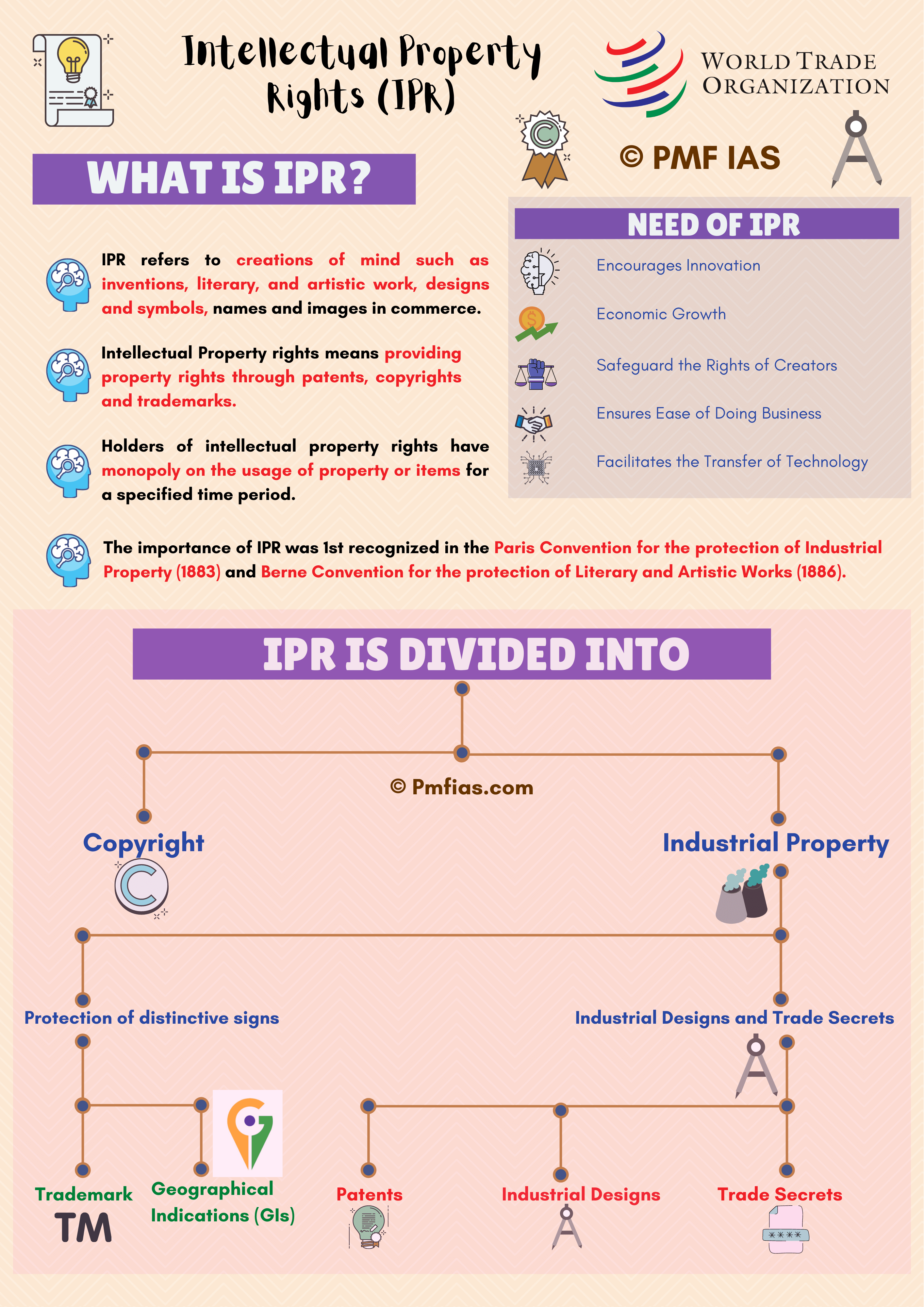
Intellectual property rights refer to the exclusive rights granted to creators of original works, such as inventions, literary and artistic works, designs, and symbols, names, and images used in commerce. In the context of tech IPOs, IPR is crucial for several reasons:
- Protection of Innovations: IPR safeguards the innovations and creations of tech companies, preventing others from copying or using their ideas without permission.
- Competitive Edge: IPR provides a competitive advantage in the market, allowing tech companies to differentiate themselves from others and attract customers.
- Funding and Investment: IPR can secure funding and investment for tech companies, as investors are more likely to invest in companies with strong IPR protection.
- Market Access: IPR facilitates market access by ensuring that tech companies can operate freely and innovate without fear of infringement or legal disputes.
Types of IPR Relevant to Tech IPOs
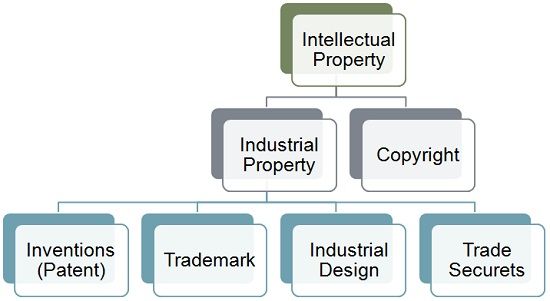
There are several types of IPR relevant to tech IPOs, including:
- Patents: Exclusive rights granted to inventors for new and useful inventions.
- Trademarks: Unique symbols, names, and images used to identify and distinguish products and services.
- Copyrights: Exclusive rights granted to creators of original works, such as software, literature, and artwork.
- Trade Secrets: Confidential and valuable information used in business, such as recipes or algorithms.
Regulatory Frameworks and IPOs
Regulatory frameworks play a critical role in IPOs, particularly in relation to IPR. Tech companies must comply with various regulations, including:
- Securities and Exchange Commission (SEC) regulations in the US.
- Financial Conduct Authority (FCA) regulations in the UK.
- Listing rules and exchange regulations, such as the NASDAQ or NYSE in the US.
Case Studies and Insights from Successful Tech IPOs
Several successful tech IPOs have highlighted the importance of IPR in achieving market success. For instance:
* Airbnb's IPO in 2020, where the company emphasized its strong IPR protection and compliance with regulatory frameworks.
* Shopify's IPO in 2015, where the company highlighted its commitment to IPR protection and innovation.
* Google's IPO in 2004, where the company's strong IPR portfolio played a significant role in its market success.
Conclusion
The interplay between IPOs and IPR in the tech industry is complex and multifaceted. As technology continues to advance and innovate, companies must prioritize IPR protection to secure funding, attract investors, and gain a competitive edge in the market. By understanding the types of IPR relevant to tech IPOs and complying with regulatory frameworks, companies can achieve success and drive growth in the digital age.
References
- Confederation of Indian Industry (CII). (2024). Report on Intellectual Property Rights (IPR) in India.
- World Intellectual Property Organization (WIPO). (2024). World Intellectual Property Report 2024.
- Securities and Exchange Commission (SEC). (2022). Regulations and Guidance on Initial Public Offerings.
- Financial Conduct Authority (FCA). (2022). Listing Rules and Disciplinary Information.
This article is for informational purposes only and should not be considered as professional advice. The views expressed are those of the author and not necessarily those of the publications cited.