Understanding the Art of Wainscoting: A Comprehensive Guide
Wainscoting, a timeless and stylish design element, has been a staple in homes for centuries. This decorative wall trim not only adds visual appeal but also serves a functional purpose by protecting the walls from wear and tear. In this article, we'll delve into the world of wainscoting, exploring its origins, various types of materials, designs, and installation methods.
What is Wainscoting?
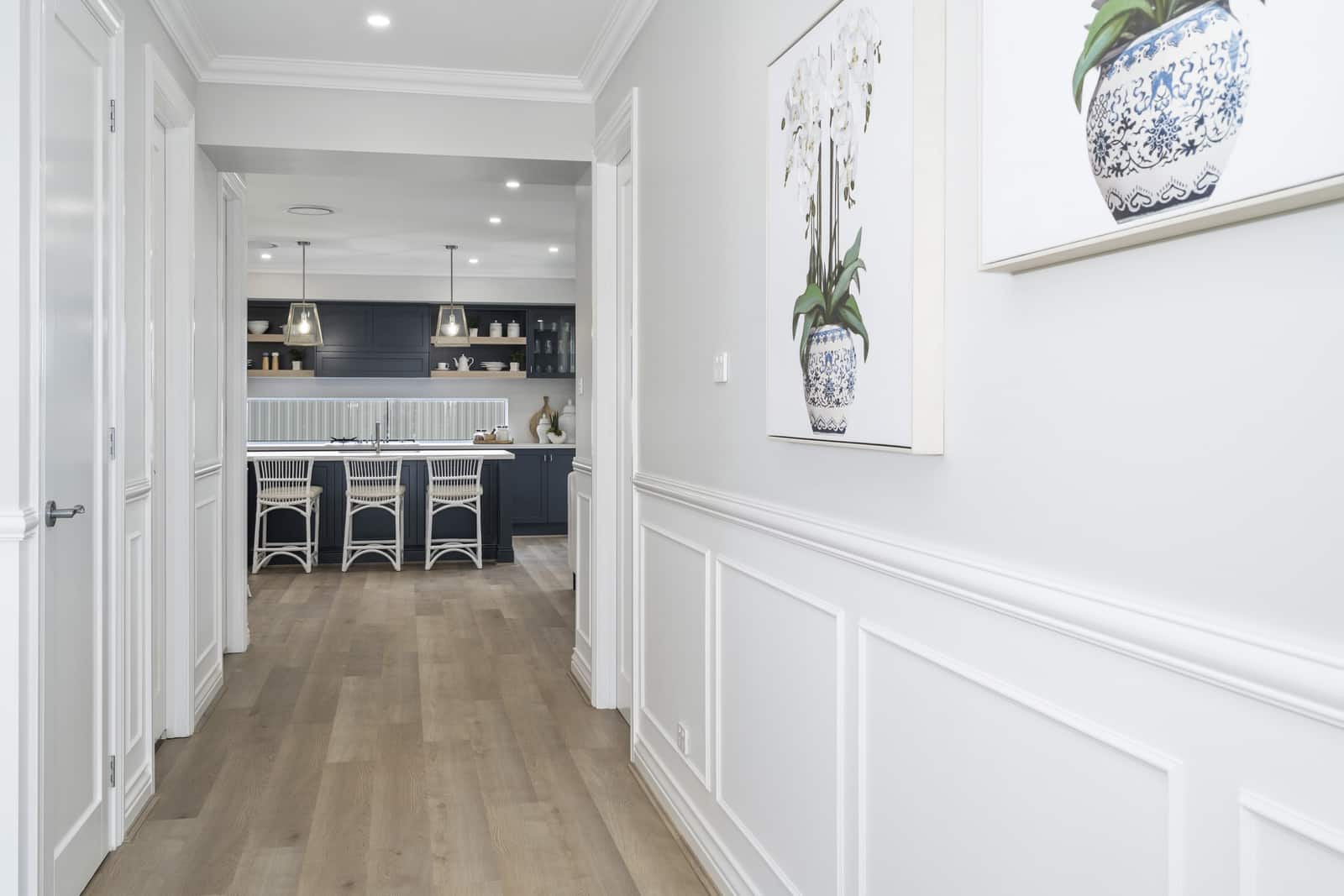
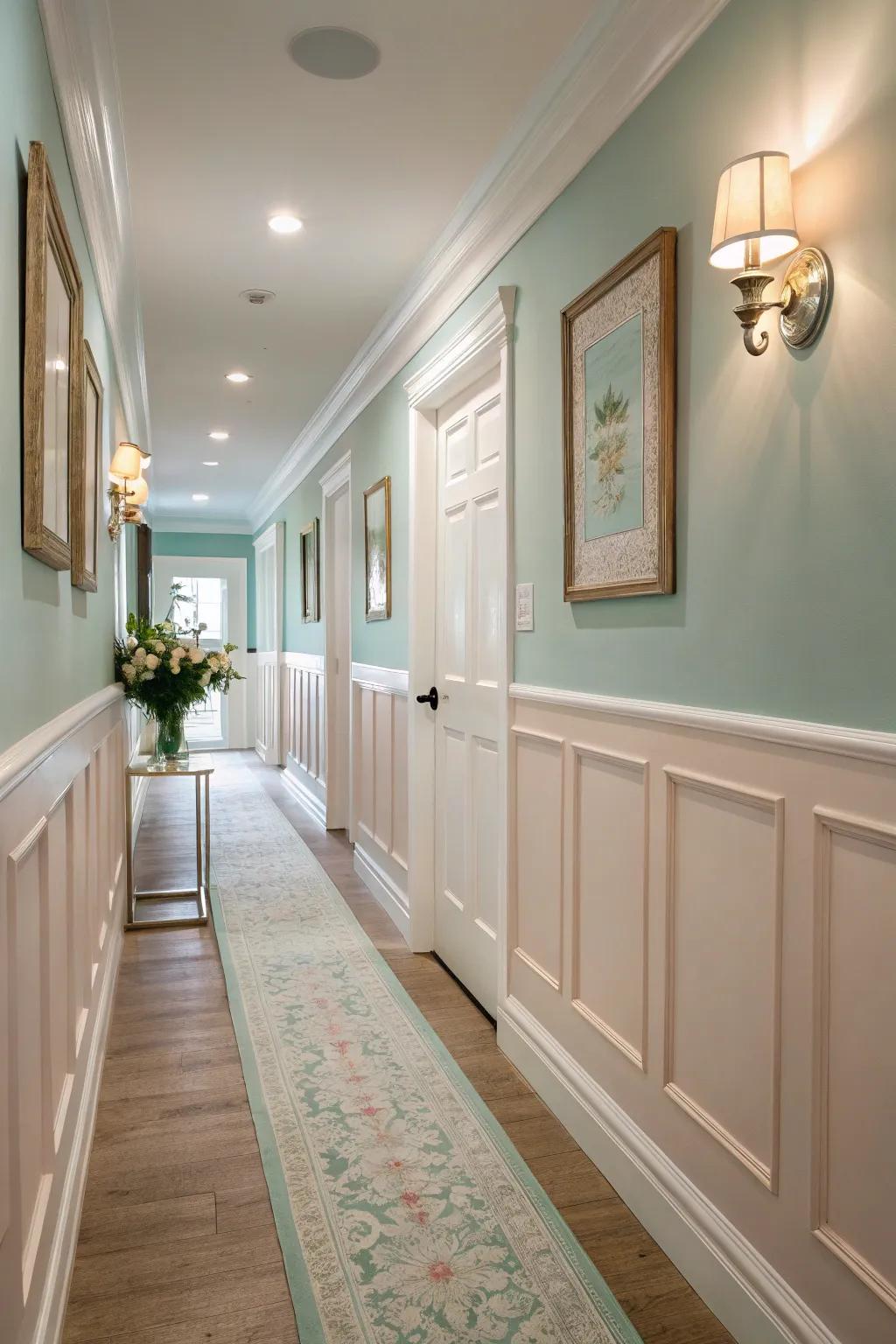
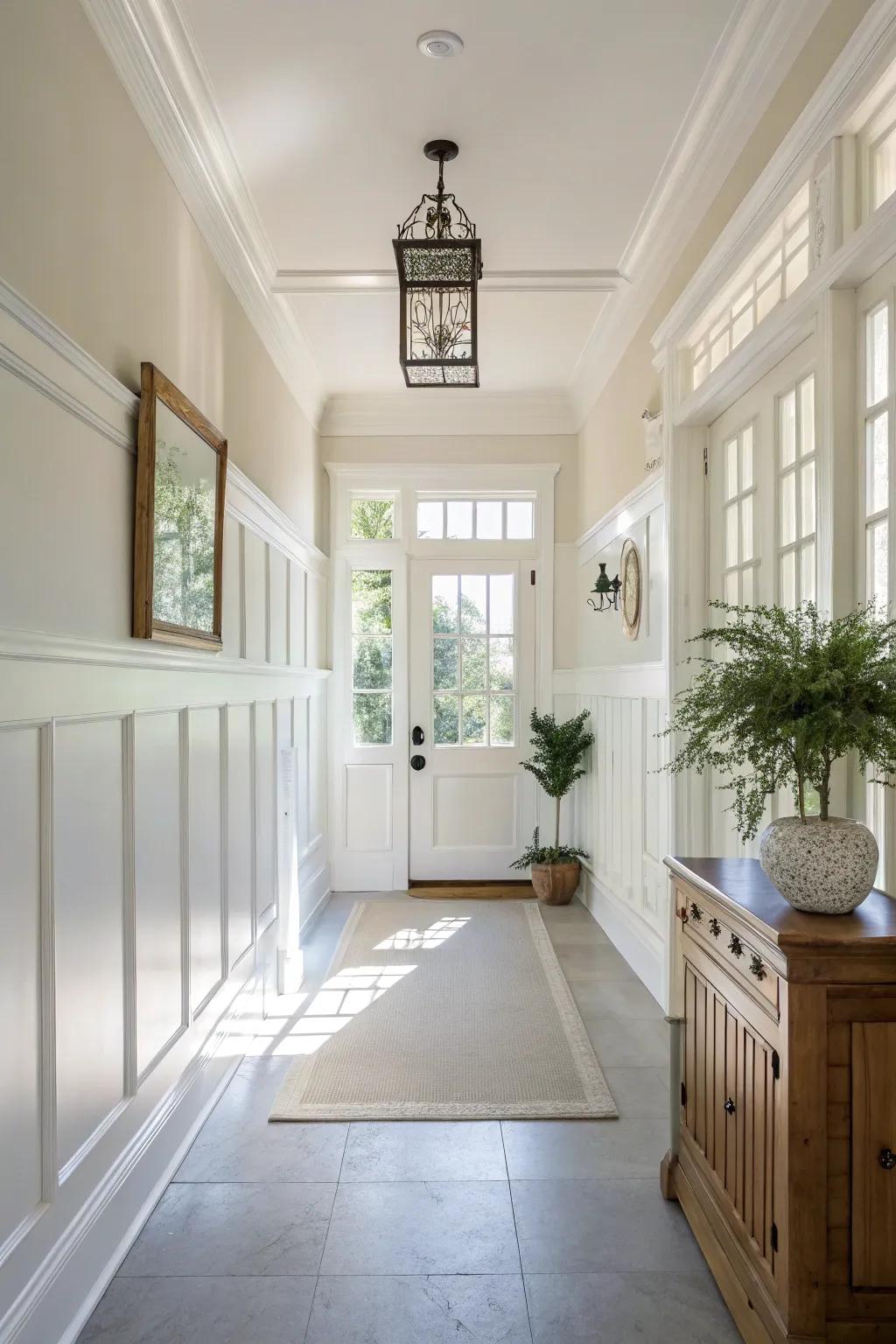
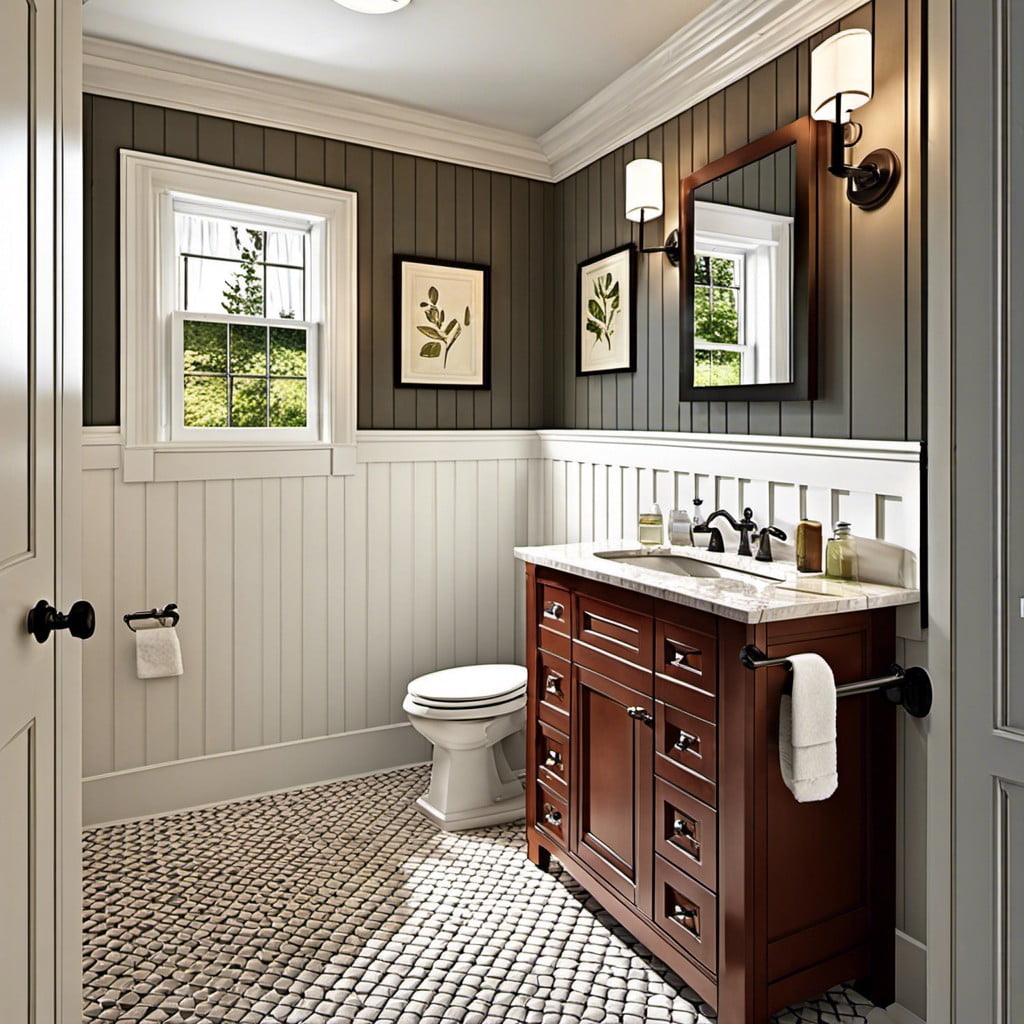
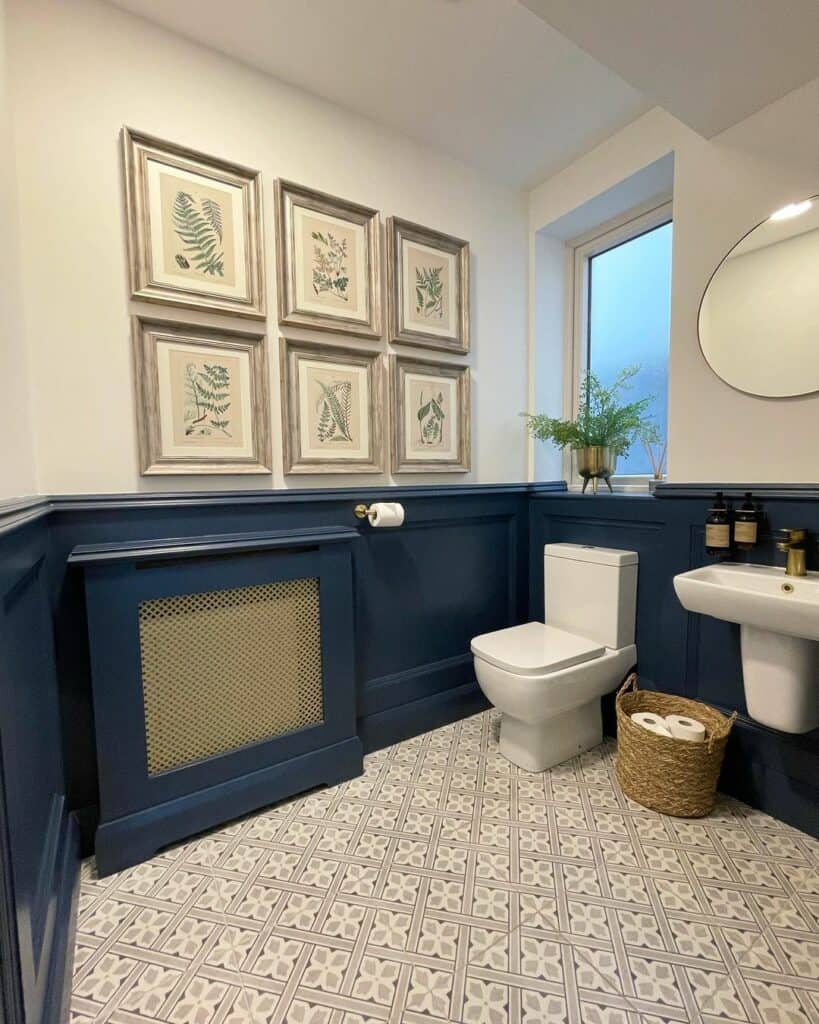
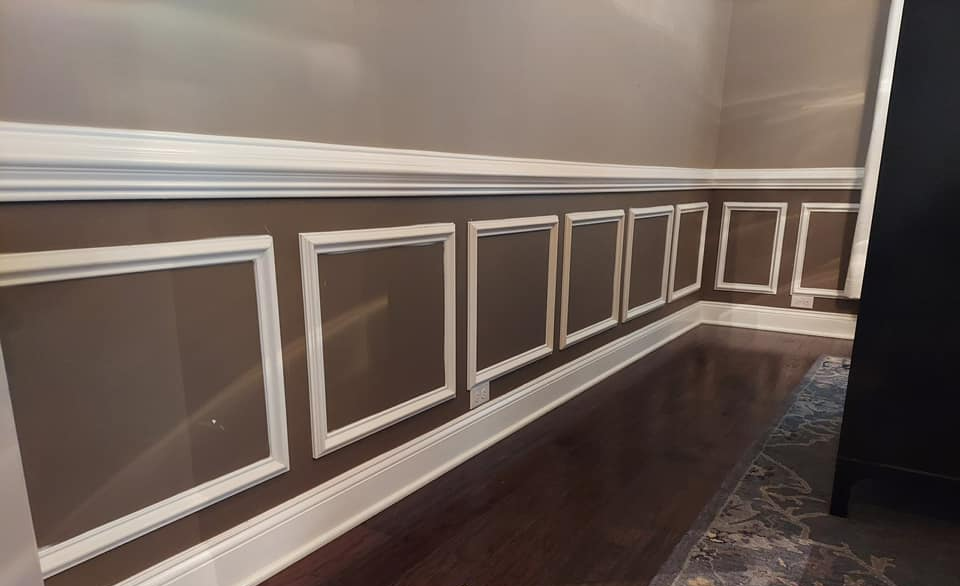
Wainscoting is a type of wall covering applied to the lower portion of a wall, typically between the floor and a point about 1/3 to 1/2 of the way up the wall. This paneling can be made from a range of materials, including wood, MDF, or PVC, and is often used to create a sense of depth and texture in a room.
History of Wainscoting
The practice of wainscoting dates back to the 17th century, when it was used in English homes to protect the walls from scratches and scuffs. Over time, wainscoting evolved to become a decorative element, with various designs and materials being used to create a range of styles. From traditional wood paneling to modern PVC designs, wainscoting has remained a popular choice for homeowners and interior designers alike.
Types of Materials Used for Wainscoting
- Wood: A classic choice for wainscoting, wood paneling can add warmth and character to a room. From oak to pine, various types of wood can be used to create a range of styles.
- MDF (Medium-Density Fiberboard): A cost-effective alternative to wood, MDF is a versatile material that can be used to create a range of designs.
- PVC (Polyvinyl Chloride): A durable and low-maintenance option, PVC wainscoting is perfect for high-traffic areas and commercial spaces.
- Composite Materials: Made from a combination of materials, such as wood and plastic, composite wainscoting offers the benefits of multiple materials in one.
Designs and Patterns
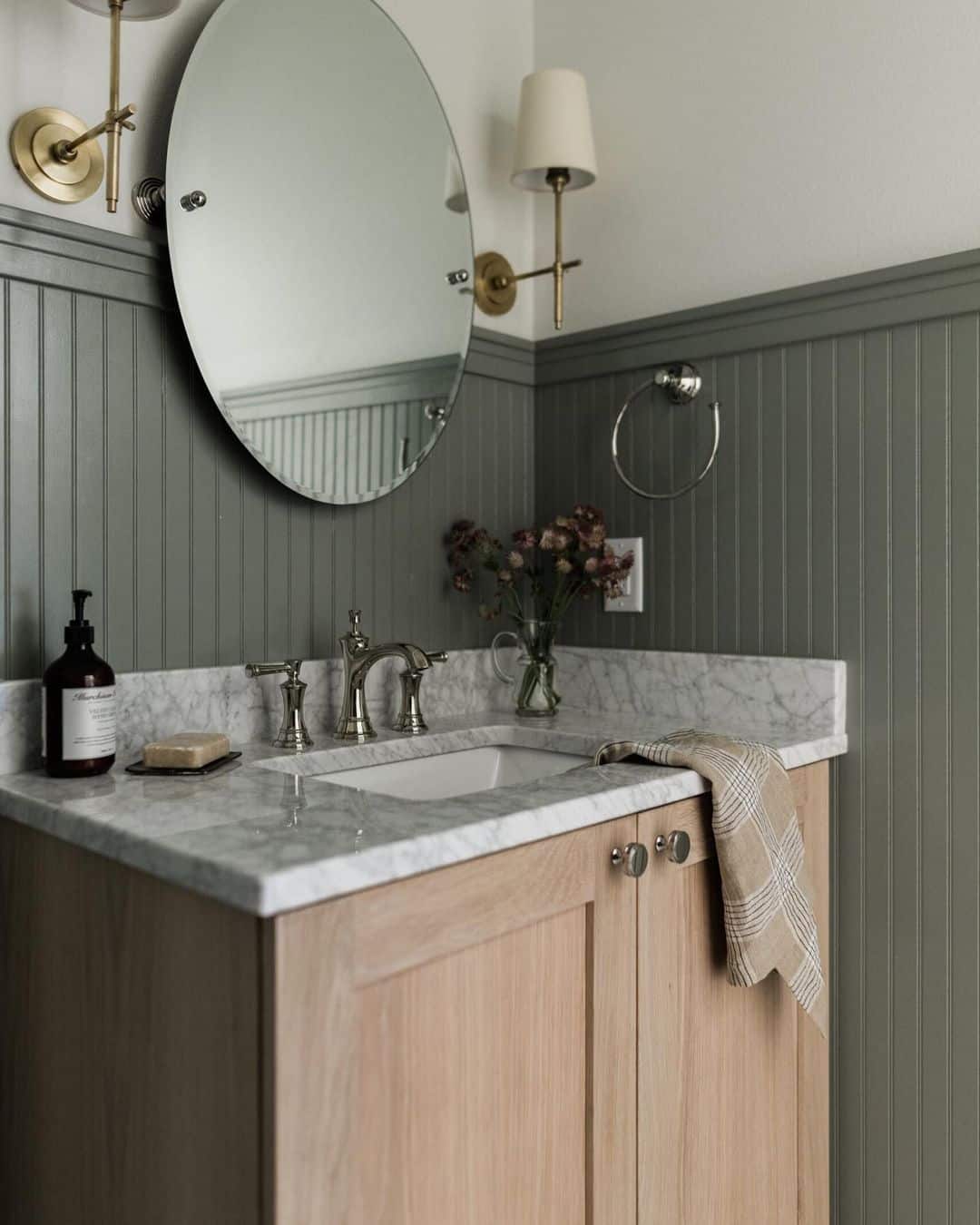
- Beadboard: A classic design featuring a repeating pattern of beads or raised panels.
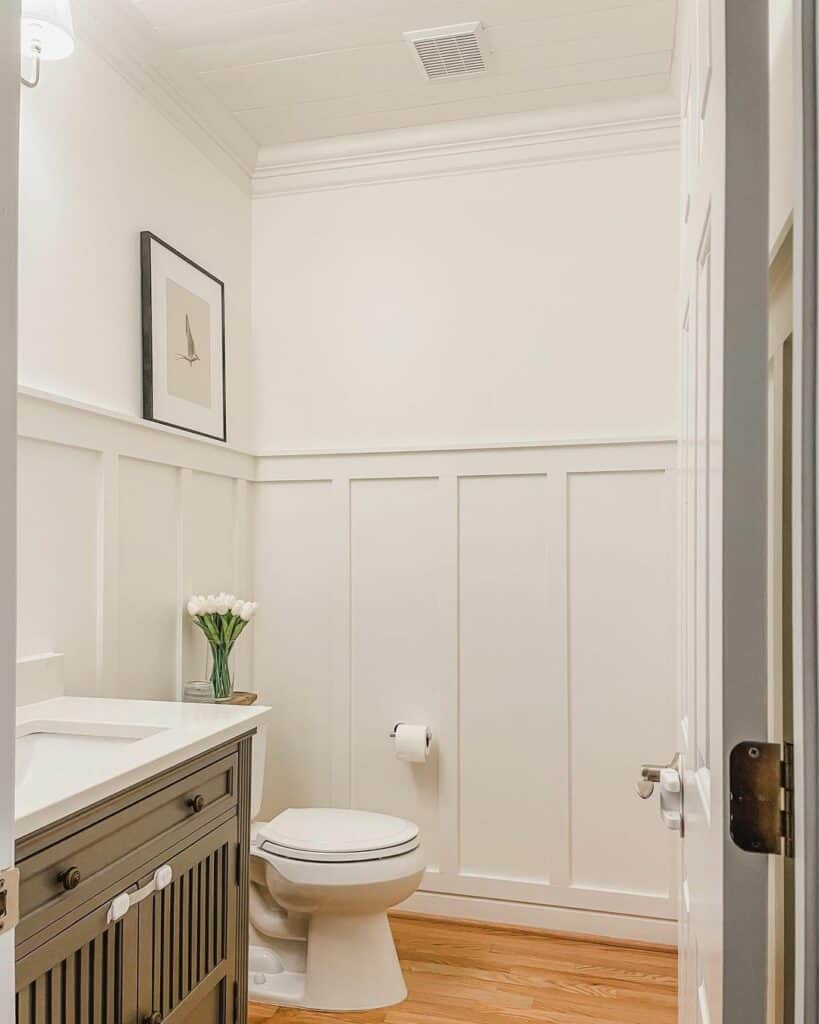
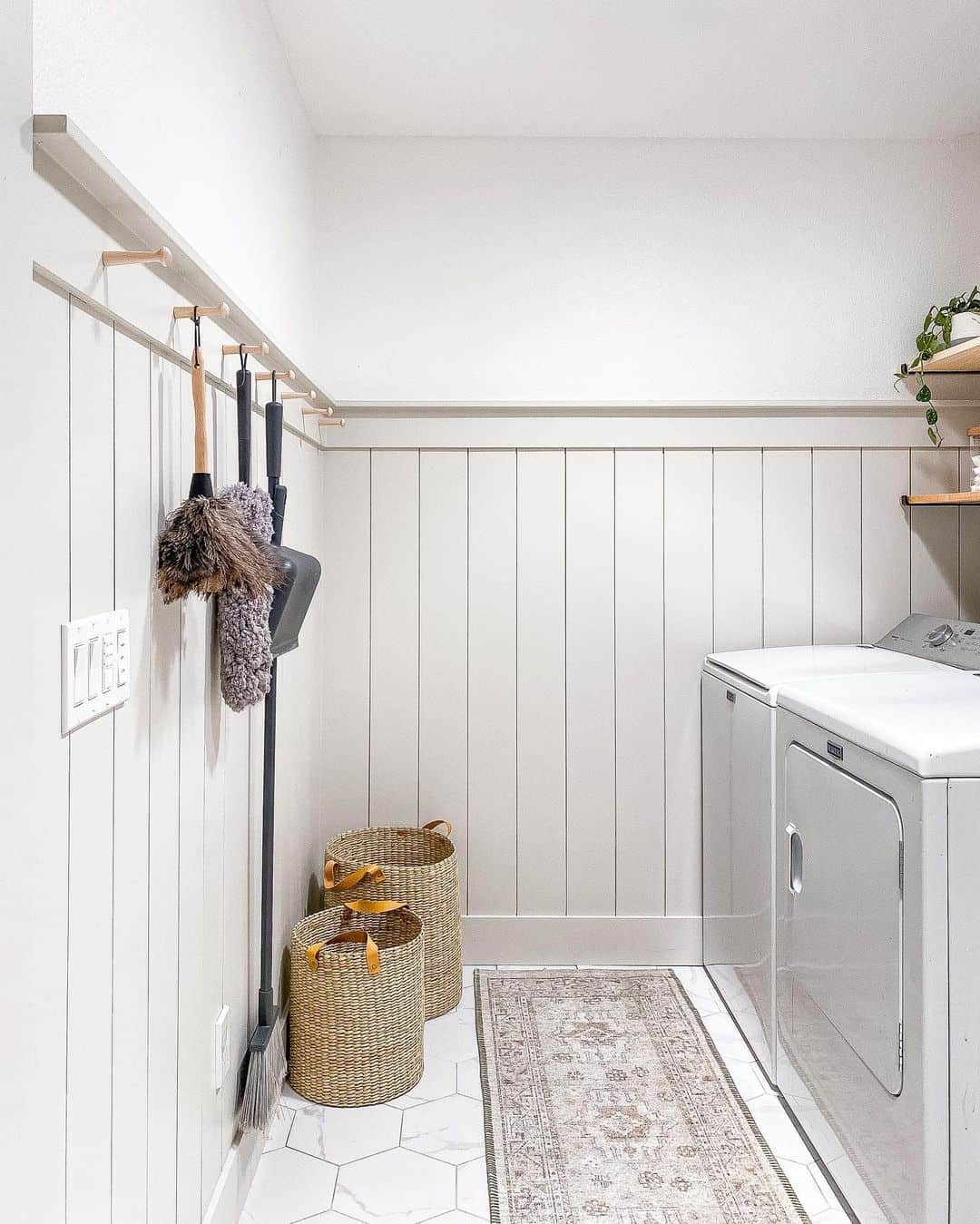
- Board and Batten: A simple, rustic design featuring horizontal boards separated by vertical battens.
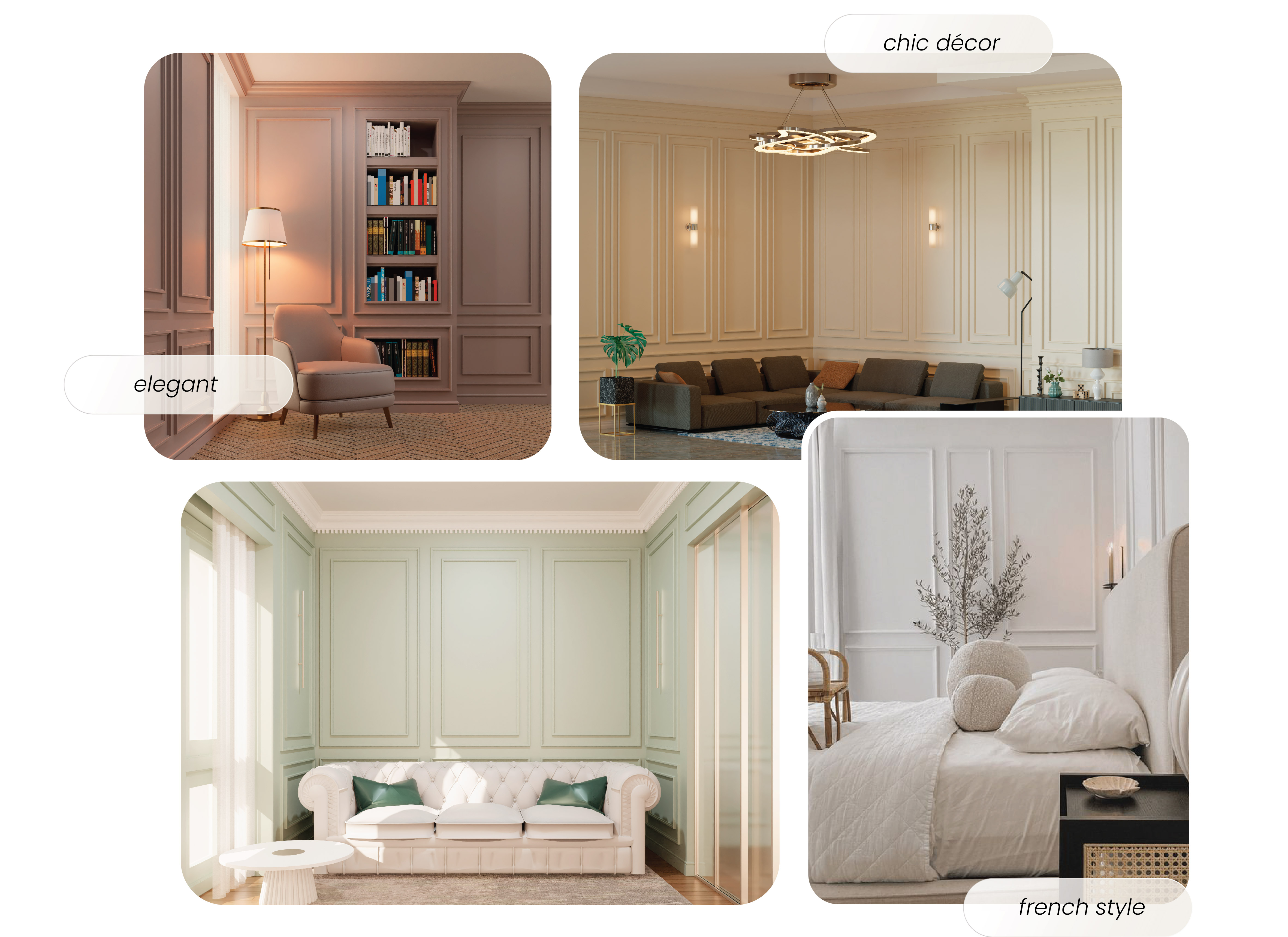
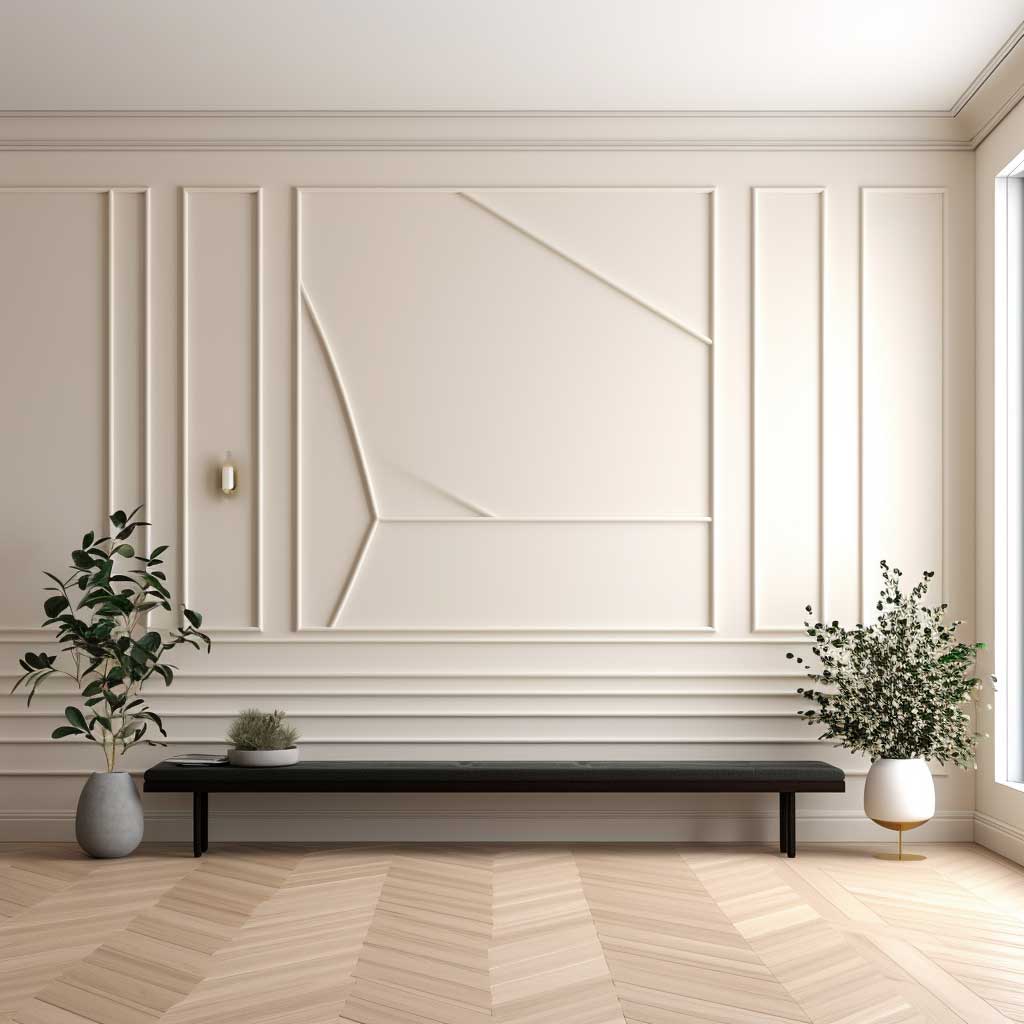
- Flat Panel: A modern design featuring flat, uniform panels.
- Shiplap: A classic design featuring overlapping panels, typically used in coastal or rustic styles.

Installation Methods
Wainscoting can be installed using various methods, including:
- DIY Kits: Pre-made kits that include everything needed to install wainscoting, including panels, trim, and accessories.
- Hire a Professional: For more complex installations or high-end designs, hiring a professional contractor or carpenter may be the best option.
- Self-Adhesive Panels: Pre-made panels with a self-adhesive backing, making installation easier and faster.
Benefits of Wainscoting
Wainscoting offers a range of benefits, including:
- Protection: Wainscoting can protect the walls from scratches, scuffs, and other forms of wear and tear.
- Decoration: Wainscoting can add visual interest and personality to a room, creating a sense of style and elegance.
- Value: A well-installed wainscoting system can increase the value of a property, making it more attractive to potential buyers.
Conclusion
Wainscoting is a timeless design element that can add style, functionality, and value to any room. With a range of materials, designs, and installation methods available, it's easy to find a solution that suits your needs and budget. Whether you're looking to protect your walls, add a touch of elegance, or increase the value of your property, wainscoting is an excellent choice.