Unraveling the Mystery: Blue Light and Anxiety
Blue light, the high-energy part of the visible light spectrum, has been extensively studied for its biological effects on the human body. From sleep disorders to mental health issues, research has shed light on the profound impact of blue light exposure. One area of interest is the connection between blue light and anxiety. In this article, we will delve into the world of blue light exposure and its potential contribution to anxiety, exploring the science behind it and providing actionable tips to minimize its effects.
What is Blue Light?
Blue light is a type of electromagnetic radiation with a shorter wavelength (450-495 nanometers) and higher energy than other types of light. It is emitted by various sources, including electronic devices like smartphones, computers, and televisions, as well as energy-efficient light bulbs. The accumulation of blue light exposure during the day can have a significant impact on our circadian rhythms and overall well-being.
The Impact of Blue Light on Anxiety
Research suggests that excessive blue light exposure, particularly in the evening, can lead to increased anxiety levels. A study on zebrafish found that specific blue light wavelengths boosted serotonin and reduced stress hormones like cortisol, indicating a potential link between blue light and anxiety reduction. However, another study revealed that prolonged blue light exposure may contribute to chronic anxiety in individuals. The conflicting findings highlight the complexity of the relationship between blue light and anxiety.
How Does Blue Light Affect Sleep and Anxiety?

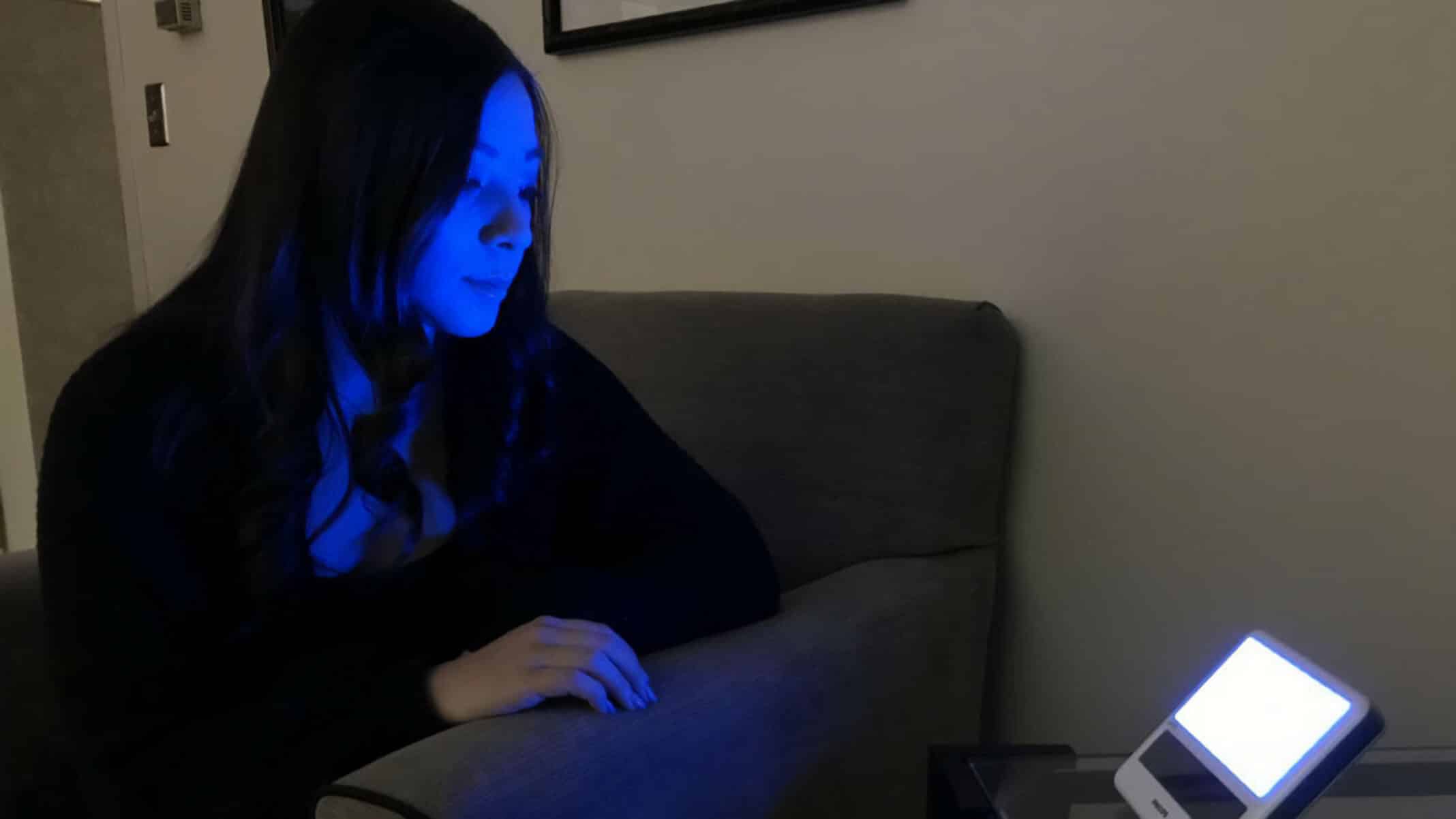
Exposure to blue light from electronic devices before bedtime can suppress melatonin production, leading to disrupted sleep patterns and increased anxiety. Lack of sleep is a known contributor to anxiety, perpetuating a vicious cycle. Furthermore, the blue light emitted by smartphones and computers can trick the brain into thinking it's still daytime, making it harder to fall asleep and increasing the risk of anxiety.
Minimizing Blue Light Exposure for Better Mental Health
While it's not feasible to completely eliminate blue light from our lives, there are strategies to reduce its impact:
- Use blue light filtering glasses, software, or apps that block or reduce blue light emission.
- Dim red light bulbs in the evening to help signal to the brain that it's time for sleep.
- Utilize night mode on electronic devices to dim the screen and reduce blue light emission.
- Establish a relaxing bedtime routine to signal to the brain that it's time for sleep.
- Limit screen time before bedtime, and consider implementing a phone-free hour before sleep.
Conclusion
The relationship between blue light and anxiety is multifaceted and requires further research. However, it is clear that excessive blue light exposure can contribute to increased anxiety levels. By implementing simple measures to reduce blue light exposure, we can create a healthier environment for our minds and bodies. As we continue to navigate the impact of blue light on our mental health, it is crucial to prioritize responsible device use and maintain a balance between screen time and relaxation.