Understanding Delayed Sleep Onset: A Common Sleep Disorder
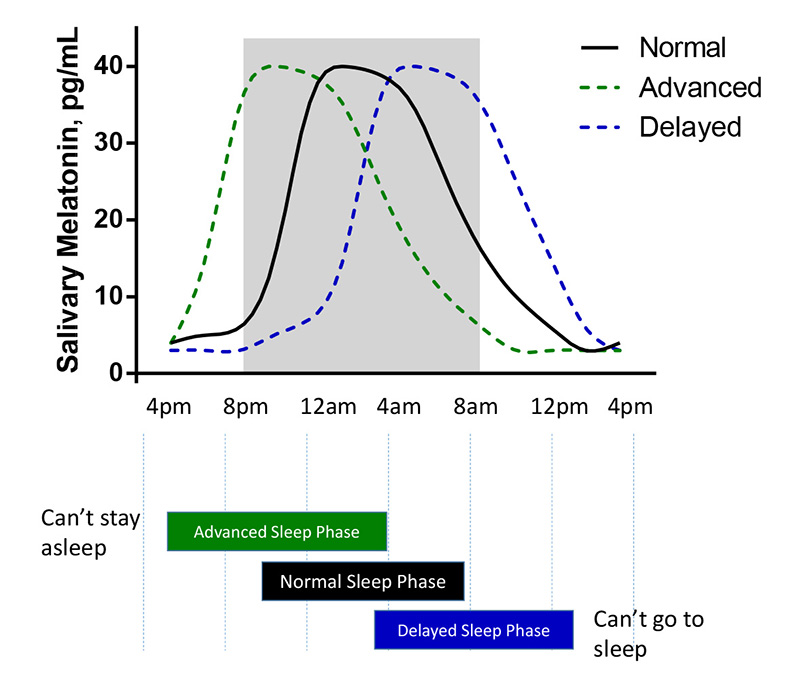
Have you ever found yourself lying awake in bed, tossing and turning, as the clock strikes 2 or 3 am, wondering why you can't seem to fall asleep? You're not alone. Millions of people worldwide suffer from delayed sleep onset, a condition where the body's internal clock, or circadian rhythm, is out of sync. In this article, we'll delve into the world of delayed sleep onset, its causes, symptoms, and treatment options, providing you with a better understanding of this common sleep disorder.
What is Delayed Sleep Onset?
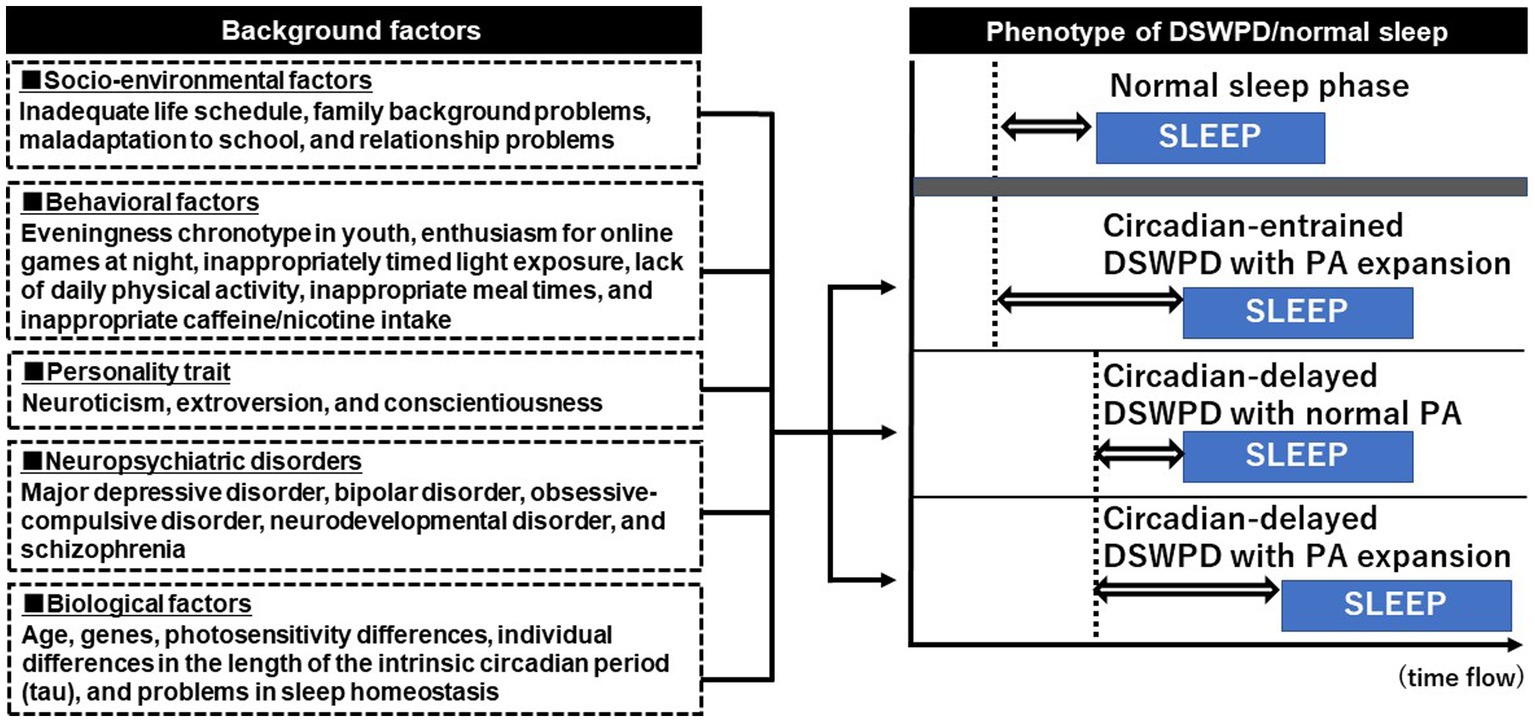
Causes and Risk Factors
The exact causes of delayed sleep onset are not fully understood, but research suggests several factors contribute to its development. These include:
- Genetics: Family history can play a significant role in developing delayed sleep onset.
- Circadian rhythm disorders: Irregularities in the body's internal clock can contribute to delayed sleep onset.
- Light exposure: Prolonged exposure to light, especially blue light from electronic devices, can suppress melatonin production, making it harder to fall asleep.
- Stress and anxiety: High levels of stress and anxiety can lead to difficulties falling asleep.
- Irregular sleep schedule: Consistently going to bed and waking up at different times can confuse the body's internal clock.
Symptoms of Delayed Sleep Onset
Individuals with delayed sleep onset often experience:
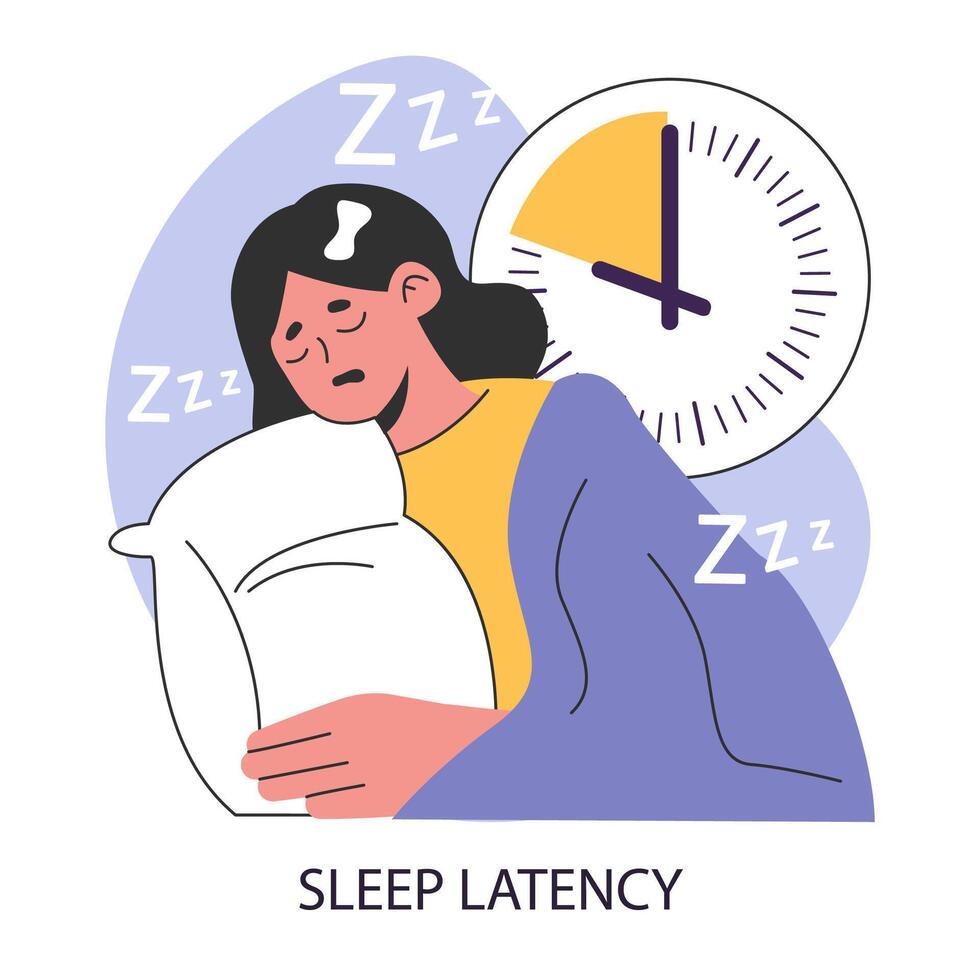
- Difficulty falling asleep at the desired time
- Insomnia, or excessive daytime sleepiness
- Complaints of difficulty waking up at the desired time
- Mood and behavioral issues, such as irritability and decreased productivity
Diagnosis and Treatment
To diagnose delayed sleep onset, a healthcare professional will review your family and medical history, perform a physical exam, and conduct various tests, such as:
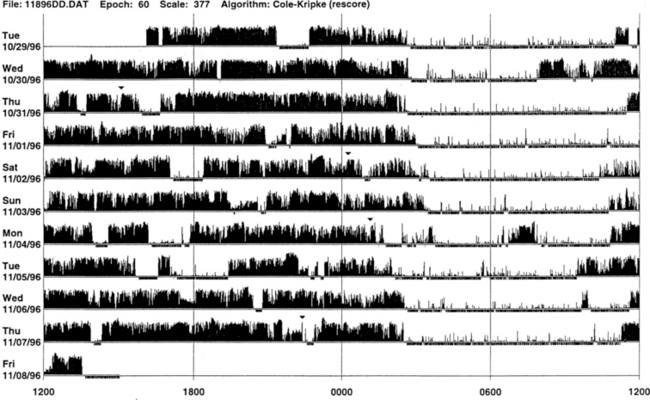
- Sleep diaries or actigraphy to track sleep patterns
- Polysomnography (PSG) to monitor sleep stages and brain wave activity
- Actigraphy to track movement and sleep-wake patterns
Treatment Options
While there's no cure for delayed sleep onset, various treatment options can help manage its effects. These include:
- Chronotherapy: Exposure to bright light, especially in the morning, can help regulate the body's internal clock
- Cognitive behavioral therapy for insomnia (CBT-I): A non-pharmacological approach that helps individuals change their sleep behavior and improve sleep quality
- Medications, such as melatonin and sleep aids, to help regulate sleep patterns
- Bright light therapy: Exposure to bright light, especially in the morning, to regulate the body's internal clock
Conclusion
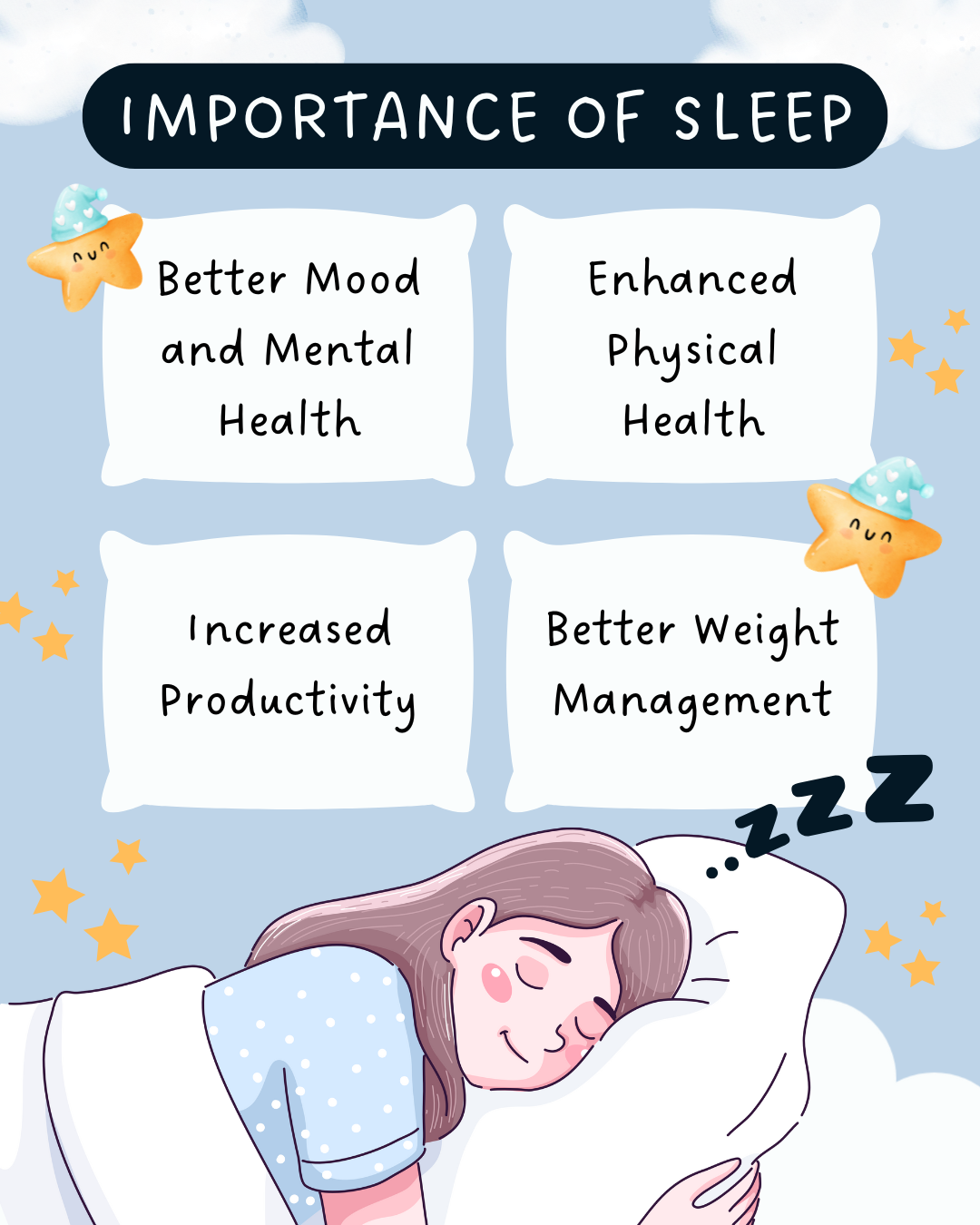
Delayed sleep onset is a common sleep disorder that can significantly impact daily life. By understanding its causes, symptoms, and treatment options, individuals can take the first step towards managing this condition and improving their overall sleep quality. Consult a healthcare professional to determine the best course of action for your specific needs.