Dog Benadryl with Prednisone: A Comprehensive Guide
As a pet owner, it's natural to want to alleviate your dog's discomfort and itching caused by allergies. While there are many over-the-counter and prescription medications available, two of the most commonly used medications for dogs are Benadryl and prednisone. In this article, we'll delve into the world of dog Benadryl with prednisone, exploring their safety, benefits, and potential side effects.
The Basics: Benadryl and Prednisone for Dogs
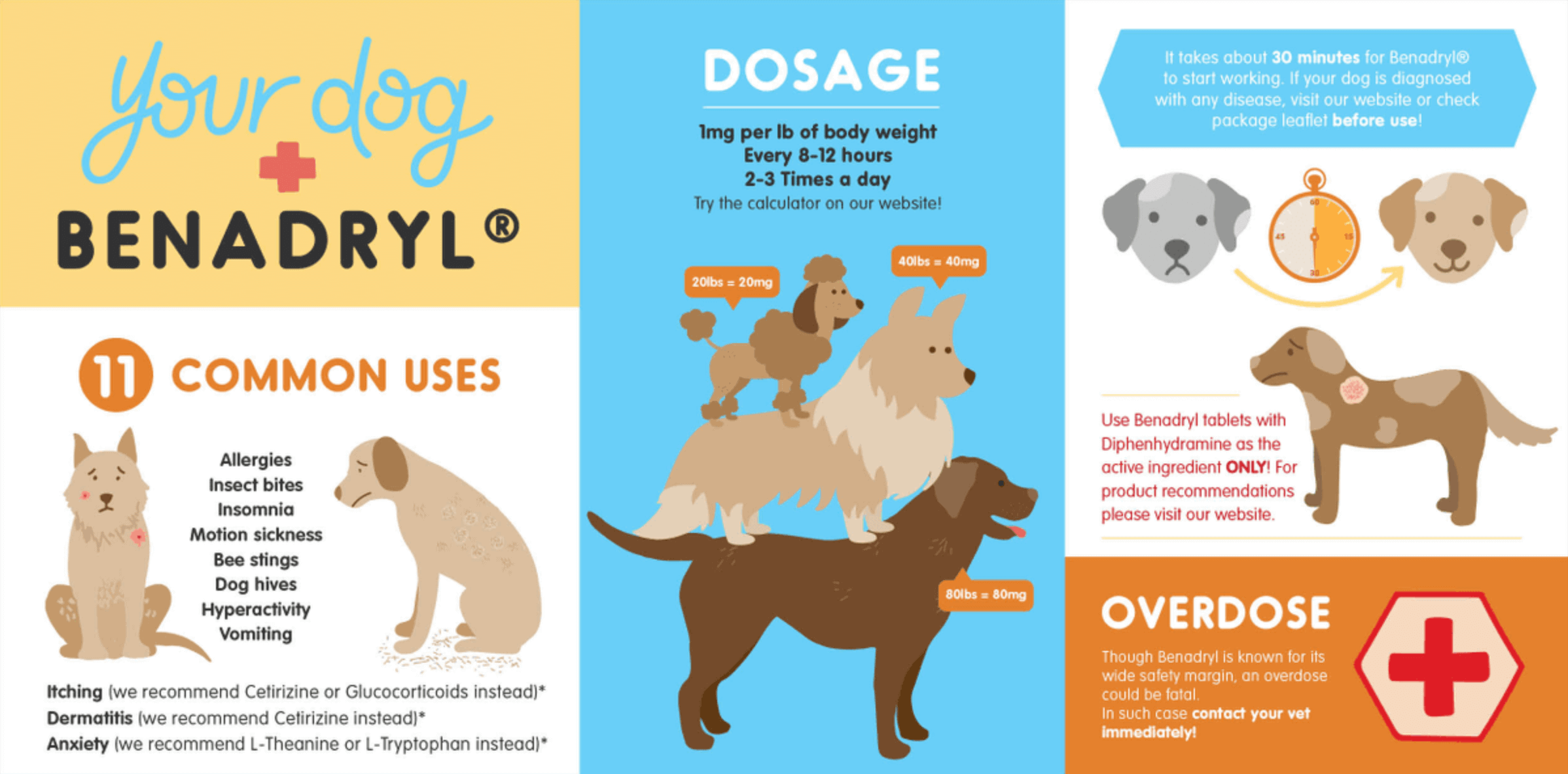
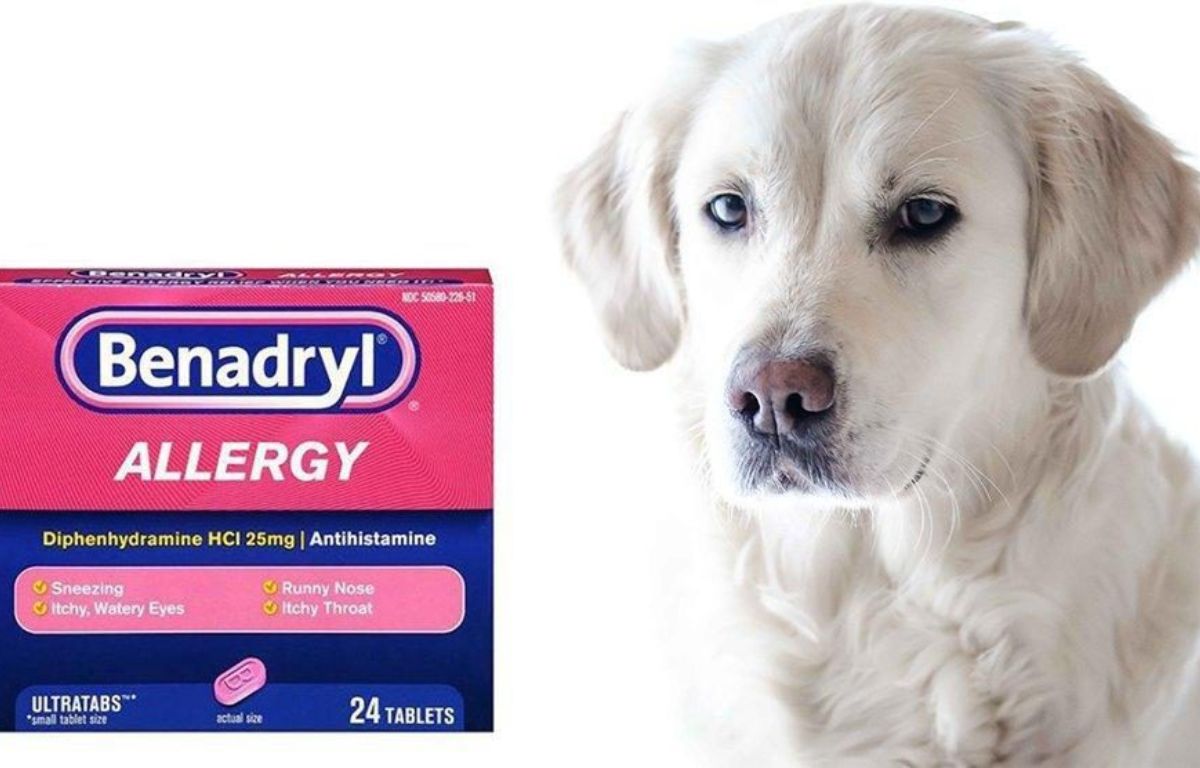
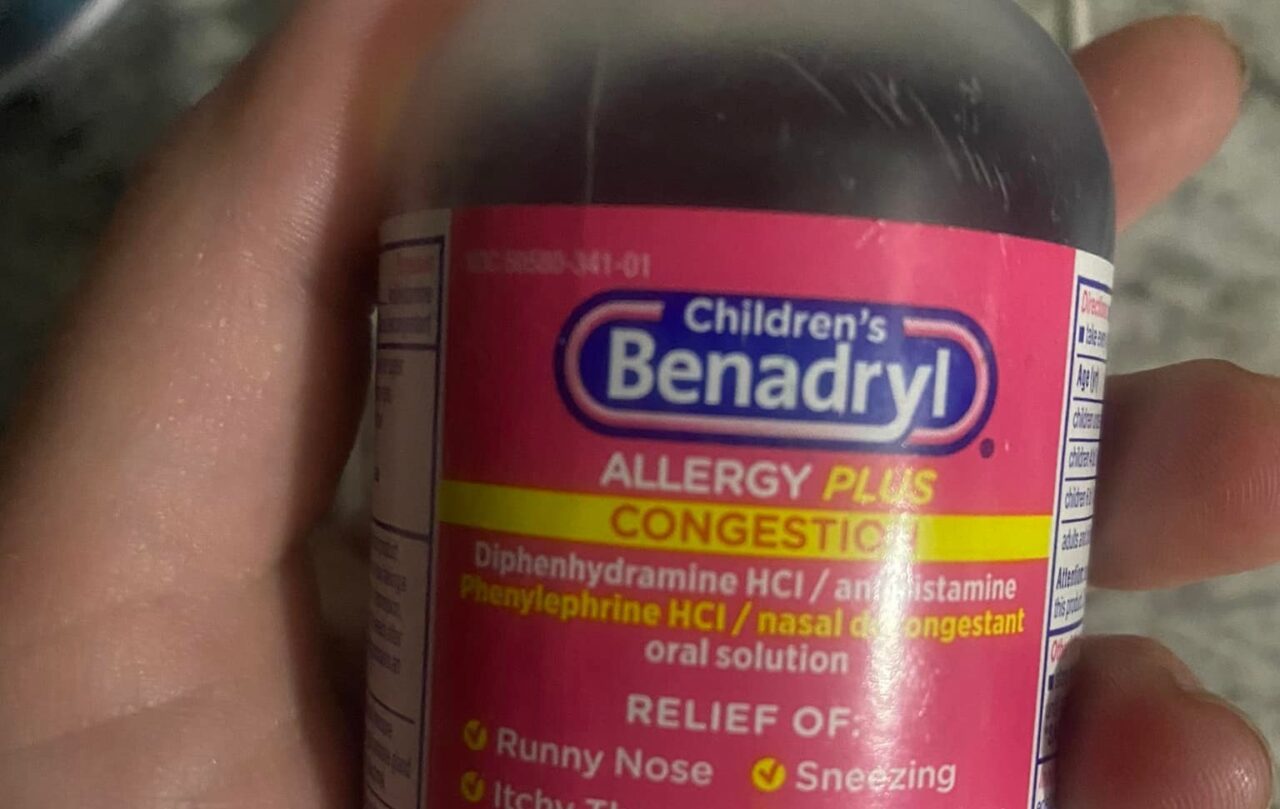
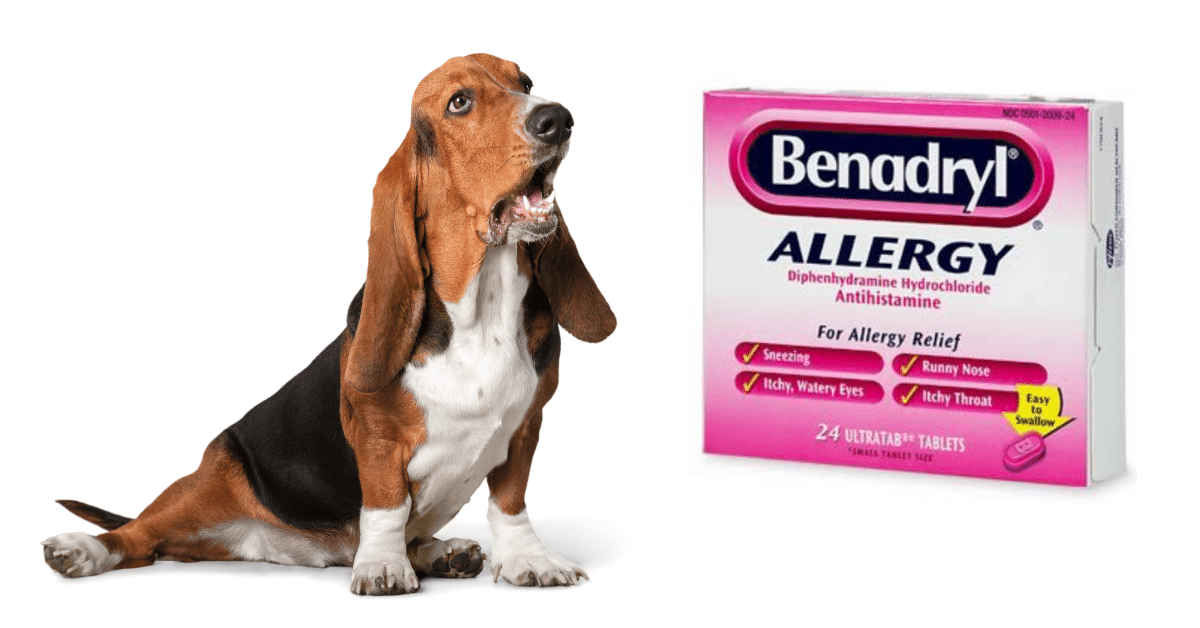
Benadryl, also known as diphenhydramine, is an antihistamine commonly used to relieve itching, sneezing, and other allergy symptoms in dogs. On the other hand, prednisone is a corticosteroid that reduces inflammation and suppresses the immune system in dogs. While both medications can be beneficial in managing allergies, they work in different ways and have distinct effects on your dog's body.
Is it Safe to Give My Dog Benadryl with Prednisone?
Yes, it is generally considered safe to give your dog Benadryl with prednisone under the guidance of a veterinarian. These medications work in different ways to control symptoms of allergies and other conditions, and their effects can complement each other. However, it's essential to consult with your vet before combining these medications, as they may interact with each other or exacerbate any underlying health conditions.
Benefits of Combining Benadryl and Prednisone for Dogs
When used together, Benadryl and prednisone can provide a more comprehensive approach to managing allergies in dogs. Benadryl can help alleviate itching and hives, while prednisone can reduce inflammation and suppress the immune system. This combination can lead to improved symptoms and a better quality of life for your dog.
How to Administer Benadryl and Prednisone to Your Dog
When giving your dog Benadryl and prednisone, follow these general guidelines:
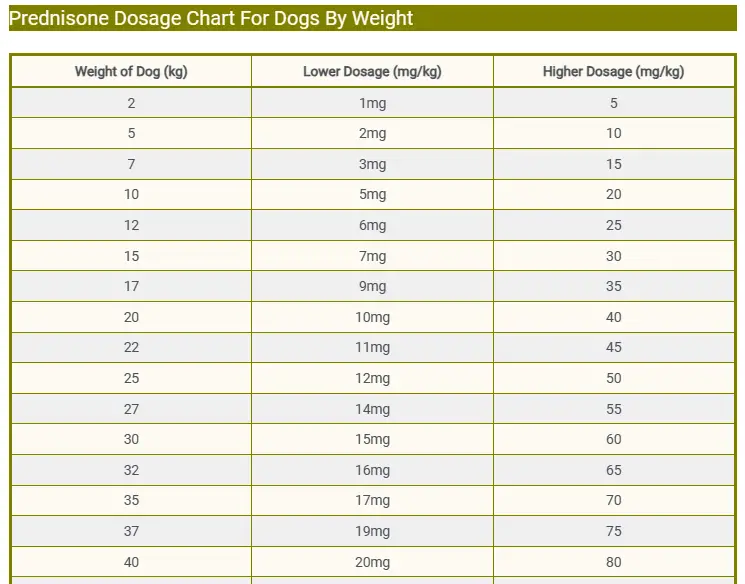
- Consult with your veterinarian to determine the correct dosage and administration schedule for your dog.
- Follow the recommended dosage instructions carefully to avoid over-medication or under-medication.
- Monitor your dog's behavior, appetite, and overall health while taking Benadryl and prednisone.
- Report any adverse reactions or changes in your dog's condition to your veterinarian immediately.
Side Effects and Precautions
While generally considered safe, Benadryl and prednisone can have potential side effects, especially when used together. Some common side effects include:
- Sedation or lethargy
- Increased thirst and urination
- Appetite suppression
- Weight gain
- Nausea and vomiting
- Dermatological reactions, such as skin lesions or hair loss
Inform your veterinarian about any underlying health conditions, medications, or allergies your dog may have before starting Benadryl and prednisone treatment.
Alternatives to Benadryl and Prednisone
While Benadryl and prednisone are effective medications for managing allergies in dogs, there are alternative treatments available, such as:
- Corticosteroid creams or ointments
- Antihistamine injections or implants
- Immunotherapy (allergy shots)
- Natural remedies, such as omega-3 fatty acids and probiotics
Consult with your veterinarian to determine the best treatment option for your dog's specific needs.
Conclusion
Dog Benadryl with prednisone can be a safe and effective combination for managing allergies in dogs, but it's essential to consult with your veterinarian before starting treatment. By understanding the benefits, side effects, and administration guidelines for these medications, you can make informed decisions about your dog's healthcare and ensure their optimal well-being.