Protecting Personal Login Credentials: A Comprehensive Guide
As we increasingly rely on digital accounts for various aspects of our lives, it's crucial to prioritize protecting our personal login credentials. A majority of account take-overs start with weak or compromised passwords, making it essential to follow protective measures when creating passwords to safeguard your digital identity and accounts from malicious actors.
The Importance of Protecting Personal Login Credentials
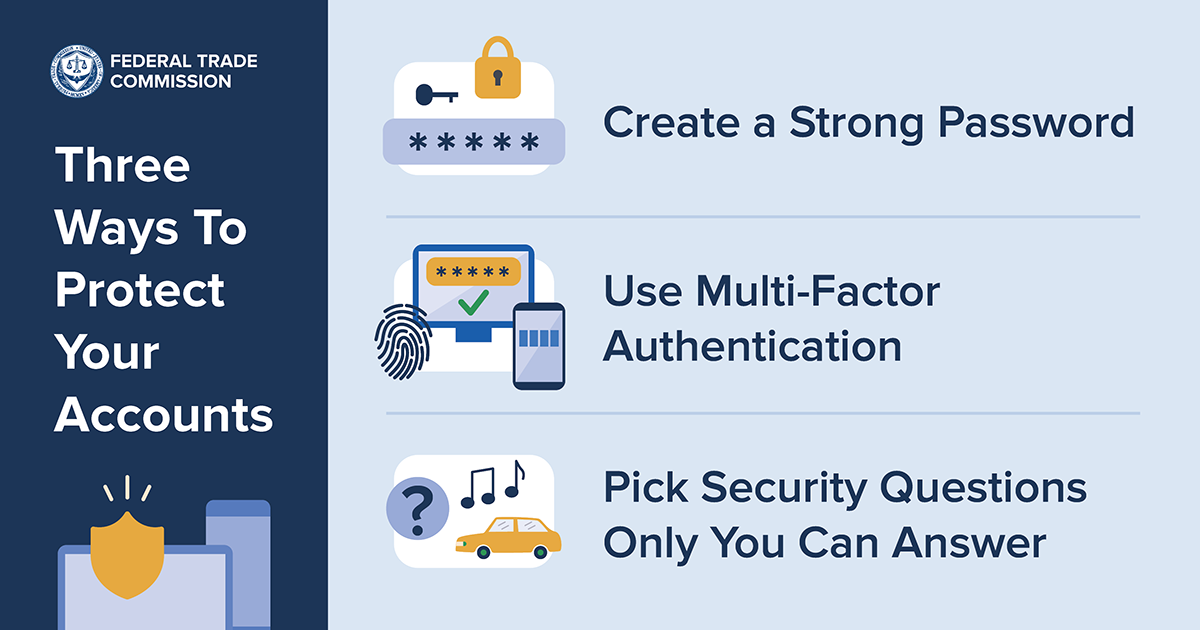
- Strong password security starts with creating a unique and complex password that meets the Secret Service's recommended standards of being at least 12 characters long, including uppercase and lowercase letters, numbers, and special characters.
- Two-factor authentication (2FA) or multi-factor authentication (MFA) is a critical step in securing your online accounts, which adds an additional layer of security by requiring a second form of verification, such as a fingerprint or a one-time code sent via email or SMS.
- Regularly reviewing and updating your login credentials is essential to protect against compromised passwords, phishing scams, and unauthorized access to your accounts.
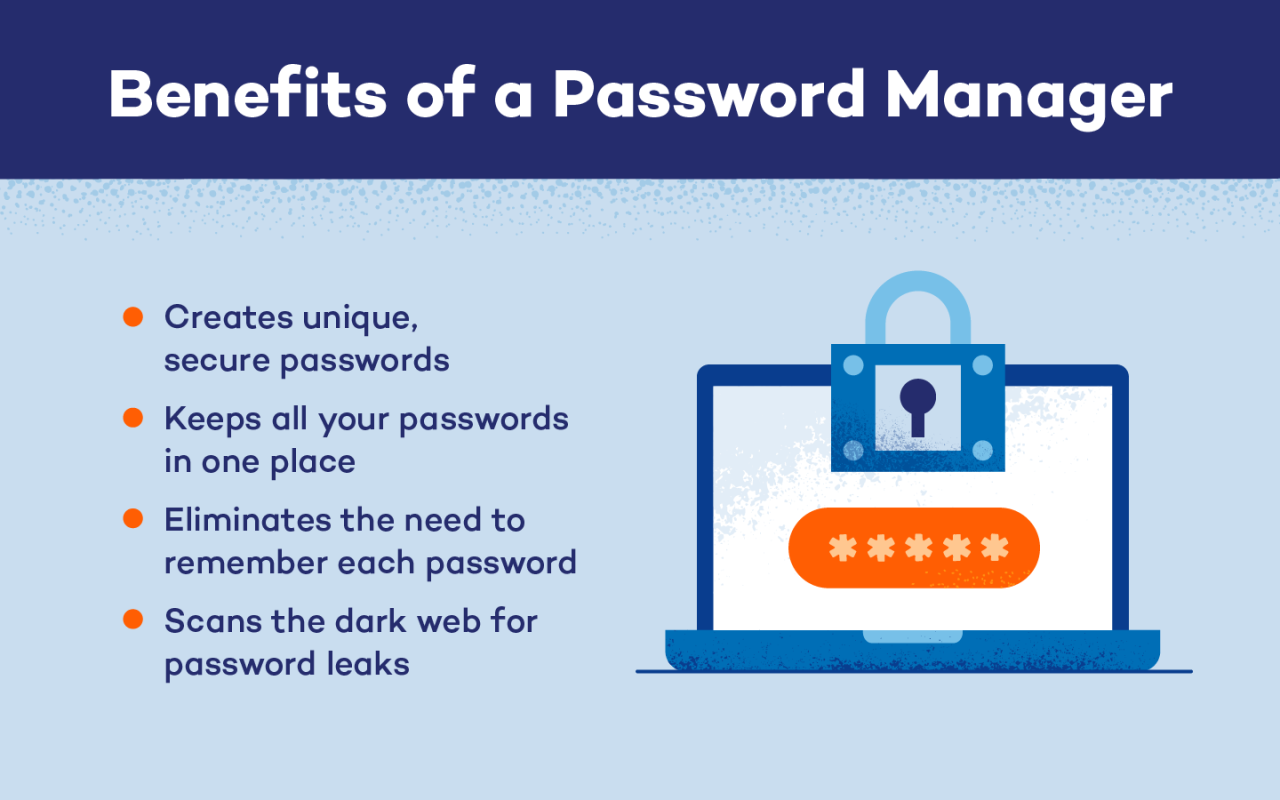
- Using a password manager can help generate and store unique, complex passwords for each account, reducing the risk of password-related security breaches.
- Monitoring your account activity and notifications from your online services can help detect any suspicious activity and alert you to potential security threats.

Best Practices for Protecting Personal Login Credentials
- Use a password manager to securely store and generate complex passwords for each online account.
- Enable two-factor authentication (2FA) or multi-factor authentication (MFA) for added security.
- Monitor your account activity and notifications from online services to detect suspicious activity.
- Use a VPN to protect your online privacy and security when accessing public Wi-Fi networks.
- Regularly review and update your login credentials to prevent password-related security breaches.
- Use strong authentication methods, such as biometric data or a code sent via email or SMS, to add an additional layer of security.
Phishing Protection and Wi-Fi Security
Sometimes, emails contain links to spoofed login pages or malicious websites that can capture your credentials or install malicious code on your system. It's essential to identify and protect yourself from such phishing scams by using a reputable anti-virus software and being cautious when clicking on links or downloading attachments from unknown sources.
- Be cautious when clicking on links or downloading attachments from unknown sources.
- Use a reputable anti-virus software to protect against malware and viruses.
- Use a VPN to encrypt your online traffic and protect your personal data while accessing public Wi-Fi networks.
- Regularly update your password manager and operating system to ensure you have the latest security patches and updates.
Advanced Strategies for Protecting Personal Login Credentials
In today's digital age, it's essential to take every precaution to protect your login credentials and personal information from cyber threats. Learning how to prevent compromised credentials and protect your digital identity can help safeguard your online accounts and personal data.
- Use a password generator to create unique and complex passwords for each account.
- Implement a zero-knowledge proof authentication system to ensure only authorized parties can access sensitive information.
- Enable a login continuation feature to add an additional layer of security when accessing your online accounts.
- Regularly review and update your account settings to ensure you're using the latest security features.
Conclusion
Protecting your personal login credentials is a critical step in safeguarding your digital identity and accounts from cyber threats. By following the best practices outlined in this guide, you can minimize the risk of compromised passwords, phishing scams, and unauthorized access to your accounts.
Final Tips
Remember, it's always better to err on the side of caution when it comes to protecting your login credentials. Take the time to secure your accounts and protect your personal information to avoid falling victim to cybercrime.