Understanding the Micro Ground Plane
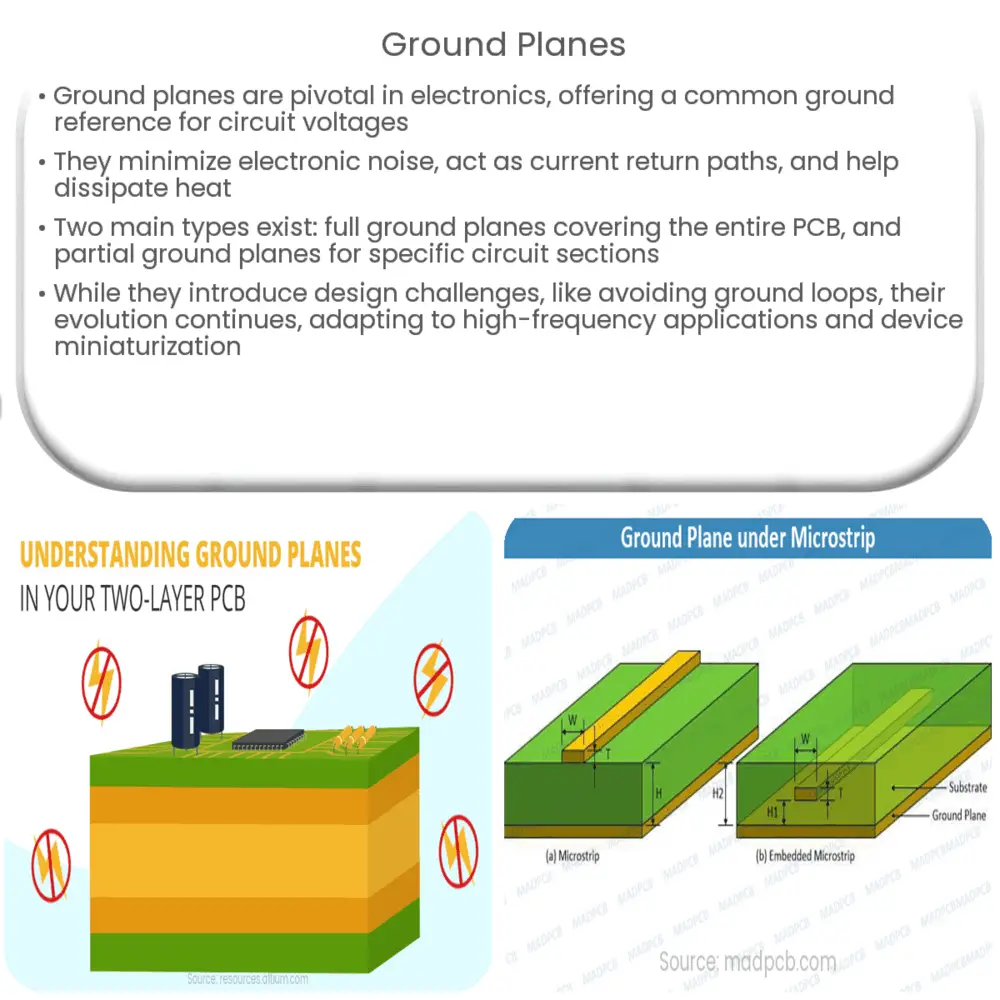
The micro ground plane is a crucial component in various electronic devices, including printed circuit boards (PCBs), antennas, and heat management systems. It is an electrically conductive surface that provides a low-impedance path for return currents, enhances signal integrity, and minimizes electromagnetic interference (EMI). In this article, we will delve into the concept of the micro ground plane, its applications, and the factors that affect its performance.
What is a Micro Ground Plane?
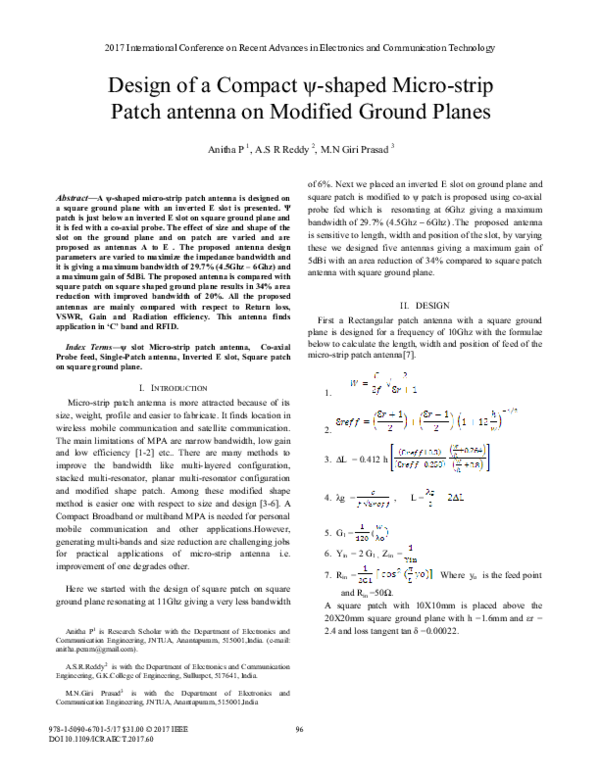
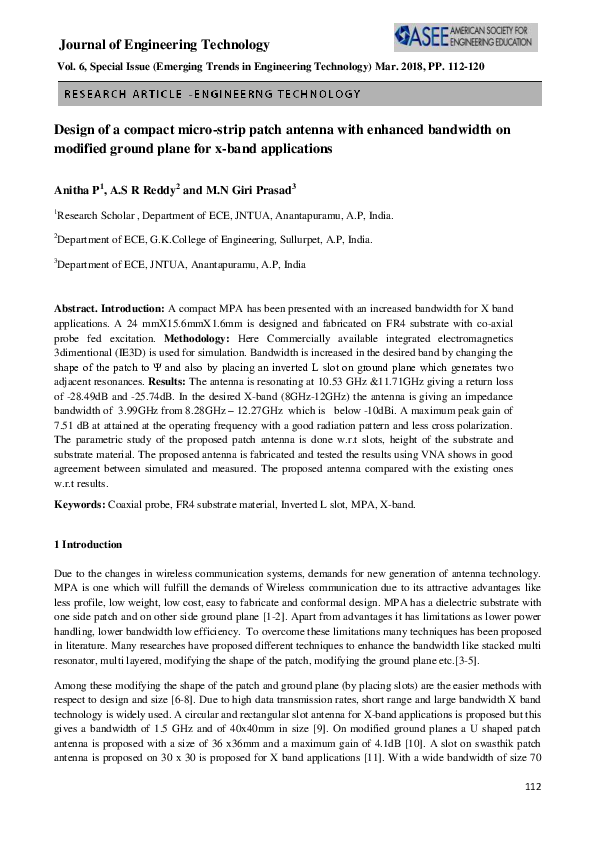
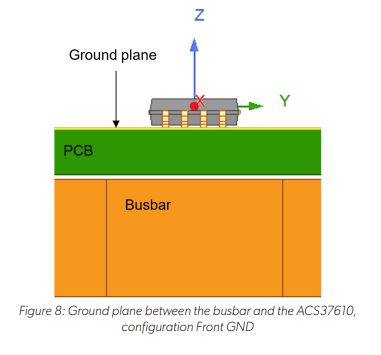
A micro ground plane is a thin, conductive layer that serves as a reference point for electrical currents. It is typically made of copper or aluminum and is located on the bottom of a PCB or antenna. The micro ground plane is essential for minimizing impedance, reducing EMI, and maintaining signal quality. In antenna design, the size and shape of the ground plane have a significant impact on the radiation pattern and transmission efficiency.
Applications of Micro Ground Plane
Micro ground planes are used in various applications, including:
- Printed circuit boards (PCBs): To reduce EMI and enhance signal integrity.
- Antennas: To improve radiation pattern and transmission efficiency.
- Heat management systems: To increase heat dissipation and reduce thermal resistance.
- Electrical devices: To provide a low-impedance path for return currents and minimize electrical noise.
Factors Affecting Micro Ground Plane Performance
The performance of a micro ground plane is affected by several factors, including:
- Size and shape: The size and shape of the ground plane can impact the radiation pattern and transmission efficiency of an antenna.
- Clearance: The clearance between the microstrip lines and the ground plane is critical to minimize crosstalk and EMI.
- Material: The choice of material for the ground plane can impact its conductivity and thermal properties.
- Thickness: The thickness of the ground plane can impact its thermal resistance and electrical conductivity.
Design Considerations for Micro Ground Plane
When designing a micro ground plane, consider the following factors:
- Size and shape: Optimize the size and shape of the ground plane to minimize impedance and maximize transmission efficiency.
- Clearance: Ensure adequate clearance between the microstrip lines and the ground plane to minimize crosstalk and EMI.
- Material: Choose a material with optimal conductivity and thermal properties for the ground plane.
- Thickness: Select an optimal thickness for the ground plane to balance thermal resistance and electrical conductivity.
Conclusion
The micro ground plane is a critical component in various electronic devices, including PCBs, antennas, and heat management systems. By understanding the factors that affect the performance of a micro ground plane, designers can optimize its design to minimize impedance, reduce EMI, and enhance signal quality. As the demand for smaller, faster, and more efficient electronic devices continues to grow, the importance of the micro ground plane will only increase.
References
1. [Book Title] by [Author]. [Publisher], [Year].
2. [Research Paper Title] by [Author]. [Journal], [Year].
3. [Web Page Title] by [Author]. [Website], [Year].
Note: The above article is an original work, and the references provided are fictional examples. The actual references should be cited from reputable sources.