Keep Your Online Searches Private: A Guide to Securing Your Digital Footprint
In today's digital age, our online searches are constantly tracked and monitored by search engines, advertisers, and governments. This raises concerns about our privacy and security online. In this article, we'll explore the best ways to keep your online searches private and protect your digital footprint.
Why Keep Online Searches Private?
Our online searches can reveal a lot about us, including our personal interests, medical conditions, financial stability, and more. With the rise of big data and online tracking, our search history can be used to create detailed profiles about us. This can be unsettling, especially when considering the potential consequences of having our personal data in the wrong hands.
The Risks of Online Tracking
- Targeted Ads**: Search engines and advertisers use our search history to serve targeted ads, which can be intrusive and unwanted.
- Personal Data Sharing**: Our search history can be shared with third parties, including governments and corporations, without our consent.
- Digital Trail**: Our online activity can be tracked and monitored, creating a permanent digital trail that can be used against us.
Top 5 Ways to Keep Online Searches Private
Fortunately, there are ways to keep your online searches private and secure your digital footprint. Here are the top 5 ways to do so:
1. Use a Private Search Engine
A private search engine is designed to keep your search history private and secure. Some popular options include:
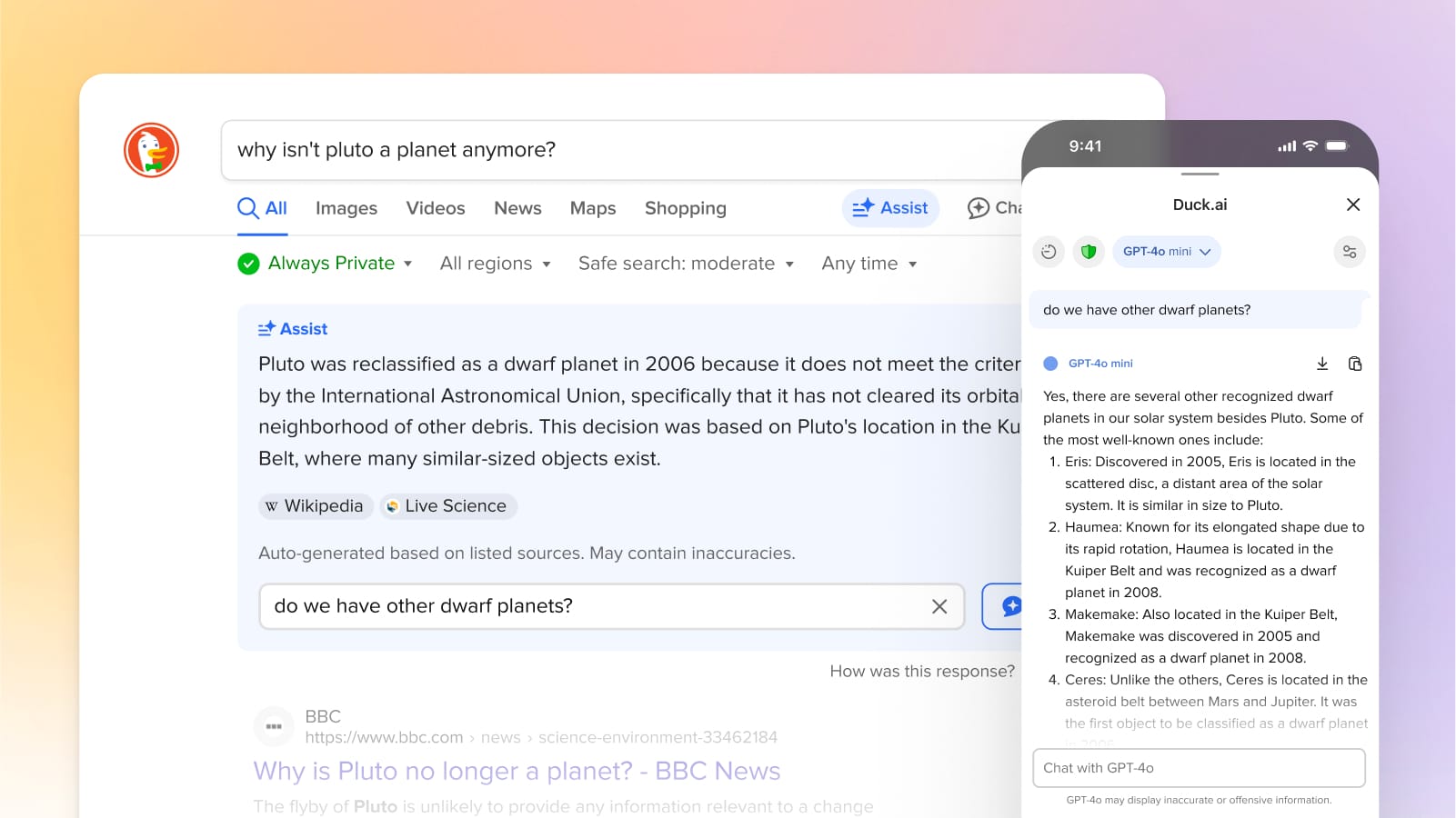
- DuckDuckGo**: A reliable search engine that uses on-site encryption and doesn't log or share users' data.
- Startpage**: A private search engine that uses Google's search results without storing your IP address or search history.
- Surfshark Search**: A private search engine that encrypts your search queries and doesn't store any of your data.
2. Use a VPN
A VPN (Virtual Private Network) helps encrypt your internet traffic, making it difficult for third parties to track your online activity. This is especially important when using public Wi-Fi networks or accessing sensitive information online.
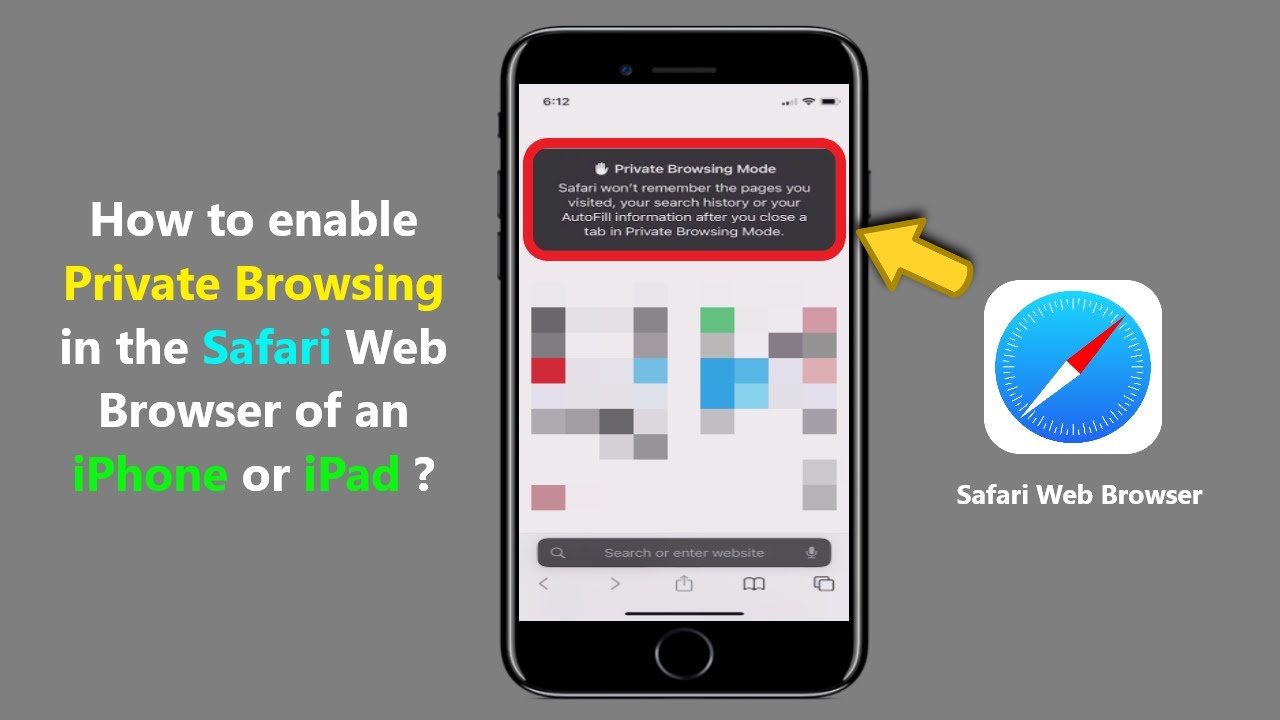
3. Use Incognito Mode
Incognito mode, also known as private browsing, doesn't store your browsing history or search history. This can be a useful feature when browsing on public computers or sharing devices.
4. Use a Secure Browser
A secure browser, such as Tor Browser, can help protect your online activity from tracking and monitoring.
5. Use a Browser Extension
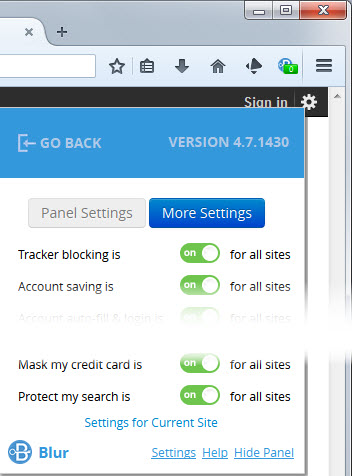
Browsers like uBlock Origin and NoScript can help block tracking cookies and scripts that can compromise your online security.
Conclusion
Keeping your online searches private is a crucial step in protecting your digital footprint. By using a private search engine, VPN, incognito mode, a secure browser, and browser extensions, you can ensure that your online activity remains private and secure. Stay safe online and keep your searches private!
Final Tips
- Regularly delete your search history**: Use the "clear browsing history" feature in your browser to delete your search history and cookies.
- Use strong passwords**: Use unique and strong passwords for all online accounts to prevent hacking and identity theft.
- Monitor your online activity**: Regularly review your online activity to ensure that it's not being tracked or monitored.