How to Identify Bed Bugs: A Comprehensive Guide
Identifying bed bugs can be a challenging task, especially if you're not familiar with their appearance or habits. However, knowing the signs of bed bug infestations can help you take swift action to eliminate them and prevent further problems.
Understanding the Basics of Bed Bugs
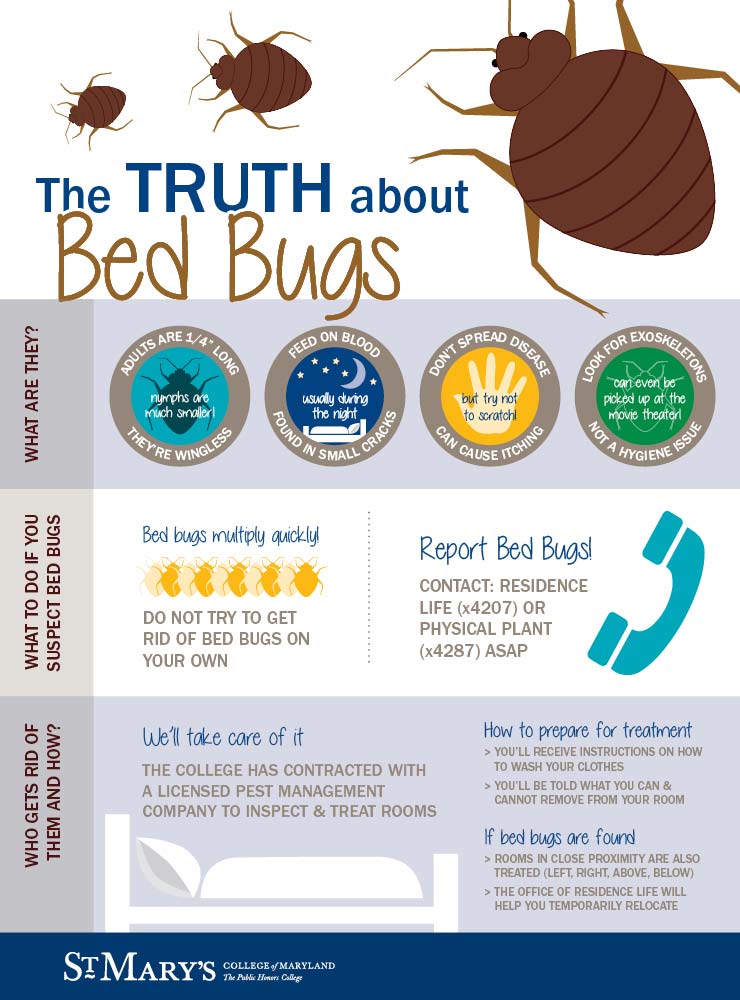
Bed bugs are small, parasitic insects that feed on the blood of humans or animals. They are experts at hiding in small spaces, making detection and removal challenging. Bed bugs don't transmit diseases, but their bites can cause itching, discomfort, and allergic reactions.
Physical Characteristics of Bed Bugs
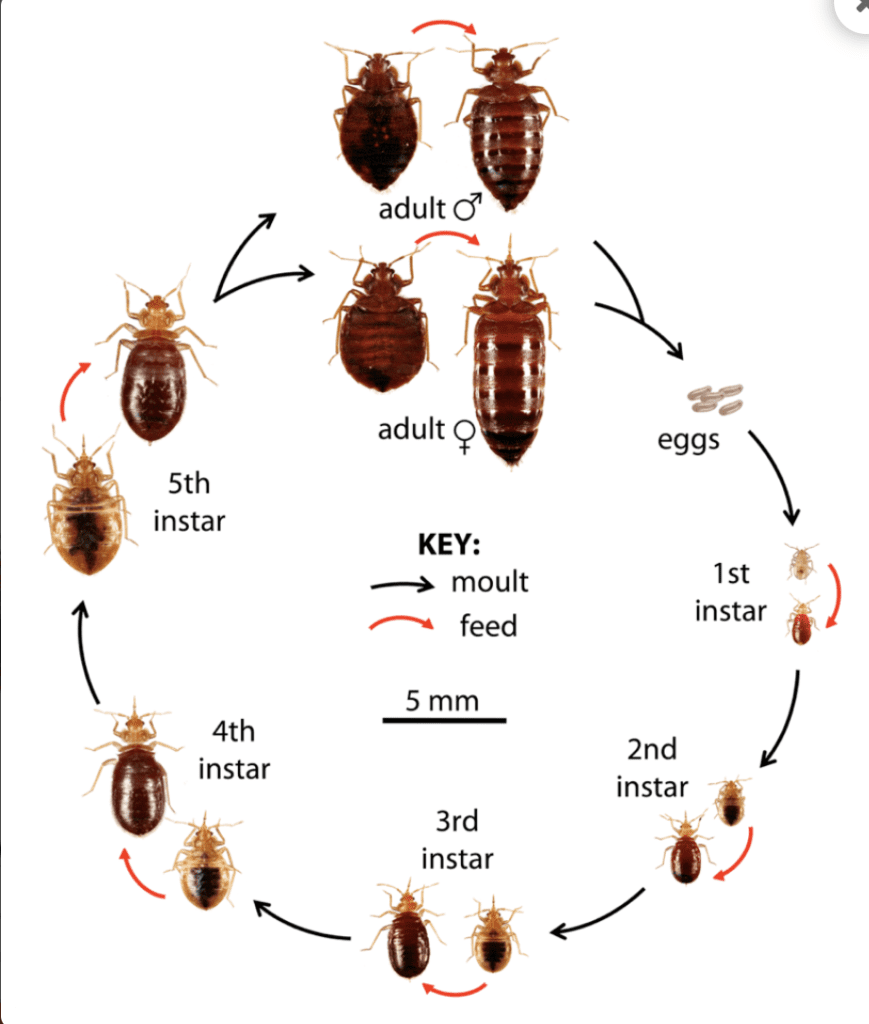
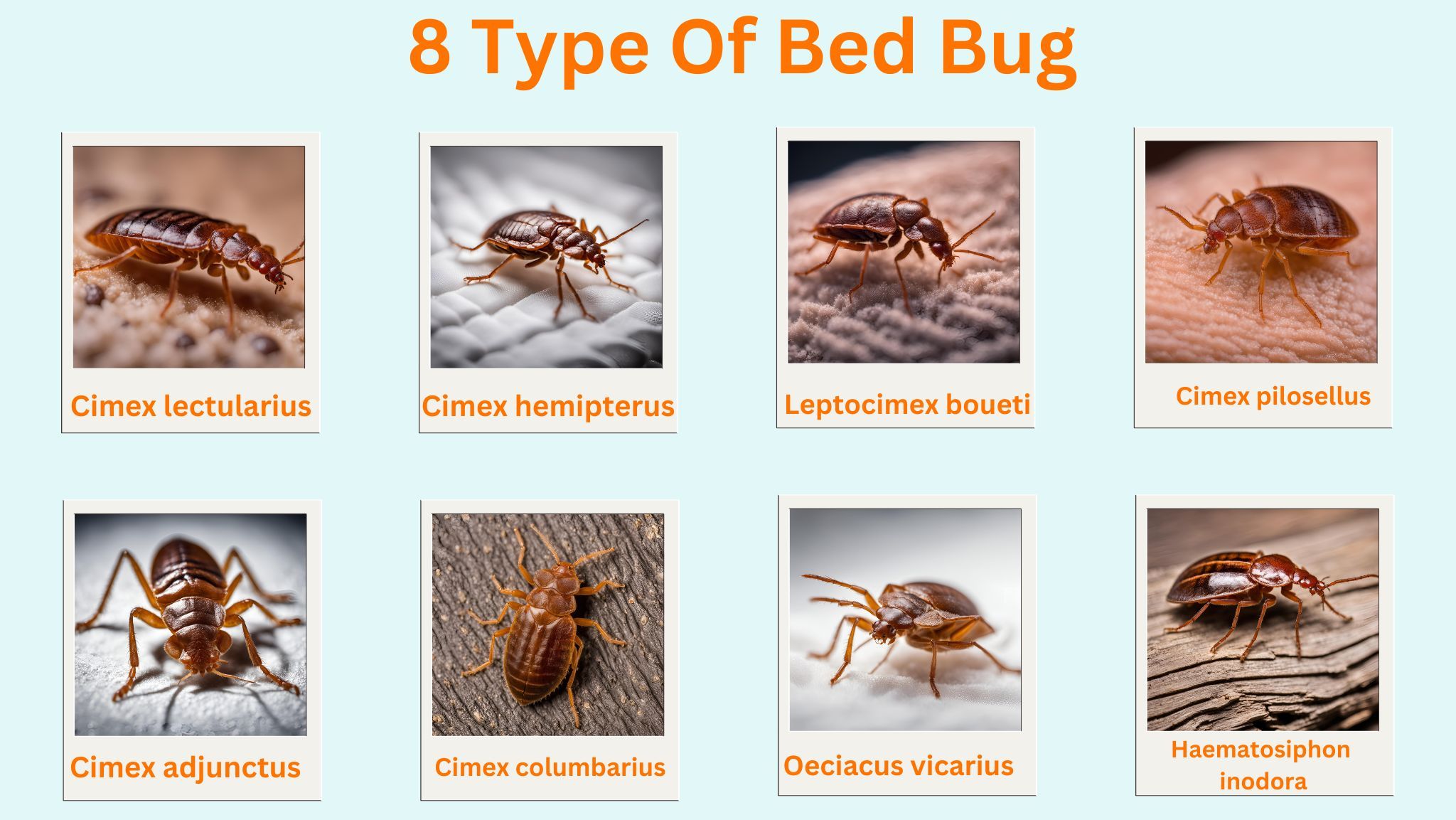
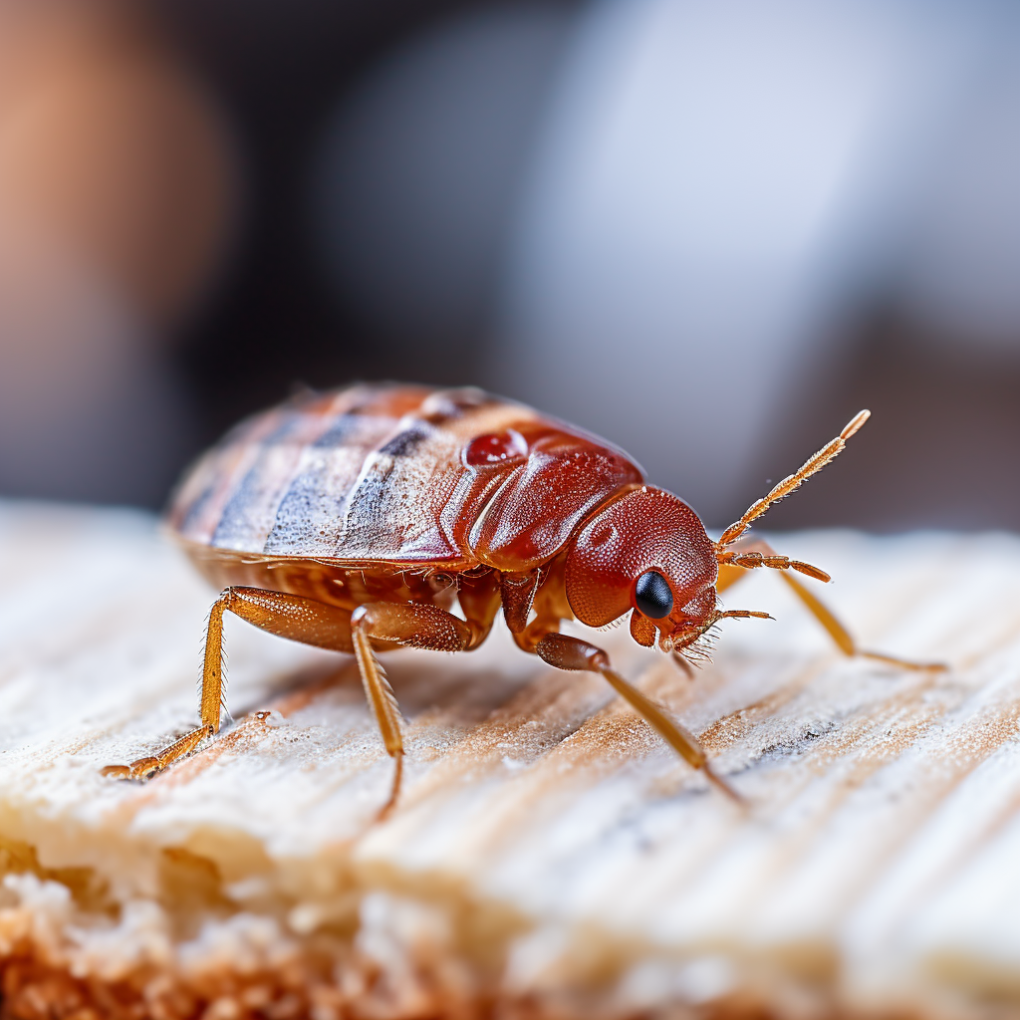
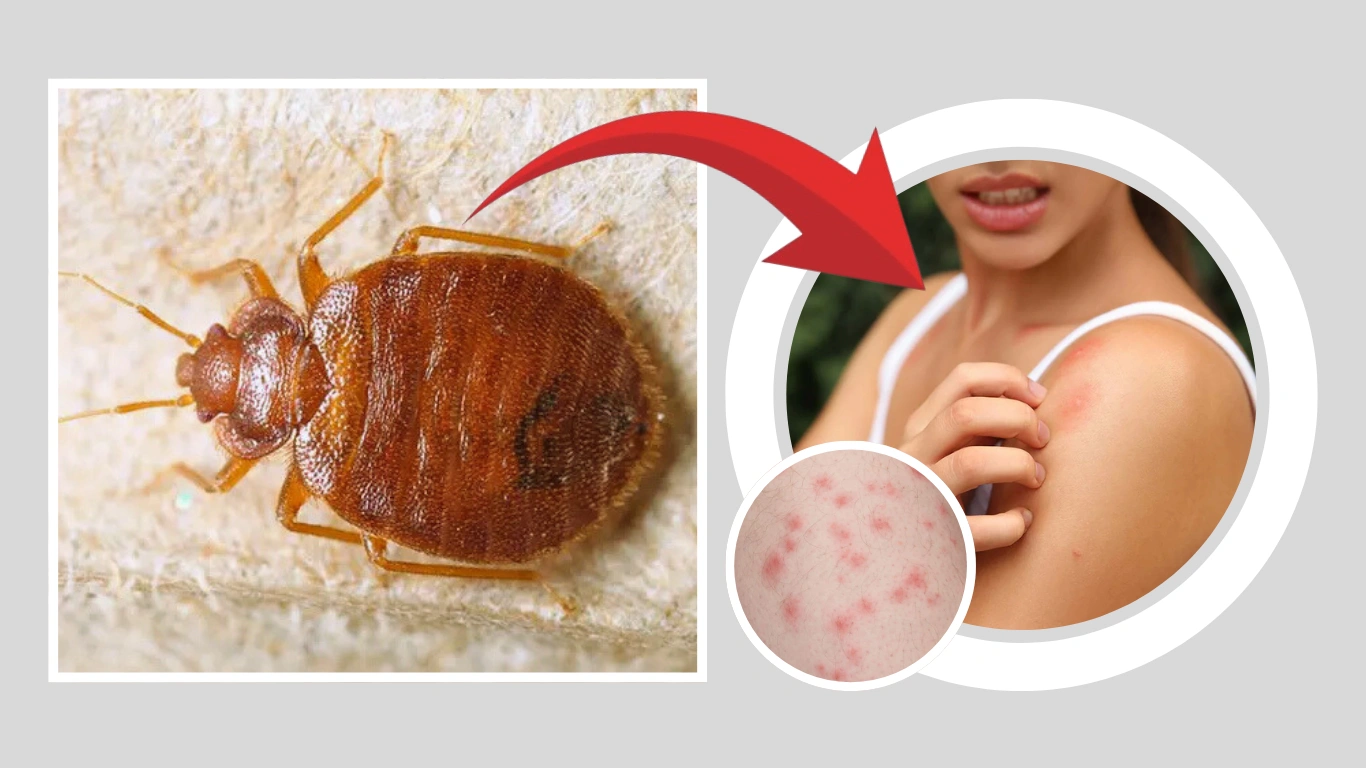
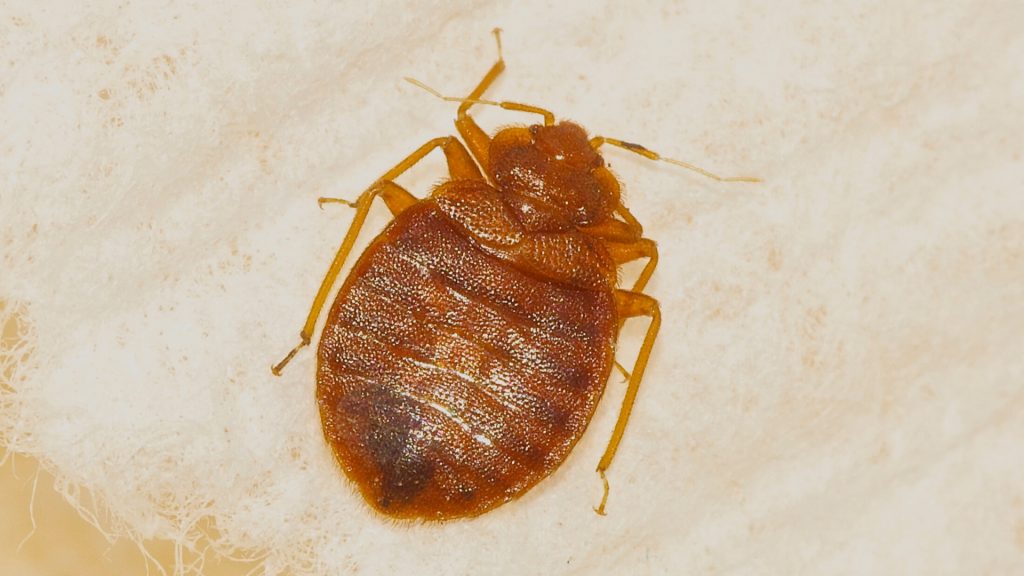
Adult bed bugs are about 5-7 mm long, reddish-brown, and flat, oval-shaped. They have six legs and a distinct head, thorax, and abdomen. Bed bug eggs are tiny, white, and oval, often found in cracks and crevices. It's essential to understand the physical characteristics of bed bugs to identify them correctly.
Signs of Bed Bug Infestation
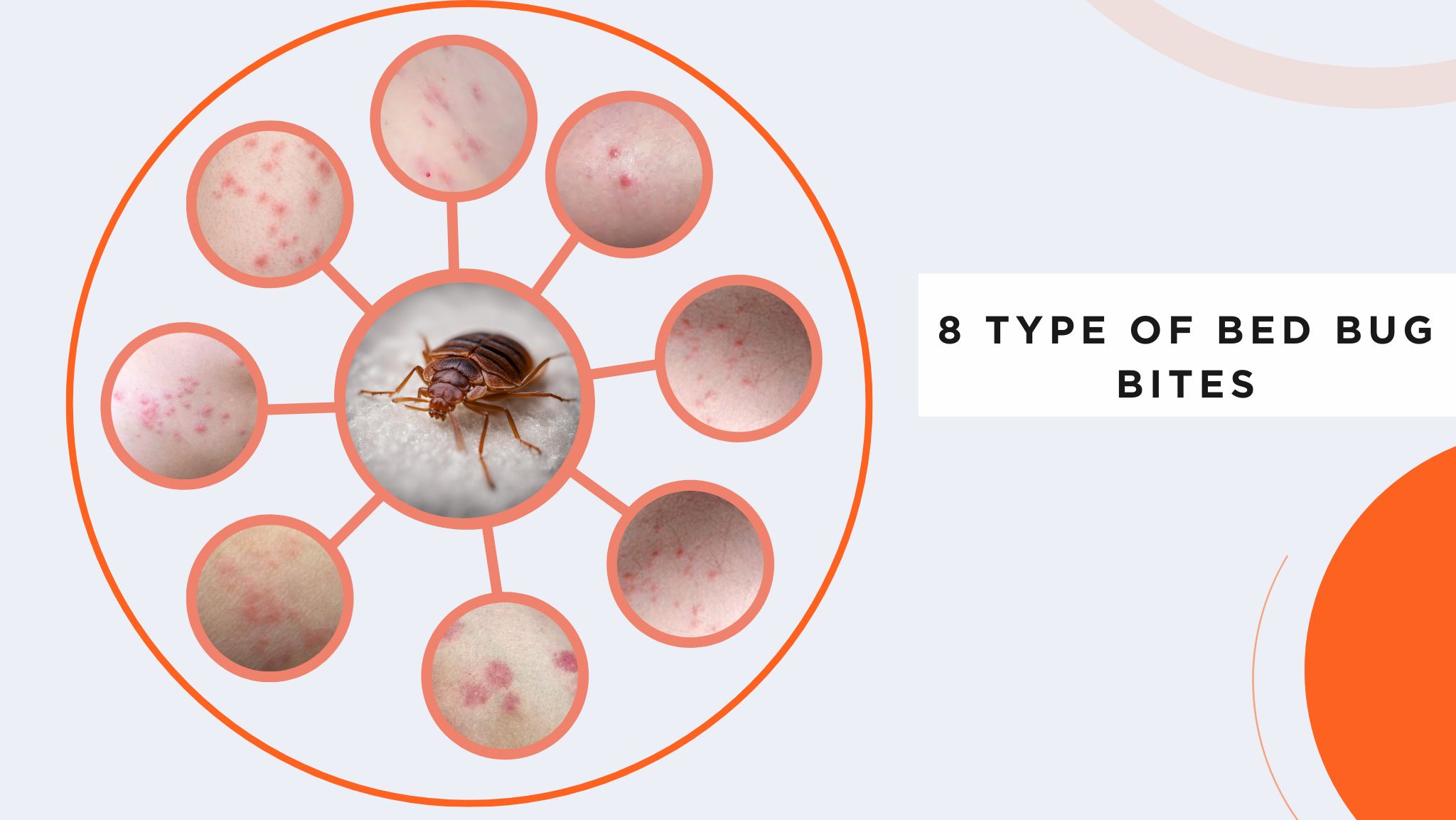
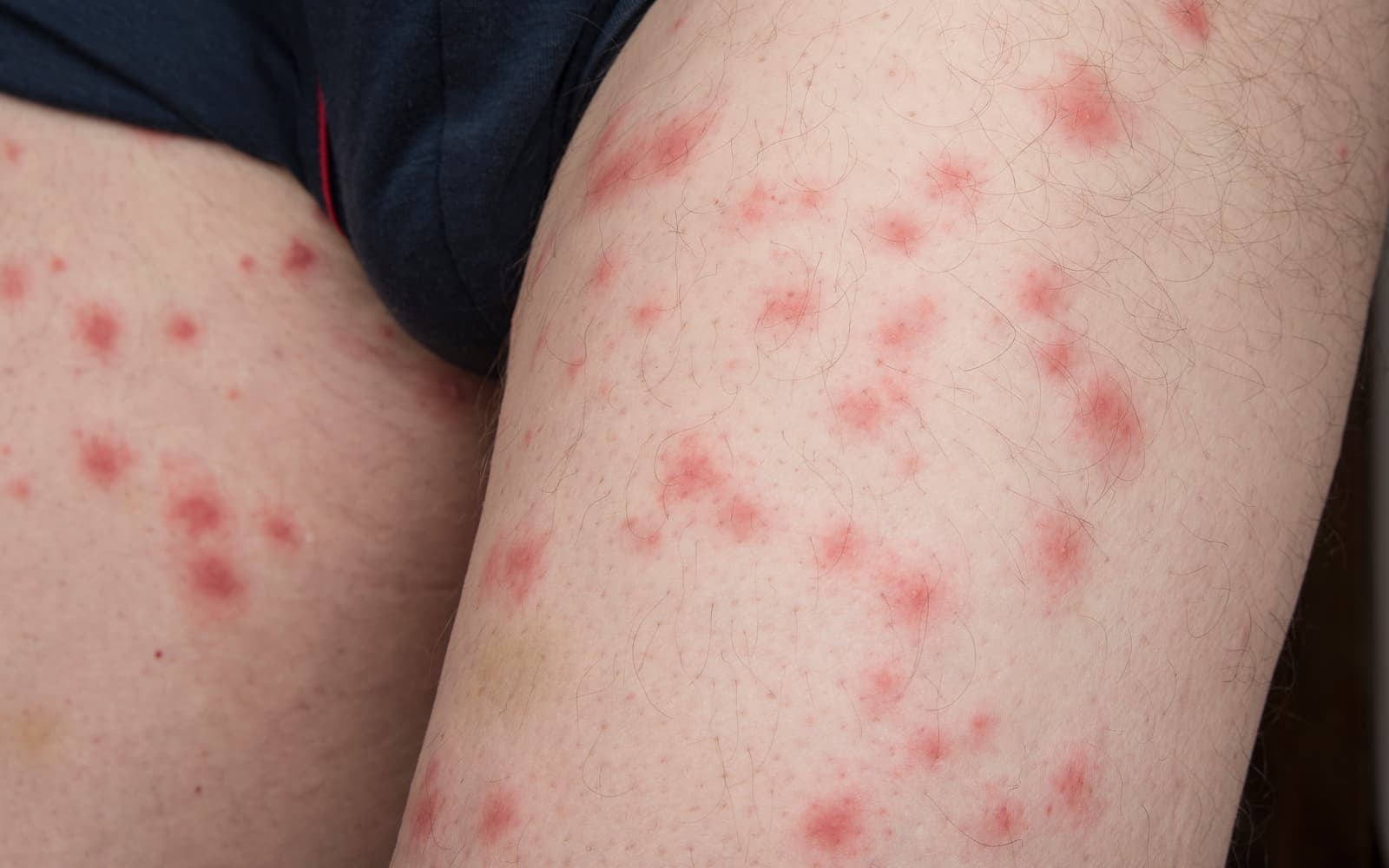
- Bites and Skin Reactions: One of the most noticeable signs is the appearance of itchy, red bites on the skin. Bed bugs can cause a range of skin reactions, from small areas of redness to prominent blisters.
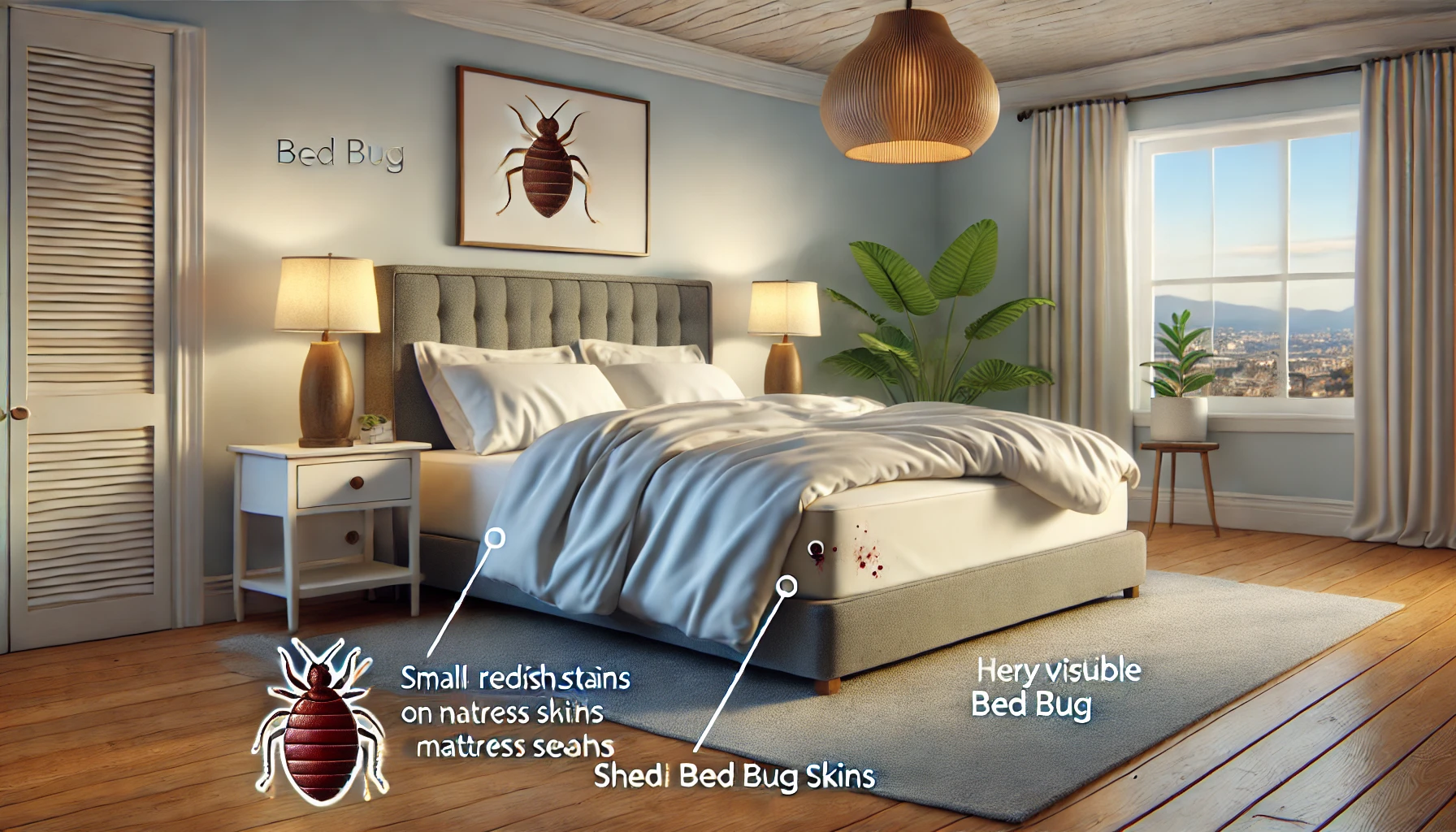
- Rusty or Reddish Stains: Bed bugs can leave behind rusty or reddish stains on bed sheets, mattresses, or walls. These stains are caused by the bed bugs' distinctive blood-filled spit.
- Dark Spots: Bed bugs can also leave behind dark spots or spots with a reddish hue on surfaces where they have been feeding. These spots are a sign of bed bug activity and can indicate the presence of an infestation.
- Bug Shed Skins: Bed bugs shed their skins periodically as they grow, leaving behind small, translucent shells that resemble bed bug skins.
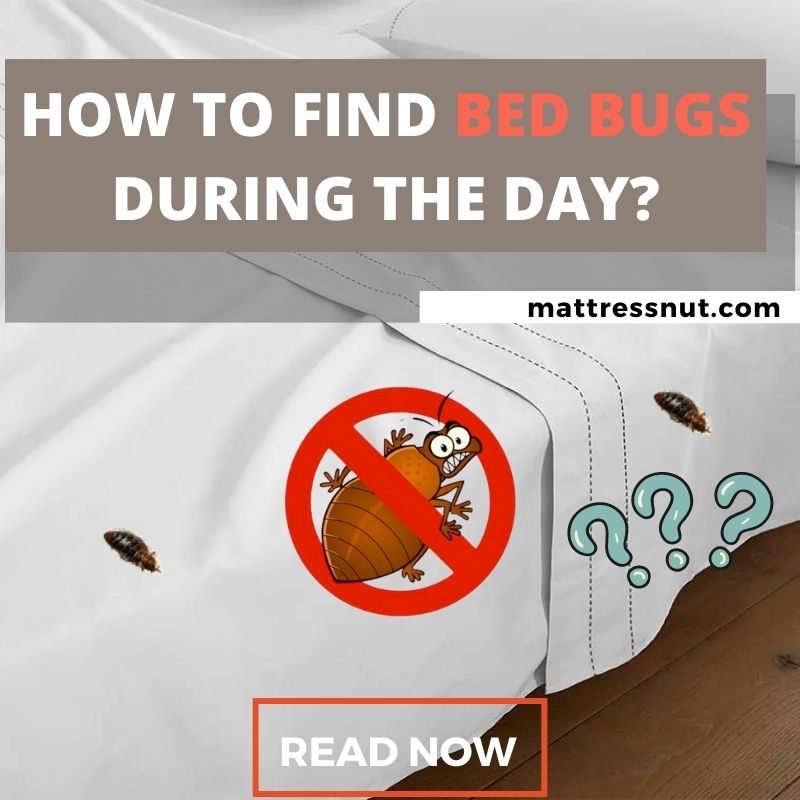
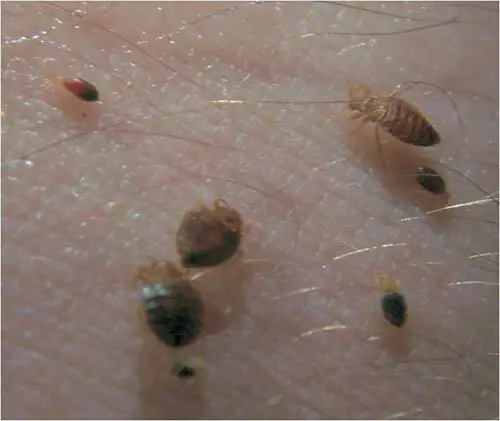
- Live Bugs: Inspect your mattress, bedding, and surrounding areas for live bed bugs. They can be found in cracks and crevices, seams, and tags of the mattress and box spring.

How to Identify Bed Bugs in Your Home
Identifying bed bugs in your home requires a thorough inspection of sleeping areas, furniture seams, and cracks where they may hide. Look for the signs mentioned above, and inspect areas near the piping, seams, and tags of the mattress and box spring.
Prevention is Key
Preventing bed bug infestations is easier than treating them. Here are some tips to help you prevent bed bugs:
- Regularly Inspect Your Home: Regularly inspect your home, especially areas where bed bugs are known to hide, for signs of bed bug activity.
- Use Bed Bug-Resistant Mattresses and Box Springs: Consider using bed bug-resistant mattresses and box springs to reduce the risk of infestation.
- Keep Your Home Clean: Keep your home clean and clutter-free to reduce the likelihood of bed bugs hiding in crevices and cracks.
- Wash Bedding Regularly: Wash bedding, including sheets, blankets, and comforters, in hot water to kill bed bugs.
- Use a Bed Bug-Proof Cover: Use a bed bug-proof cover on your mattress and box spring to prevent bed bugs from hiding in them.
- Avoid Used Furniture: Avoid buying used furniture or second-hand items that may harbor bed bugs.
Conclusion
Identifying bed bugs can be challenging, but knowing the signs of bed bug infestations is the first step in addressing the problem. By following the tips outlined in this article, you can identify bed bugs, prevent infestations, and take swift action to eliminate them.