The Social Consequences of Phubbing: Understanding the Impact on Relationships and Mental Health
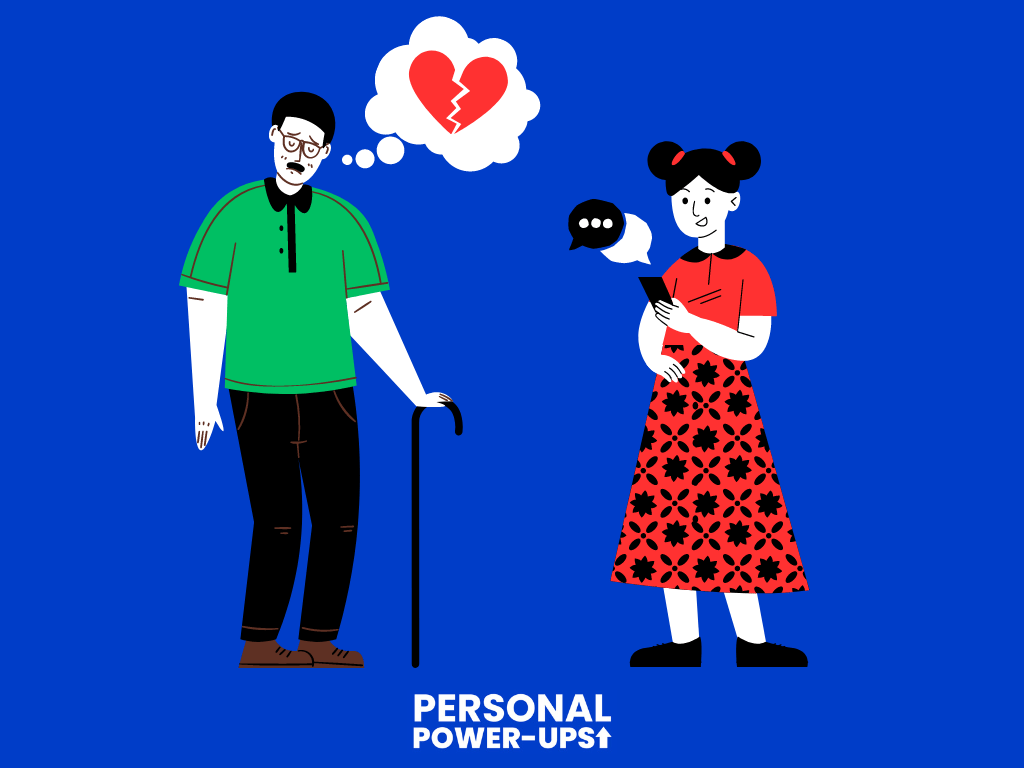
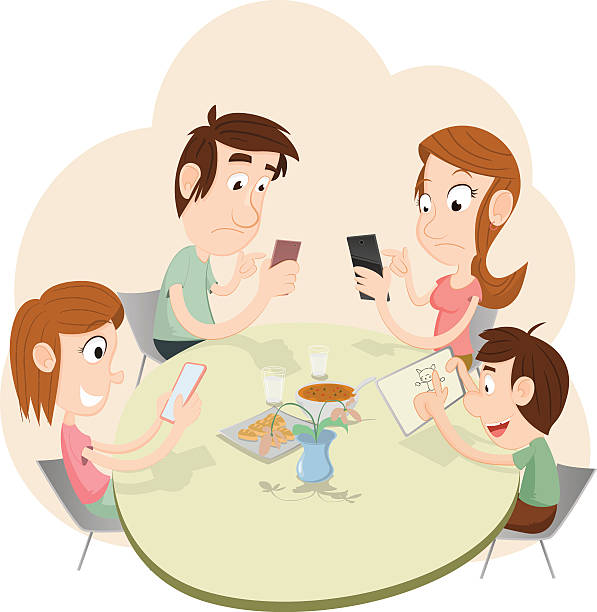
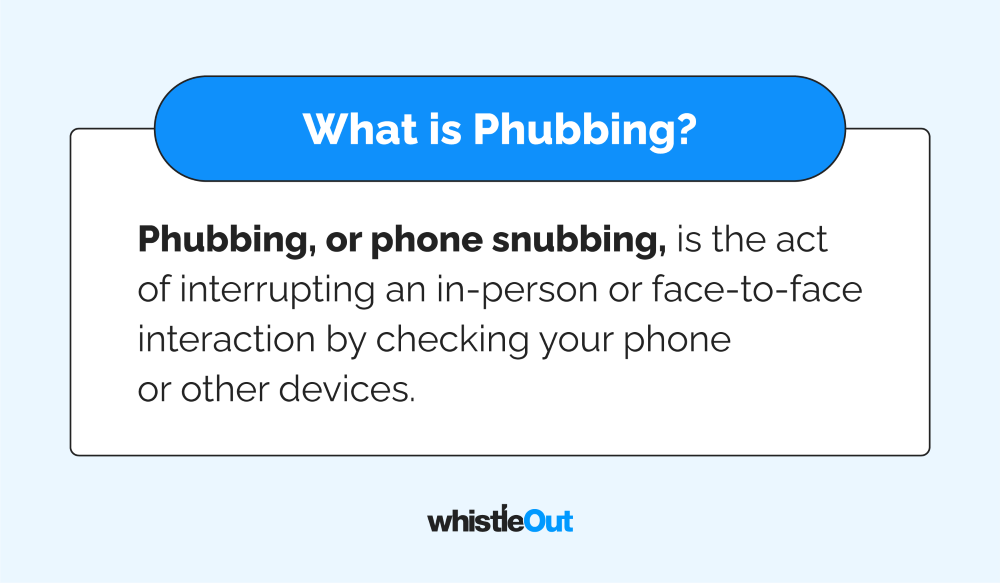
Phubbing, or the act of snubbing someone with a phone during a face-to-face social interaction, has become a pervasive behavior in today's digital age. The consequences of phubbing on relationships and mental health are severe and far-reaching, and it's essential to understand the underlying factors that contribute to this behavior.
The Prevalence of Phubbing
Phubbing has become a common occurrence in various social contexts, including social gatherings, romantic relationships, and even family interactions. The widespread use of smartphones has led to a breakdown in meaningful communication, as individuals increasingly prioritize their phones over face-to-face interactions. A study by Haigh (2015) found that phubbing is a prevalent behavior that affects people of all ages and backgrounds.
The Negative Consequences of Phubbing
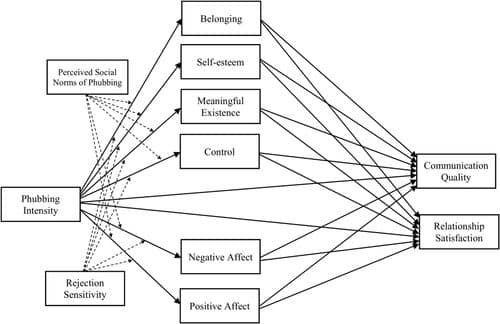
The social consequences of phubbing are numerous and severe. Research has shown that phubbing can lead to feelings of rejection, isolation, and loneliness (Roberts & David, 2016). Phubbing can also damage relationships, as individuals who feel neglected or ignored by their partners may experience decreased relationship satisfaction and feelings of personal well-being (Wolf, 2014). Furthermore, phubbing can have negative effects on mental health, including increased stress, anxiety, and depression (Király et al., 2019).
The Role of Social Media in Phubbing
Social media has played a significant role in the rise of phubbing. The constant need to check and respond to social media notifications can lead to distractions and neglect of others in social interactions. A study by Buckle (2016) found that social media addiction is a strong predictor of phubbing behavior, as individuals who are addicted to social media are more likely to prioritize their phones over face-to-face interactions.
The Impact of Phubbing on Relationships
Phubbing can have a profound impact on relationships, particularly romantic relationships. Research has shown that phubbing can lead to decreased relationship satisfaction, increased conflict, and even breakups (Király et al., 2019). Phubbing can also damage friendships, as individuals who feel neglected or ignored by their friends may experience decreased social support and feelings of loneliness.
Understanding the Factors that Contribute to Phubbing
To address the social consequences of phubbing, it's essential to understand the underlying factors that contribute to this behavior. Research has identified several factors that contribute to phubbing, including problematic smartphone use, social media addiction, and rejection sensitivity (Király et al., 2019). Additionally, studies have found that social norms, such as the perception that phubbing is a normal behavior, can also contribute to phubbing (Nov 28, 2024).
Strategies for Resisting Phubbing
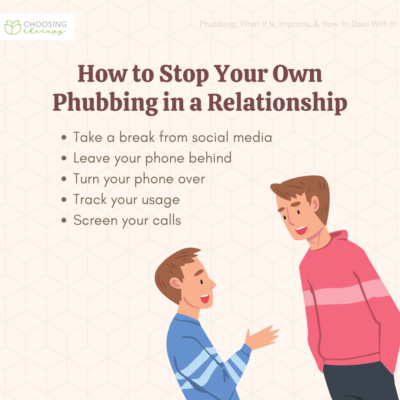
To mitigate the social consequences of phubbing, it's essential to develop strategies for resisting phubbing. Resisting phubbing involves actively avoiding phubbing behaviors and continuing to engage in face-to-face interactions with others. A study by Nov 28, 2024 found that resisting phubbing can lead to increased interpersonal connection, social inclusion, and positive social perception.
Conclusion
The social consequences of phubbing are severe and far-reaching, affecting relationships, mental health, and social connections. To address this issue, it's essential to understand the underlying factors that contribute to phubbing and develop strategies for resisting phubbing. By prioritizing face-to-face interactions and avoiding phubbing behaviors, we can mitigate the negative consequences of phubbing and foster healthier, more meaningful relationships.
References
- Haigh, M. M. (2015). Phubbing: A new phenomenon or a variation of the old theme of social exclusion? Computers in Human Behavior, 50, 411-418.
- Roberts, J. A., & David, M. E. (2016). My life has become a series of Status Updates: Facebook use and relationship satisfaction among young adults. Computers in Human Behavior, 55, 1090-1097.
- Wolf, P. A. (2014). Phubbing: The pernicious effects of phone-based social exclusion on the quality of social interactions. Computers in Human Behavior, 35, 91-98.
- Király, O., Potenza, M. N., Stein, D. J., King, D. L., Hodgins, D. C., Saunders, J. B.,... & Demetrovics, Z. (2019). Mental health and addictive behaviors in young people: A systematic review of clinical and neurobiological findings. Journal of Behavioral Addictions, 8(3), 537-553.
- Buckle, R. (2016). Exploring the relationship between social media addiction and phubbing: A survey study. Computers in Human Behavior, 56, 1024-1031.
- Nov 28, 2024. The present research introduced 'resisting phubbing', actively avoiding phubbing to continue the in-person interaction with the individuals involved. Study 1 (N = 246) employed short videos to assess the effect of inclusion, phubbing, and resisting phubbing on interpersonal connection, social exclusion, and social perception.