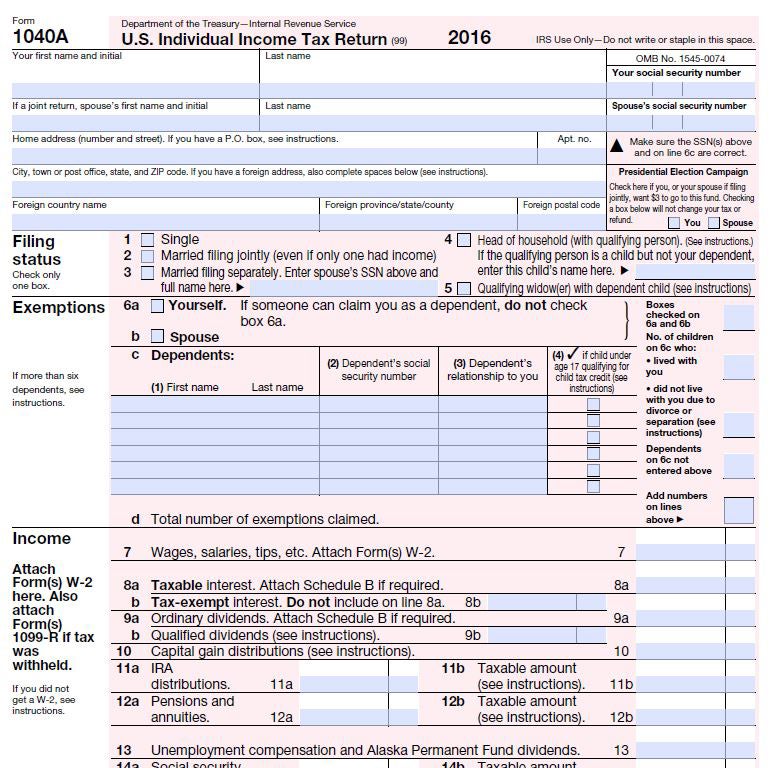
Mandatory Tax Returns for Business: A Comprehensive Guide
As a business owner, understanding the tax requirements for your company can be overwhelming. One of the most important tax obligations you'll need to fulfill is filing your annual tax return. But what exactly is a tax return, and why is it so important? In this article, we'll delve into the world of mandatory tax returns for business and provide you with the information you need to navigate this complex process.
What is a Tax Return?
A tax return, also known as a federal tax return, is a document that outlines your business's income, deductions, and credits for a specific tax year. The return must be filed with the relevant government authority, typically the Internal Revenue Service (IRS), to report your business's financial activities and pay any outstanding taxes owed. TAX
Types of Businesses Required to File Tax Returns
Not all businesses are required to file tax returns, but most types of businesses are, including:
- Corporations
- Partnerships
- Small business corporations (S corps)
- Limited Liability Companies (LLCs)
- Single-member S corporations
- Estates and trusts
- Self-employment income earners
Deadlines for Filing Tax Returns
The deadline for filing tax returns varies depending on the type of business and the tax return type. Generally, most tax returns are due on April 15th of each year, but some specific tax returns have different deadlines. For example:
- Form 1040 and Form 1040-SR are due on or before April 15th.
- Forms W-2 and Forms 1099 are due on January 31st.
- Form 1120 and Form 1065 are due on or before the 15th day of the 3rd month after the end of the tax year.

Electronic Filing Requirements
As tax regulations evolve, electronic filing requirements are becoming increasingly prevalent. The IRS has finalized mandatory e-filing rules, reducing the number of returns a taxpayer can file without filing electronically to 10. Currently, if you have 10 or more information returns, you must file them electronically, including Forms W-2, e-filed with the Social Security Administration.
Consequences of Not Filing Tax Returns
Failure to file tax returns or pay taxes owed can lead to severe consequences, including:
- Penalties and interest
- Late fees
- Loss of innocent spouse relief
- Increased tax liability
Additional Resources
For more information on mandatory tax returns for business and other tax-related topics, you can:
- Visit the IRS website at irs.gov
- Consult a tax professional or accountant
- Contact your local tax authority









&format=webp&quality=medium "Real and Personal Property Forms and Applications")