Treatment for Gadget Addiction: Understanding the Signs and Steps for Recovery
In today's digital age, it's easy to become addicted to electronics. With smartphones, tablets, and computers ruling our day-to-day lives, it's crucial to find ways to reduce our reliance on these gadgets. Overcoming an addiction to electronics may seem difficult, but there are proven methods to help individuals break the cycle and regain control over their lives.
What is Gadget Addiction?
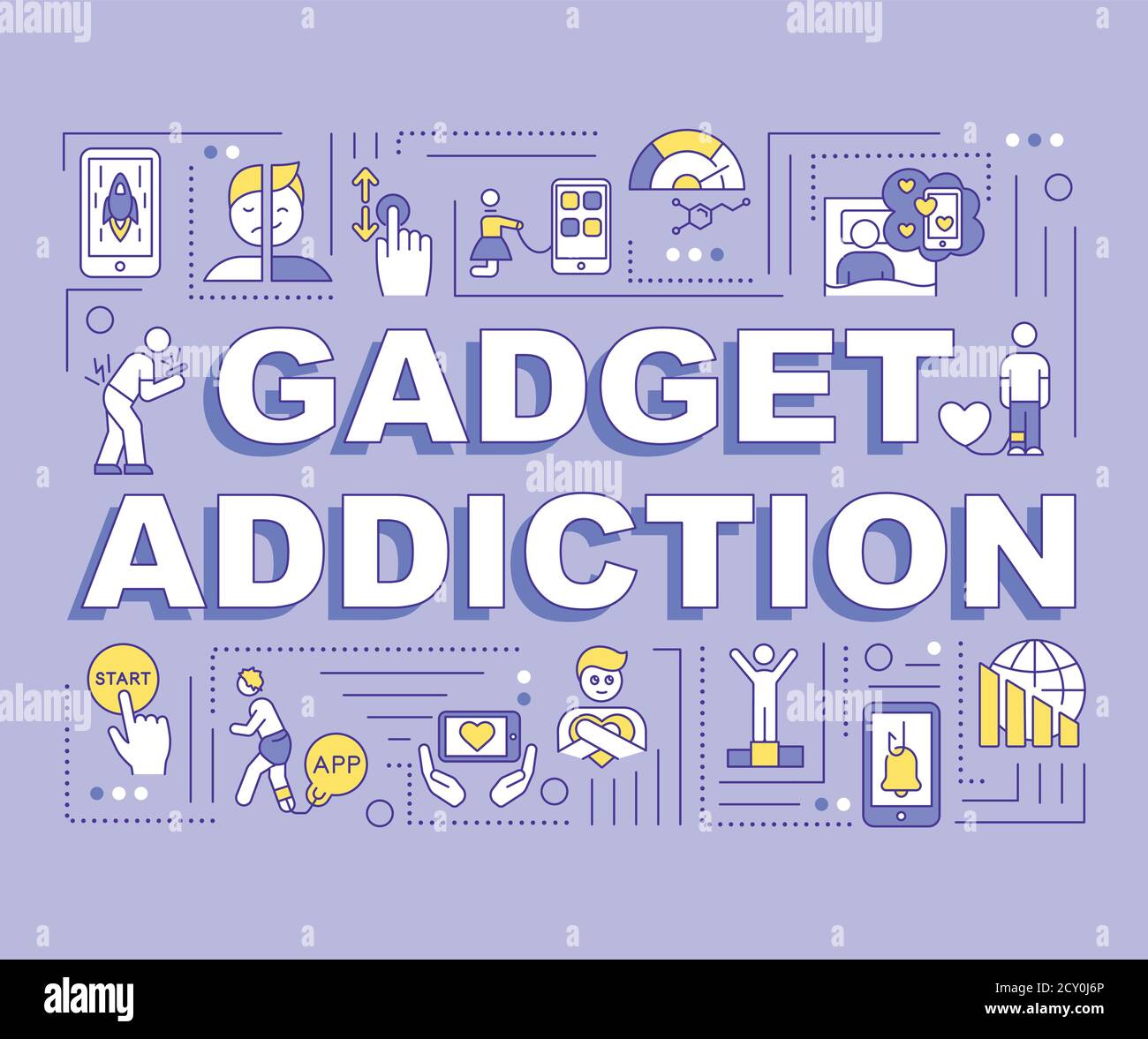
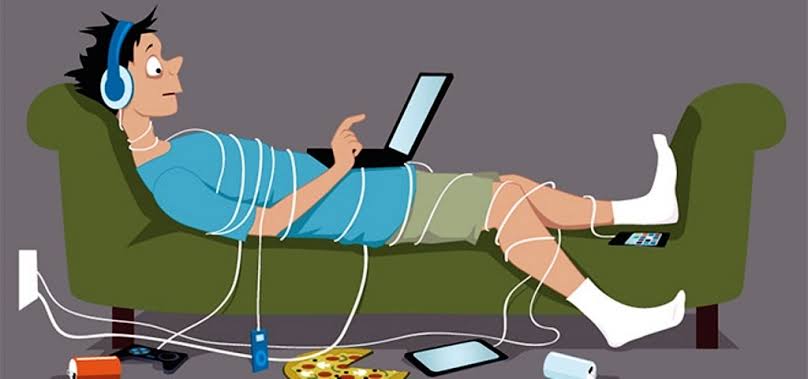
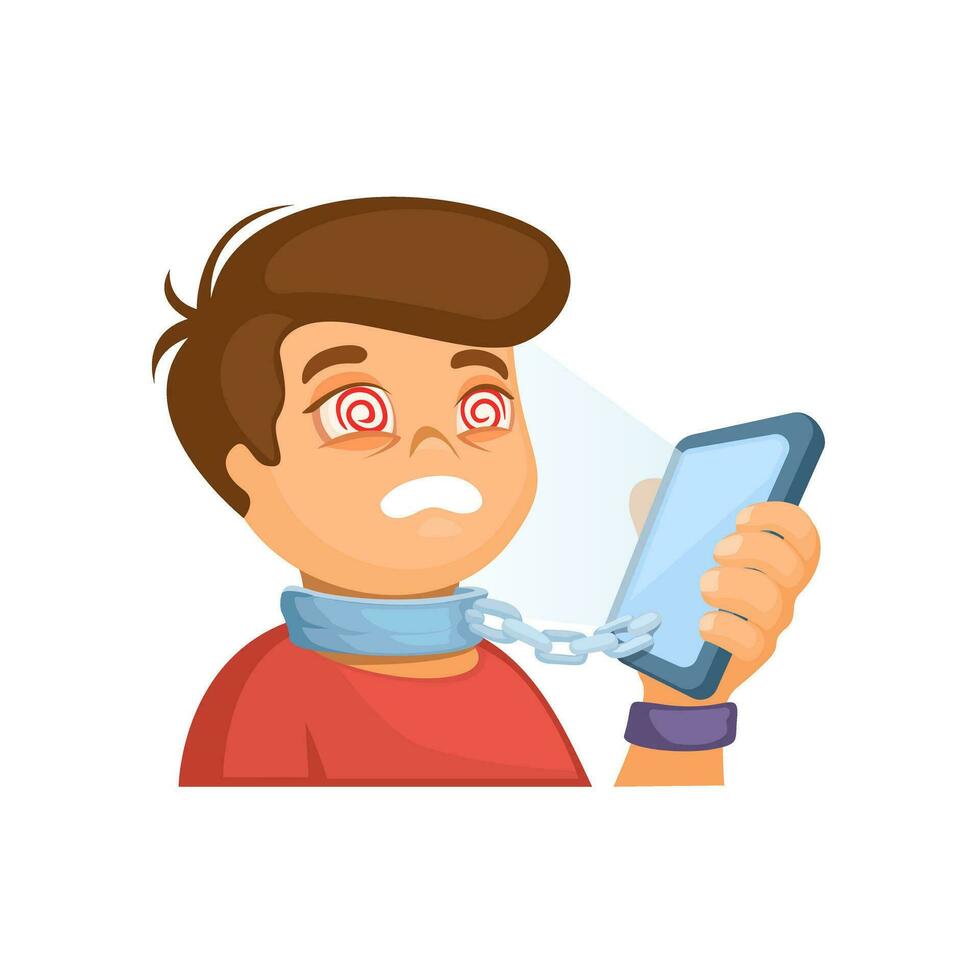
Gadget addiction is a type of behavioral addiction characterized by a compulsive and uncontrollable urge to use digital devices and platforms. It can lead to significant negative consequences for an individual's mental health, physical well-being, relationships, and daily functioning.
Causes of Gadget Addiction
The causes of gadget addiction are complex and multifaceted. Some of the main factors that contribute to this addiction include:
- Constant availability of digital devices
- Instant gratification and entertainment provided by gadgets
- Need for social validation and connection through social media
- Lack of physical and mental stimulation
- Genetic predisposition and underlying mental health issues
Signs and Symptoms of Gadget Addiction
The signs and symptoms of gadget addiction can be subtle at first, but they can become increasingly apparent as the addiction progresses. Some common signs and symptoms include:
- Excessive use of digital devices, even when it interferes with daily life
- Withdrawal symptoms, such as anxiety and irritability, when unable to access digital devices
- Neglect of physical and mental health, including poor sleep habits and decreased physical activity
- Difficulty in concentrating and paying attention to tasks
- Escape from reality and emotional numbing through digital device use
Treatment for Gadget Addiction

There are various treatment options available for gadget addiction, including:
- Cognitive-behavioral therapy (CBT) to address underlying psychological factors contributing to addiction
- Assessment and counseling from a mental health professional to identify and address underlying issues
- Family therapy to promote support and understanding within the family
- Support groups, such as online forums and community groups, to connect with others who are going through similar experiences
- Medications, such as antidepressants and anti-anxiety medications, to help manage symptoms and withdrawal
Strategies for Recovery
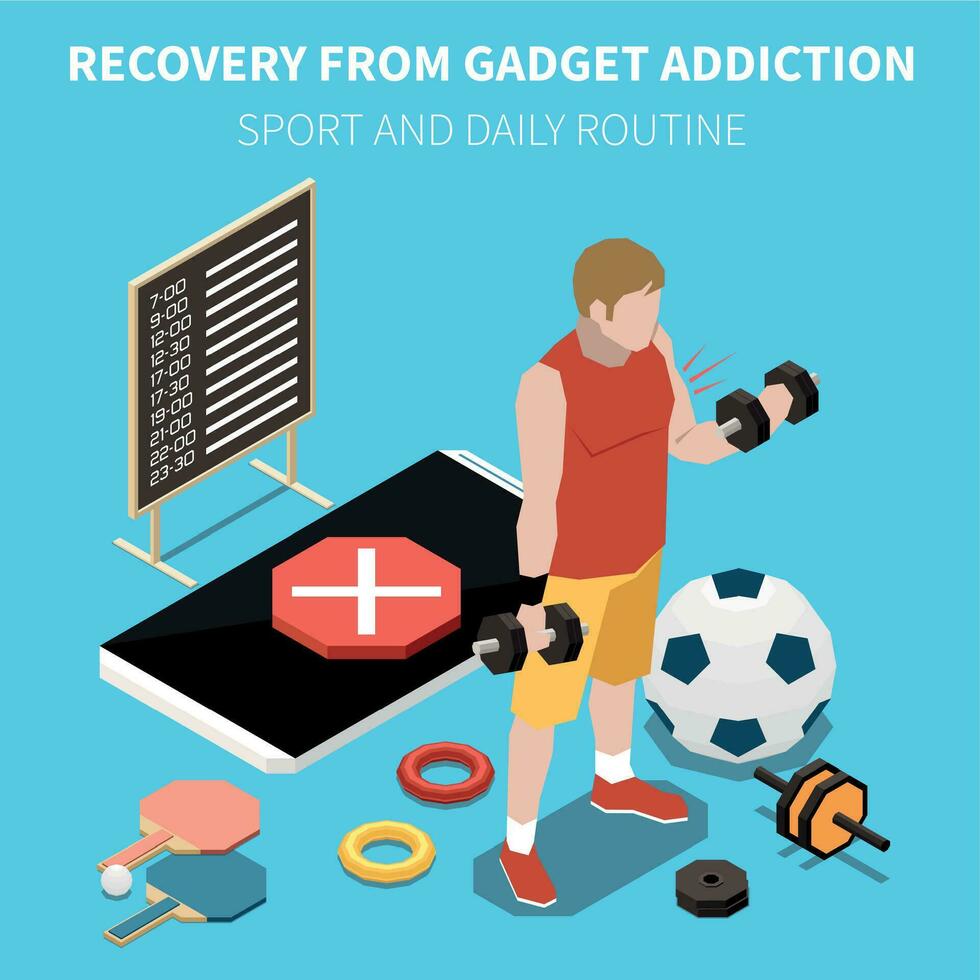
Recovery from gadget addiction requires a comprehensive approach that addresses the physical, emotional, and social aspects of addiction. Some strategies for recovery include:
- Initiating a digital detox to break the cycle of addiction
- Engaging in physical activity and outdoor activities to promote physical and mental well-being
- Developing healthy coping mechanisms, such as mindfulness and yoga, to manage stress and emotions
- Setting boundaries and limits around digital device use
- Seeking professional support and guidance throughout the recovery process
Conclusion
Gadget addiction is a serious issue that can have far-reaching consequences for an individual's mental health, physical well-being, relationships, and daily functioning. By understanding the signs and causes of gadget addiction, individuals can take the first steps towards recovery and regain control over their lives. Remember, recovery is a journey, and seeking professional support and guidance is essential for sustained success.
Resources
If you or someone you know is struggling with gadget addiction, there are various resources available to help. Some recommended resources include:
- Nightingale Mental Health Hospital: Leading UK technology addiction specialists
- Sandstone Care: Assessing and treating technology addiction in both teen and young adult treatment centers
- Resolutions Teen Center: Intensive outpatient program for adolescents, combining device-management help with mental health and substance use treatment