How to Protect Your Dog from Ticks: A Comprehensive Guide
As a responsible dog owner, protecting your furry friend from ticks is a crucial aspect of their overall health and well-being. Ticks are notorious for transmitting diseases such as Lyme disease, Rocky Mountain spotted fever, and ehrlichiosis, which can be life-threatening to dogs.
Understanding the Lifecycle of Ticks
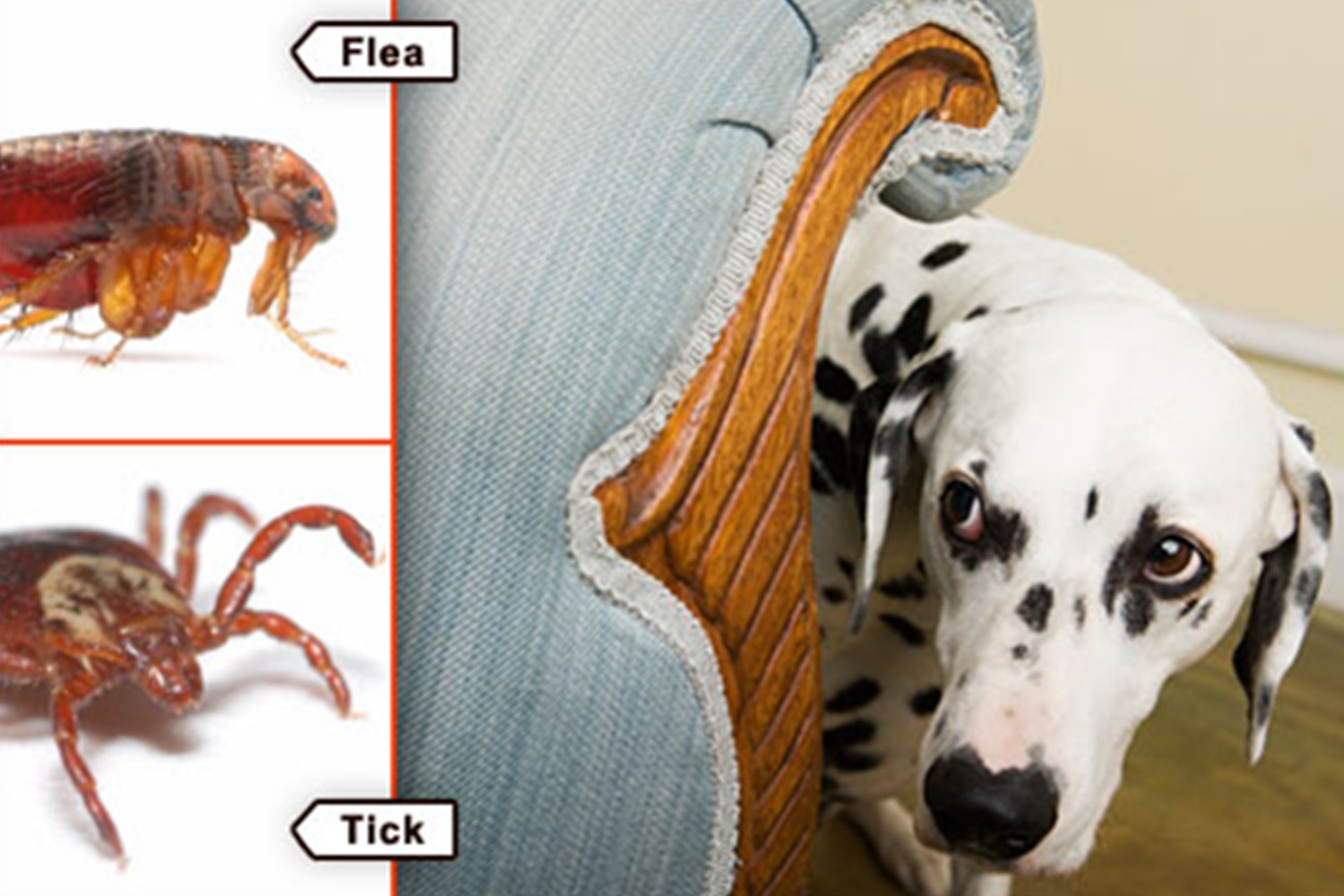
Ticks are external parasites that feed on the blood of animals, including dogs. They have a four-stage lifecycle: egg, larva, nymph, and adult. The female tick deposits her eggs in a sheltered location, such as leaf litter or grass, where they hatch into larvae. The larvae then feed on small animals, such as mice, and molt into nymphs. The nymphs feed on larger animals, including dogs, and then molt into adults. The adult ticks then feed on larger animals and begin the cycle again.
How to Protect Your Dog from Ticks
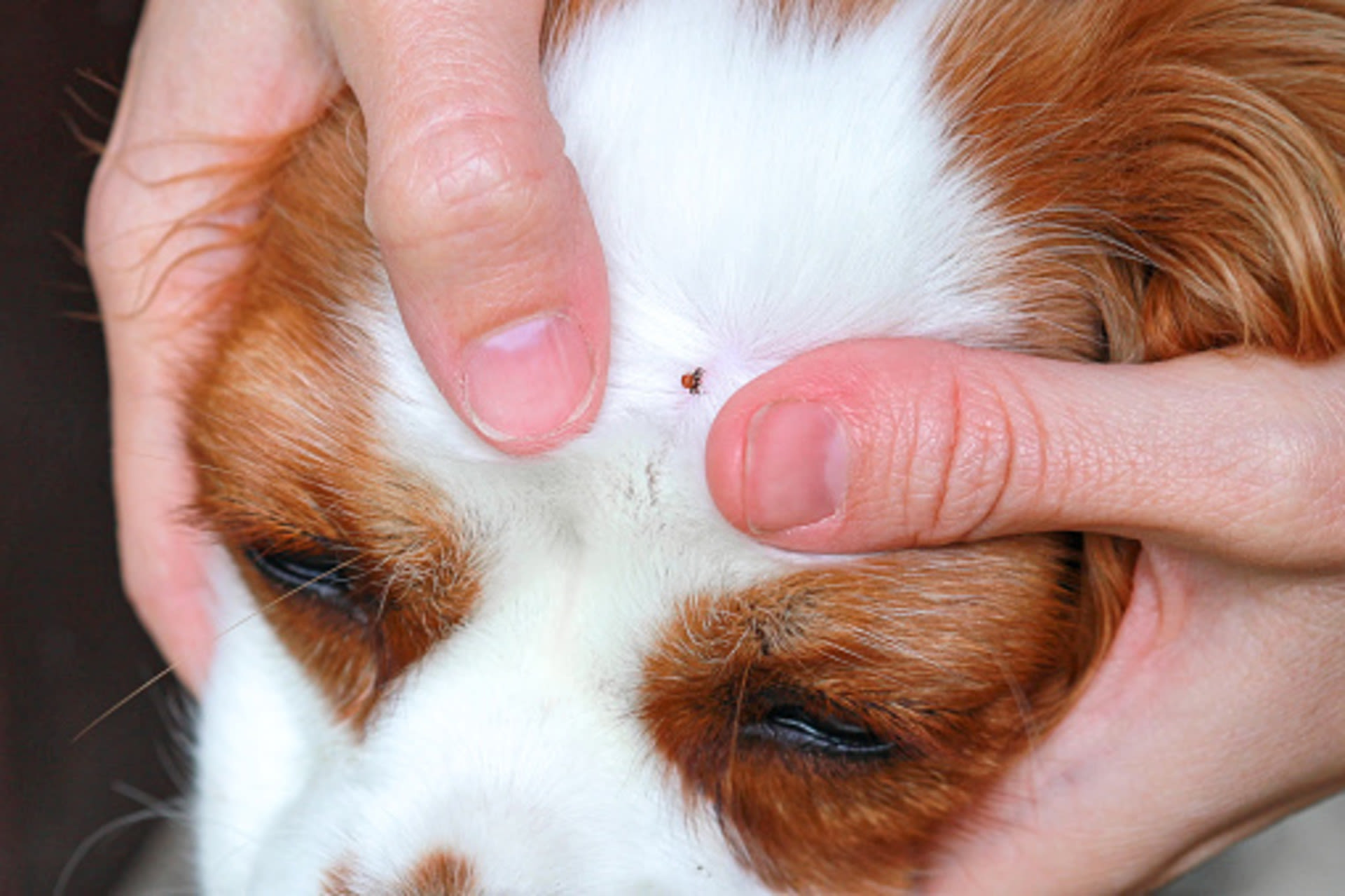
- Check Your Dog Regularly: Perform regular tick checks on your dog, especially after walks in wooded or grassy areas. Run your hands over your dog's body, paying particular attention to areas where ticks like to hide, such as the armpits, ears, and between the toes.
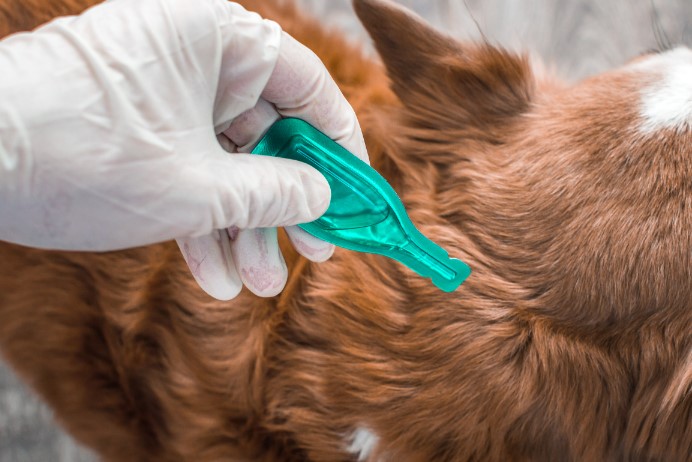
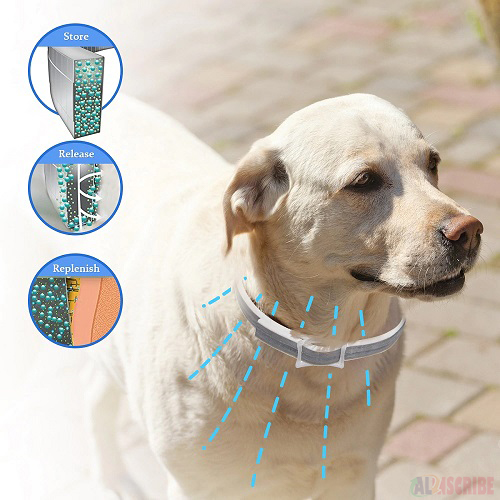
- Use Preventative Measures: There are several preventative measures you can take to protect your dog from ticks, including topical treatments, oral medications, and tick collars. These products can kill ticks and prevent them from attaching to your dog's skin.
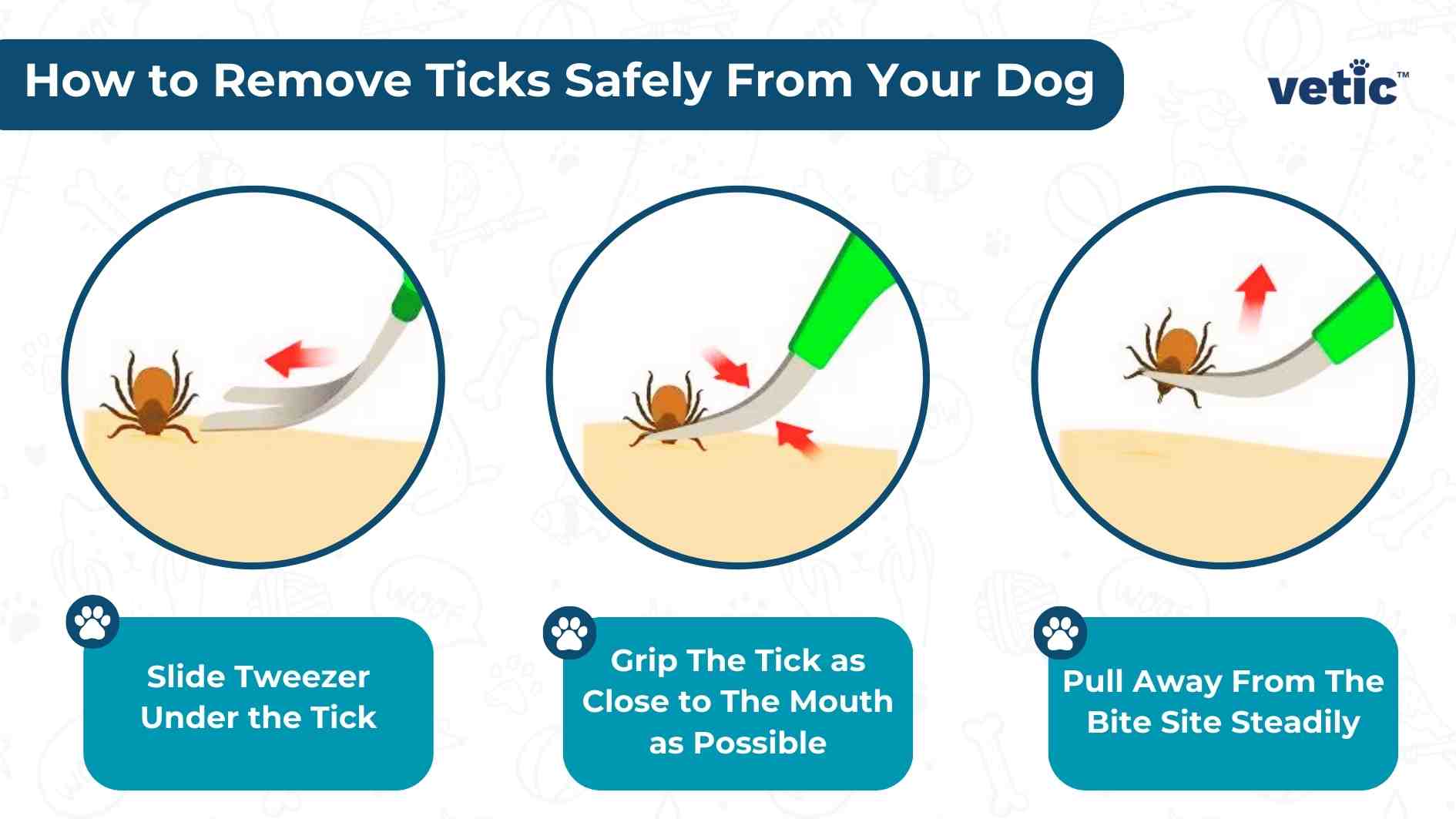
- Remove Ticks Immediately: If you find a tick attached to your dog's skin, remove it immediately. Use fine-tipped tweezers to grasp the tick as close to the dog's skin as possible, and pull upwards with steady, even pressure. Do not use home remedies such as petroleum jelly, nail polish, or heat to try to remove the tick, as these methods can cause the tick to burrow deeper into the skin.
- Choose the Right Preventative: There are many different tick preventatives available, and the best one for your dog will depend on their individual needs and circumstances. Consult with your veterinarian to determine the best preventative for your dog.
Common Tick-Borne Diseases in Dogs

Ticks can transmit a variety of diseases to dogs, including:
- Lyme disease: a bacterial infection that can cause symptoms such as fever, joint pain, and kidney disease.
- Rocky Mountain spotted fever: a bacterial infection that can cause symptoms such as fever, headache, and a rash.
- Ehrlichiosis: a bacterial infection that can cause symptoms such as fever, anemia, and weight loss.
Protecting Your Dog from Ticks Year-Round
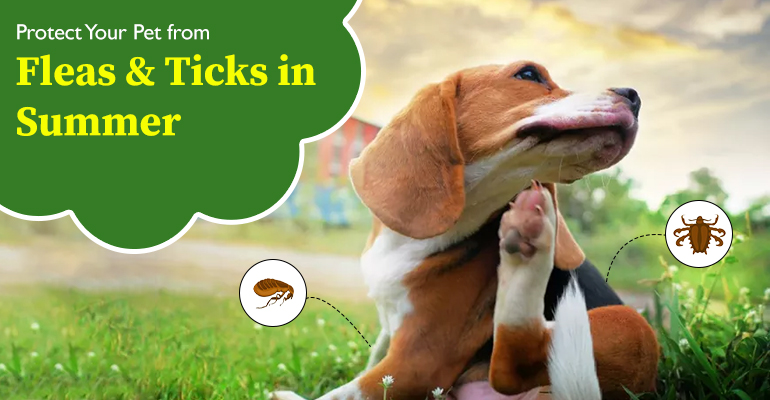
While ticks are more active during the spring and summer months, they can bite your dog at any time of year. To protect your dog from ticks year-round, use a tick preventative that is effective against adult and immature ticks, and follow the product's instructions carefully. Additionally, take steps to prevent ticks from entering your home, such as keeping your lawn clean and free of debris, and using a tick repellent on your dog's bedding and blankets.
Conclusion
Protecting your dog from ticks is a critical aspect of their health and well-being. By understanding the lifecycle of ticks, using preventative measures, removing ticks immediately, choosing the right preventative, and protecting your dog from tick-borne diseases, you can keep your furry friend safe and healthy for years to come.