Pregnancy and Alcohol Consumption FAQs
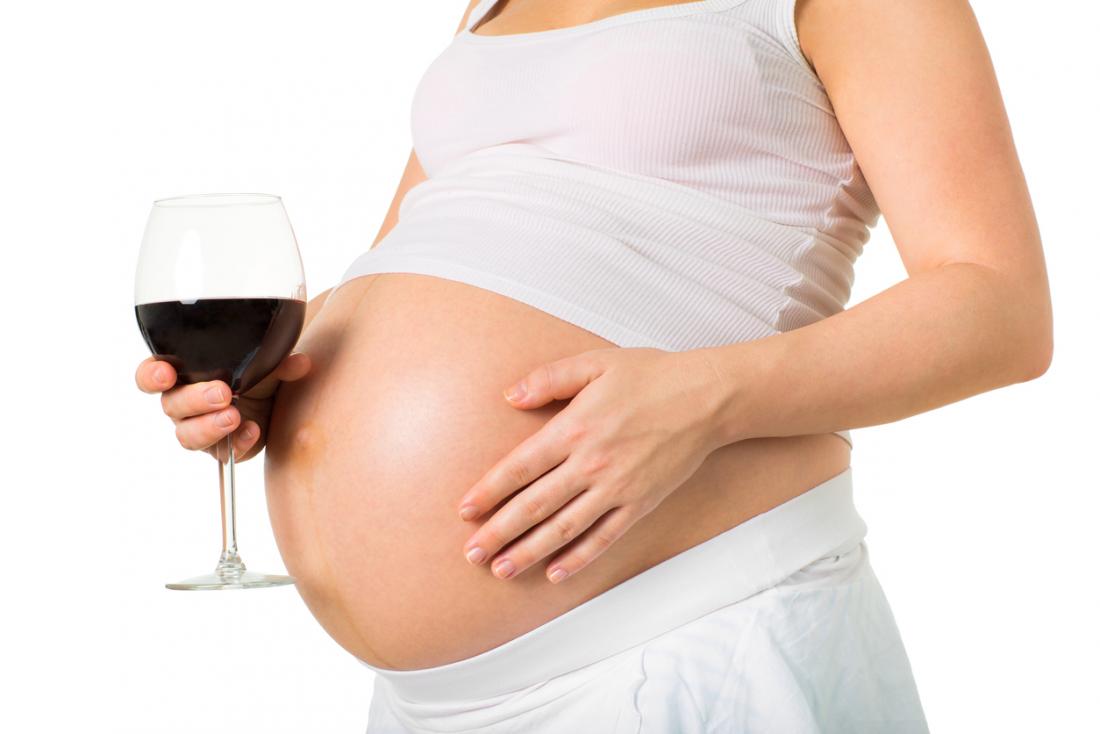
Alcohol use during pregnancy is a topic of significant concern due to its potential risks to the developing fetus. While some studies suggest that moderate alcohol intake may not necessarily lead to severe birth defects, there is a consensus that heavy drinking can cause fetal alcohol syndrome (FAS), characterized by physical, behavioral, and cognitive impairments. However, the effects of alcohol consumption during pregnancy are complex and can vary depending on several factors, including the amount of alcohol consumed, the timing of consumption, and individual susceptibility.
Why it's Important
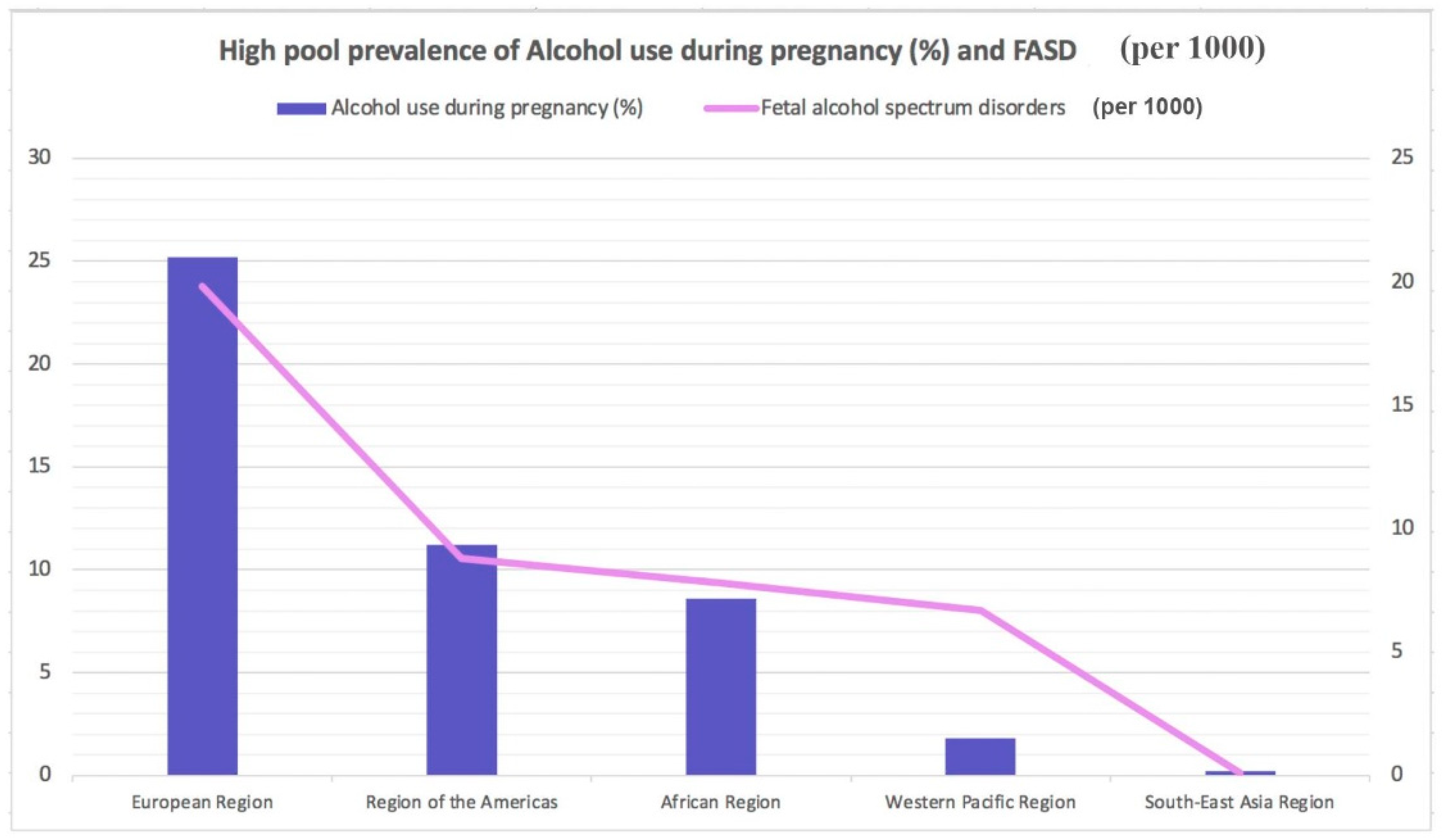
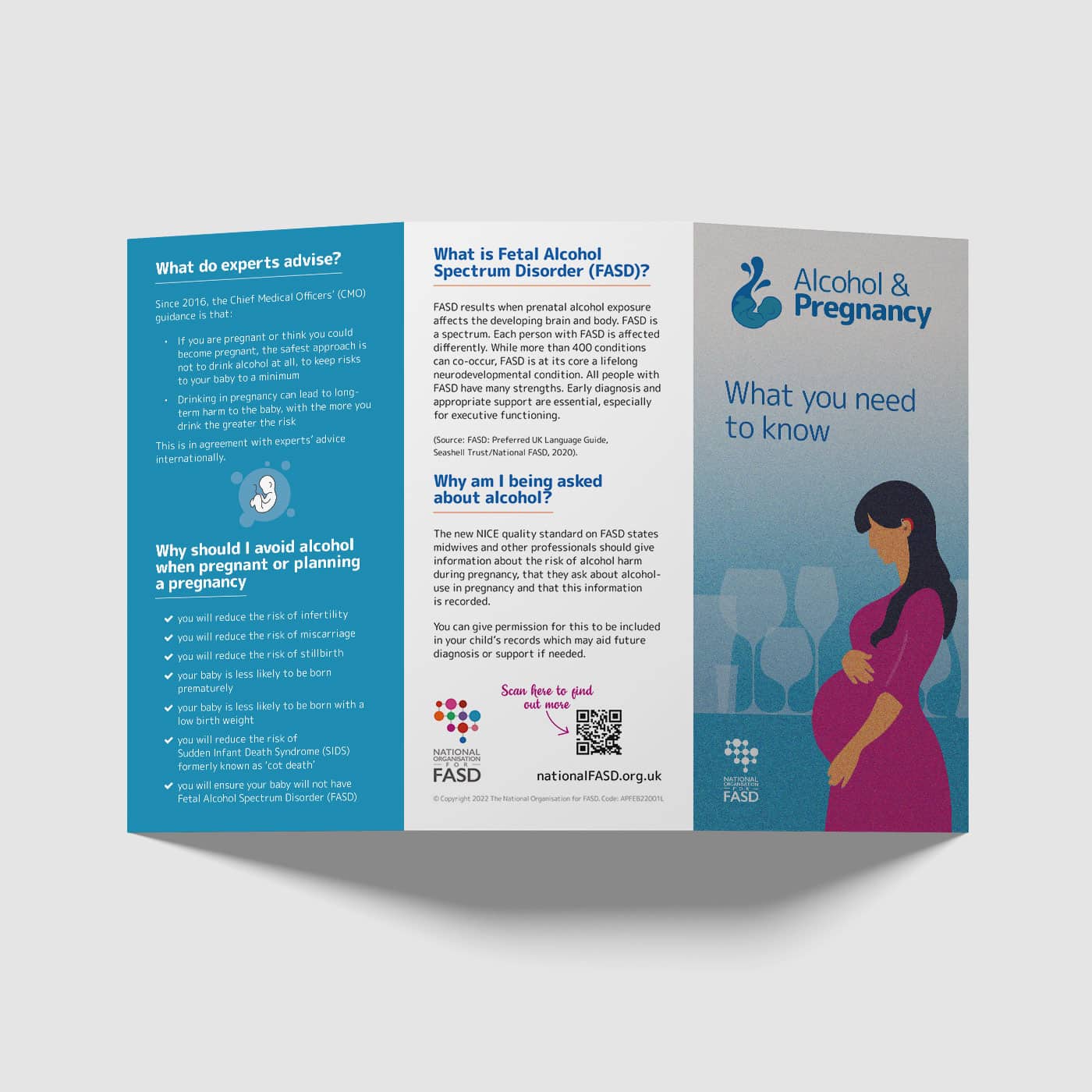
Alcohol use during pregnancy is associated with an increased risk of miscarriage, preterm birth, stillbirth, and sudden infant death syndrome (SIDS). Fetal alcohol spectrum disorders (FASDs) can cause a range of lifelong behavioral, intellectual, and physical disabilities. Drinking alcohol during pregnancy can also lead to low birth weight, premature labor, and a range of developmental, physical, mental, and emotional disabilities.
10 Commonly Asked Questions About Alcohol Use During Pregnancy
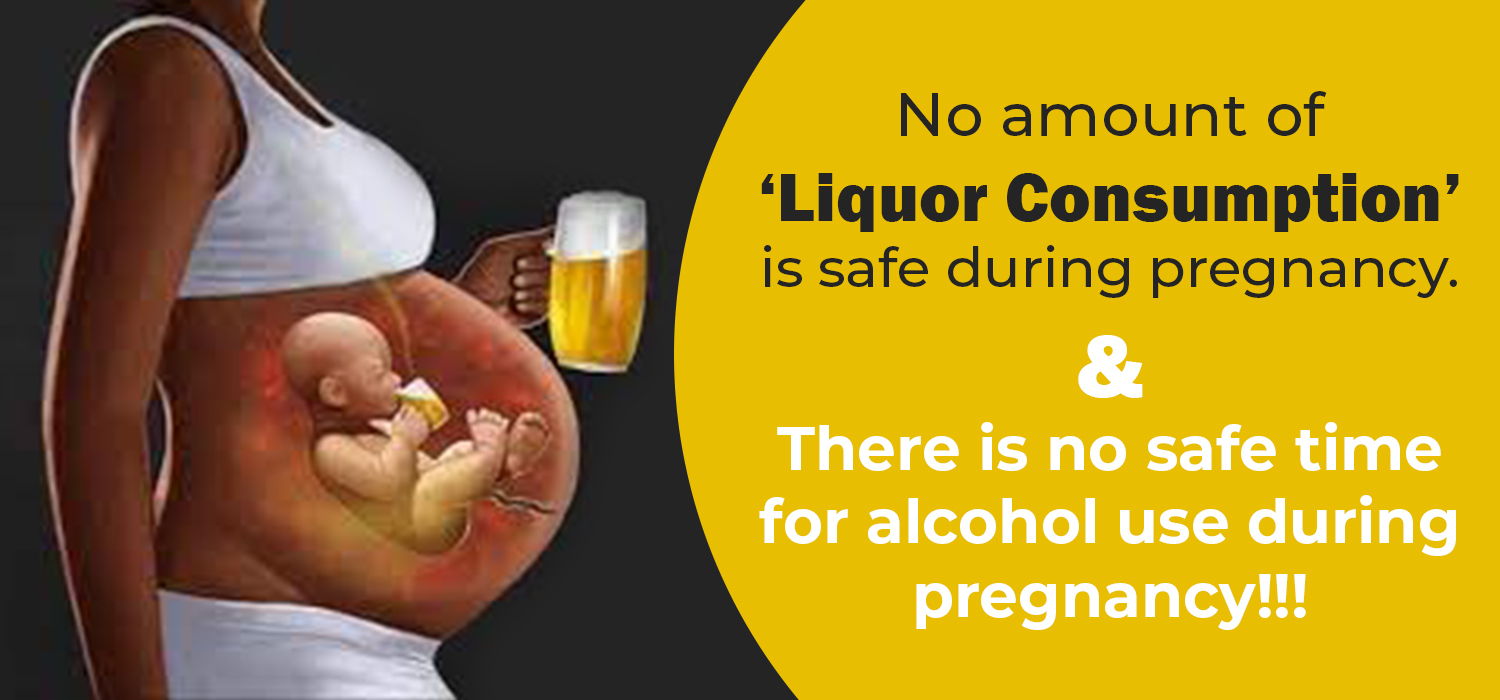
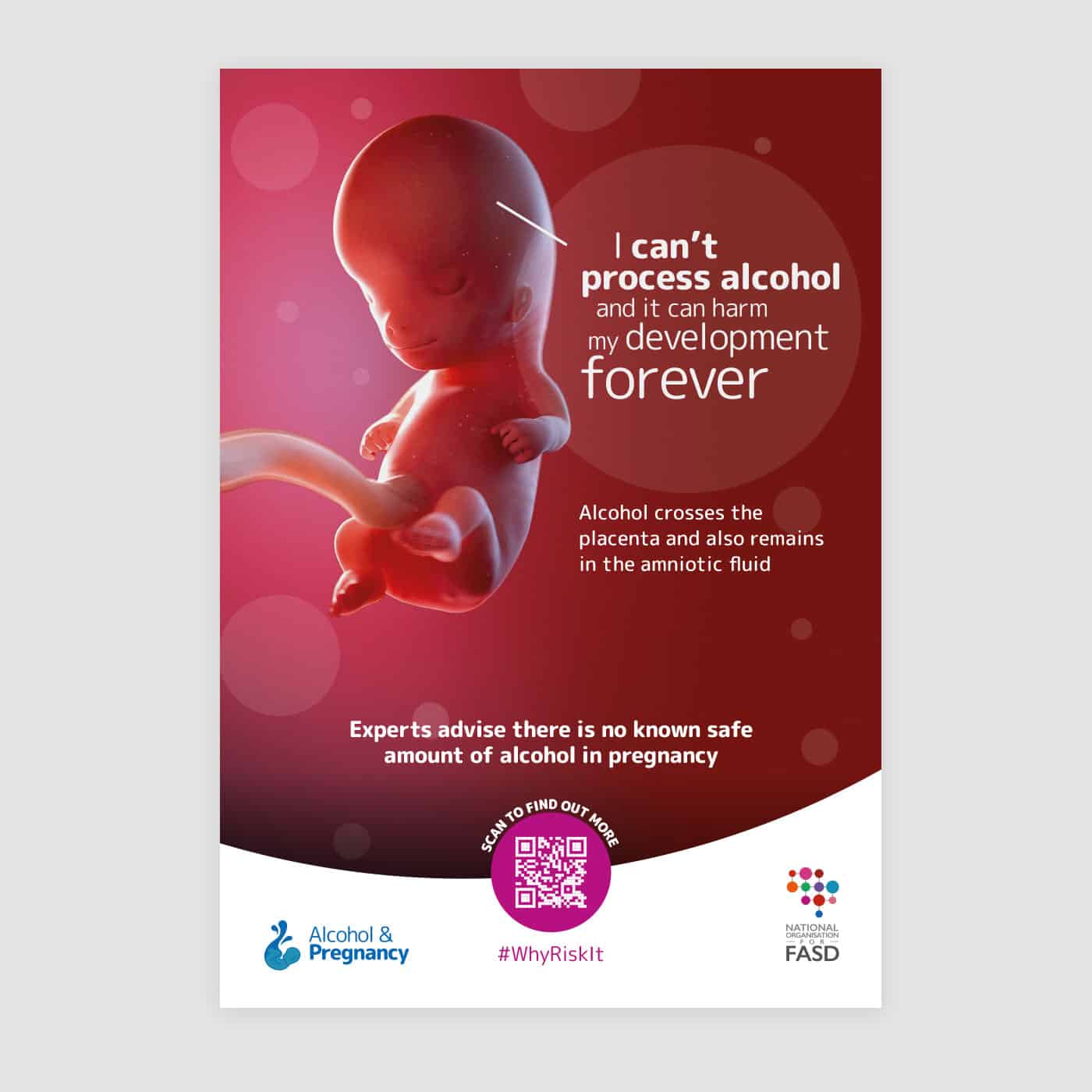
- Q: Is it safe to drink during pregnancy? A: No, it's not safe to drink during pregnancy. Any amount of alcohol can pose a risk to the baby. Even small amounts of alcohol can cause lifelong problems with a child's learning and behavior.
- Q: Can I have one drink during pregnancy? A: No, it's not recommended to have even one drink during pregnancy. Drinking alcohol during pregnancy can cause serious health problems for your baby.
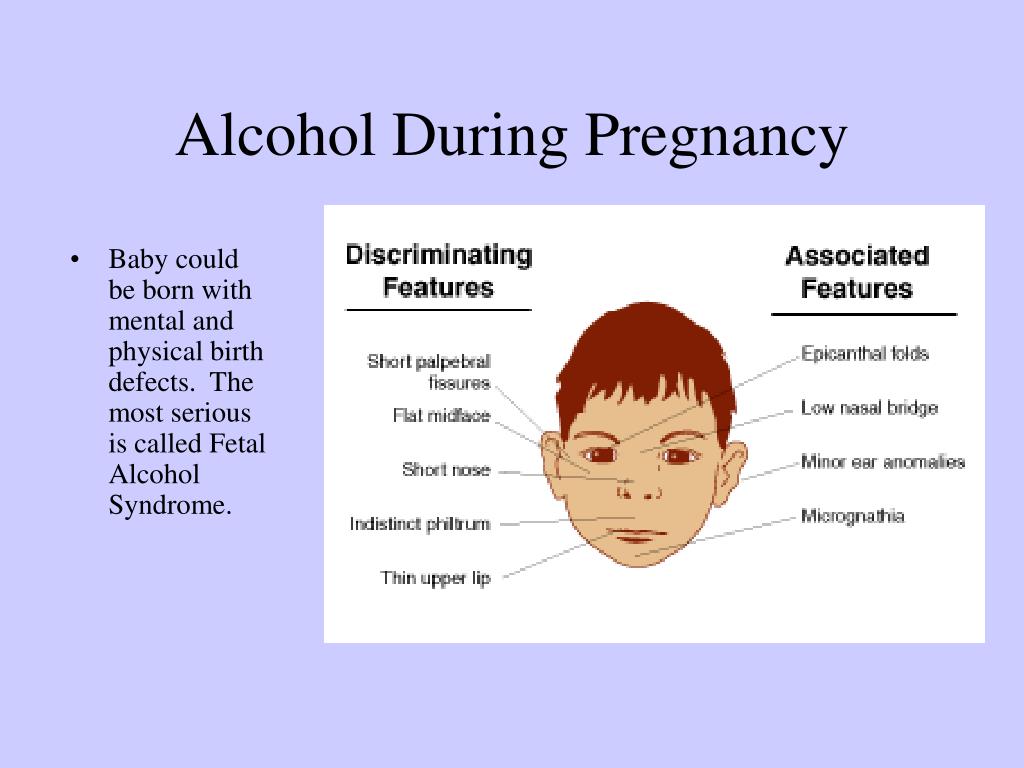
- Q: What are fetal alcohol spectrum disorders (FASDs)? A: FASDs are physical, behavioral, and intellectual disabilities that last a lifetime, caused by prenatal alcohol exposure.
- Q: Can I avoid miscarriage and stillbirth by not drinking during pregnancy? A: Yes, not drinking during pregnancy can reduce the risk of miscarriage and stillbirth.
- Q: Can alcohol use during pregnancy lead to low birth weight? A: Yes, drinking alcohol during pregnancy can lead to low birth weight and other problems after delivery.
- Q: Can I breastfeed if I drank during pregnancy? A: No, it's safest to avoid drinking during breastfeeding to protect your baby's health.
- Q: Can anyone become addicted to alcohol during pregnancy? A: Yes, anyone can become addicted to alcohol during pregnancy, and it's not just a physical addiction.
- Q: How can I get help if I have a drinking problem during pregnancy? A: Talk to your healthcare provider or a substance abuse counselor for help.
- Q: Can I consume beer and wine during pregnancy? A: No, all types of alcohol, including beer and wine, are harmful during pregnancy.
- Q: Can I quit drinking during pregnancy if I have a problem with it? A: Yes, quitting drinking during pregnancy can significantly improve your baby's health and reduce the risk of lifelong problems.
What the Experts Say
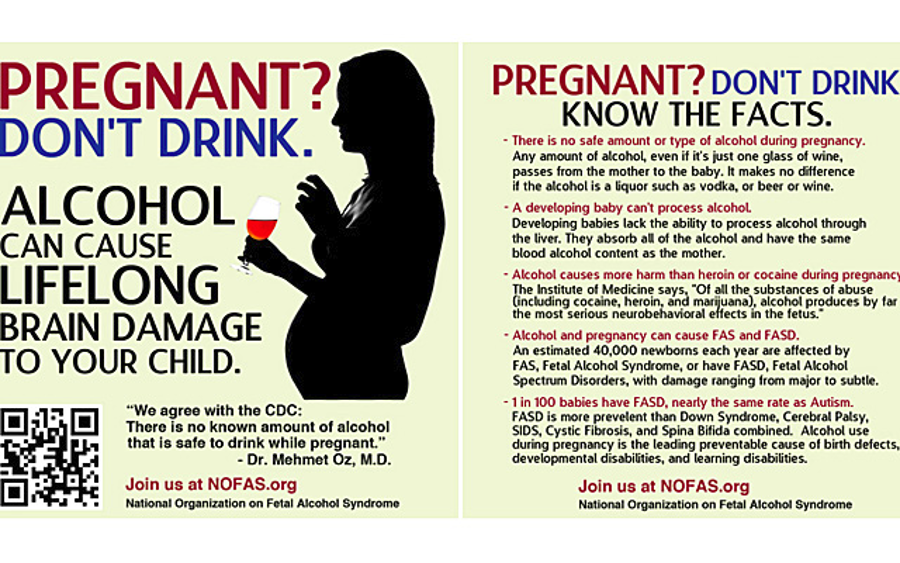
Experts advise that any amount of alcohol during pregnancy can pose a risk to the baby. The Centers for Disease Control and Prevention (CDC) defines binge drinking as four drinks or more in two hours for women (five drinks or more for men). The National Institute on Alcohol Abuse and Alcoholism (NIAAA) defines at-risk alcohol use for healthy women as more than three drinks per occasion or more than seven drinks per week, and any amount of drinking for women who are pregnant or attempting to become pregnant.
Preventing Harm from Alcohol to Your Unborn Child
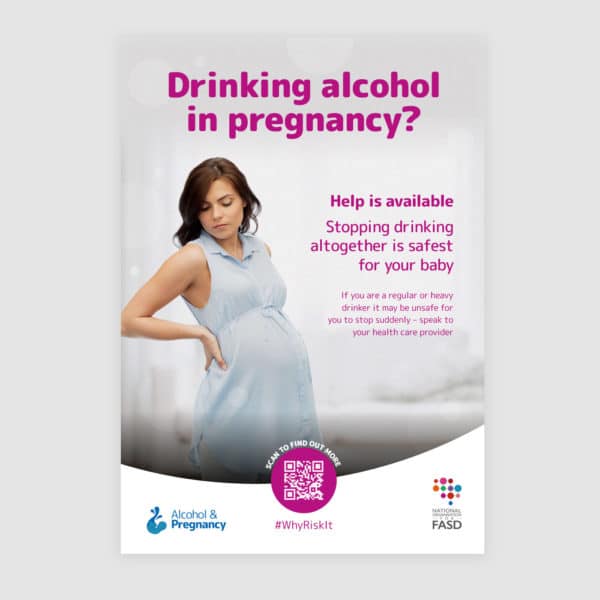
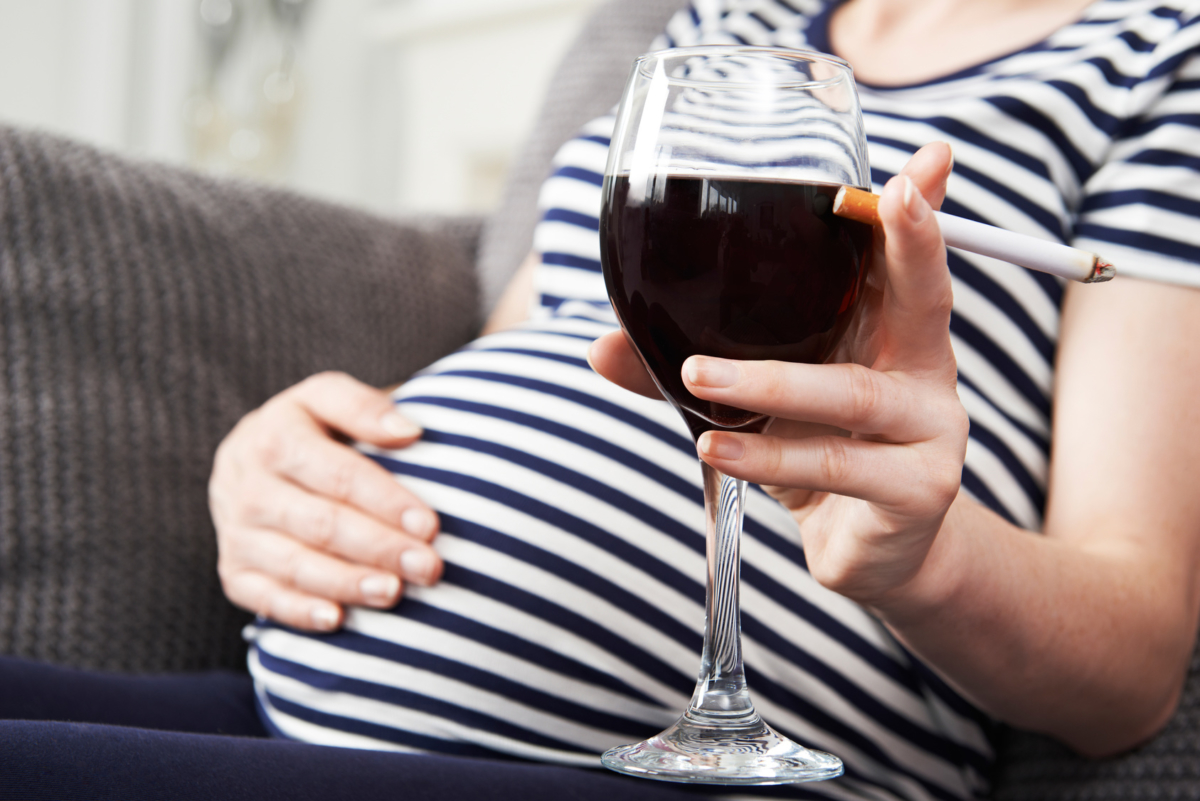
The safest thing you can do if you are pregnant, breastfeeding, or trying for a baby is to avoid alcohol. Avoiding tobacco, marijuana, and other substances is also essential for a healthy pregnancy and a healthy baby. If you have trouble quitting unhealthy substances on your own, counseling and treatment are available.
Conclusion
Pregnancy and alcohol consumption are a complex and sensitive topic. While some studies suggest that moderate alcohol intake may not necessarily lead to severe birth defects, there is a consensus that heavy drinking can cause fetal alcohol syndrome (FAS), characterized by physical, behavioral, and cognitive impairments. The safest thing you can do if you are pregnant, breastfeeding, or trying for a baby is to avoid alcohol. Drinking alcohol during pregnancy can cause serious health problems for your baby and lead to lifelong disabilities.