Unlocking the Power of Open-source Cybersecurity Tools
In today's digital landscape, cybersecurity threats are becoming increasingly sophisticated, making it crucial for organizations and individuals to have access to robust and effective security solutions. One such solution is open-source cybersecurity tools, which offer a range of benefits, including transparency, flexibility, and community-driven development. In this article, we will explore the world of open-source cybersecurity tools, their importance, and the top tools you need to know about.
The Rise of Open-source Cybersecurity Tools
Open-source cybersecurity tools have gained significant attention in recent years, and for good reason. These tools provide a cost-effective alternative to commercial solutions, allowing organizations to access advanced security features without breaking the bank. Moreover, open-source tools are often developed by communities of experts, who contribute their time and expertise to create robust and reliable solutions.
According to recent studies, the global open-source security market is expected to grow at a CAGR of 20% from 2023 to 2028, driven by increasing demand for cost-effective and customizable security solutions. As the cybersecurity landscape continues to evolve, it's essential for organizations to stay ahead of the curve and invest in open-source security tools.
Benefits of Open-source Cybersecurity Tools
So, what makes open-source cybersecurity tools so attractive? Here are some of the key benefits:
- Cost-effectiveness**: Open-source tools are often free or low-cost, making them an attractive option for organizations with limited budgets.
- Customization**: Open-source tools can be tailored to meet specific security needs, providing a high degree of flexibility and control.
- Community-driven**: Open-source tools are often developed by communities of experts, ensuring that they are robust, reliable, and regularly updated.
- Transparency**: Open-source tools provide visibility into their code and development processes, allowing organizations to trust and verify their security.
Top Open-source Cybersecurity Tools

So, which open-source cybersecurity tools should you be using? Here are some of the top tools to consider:
- Wireshark**: A powerful network protocol analysis tool that allows users to capture and scrutinize data at a micro-level.
- Tcpdump**: A network traffic capture and analysis tool that provides a comprehensive view of network activity.
- Metasploit**: A penetration testing tool that allows users to simulate cyber attacks and test security defenses.
- ZAP**: A web application security tool that identifies vulnerabilities and provides recommendations for remediation.
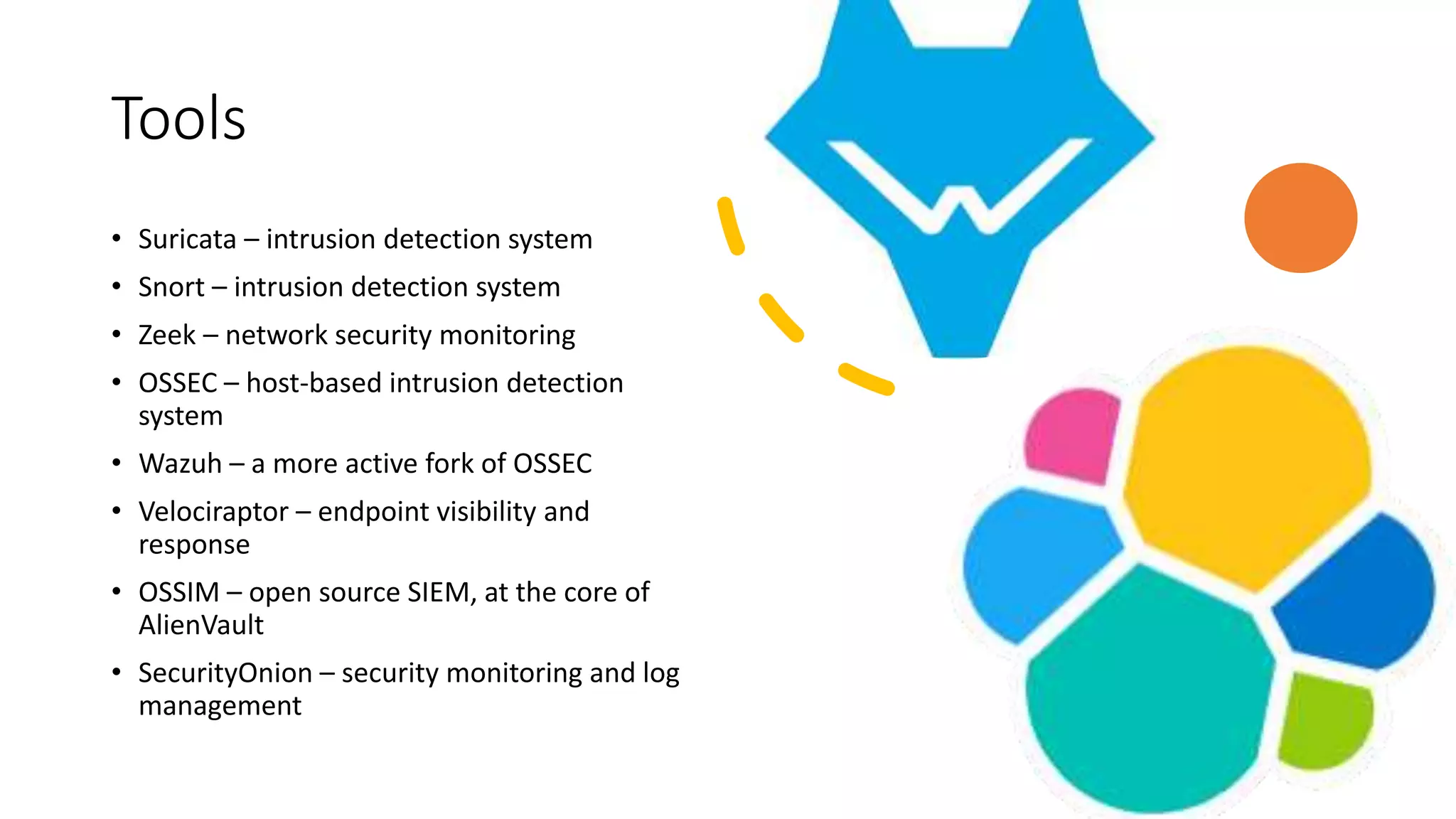
- Wazuh**: A threat detection tool that provides real-time monitoring and alerting for security incidents.
- Snyk**: A vulnerability management tool that identifies and prioritizes security vulnerabilities in open-source components.
Conclusion
Open-source cybersecurity tools offer a range of benefits, including cost-effectiveness, customization, community-driven development, transparency, and flexibility. With the increasing complexity of cybersecurity threats, it's essential for organizations to invest in robust and effective security solutions. By leveraging open-source cybersecurity tools, organizations can stay ahead of the curve and protect their digital assets from emerging threats.
Resources
If you're interested in learning more about open-source cybersecurity tools, here are some additional resources to explore:
- The Hacker News**: A leading cybersecurity news platform that provides real-time updates, threat intelligence, and actionable insights.
- CVEDetails.com**: A vulnerability intelligence solution that provides CVE security vulnerability database, exploits, advisories, and product risk scores.
- Analytics Insight**: A publication focused on disruptive technologies such as Artificial Intelligence, Big Data Analytics, Blockchain, and Cryptocurrencies.
Stay ahead of the curve and invest in open-source cybersecurity tools today!