Protecting Your Identity on the Dark Web: A Comprehensive Guide
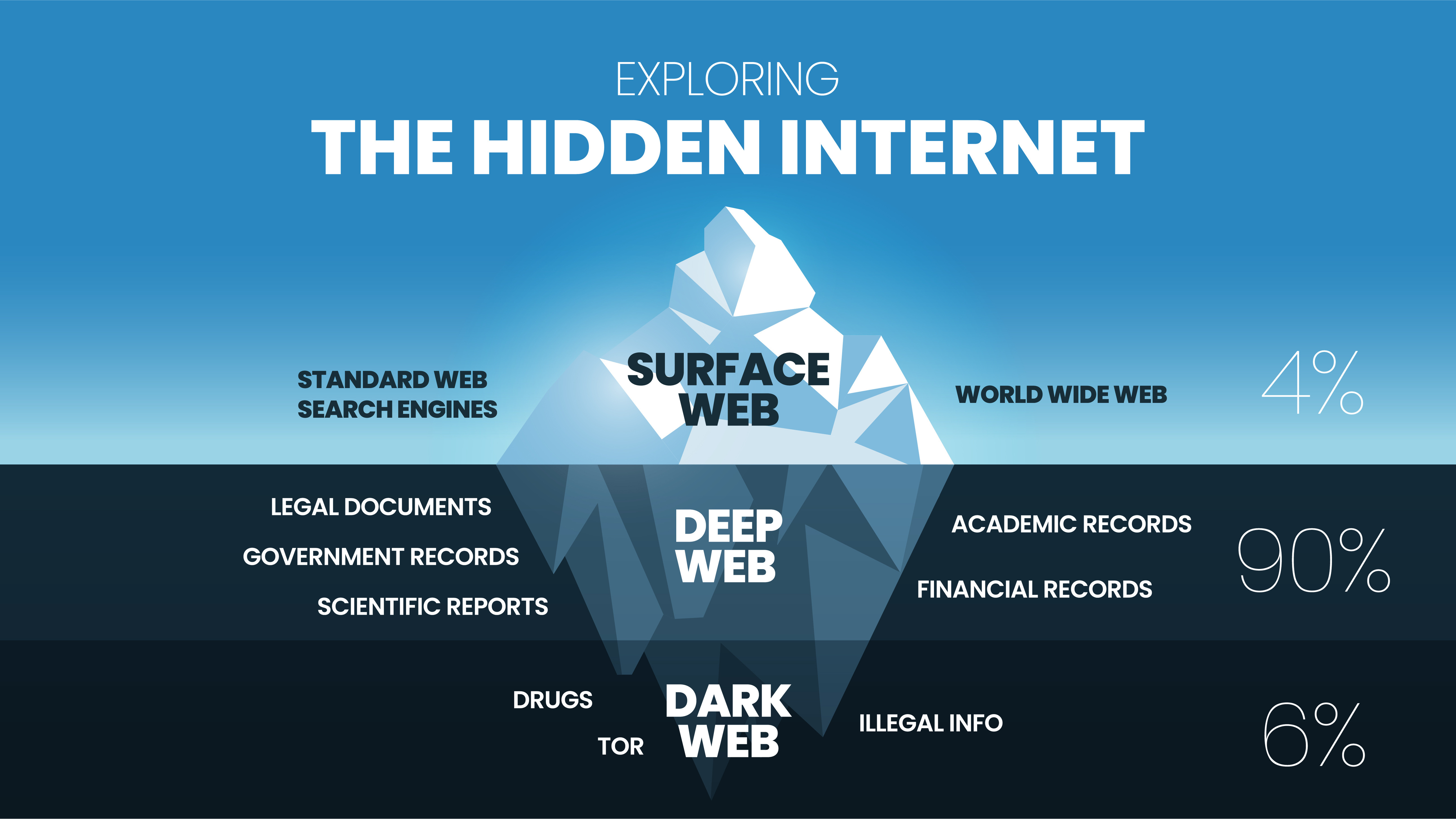
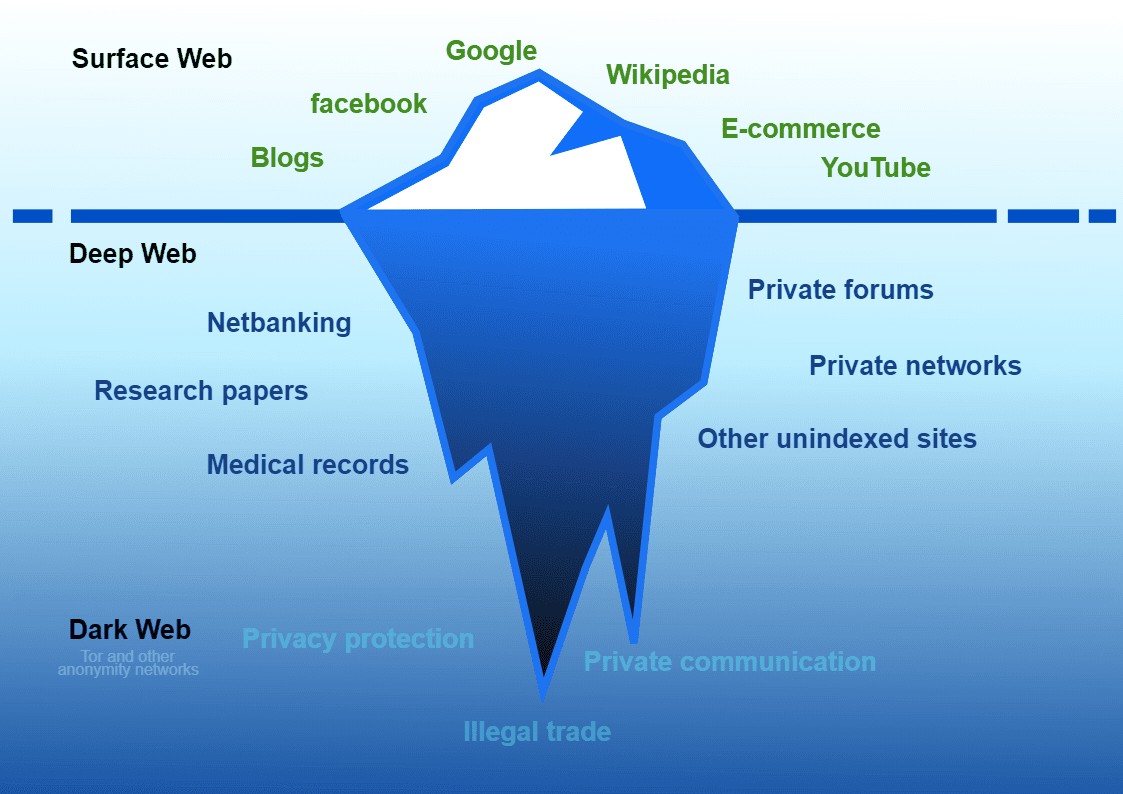
The dark web, a hidden corner of the internet, poses a significant threat to our online security and identity. With the rise of cybercrime and identity theft, it's essential to understand the risks associated with the dark web and take steps to protect yourself. In this article, we'll explore the depths of the dark web, its risks, and provide tips on how to protecting your identity on the dark web.
Risks Associated with the Dark Web
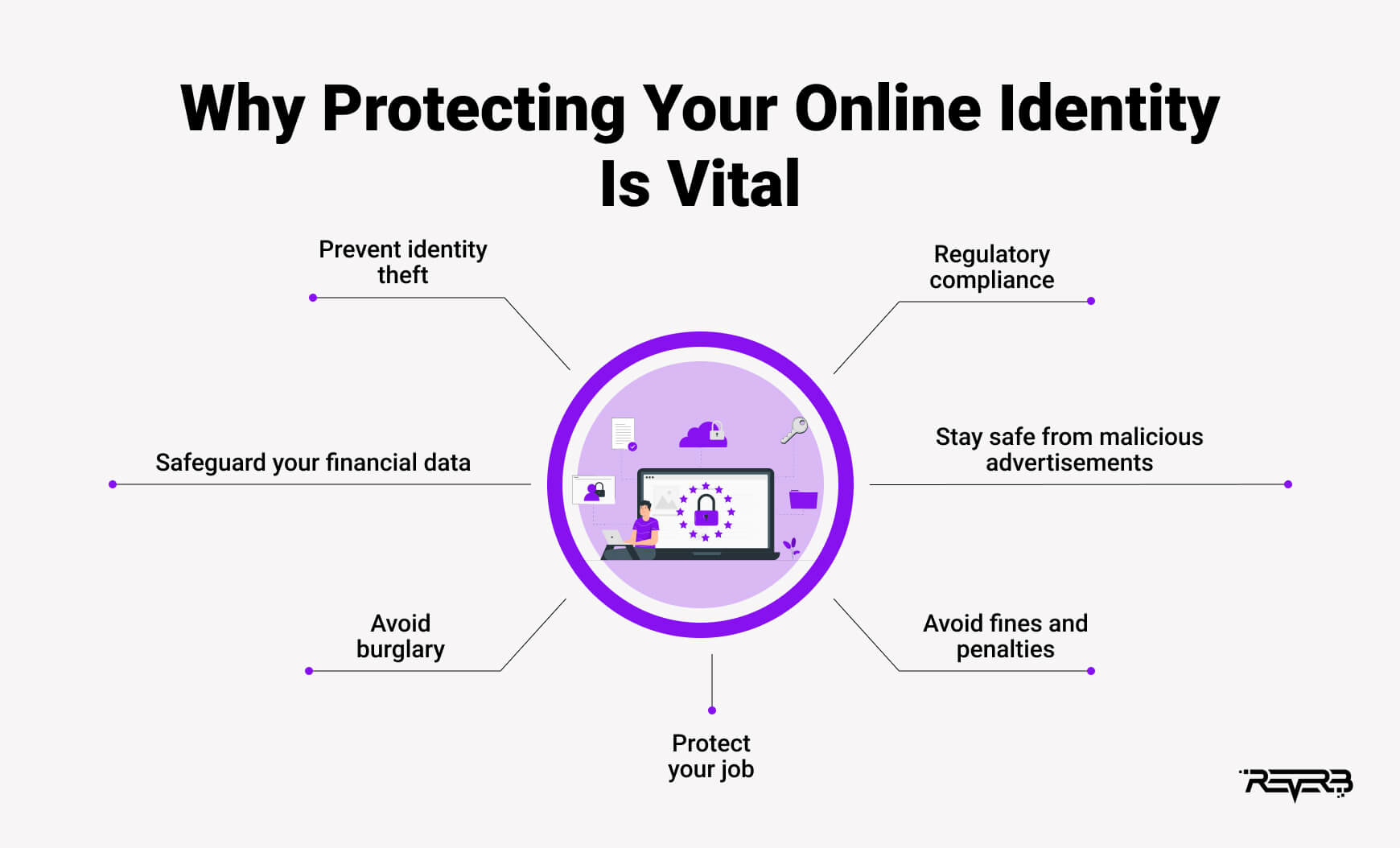
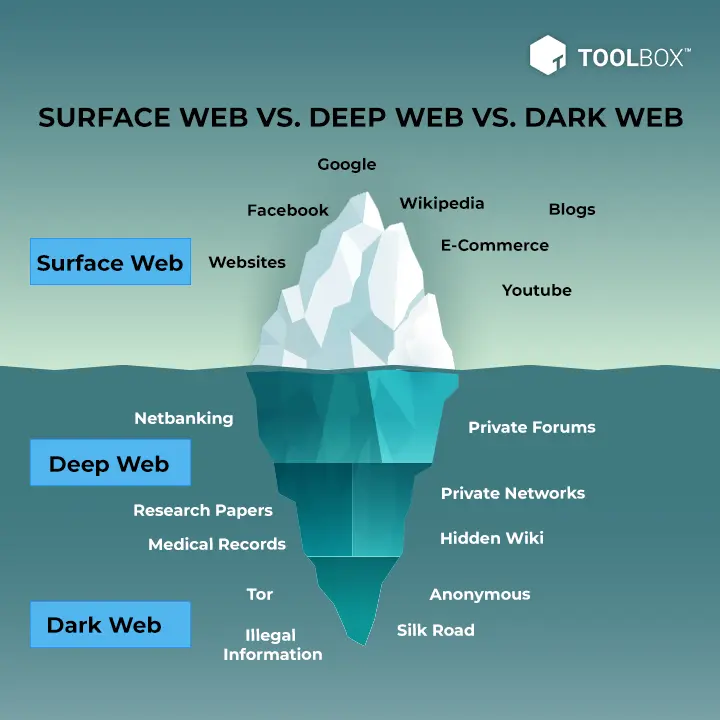
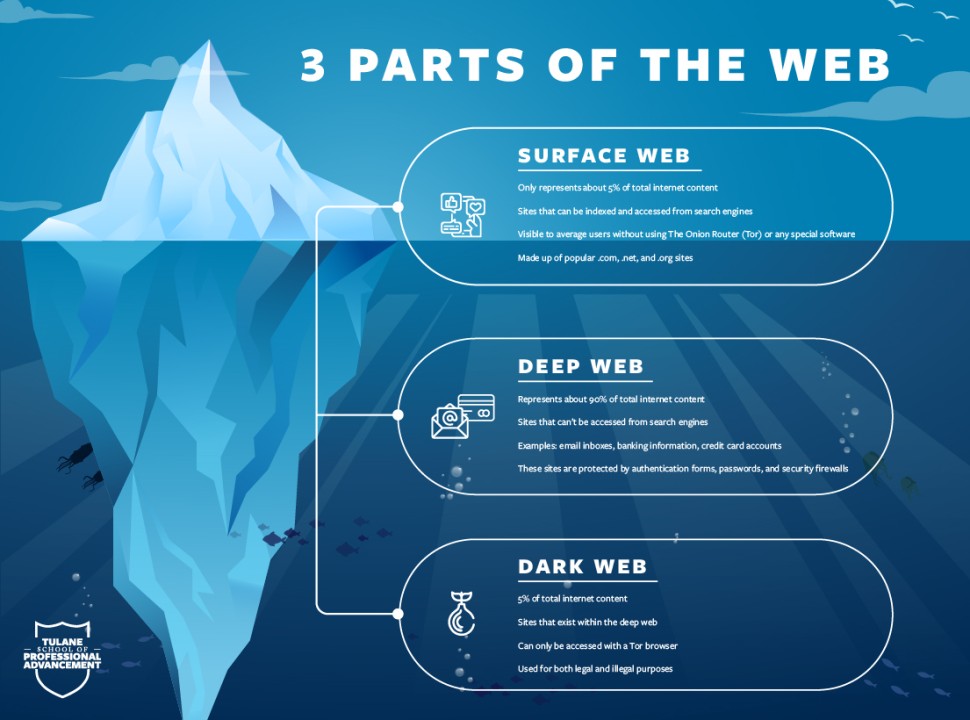
The dark web is a section of the internet that's not indexed by search engines, making it a breeding ground for cybercrime. Hackers can sell your personal information, such as credit card numbers, passwords, and social security numbers, on the dark web for financial gain. This includes:
- Identity theft
- Phishing and scamming
- Credit card fraud
- Loan fraud
- Medical identity theft
- Bank account takeovers
- Financial losses
Protecting Your Identity on the Dark Web
While it's challenging to completely eliminate the risk of identity theft on the dark web, there are steps you can take to reduce the likelihood of falling victim:
Monitoring Your Accounts
Regularly check your bank and credit card statements for suspicious activity. Set up alerts to notify you of any transactions or deviations from your normal spending habits.
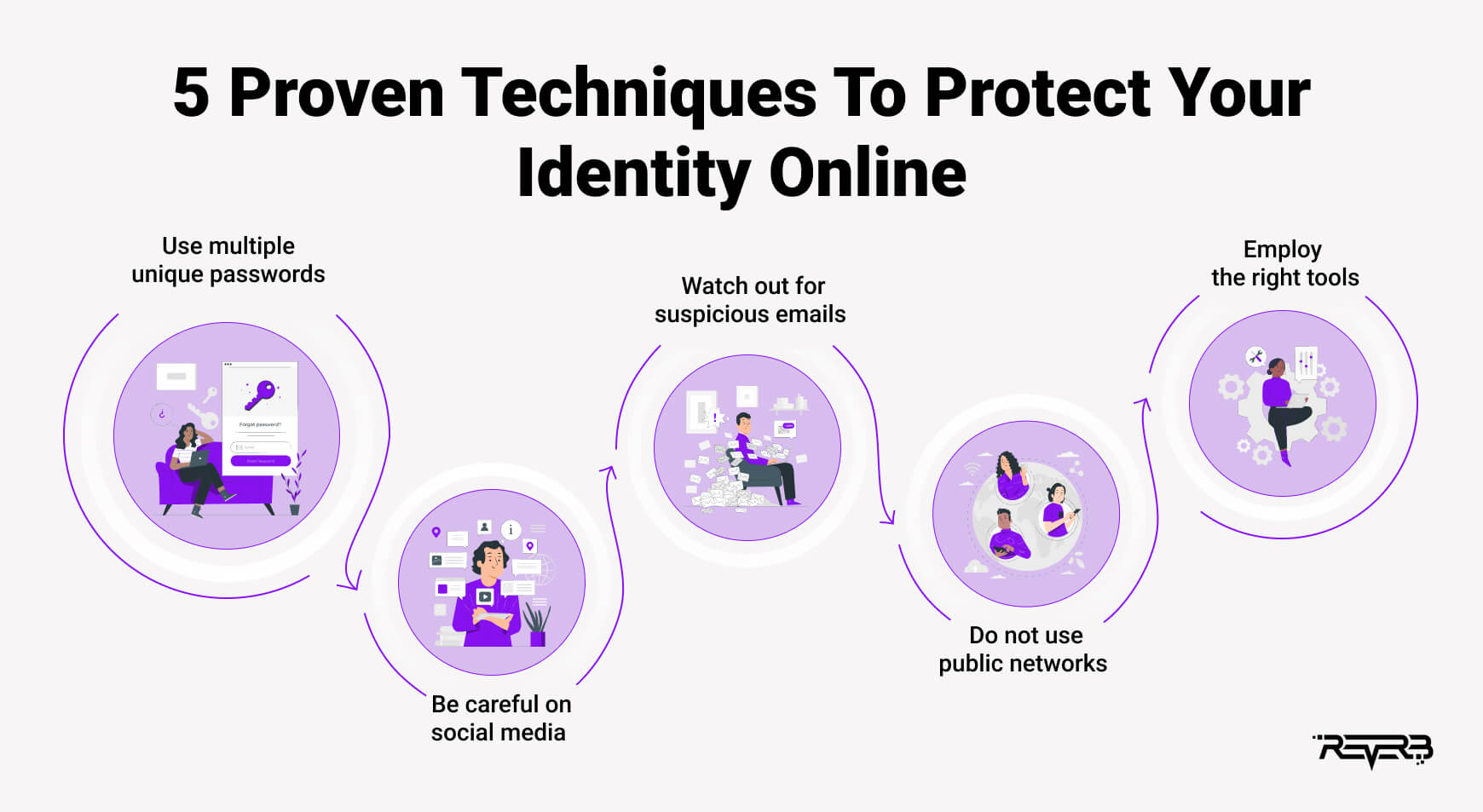
Using Strong, Unique Passwords
Use a password manager to generate and store complex passwords for all accounts, ensuring each one is unique and hard to crack.
Enabling Two-Factor Authentication (2FA)
Enable 2FA on all accounts, including email, social media, and financial services. This adds an extra layer of security, making it more challenging for hackers to access your information.
Maintaining Situational Awareness

Stay informed about the latest cyber threats, tactics, and techniques (TTPs) used by hackers on the dark web. This will help you adjust your security posture accordingly.
Dark Web Monitoring Services
Consider using dark web monitoring services that monitor the deep web and alert you if your personal information is found on the dark web. Some popular services include:
- IdentityIQ
- LifeLock
- McAfee Total Protection
- Equifax Identity Theft Protection
- Lenovo Identity Advisor
Additional Measures
Additionally, consider the following steps to further protect your identity on the dark web:
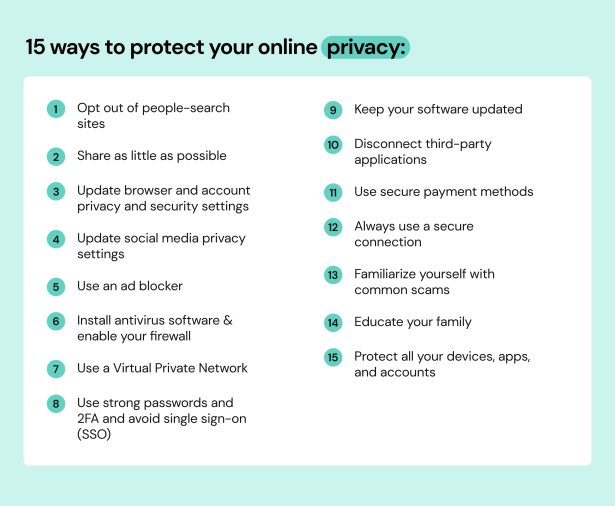
- Use a VPN to encrypt your internet traffic
- Regularly update your operating system and software
- Use anti-virus software and a firewall
- Be cautious of phishing and spear phishing attempts
- Review your credit reports regularly
Conclusion
Protecting your identity on the dark web requires ongoing vigilance and a multi-layered approach. By understanding the risks, monitoring your accounts, using strong passwords and 2FA, and staying informed, you can significantly reduce the likelihood of falling victim to identity theft. Consider using dark web monitoring services and staying up-to-date with the latest security best practices to stay safe on the dark web.
Protecting Your Personal Info: What You Need to Know
The best protection against the dark web starts with awareness, so know what you can do to shield yourself:
- Monitor your accounts regularly
- Use strong passwords and 2FA
- Stay informed about cyber threats
- Use dark web monitoring services
- Take additional measures to further secure your online identity
By taking these precautions, you can effectively protect your identity on the dark web and prevent it from becoming a threatening shadow on your digital footprints.