The Alarming Consequences of Lacking Deep Sleep
Understanding the Importance of Deep Sleep
Sleep is a fundamental aspect of our lives, and while many of us take it for granted, it plays a crucial role in our physical and mental health. Among the various stages of sleep, deep sleep, also known as slow-wave sleep, is the most critical. It is during this stage that our body repairs and regenerates tissues, builds bone and muscle, and strengthens our immune system. Unfortunately, many of us struggle with achieving good deep sleep, leading to a lack of deep sleep, which can have severe consequences on our overall well-being.
Why Deep Sleep Matters
Deep sleep is essential for various bodily functions, including glucose regulation, memory consolidation, and emotional regulation. Research has shown that a lack of deep sleep can lead to insulin resistance, making us more prone to developing type 2 diabetes. Moreover, deep sleep is vital for memory formation and consolidation, and a lack of it can impair our ability to learn and remember new information.
The Dangers of Lacking Deep Sleep
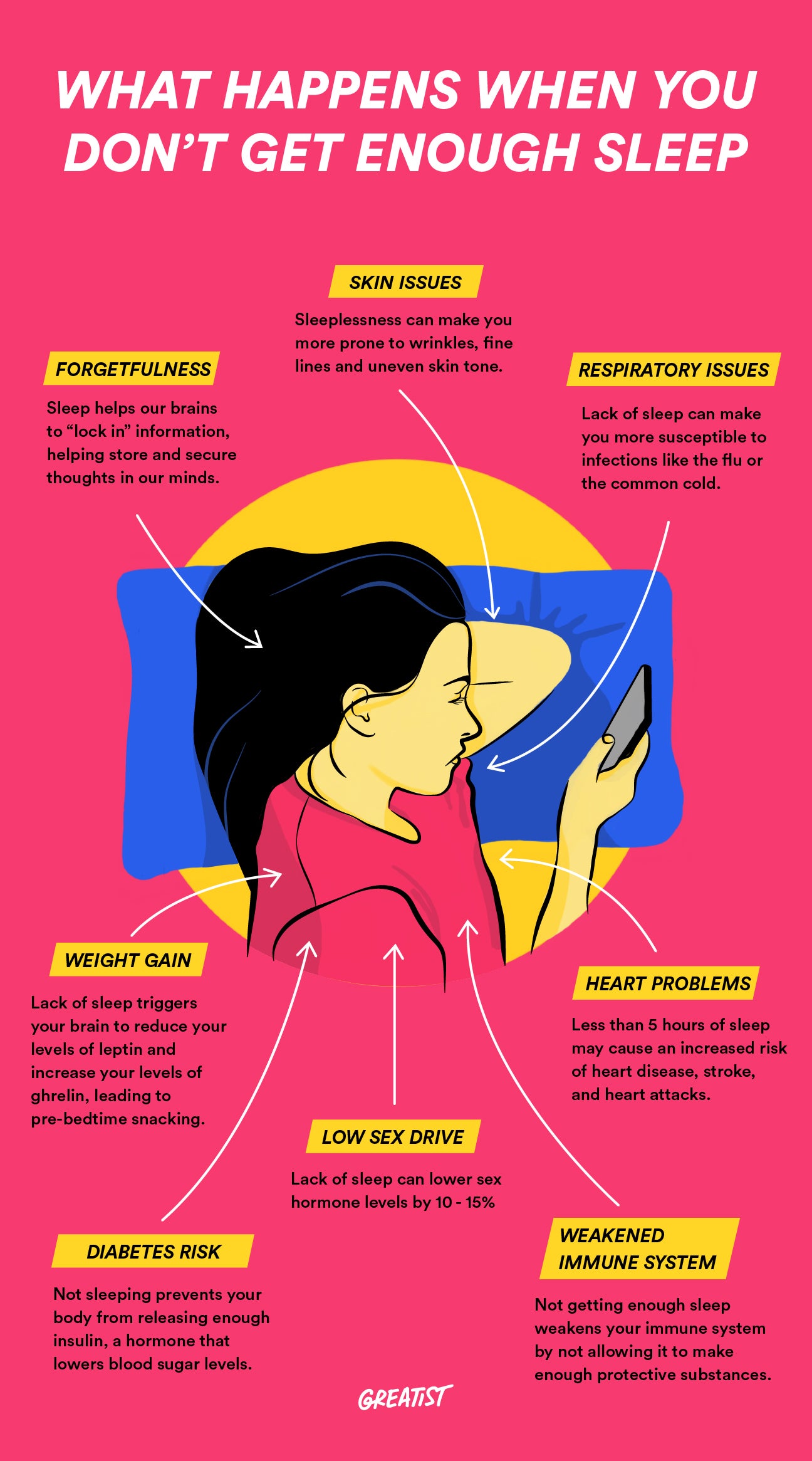
Chronic deep sleep deprivation has been linked to several serious health issues, including:
- Cardiovascular disease: Lacking deep sleep can increase our risk of developing high blood pressure, heart disease, and stroke.
- Diabetes: A lack of deep sleep can lead to insulin resistance, increasing our risk of developing type 2 diabetes.
- Mood disorders: Deep sleep deprivation can lead to depression, anxiety, and mood swings.
- Obesity: Chronic sleep deprivation can lead to overeating and weight gain, increasing our risk of developing obesity.
- Immune system dysfunction: Lacking deep sleep can weaken our immune system, making us more susceptible to illnesses.
What Causes a Lack of Deep Sleep?

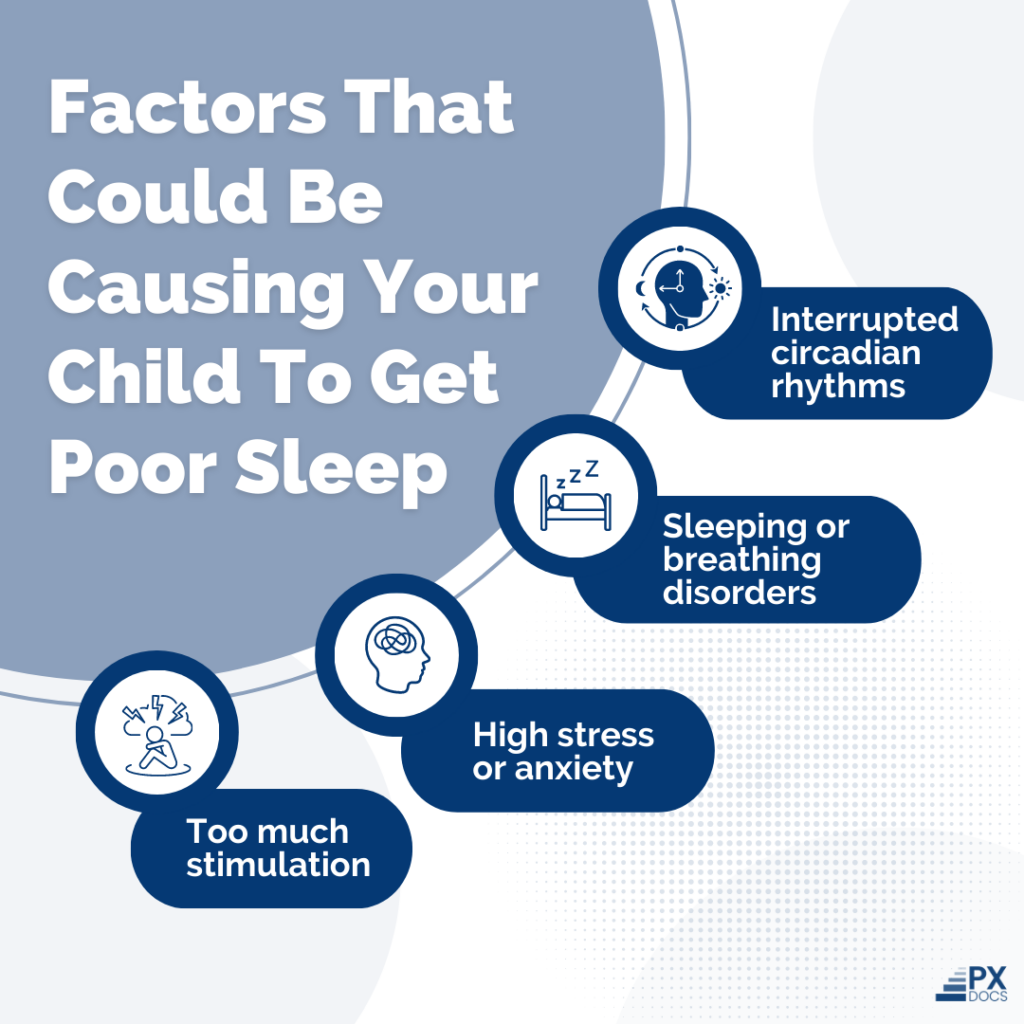
There are several reasons why we may struggle with achieving good deep sleep. Some common causes include:
- Stress: Chronic stress can make it difficult to fall asleep and maintain deep sleep.
- Irregular sleep schedule: Working late hours, traveling across time zones, or experiencing shift work can disrupt our sleep-wake cycle.
- Sleep disorders: Sleep apnea, insomnia, and restless leg syndrome can all disrupt deep sleep.
- Poor sleep environment: A cluttered, noisy, or uncomfortable sleep environment can make it difficult to fall asleep and stay asleep.
- Substance abuse: Using substances like caffeine, nicotine, and recreational drugs can interfere with deep sleep.
Breaking the Cycle of Lacking Deep Sleep
Breaking the cycle of lacking deep sleep requires a combination of lifestyle changes, stress management techniques, and sleep hygiene practices. Some strategies include:
- Establishing a consistent sleep schedule
- Creating a relaxing sleep environment
- Practicing stress-reducing techniques, such as meditation and deep breathing
- Avoiding stimulating activities before bedtime
- Engaging in regular exercise, but not before bedtime
Conclusion
While getting a good night's sleep may seem like a simple task, it is essential for maintaining our physical and mental health. Lacking deep sleep can have severe consequences, including increased risks of chronic diseases and mental health disorders. By adopting healthy sleep habits, managing stress, and creating a conducive sleep environment, we can break the cycle of lacking deep sleep and improve our overall well-being.