Pregnant Hair Dye Risk: What You Need to Know
Pregnancy is a time of great change and uncertainty, and one of the many things that women may worry about is the impact of everyday activities on their baby's health. One common concern is the use of hair dye during pregnancy. While most experts agree that using hair dye during pregnancy is not toxic for the fetus, there are still some precautions to be taken and risks to be aware of.
Types of Hair Dye and Their Risks
There are different types of hair dye, including permanent, semi-permanent, and temporary dyes. Each of these dyes contains chemicals that can be absorbed through the skin, potentially causing harm to the developing fetus. However, the good news is that very little dye is absorbed through the skin, making the risk of harm relatively low.
- Permanent Hair Dye: This type of dye contains the highest concentration of chemicals and is most likely to cause harm if ingested or absorbed through the skin.
- Semi-Permanent Hair Dye: This type of dye contains fewer chemicals than permanent dye but still carries some risk if ingested or absorbed through the skin.
- Temporary Hair Dye: This type of dye is the safest option, as it contains fewer chemicals and is less likely to cause harm if ingested or absorbed through the skin.
Precautions to Take When Using Hair Dye During Pregnancy
If you still want to use hair dye during pregnancy, there are some precautions you can take to minimize the risks. These include:
- Waiting until the second trimester: Most experts recommend waiting until the second trimester to use hair dye during pregnancy, as this is when the risk of harm to the developing fetus is lowest.
- Choosing natural or herbal dyes: These types of dyes are generally safer than synthetic dyes and contain fewer chemicals.
- Applying dye only to the hair shaft, not the scalp: This can help minimize the amount of dye that is absorbed through the skin.
- Patching testing before using a new dye or color: This can help identify any potential allergic reactions or sensitivities.
- Ventilating the area well: Good ventilation can help reduce the amount of dye fumes that are inhaled.
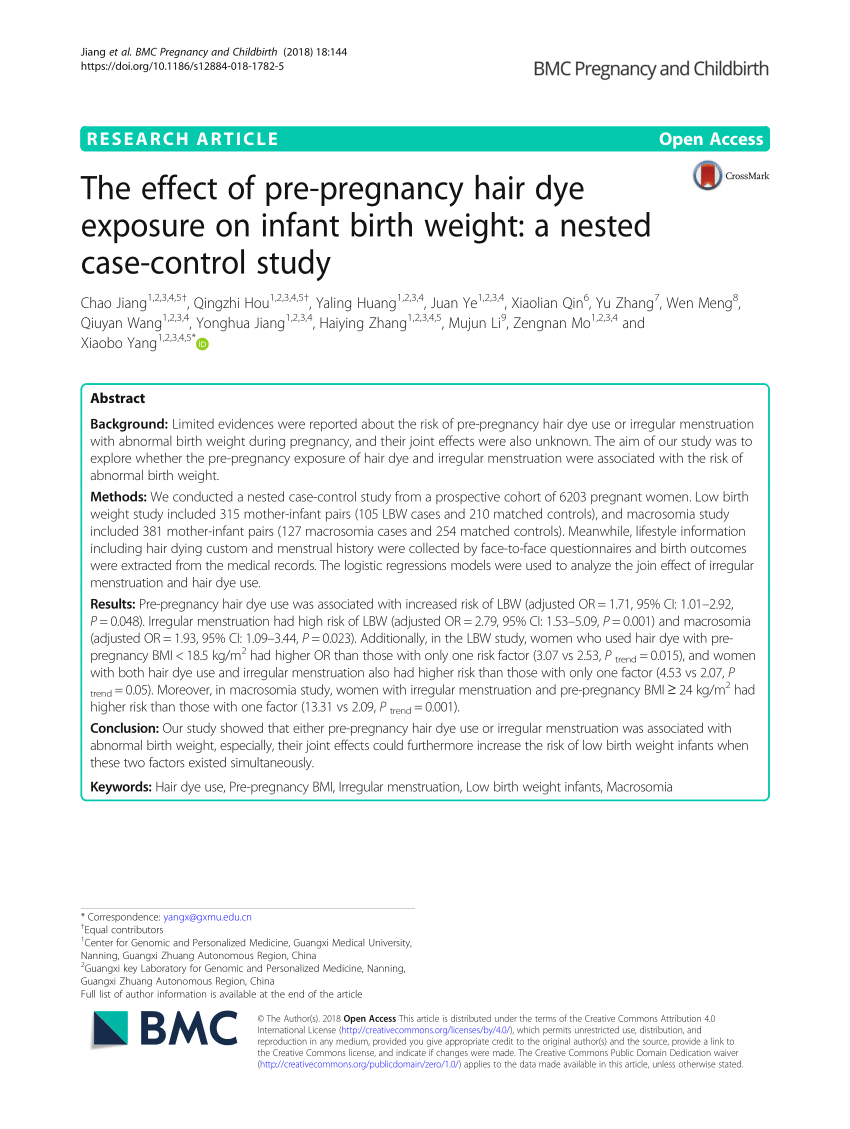
What to Do If You Have Concerns About Hair Dye During Pregnancy
If you are unsure about using hair dye during pregnancy or have concerns about the risks, it is always best to consult with your healthcare provider. They can provide you with personalized advice and help you make an informed decision about whether or not to use hair dye during pregnancy.
Conclusion
While there is no definitive answer on whether dyeing your hair during pregnancy is completely safe, taking precautions and using pregnancy-safe products can help minimize any potential risks. By understanding the types of hair dye and their risks, taking precautions when using hair dye, and consulting with your healthcare provider, you can make an informed decision about whether or not to use hair dye during pregnancy.
Pregnant Hair Dye Risk Key Takeaways
- Hair dye during pregnancy is generally considered safe: However, there are still some precautions to be taken and risks to be aware of.
- Types of hair dye have different risks: Permanent dyes are the most likely to cause harm, while temporary dyes are the safest option.
- Precautions can help minimize risks: Waiting until the second trimester, choosing natural or herbal dyes, applying dye only to the hair shaft, patch testing, and ventilating the area well can all help reduce the risks associated with hair dye during pregnancy.
- Consult with your healthcare provider: If you are unsure about using hair dye during pregnancy or have concerns about the risks, it is always best to consult with your healthcare provider.