The Overload of Information from Social Media: A Threat to Our Mental Health
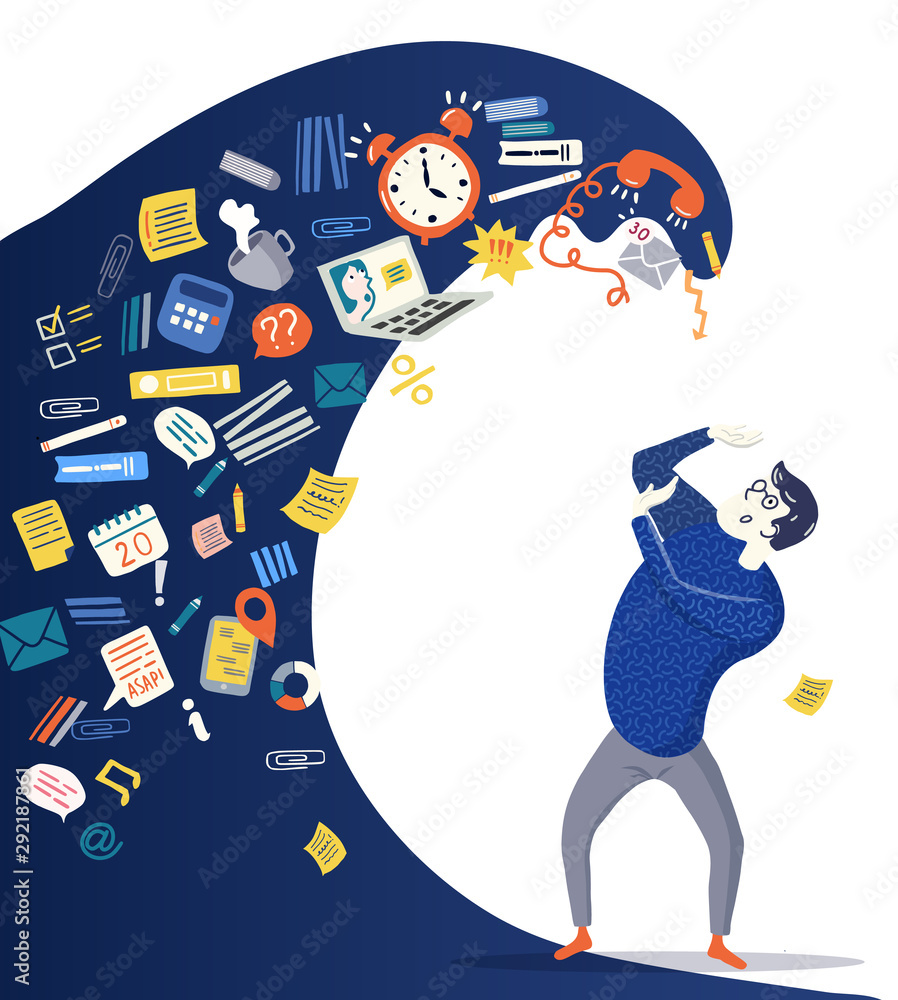
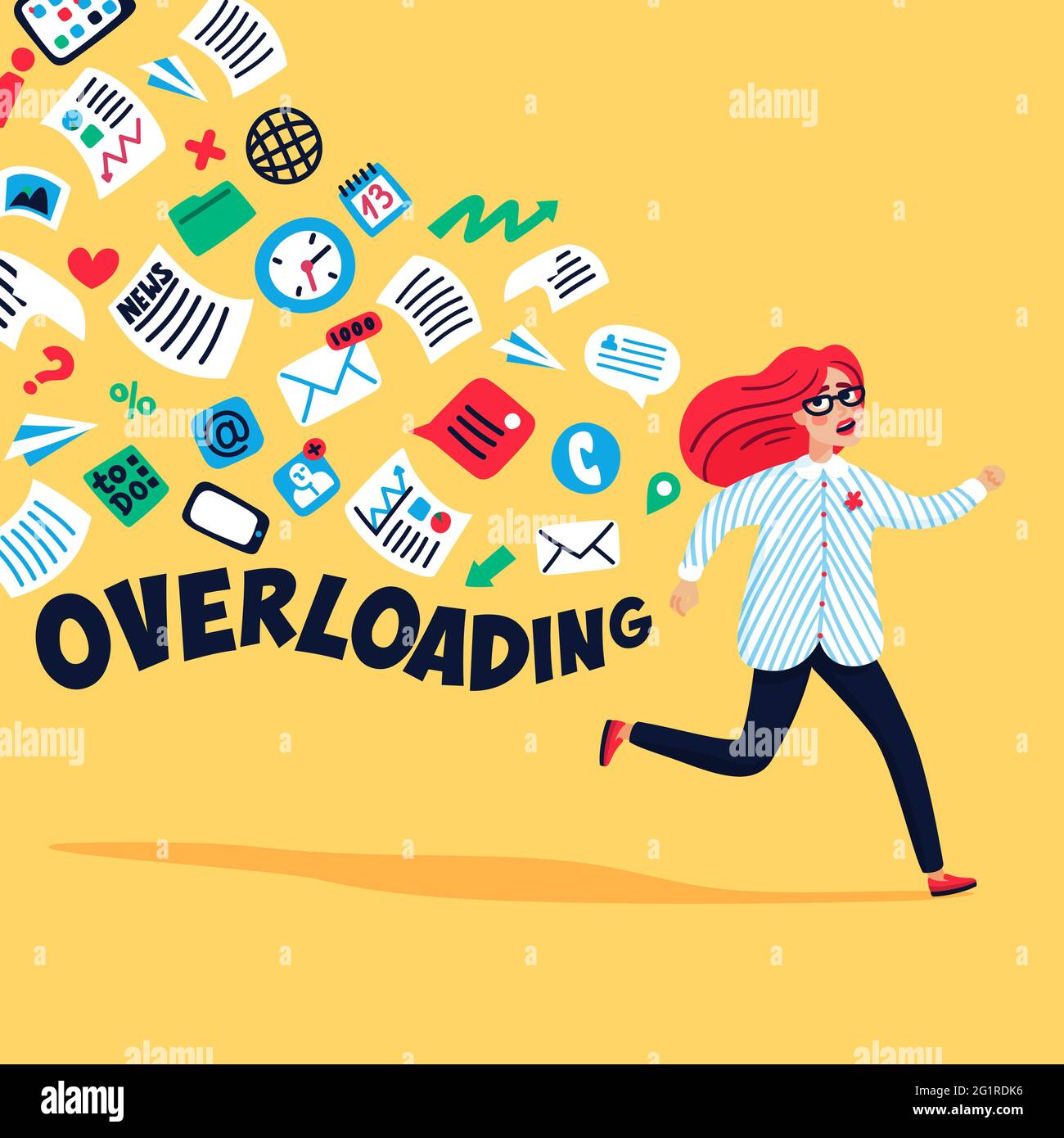
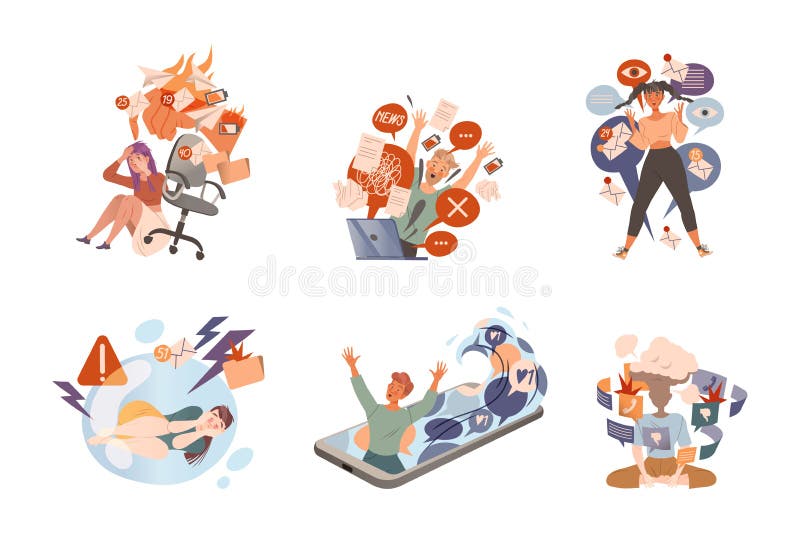
In today's digital age, social media has become an integral part of our daily lives. We use it to stay connected with friends and family, stay updated on current events, and even find new products or services. However, the extensive use of social media has led to a new phenomenon known as the "overload of information from social media." This refers to the state in which an individual is exposed to more information than they can effectively process, manage, or use.
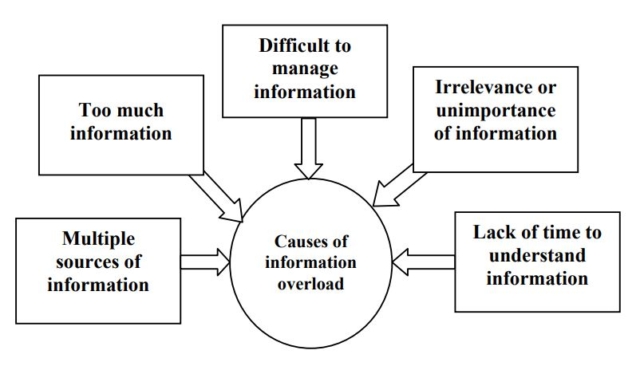
Causes of Information Overload from Social Media
- Endless scrolling: Social media platforms are designed to keep us engaged for as long as possible, resulting in endless scrolling and a continuous stream of information.
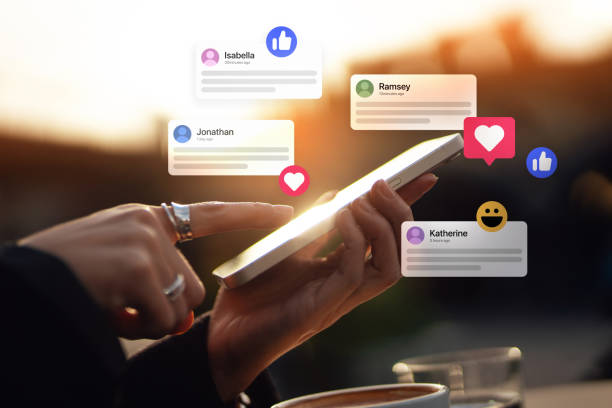
- Constant notifications: Social media apps send notifications for every like, comment, and share, creating a sense of urgency and contributing to feelings of overwhelm.
- Digital noise: Social media is filled with noise, from advertisements to spam, making it difficult to separate the valuable information from the noise.
- Information diversity: Social media platforms showcase a wide range of information, from news and education to entertainment and advertising, making it challenging to find and prioritize relevant content.
The consequences of information overload from social media are far-reaching and can impact our mental health, relationships, and productivity. Some common effects include:
Effects of Information Overload from Social Media

- Anxiety and stress: The constant stream of information and notifications can lead to feelings of anxiety and stress, as we struggle to keep up with the volume of information.
- Mental fatigue: The repeated exposure to social media can lead to mental fatigue, making it difficult to focus and concentrate on other tasks.
- Decreased productivity: The distractions and interruptions caused by social media can decrease productivity, as we spend more time scrolling and less time on actual work or tasks.
So, how can we mitigate the effects of information overload from social media and maintain a healthy relationship with these platforms? Here are some tips:
Strategies for Reducing Information Overload from Social Media
- Set boundaries: Establish specific times for social media use and stick to it. Avoid mindless scrolling and set a goal for what you want to achieve during your social media sessions. li>Use social media analyzers: Tools like Hootsuite and Sprout Social allow you to analyze your social media usage and identify areas for improvement.
- Prioritize quality over quantity: Focus on the quality of your social media interactions, rather than the quantity. Instead of scrolling through hundreds of posts, focus on engaging with a smaller group of meaningful connections.
- Practice self-care: Regularly disconnect from social media and engage in self-care activities, such as exercise, meditation, or reading.
By recognizing the causes and effects of information overload from social media, and implementing strategies for reducing its impact, we can maintain a healthy and balanced relationship with these platforms. Remember, social media is a tool, and like any tool, it requires responsible use to avoid negative consequences.