How to Remove Matted Hair from a Senior Cat
Matted fur in your senior cat is not only unsightly but can also be an indicator of health problems. Neglecting coat care can lead to skin irritation, parasite infestation, and further complications. In this article, we will highlight the possible causes of matted cat fur and show you how to optimally support your feline friend's health with the right techniques and tools.
Understanding Matted Fur in Cats
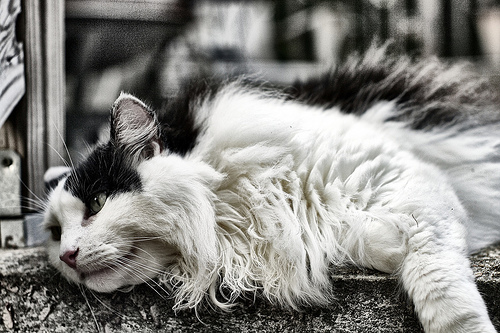
Matted fur isn't just a cosmetic issue; it can significantly impact your cat's health and comfort. These mats form when loose fur becomes entangled with healthy fur, creating tight knots that can pull on the skin. Cats may miss mats when grooming, making it essential to remove them painlessly to avoid discomfort and irritation, and keep your feline's fur healthy and mat-free.
Causes of Matted Fur in Senior Cats
Matted fur in senior cats can be caused by a variety of health issues. As cats age, their grooming habits often decline due to arthritis, decreased flexibility, or other age-related health issues. This can lead to matting, which is not only unsightly but can also cause significant discomfort and even health problems for your feline friend. Some common causes of matted fur in senior cats include:
- Arthritis
- Decreased flexibility
- Old age
- Weight gain or obesity
- Health issues such as kidney disease, diabetes, or hyperthyroidism
How to Remove Matted Hair from a Senior Cat
Removing matted hair from a senior cat requires patience, the right tools, and a gentle approach to avoid stressing or injuring your feline friend. Prevention is always best, but when mats occur, a combination of careful detangling, trimming, and sometimes professional grooming is necessary to restore your cat's coat to health.
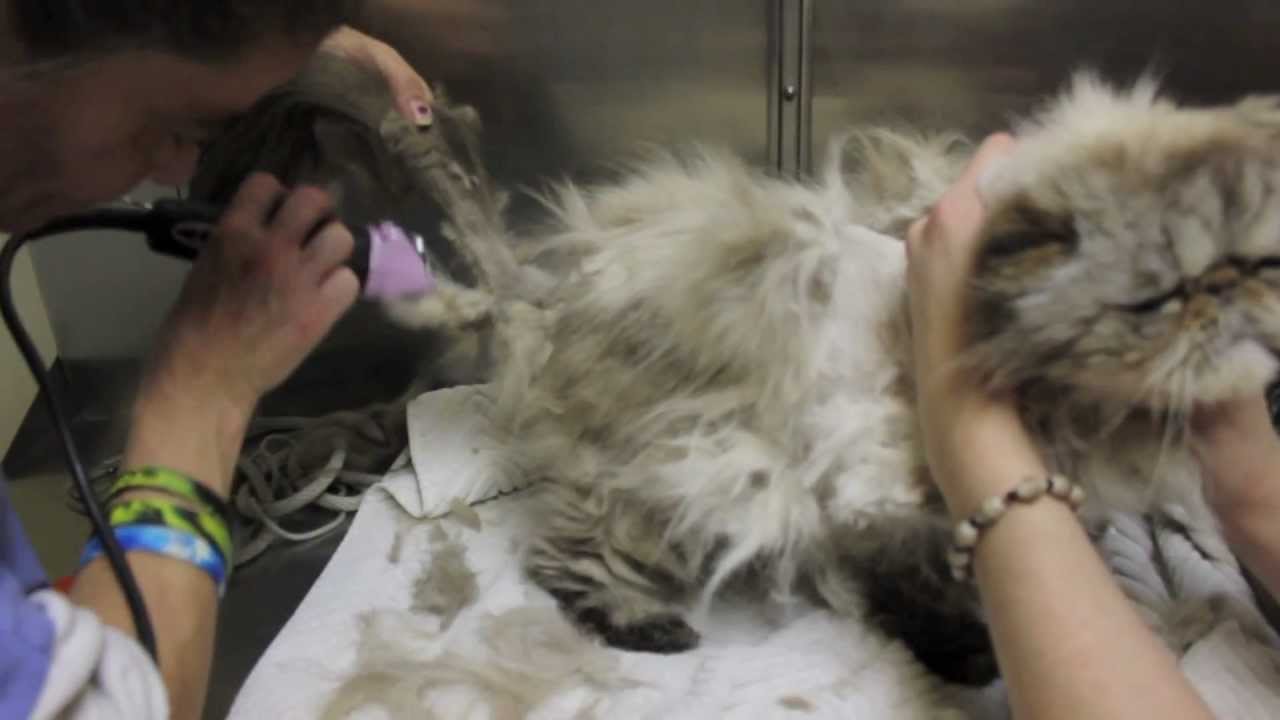
Sometimes, the mats can be too tight and painful, requiring professional grooming. However, with the right techniques and tools, you can safely remove mats from your cat's coat at home. Here's a step-by-step guide on how to remove matted hair from a senior cat:
Step 1: Prepare Your Cat

Before removing mats from your cat's coat, make sure your cat is calm and relaxed. You can begin by giving your cat a treat or a meal to help them feel more comfortable and relaxed. It's also essential to avoid inflicting pain or stress on your cat during the mat-removal process.
Step 2: Use the Right Tools
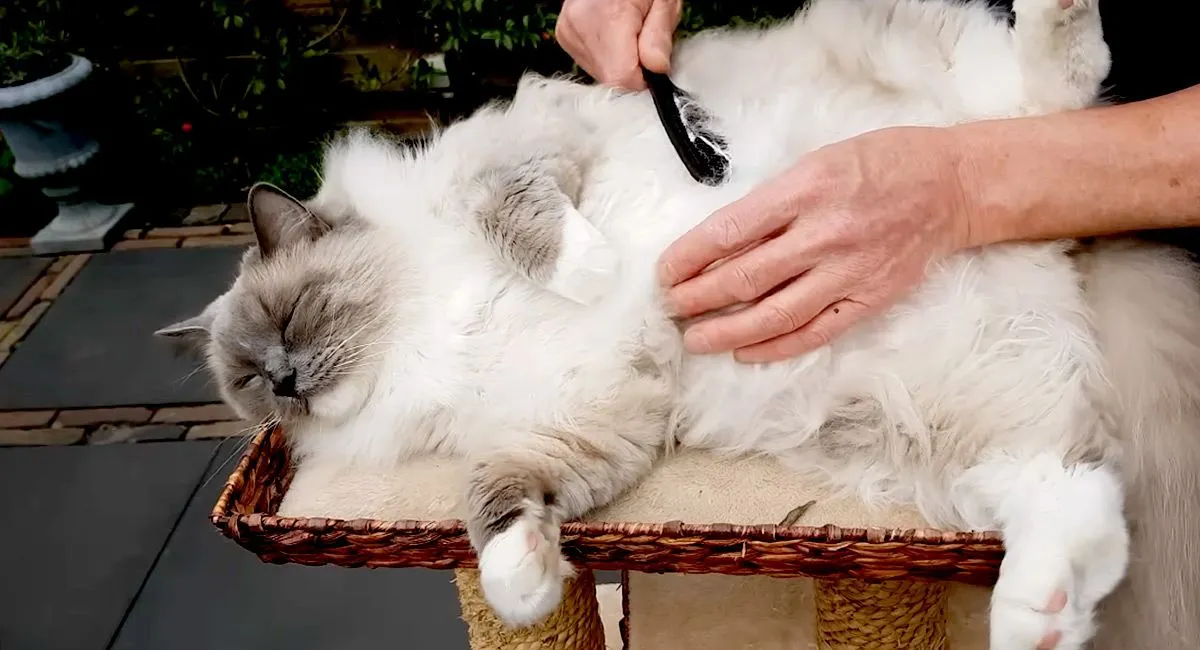
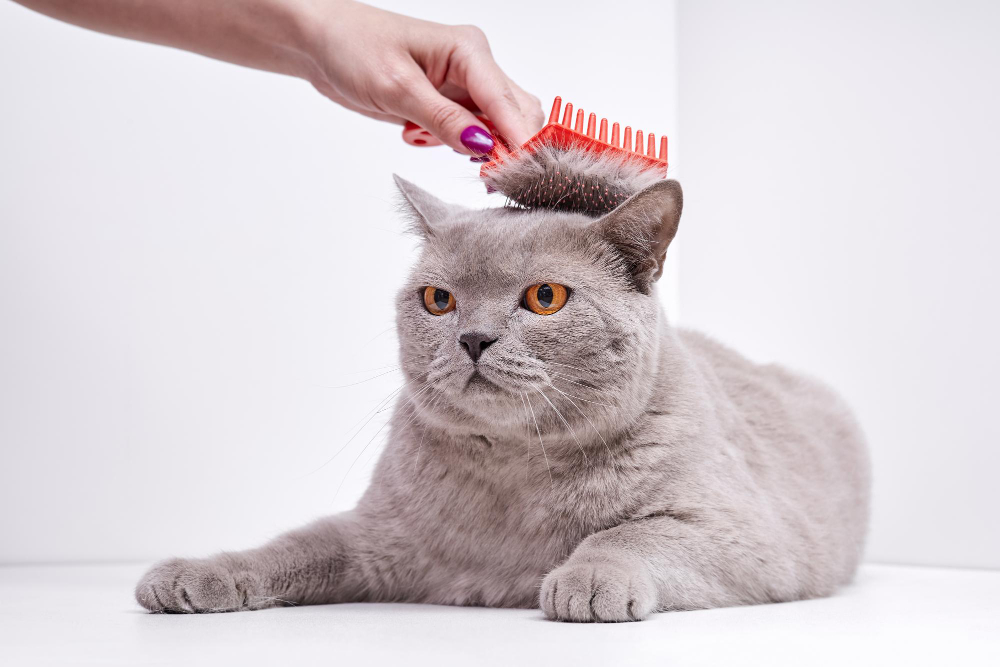
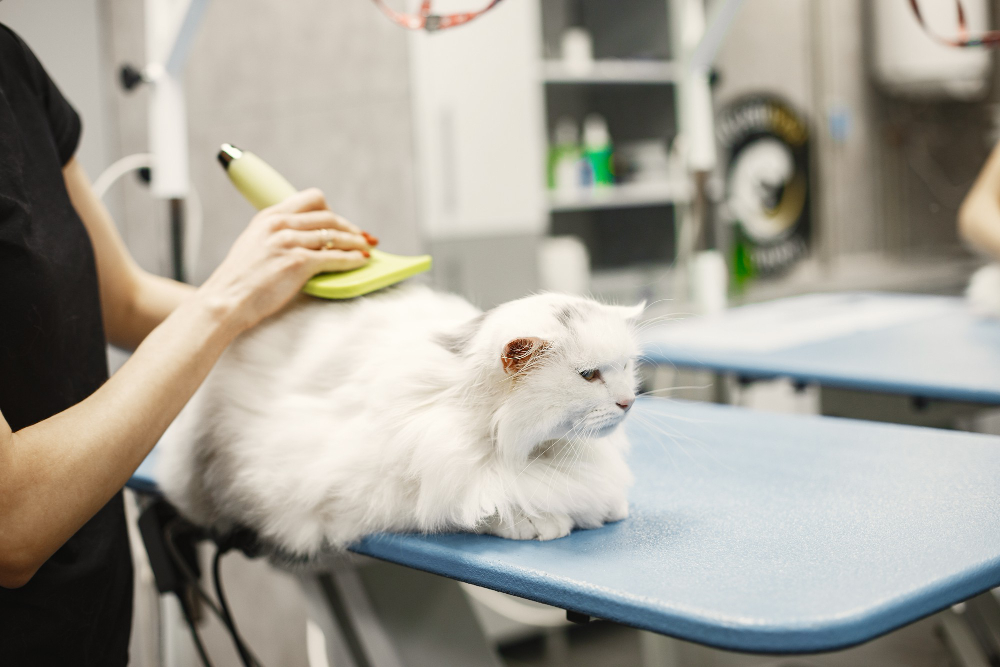
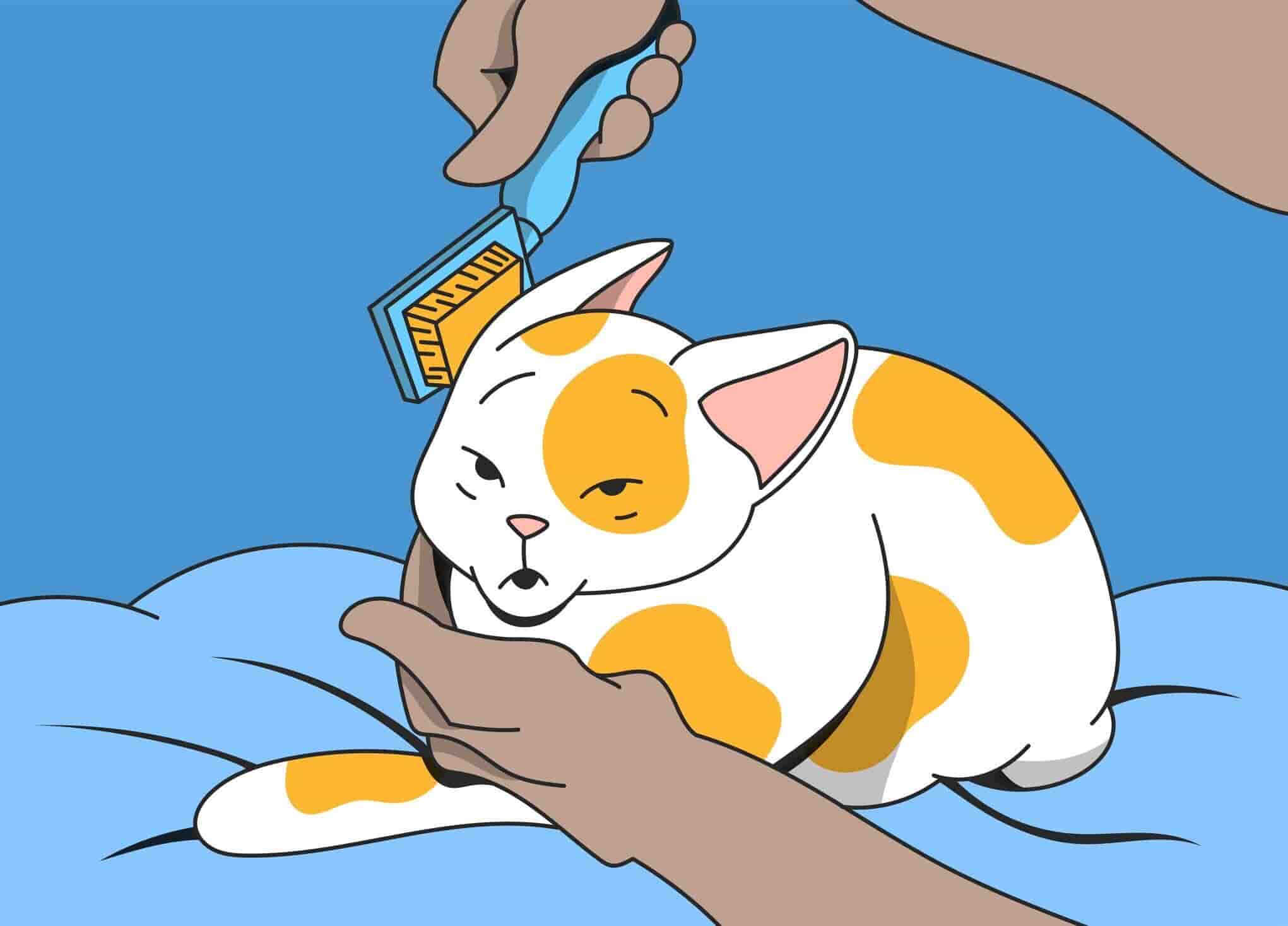
Dematting a cat at home requires the right tools. A wide-toothed comb or a detangling brush specifically designed for cats is ideal for gently detangling matted fur. You may also need a pair of scissors or clippers to carefully trim around the mats and prevent them from matting further.
Step 3: Soften the Mats
Before attempting to remove the mats, softening them with a pet-safe detangling spray or a diluted conditioner can make the process easier and less painful for your cat. Start by gently working the matte at the edges with a wide-toothed comb or detangling brush.
Step 4: Remove the Mats
Once the mats are softened, carefully remove them with a wide-toothed comb or detangling brush, taking care not to cause any pain or discomfort to your cat. If the mats are too tight, you may need to trim them carefully with scissors or clippers.
Preventing Future Mats
Preventing future mats from occurring is crucial to maintaining your cat's coat health. Here are some tips to help prevent matted fur in senior cats:
- Regular grooming: Regular grooming can help prevent mats from forming by removing loose hair and tarantulas.
- Use the right tools: Use a wide-toothed comb or detangling brush specifically designed for cats to gently detangle matted fur.
- Softening mats: Soften mats with a pet-safe detangling spray or a diluted conditioner before attempting to remove them.
- Trimming and brushing: Regular trimming and brushing can help prevent matted fur from forming.