Using Melatonin on Dogs: A Comprehensive Guide
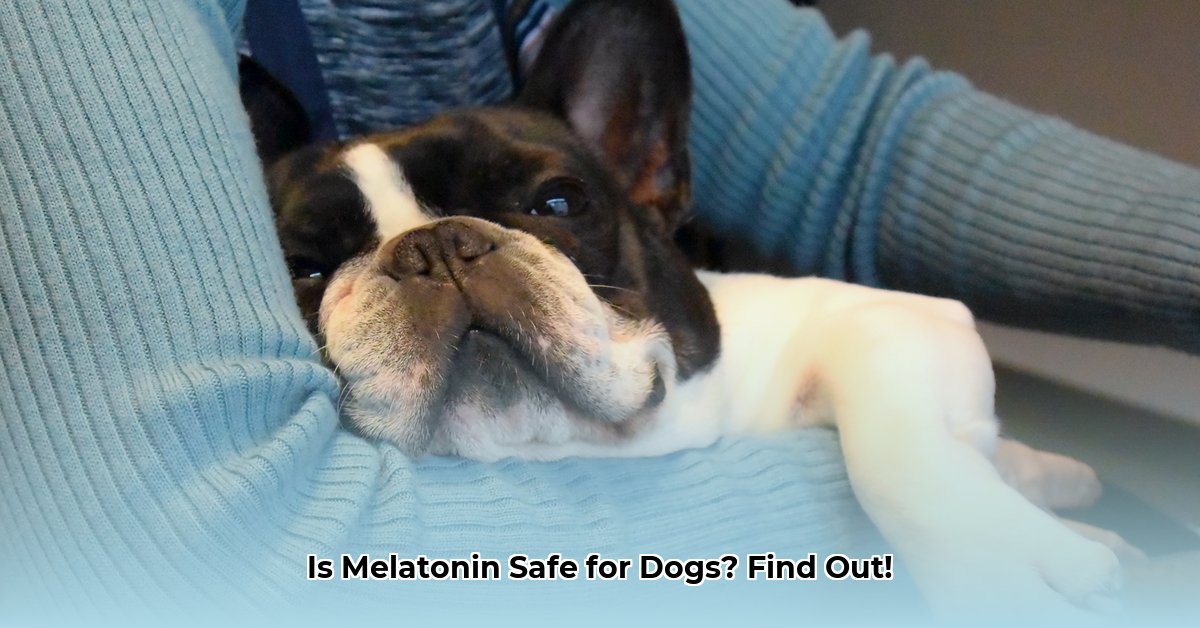
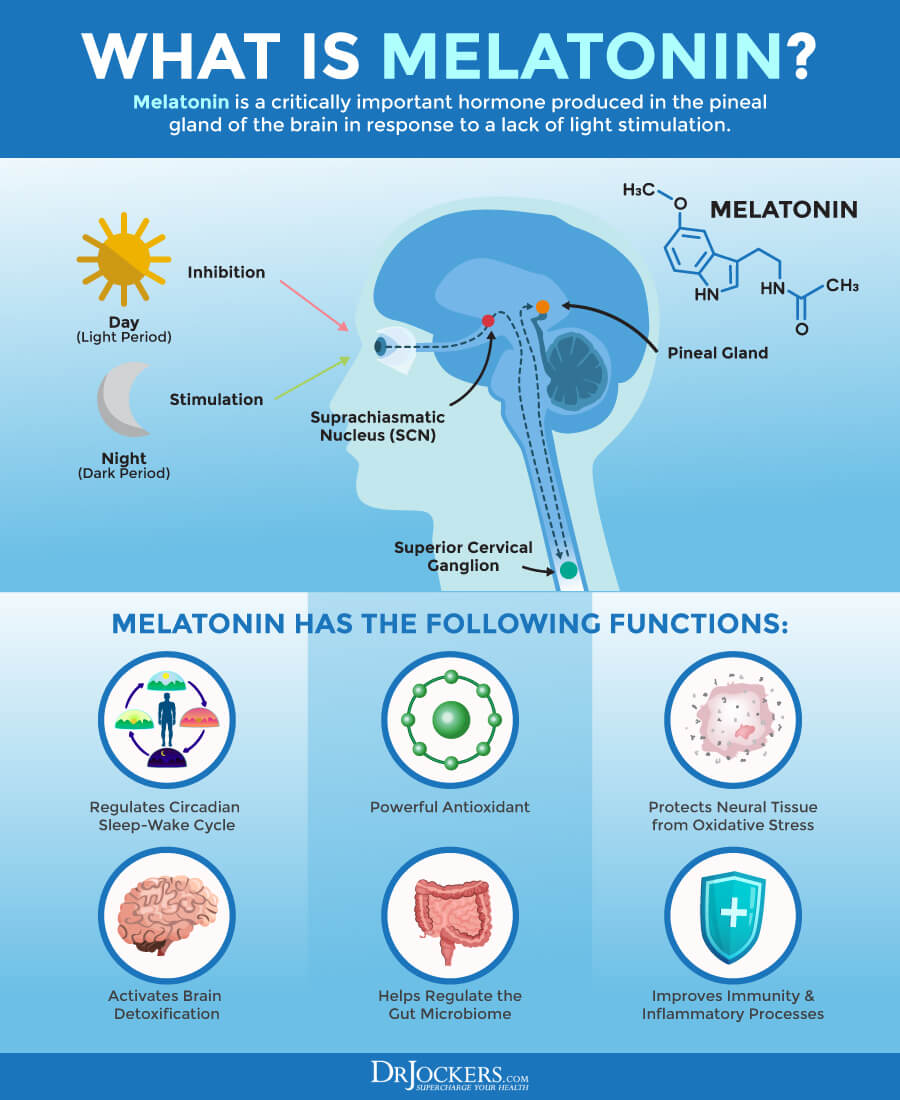
Melatonin, a naturally occurring hormone produced in the pineal gland, has been widely used in humans to regulate sleep cycles. However, its use in dogs has gained significant attention in recent years due to its potential benefits in treating various conditions, including anxiety, hair loss, and sleep disorders. In this article, we will delve into the world of using melatonin on dogs, exploring its benefits, dosage, and safety profile.
Benefits of Using Melatonin on Dogs
Melatonin can help dogs with anxiety, particularly separation anxiety, fear, stress, and phobias.
It can aid in reducing hair loss in dogs, particularly those suffering from alopecia (non-allergic hair loss).
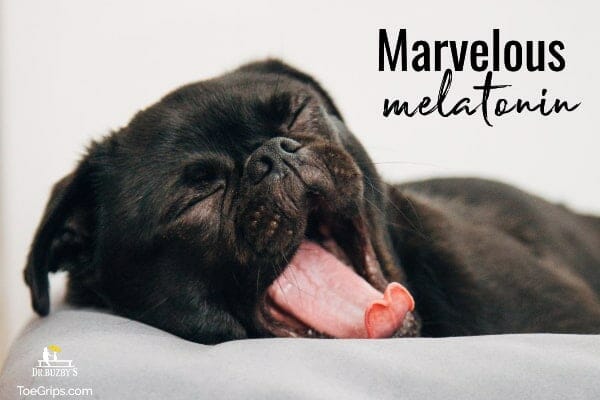
Melatonin can help regulate sleep patterns in dogs, promoting a normal sleep schedule and improving overall sleep quality.
It may also help alleviate symptoms associated with Cushing's disease and hyperadrenocorticism in dogs.
Recommended Dosage for Using Melatonin on Dogs
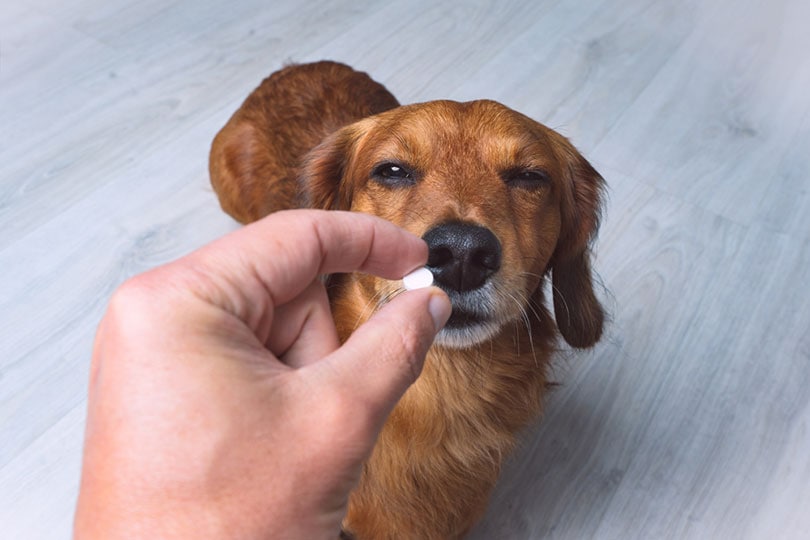
The dosage of melatonin depends on the dog's weight and the specific condition being treated. Generally, the recommended dosage is 0.1 milligrams of melatonin per kilogram of the dog's weight. However, it's essential to consult with a veterinarian before administering melatonin to your dog, as they can provide guidance on the appropriate dosage based on your dog's individual needs.
Safety Profile of Using Melatonin on Dogs
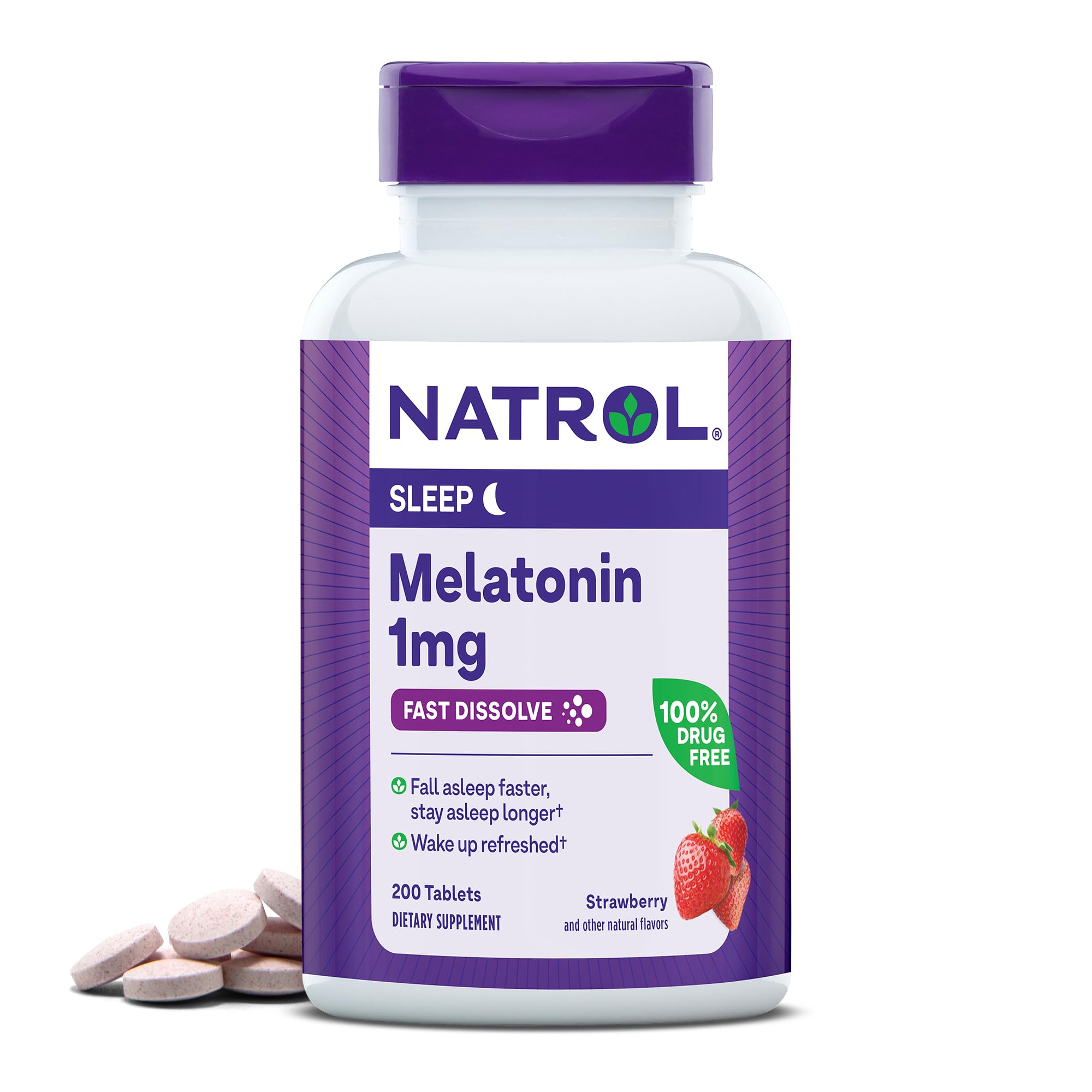
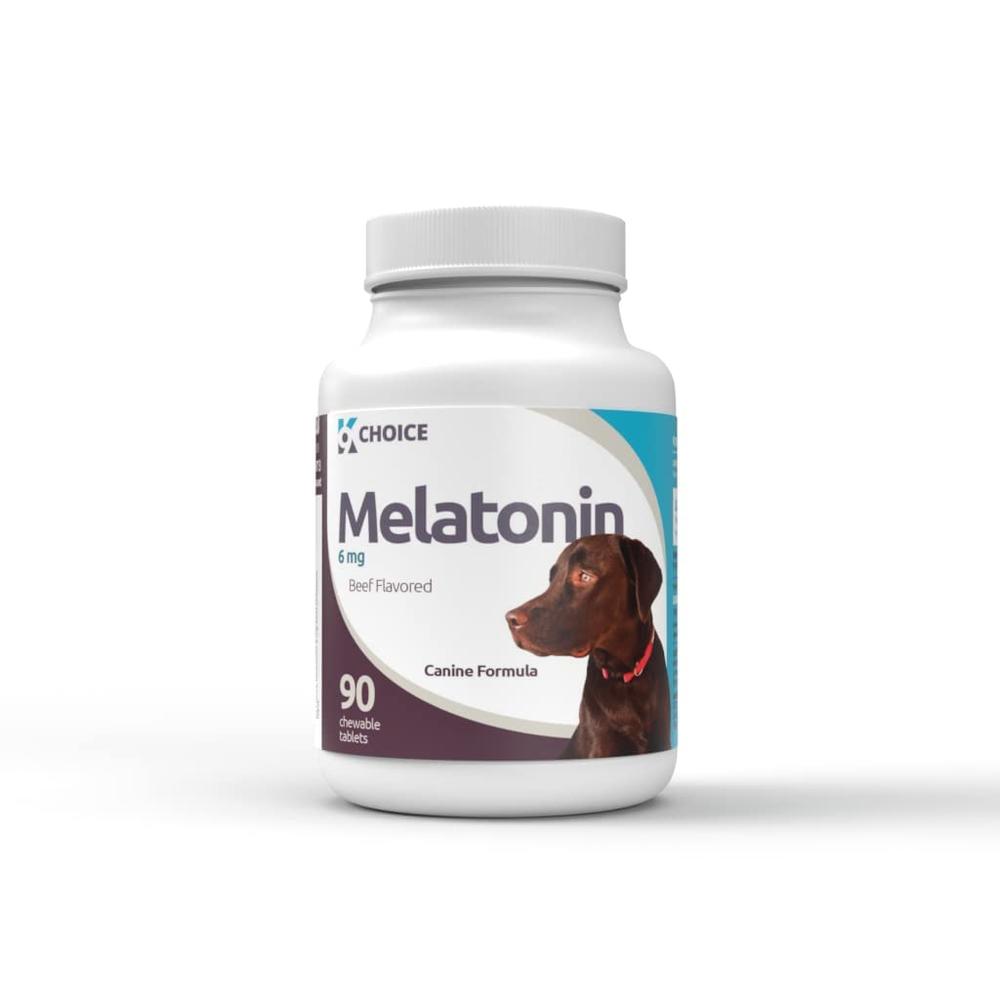
Melatonin is generally considered safe for dogs, but it's essential to choose a product specifically formulated for canine use. Human melatonin products may contain ingredients like xylitol, which can be toxic to dogs. Always read the ingredient list and consult with your veterinarian before giving your dog any supplement, including melatonin.
Precautions and Potential Side Effects
While melatonin is generally safe, there are potential side effects to be aware of, including:
Sedation: Melatonin may cause drowsiness or sedation in dogs, especially when given in high doses.
Interactions with other medications: Melatonin may interact with other medications your dog is taking, including sedatives, antidepressants, and blood thinners.
Withdrawal symptoms: Stopping melatonin abruptly can cause withdrawal symptoms in some dogs, including anxiety and restlessness.

Conclusion
Melatonin can be a valuable tool in managing anxiety, hair loss, and sleep disorders in dogs. However, it's essential to consult with a veterinarian to determine the appropriate dosage and ensure the product is safe for your dog. By following the recommended guidelines and being aware of potential side effects, you can help your dog thrive with the benefits of melatonin supplementation.
Alternatives to Melatonin: What You Need to Know
While melatonin is a valuable supplement for dogs, it may not be suitable for every dog. In some cases, alternative treatments may be recommended, including:
Lignans: These plant compounds have been shown to have anti-inflammatory and antioxidant properties, making them a potential alternative to melatonin.
Hemp oil and other cannabis-based products: Some studies suggest that hemp oil and other cannabis-based products may have anxiolytic and sleep-promoting effects in dogs.
Calming aids: There are various calming aids available, including treats and supplements, that can help reduce anxiety and stress in dogs.
Consult with Your Veterinarian
If you're considering using melatonin on your dog or exploring other alternatives, it's essential to consult with your veterinarian. They can provide guidance on the best course of treatment, help you choose the right product, and monitor your dog's response to ensure their safety and well-being.
Conclusion: Using Melatonin on Dogs
Melatonin can be a valuable supplement for dogs, helping to address anxiety, hair loss, and sleep disorders. However, it's essential to approach its use with caution, consulting with a veterinarian to determine the right dosage and ensuring the product is safe for your dog. By following the recommended guidelines and being aware of potential side effects, you can help your dog thrive with the benefits of melatonin supplementation.