Setting Up a Trust in Canada: A Comprehensive Guide
In Canada, setting up a trust can be a powerful tool for managing and protecting assets, reducing tax burdens, and ensuring a smooth transition for beneficiaries. However, navigating the complex rules and regulations surrounding trusts in Canada can be daunting without the right guidance. In this article, we'll explore the benefits, requirements, and step-by-step process of setting up a trust in Canada.
Benefits of Setting Up a Trust in Canada
- Reducing Tax Burden: Setting up a family trust in Canada can significantly reduce your overall tax burden by allocating assets to different family members, taking advantage of progressive tax benefits.
- Asset Protection: Trusts can provide a layer of protection for assets from creditors, lawsuits, and other financial risks.
- Control Over Asset Distribution: The person opening the trust, known as the settlor, can dictate how the assets are administered and distributed.
- Flexibility and Power: Trusts offer a range of options for managing and distributing assets, making them an essential component of estate planning in Ontario.
Types of Trusts in Canada
There are several types of trusts available in Canada, each with its own unique characteristics and benefits. Some of the most common types of trusts include:
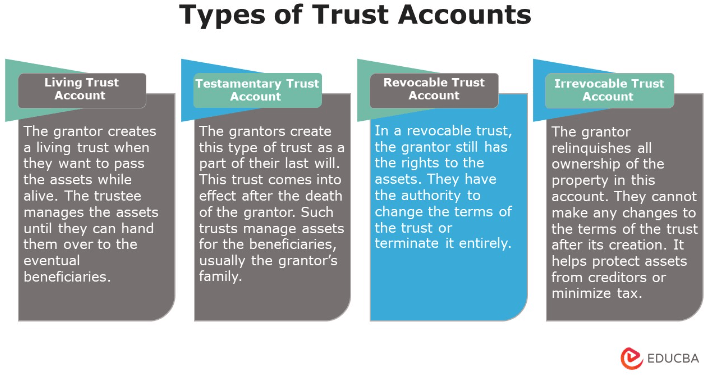
- Revocable Trusts: Allow the grantor to maintain control over the assets and make changes to the trust as needed.
- Irrevocable Trusts: Cannot be changed or terminated once established, providing a higher level of asset protection.
- Living Trusts: A type of revocable trust that becomes effective during the grantor's lifetime, often used for estate planning and asset protection.
- Testamentary Trusts: Established through a will, these trusts provide a way to manage and distribute assets after the grantor's passing.
- Asset Protection Trusts: Designed to protect assets from creditors and lawsuits, these trusts are often used for high-net-worth individuals.
- Charitable Trusts: Allow donors to make charitable gifts while also receiving tax benefits and other incentives.
Setting Up a Trust in Canada: Step-by-Step Guide

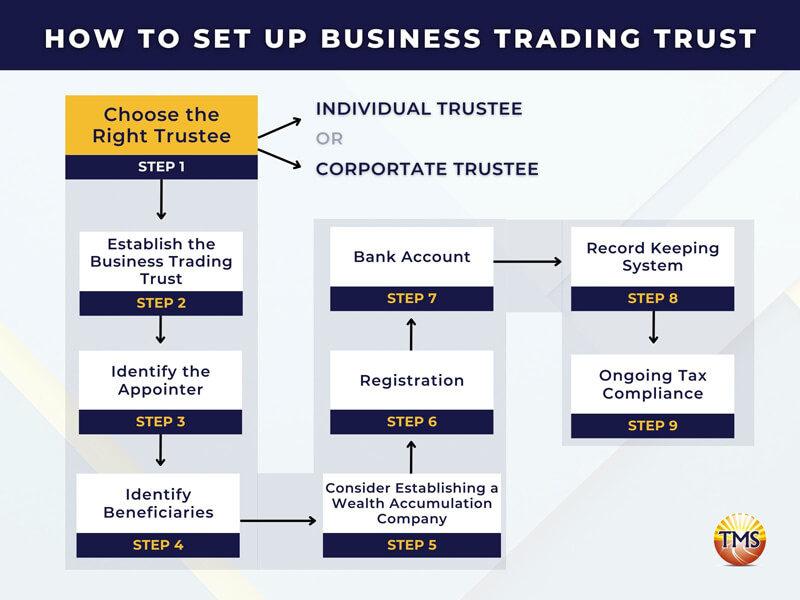
Setting up a trust in Canada involves several steps, including:
- Choosing the Type of Trust: Decide on the type of trust that best suits your goals and needs.
- Drafting a Trust Agreement: This legal document outlines the trust's terms, including who the trustee and beneficiaries are, and how the assets will be managed and distributed.
- Appointing a Trustee: Choose a reliable and trustworthy individual or institution to manage the trust.
- Officially Setting Up the Trust: This typically involves transferring assets to the trust, settling the trust with a nominal asset, and obtaining a trust account number from the Canada Revenue Agency (CRA).
Tax Benefits of Setting Up a Trust in Canada
Trusts in Canada are subject to tax, but the tax implications can be complex and nuanced. Some of the key tax benefits of setting up a trust in Canada include:
- Reduced Tax Burden: By allocating assets to different family members, trusts can reduce the overall tax burden.
- Tax Savings: Trusts can provide tax savings by allowing income to be split among beneficiaries in lower tax brackets.
- Income Splitting: Trusts can be used to split income among family members, taking advantage of progressive tax rates.
Conclusion
Setting up a trust in Canada can be a powerful tool for managing and protecting assets, reducing tax burdens, and ensuring a smooth transition for beneficiaries. By understanding the benefits, requirements, and step-by-step process of setting up a trust in Canada, you can make informed decisions about your financial and estate planning goals. Consult with a professional to determine the best course of action for your unique situation.