Unlock the Power of Push Notifications
Push notifications have become an essential tool for businesses to communicate with their customers and stay ahead in today's competitive market. Also known as 'alerts,' these messages are sent directly to a user's device, ensuring that the intended message is seen and read in a timely manner. In this article, we will delve into the concept of push notifications, their working, types, examples, benefits, and best practices to help you make the most of this innovative marketing strategy.
What are Push Notifications?
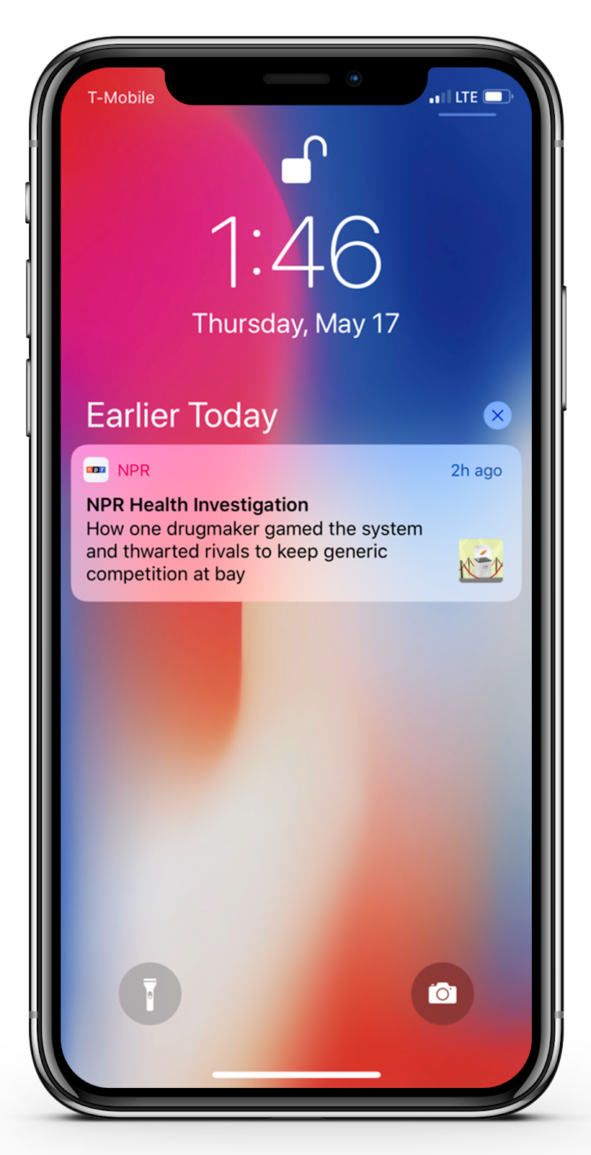
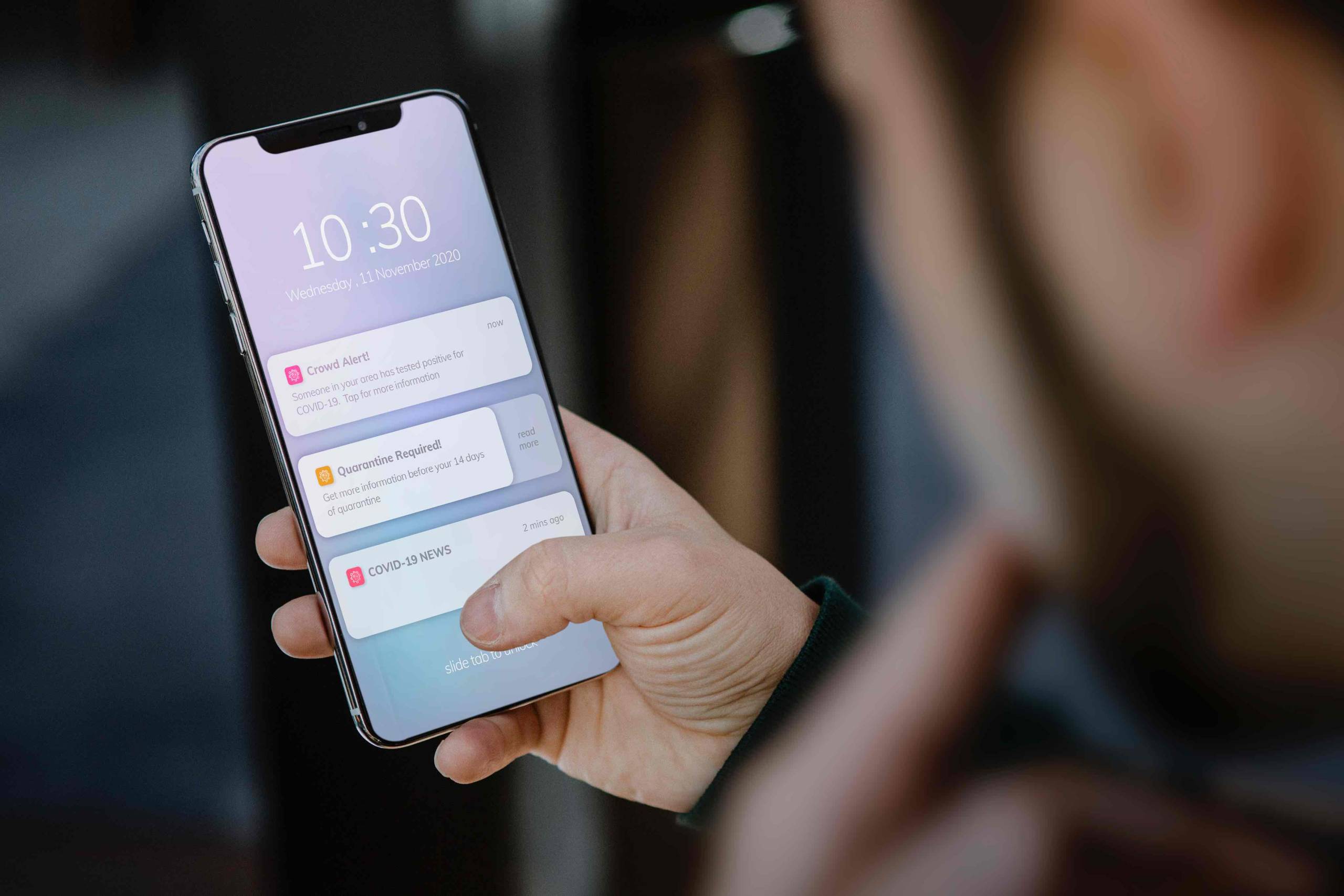
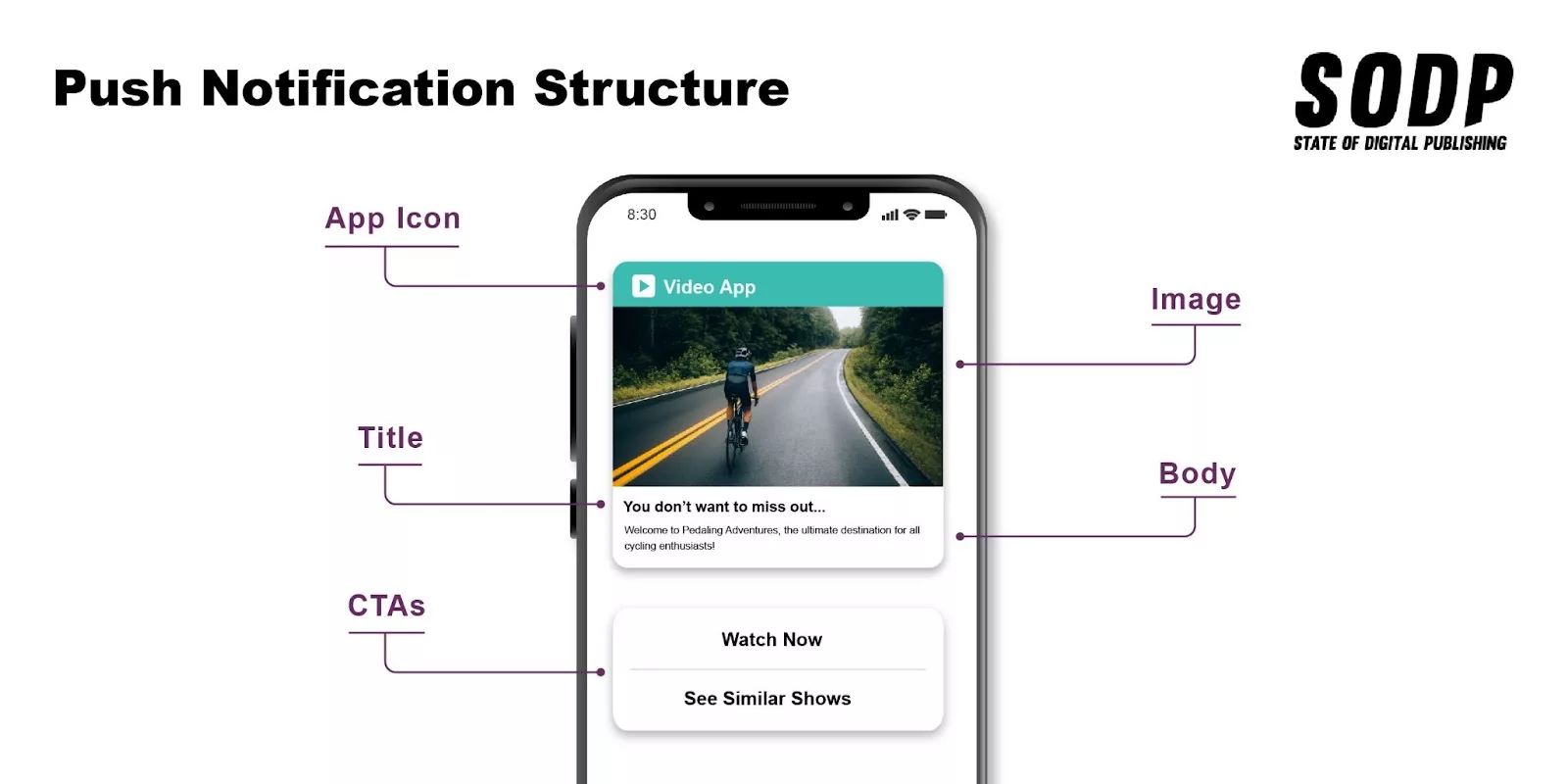
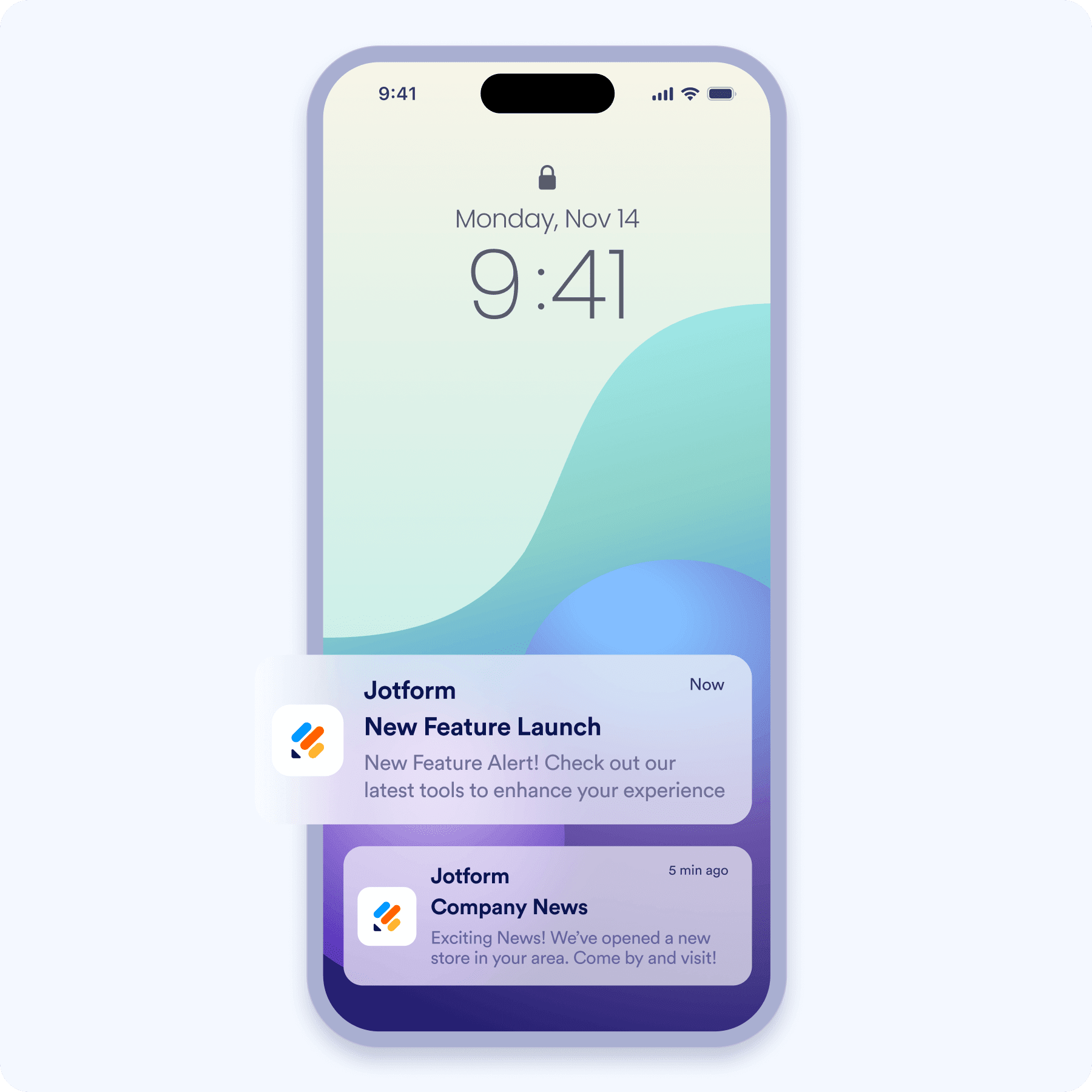
Push notifications are short messages that appear on a user's device when an app is not currently in use. They are sent by a mobile app or a web service and can be viewed from the device's lock screen or notification center. Unlike other communication channels like email, which may get lost in a cluttered inbox, push notifications have a high probability of being seen by the user, making them an effective way to engage users and drive business results.
History of Push Notifications
Push notifications, also known as 'alerts' or 'messages,' have been around since the development of the first mobile phones. However, their popularity and usage skyrocketed with the advent of smartphones and social media. With the rise of mobile commerce, push notifications became a critical component of mobile marketing strategies, enabling businesses to reach users in real-time and enhance user engagement.
Types of Push Notifications
- Web Push Notifications
- Mobile Push Notifications
Each type of push notification has its own set of features and requirements. For example, web push notifications are used by websites and web applications, while mobile push notifications are used by mobile apps. Desktop push notifications are specific to desktop operating systems like Windows, macOS, and Linux.
Examples of Push Notifications
Push notifications can be seen in everyday life in various forms. Here are a few examples:
- When you like a post on Facebook, a notification appears on your screen saying "Friend liked your post."
- When you have a calendar event coming up, a notification appears on your screen reminding you of the event.
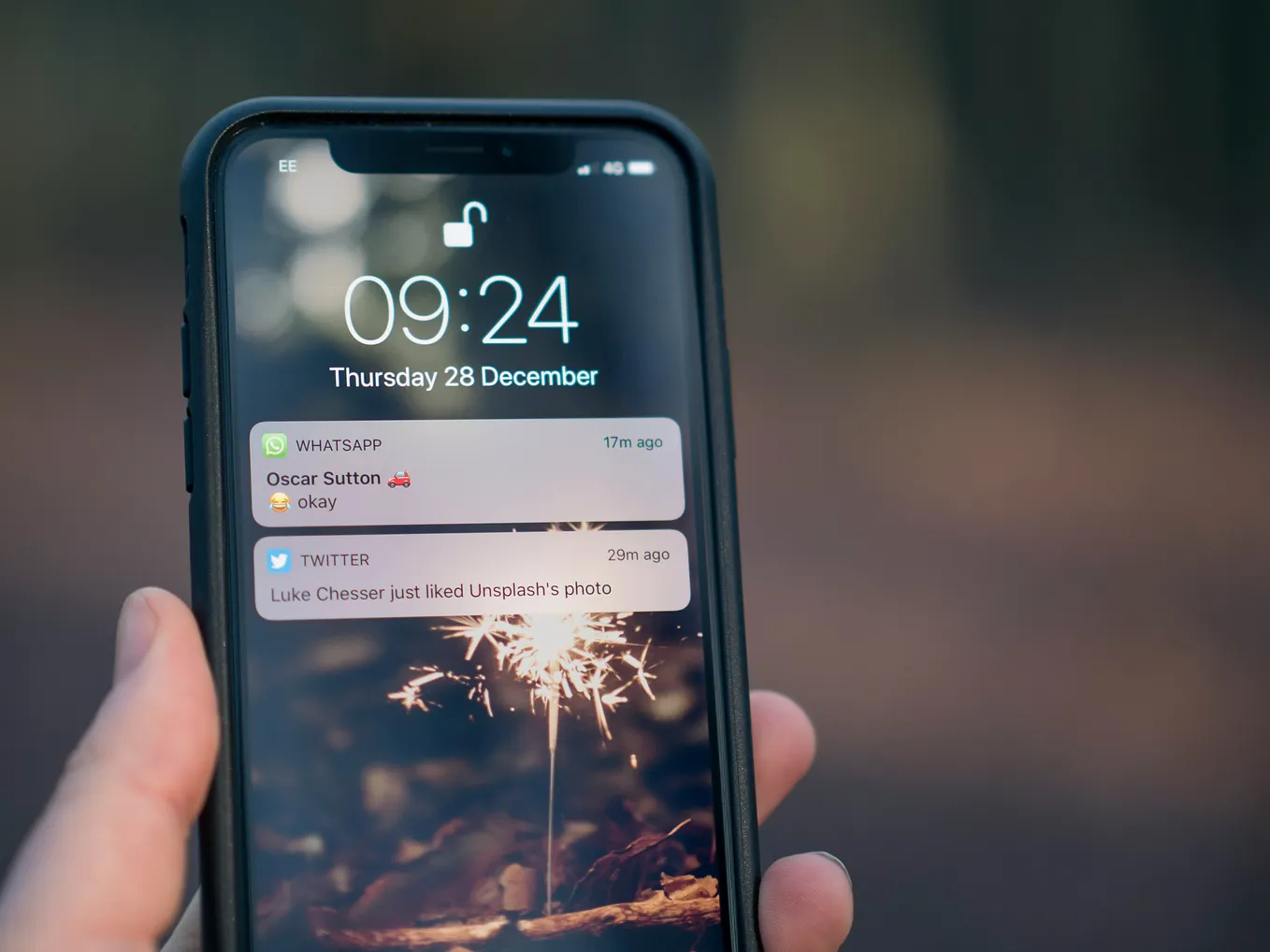
- When you receive a message on WhatsApp, a push notification appears on your screen.

Benefits of Push Notifications
Push notifications have several benefits, including:
- Enhanced User Engagement: Push notifications can increase user engagement and interaction with your app or website.
- Increased Conversions: By prompting users to take a specific action, push notifications can drive business results and increase conversions.
- Real-time Communication: Push notifications enable real-time communication with users, creating a more personalized experience.
- Cost-Effective: Compared to other marketing channels, push notifications are a cost-effective way to reach your target audience.
Best Practices for Push Notifications
Here are some best practices to consider when implementing push notifications:
- Provide Value: Make sure that your notifications have a clear call-to-action or provide value to the user.
- Personalize: Use user data and preferences to personalize notifications and create a more tailored experience.
- Limited Frequency: Be mindful of the frequency of your push notifications. Overnotification can lead to user fatigue and decreased engagement.
- Choose the Right Time: Send notifications at the right time to maximize engagement and minimize distractions.
Choosing the Right Push Notification Platform
With various push notification platforms available, it's essential to choose the right one for your business needs. Some popular options include Firebase Cloud Messaging, Amazon Web Services (AWS), Google Cloud Messaging, and OneSignal.
Conclusion
Push notifications have revolutionized the way businesses communicate with their customers. By providing real-time communication and enhancing user engagement, push notifications have become a crucial component of mobile marketing strategies. To get the most out of push notifications, it's essential to follow best practices, choose the right platform, and create personalized and value-driven notifications. By following this guide, you'll be well on your way to unlocking the power of push notifications and taking your business to the next level.