Understanding the Risks of Giving Dogs Acetaminophen with Other Meds
When it comes to managing your dog's pain and discomfort, it's not uncommon to turn to over-the-counter medications like acetaminophen. However, before giving your dog acetaminophen with other medications, it's essential to understand the potential risks and consequences.Why Is Acetaminophen Toxic to Dogs?
Acetaminophen, commonly known by its brand name Tylenol, is a human medication used to treat fever and pain. While it may seem harmless to give your dog acetaminophen, it can be toxic and even fatal in canines. The liver pathways in dogs are different from those in humans, making it more challenging for them to process and eliminate acetaminophen. This can lead to a buildup of toxic byproducts, causing liver failure, damage to red blood cells, methemoglobinemia, and other serious complications.Common Medication Interactions in Dogs
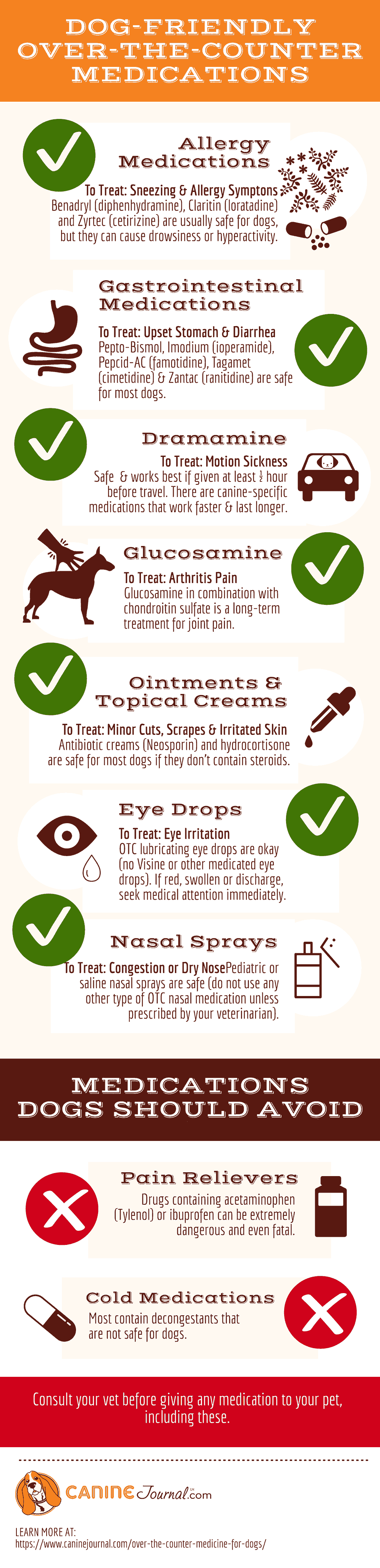
When giving your dog acetaminophen with other medications, it's crucial to be aware of potential interactions and side effects. Common human pain relievers like ibuprofen (Advil, Motrin), naproxen (Aleve), and aspirin can cause serious side effects in dogs, including gastrointestinal issues, kidney damage, and even death. Other medications, such as blood thinners, can interact with acetaminophen, increasing the risk of bleeding or affecting blood clotting.The Dangers of Self-Treating Your Dog
As tempting as it may be to self-treat your dog's pain with human medications, it's essential to remember that acetaminophen is not a safe alternative. Self-treating your dog with human medications can lead to devastating consequences, including liver failure, seizures, and even death. Pet owners often seek a "safe dose" for acetaminophen, but there is no widely accepted safe over-the-counter dose for dogs.When to Consult Your Veterinarian