Creating a Workspace Without Technology: A New Era in Productivity and Creativity
The way we work has undergone significant transformations in recent years, with the rise of modern technology altering the traditional office setup. Gone are the days of cubicles and fluorescent lighting; today, we see open-plan offices, coworking spaces, and remote work arrangements. However, as we increasingly rely on digital tools and platforms to manage our workflow, we often overlook the benefits of a workspace without technology.
Why a Technology-Free Workspace Matters
A workspace without technology is not just a concept for a future utopia; it's a tangible solution for improving employee well-being, productivity, and creativity. By eliminating distractions and promoting a more natural work environment, businesses can reap numerous benefits, including:
- Improved focus and concentration
- Increased productivity and efficiency
- Enhanced collaboration and teamwork
- Boosted employee morale and job satisfaction
- Reduced health risks associated with prolonged screen time
- Increased creativity and innovation
Designing a Workspace Without Technology
Creating a workspace without technology requires a thoughtful and intentional approach. Here are some strategies to get you started:
- Designate a technology-free zone: Set aside a room or area where employees can work without the distraction of digital devices.
- Use analog tools: Incorporate old-school techniques, such as paper-based note-taking, whiteboards, and face-to-face communication.
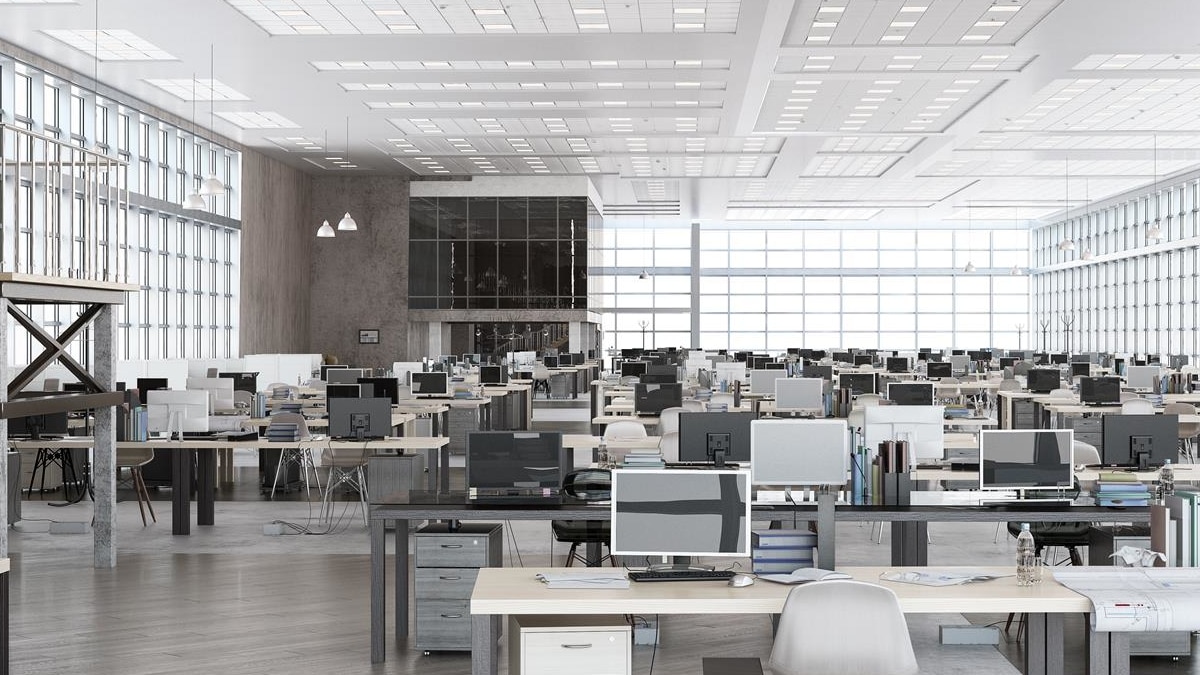
- Prioritize natural light: Ensure your workspace receives plenty of natural light to promote a sense of well-being and relaxation.
- Encourage face-to-face interaction: Foster collaboration and teamwork by encouraging employees to work together in person.
- Incorporate plants and greenery: Add some life to your workspace with plants and greenery to purify the air and boost employee mood.
Challenges and Opportunities
While a workspace without technology presents numerous benefits, it also comes with its fair share of challenges. Some of the obstacles include:
- Resistance to change: Employees may struggle to adapt to a technology-free workspace.
- Increased administrative tasks: Managing a workspace without technology may require more manual effort and administrative tasks.
- Initial investment: Establishing a technology-free workspace may require an initial investment in analog tools and infrastructure.
However, the opportunities for growth and innovation vastly outweigh the challenges. By embracing a workspace without technology, businesses can:
- Attract and retain top talent: Showcase your commitment to employee well-being and creativity.
- Differentiate your brand: Stand out from competitors by adopting a unique and innovative approach to work.
- Unlock new sources of productivity: Tap into the full potential of your employees by promoting a more natural work environment.
Conclusion
A workspace without technology is more than a fleeting trend; it's a fundamental shift in the way we work and interact with one another. By embracing the benefits of a technology-free workspace, businesses can unlock new sources of creativity, productivity, and innovation. It's time to revolutionize the way we work and rediscover the joys of a more analog, human-centric approach.