Stay Safe on Public Wi-Fi with Essential Security Tips
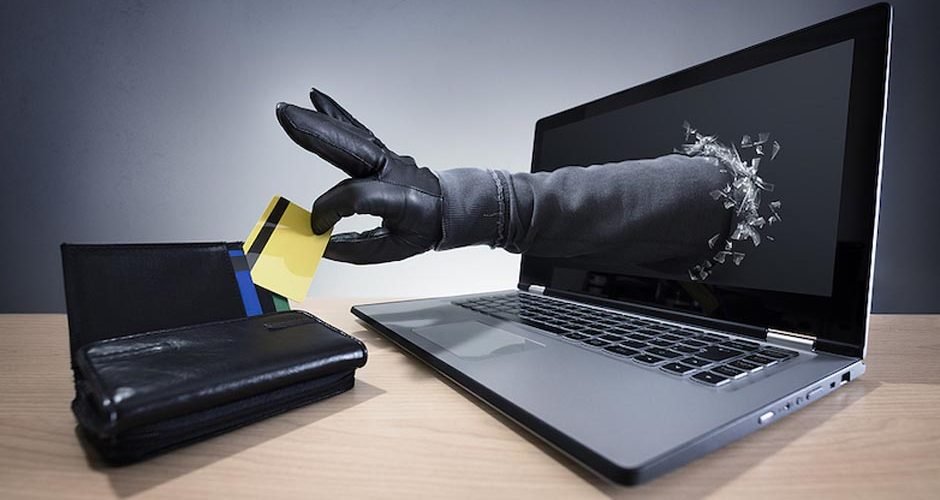
Public Wi-Fi hotspots can be a goldmine for hackers, but by following our simple security advice, you can protect yourself from identity theft and data loss – and surf safely instead of risking a nasty cyber-attack.
The Risks of Using Public Wi-Fi
It's no secret that public Wi-Fi connections can leave you vulnerable to hacking and identity theft. However, the old wisdom of avoiding common sources of free public Wi-Fi is not enough. These threats are not limited to places like coffee shops, hotels, airports, or even your doctor's office.
According to a 2017 report by cybersecurity company Norton, an overwhelming majority of Americans engage in activities on public Wi-Fi that could compromise their personal and financial information, like logging into social media, checking bank accounts, or entering credit card details on shopping sites. This kind of behavior increases the risk of identity theft by cybercriminals who exploit these networks to intercept unencrypted data, making it easy for them to access passwords, banking details, and emails.
How Hackers Steal Data on Open Networks
Cybercriminals use various tactics to steal data on public Wi-Fi networks. Some of the common methods include:
- Man-in-the-middle attacks, where hackers intercept and modify data as it travels between your device and the internet
- Fake Wi-Fi connections, which trick your device into thinking it's connected to a secure network
- Packet sniffing, which involves monitoring and capturing data packets as they travel over the network
Simple Steps to Prevent Identity Theft on Public Wi-Fi

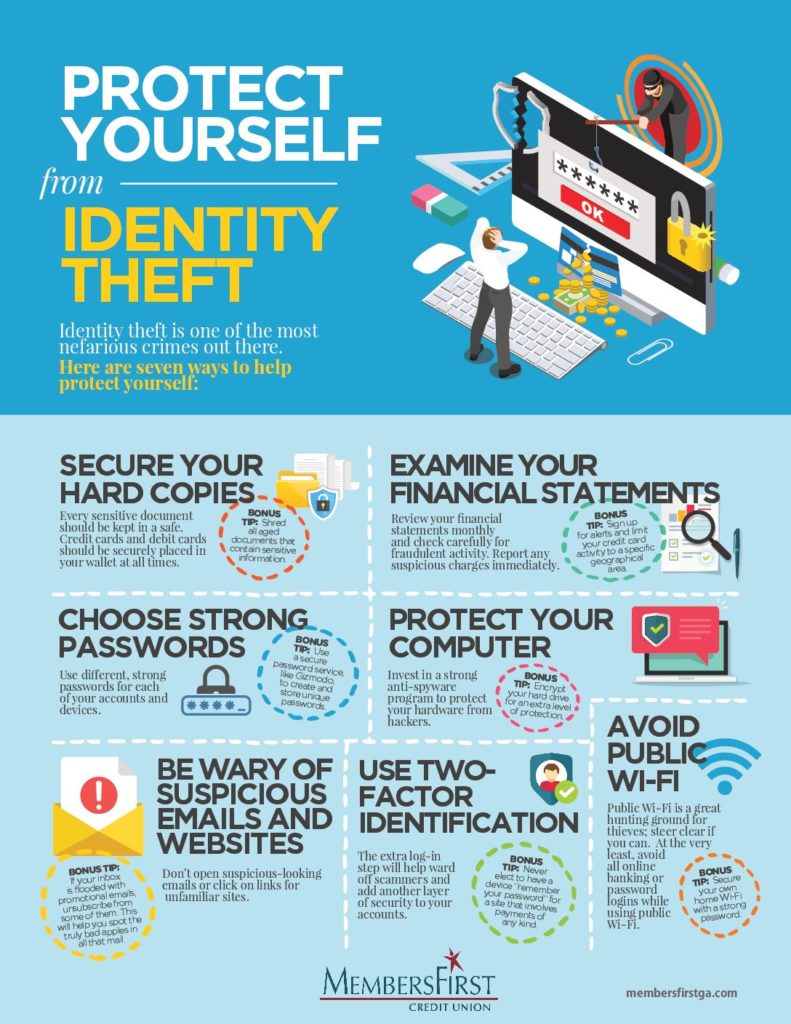
To prevent identity theft on public Wi-Fi, you should take the following steps:
- Use a virtual private network (VPN) to encrypt your data and mask your IP address
- Use strong antivirus software to protect your device from malware and other online threats
- Avoid accessing sensitive information, such as bank accounts or financial details, when connected to public Wi-Fi
- Use a reputable public Wi-Fi network, and avoid using unsecured networks or those with suspicious names
- Keep your device's operating system and software up to date with the latest security patches and updates
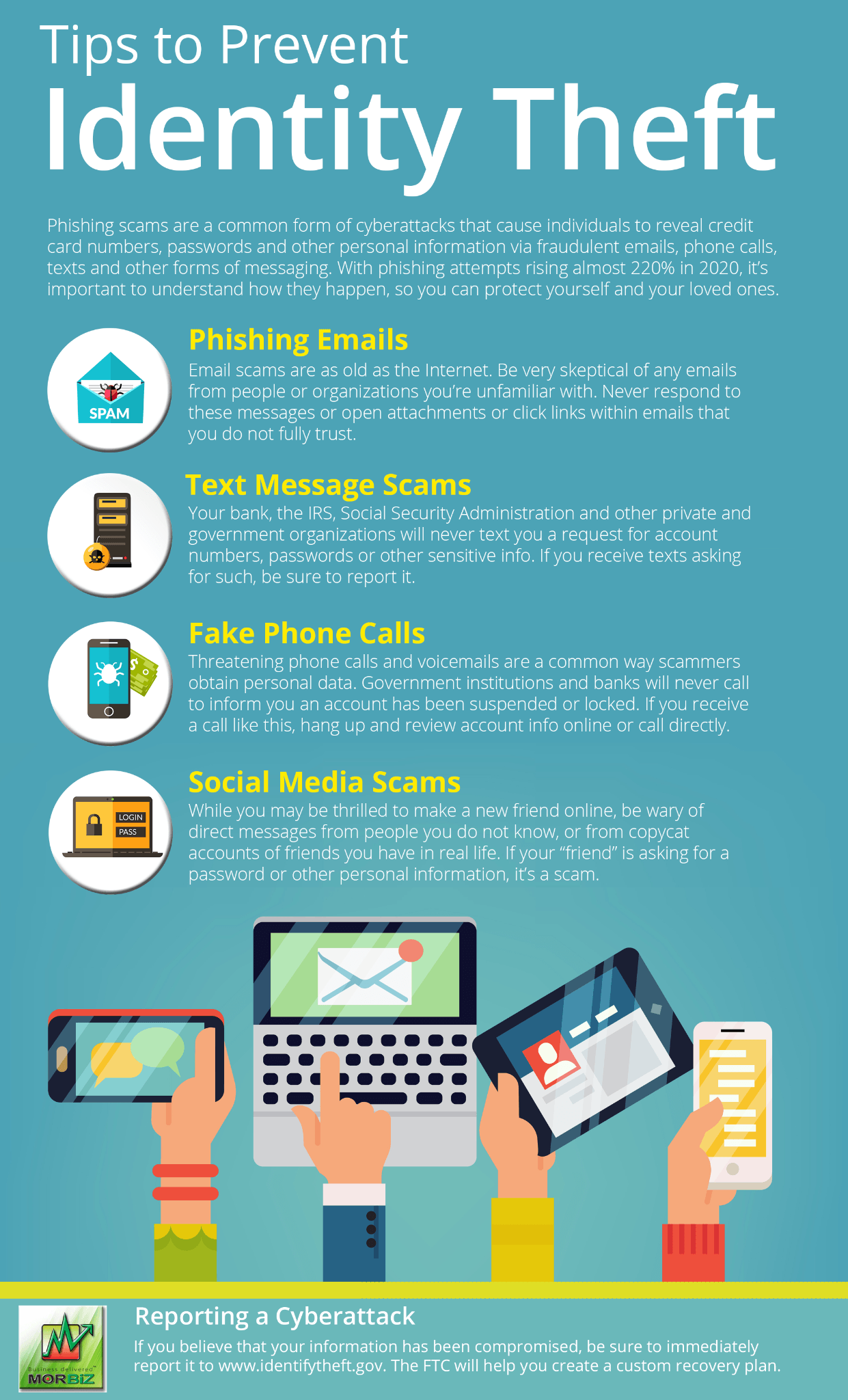
- Be cautious of phishing scams and avoid clicking on suspicious links or downloading attachments from unknown sources
Consequences of Identity Theft on Public Wi-Fi
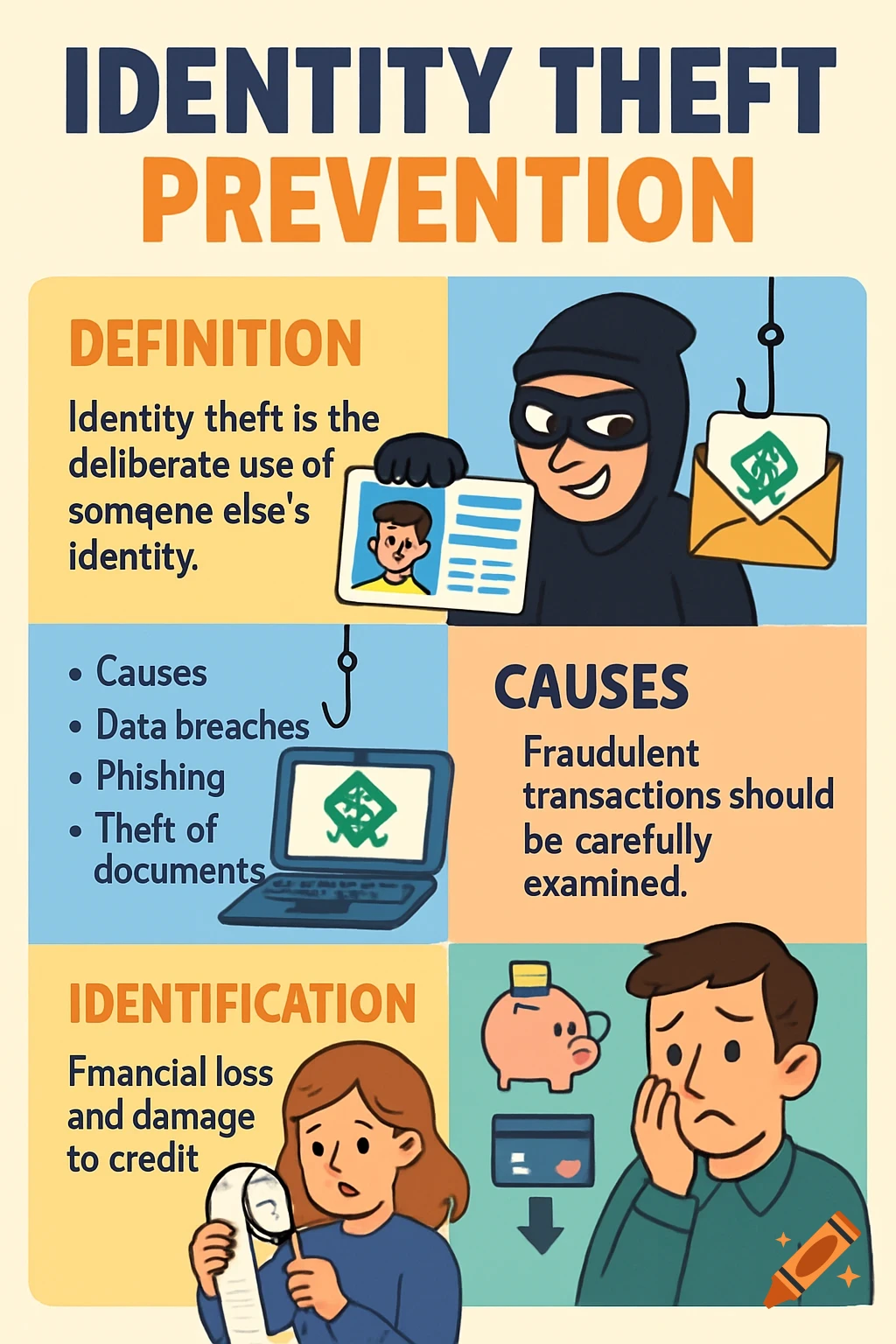
Identity theft on public Wi-Fi can have severe consequences, including:
- Compromised personal and financial data
- Financial loss due to unauthorized transactions
- Damage to credit score and reputation
- Time and money spent on remediation and recovery efforts
Conclusion
Public Wi-Fi networks offer convenience and connectivity, but they also present numerous security risks. Hackers are constantly evolving their tactics to steal sensitive data from unsuspecting users. By following the simple security tips outlined above, you can protect your personal information and prevent identity theft on public Wi-Fi. Remember, it's always better to be safe than sorry when it comes to your online security.