The Power of Flux: Unlocking the Secrets of Change and Transformation
In a world where everything is constantly in motion, the concept of flux is more relevant than ever. From the tides of the ocean to the pulse of human emotions, flux is the driving force behind all change and transformation. In this article, we'll delve into the meaning and significance of flux, exploring its applications in various fields and its impact on our lives.
What is Flux?
Flux describes any effect that appears to pass or travel through a surface or substance, whether it actually moves or not. This concept has many applications in physics, where it's used to describe the flow of energy, matter, and other quantities. In vector calculus, flux is a scalar quantity that represents the rate of flow of a substance or property through a surface.
Types of Flux
There are several types of flux, each with its own unique characteristics and applications. Some of the most common types of flux include:
- Electric Flux: Electric flux is a measure of the flow of electric field lines through a surface. It's used to calculate the electric potential and electric field strength.
- Gravitational Flux: Gravitational flux is a measure of the flow of gravitational field lines through a surface. It's used to calculate the gravitational force and gravitational field strength.
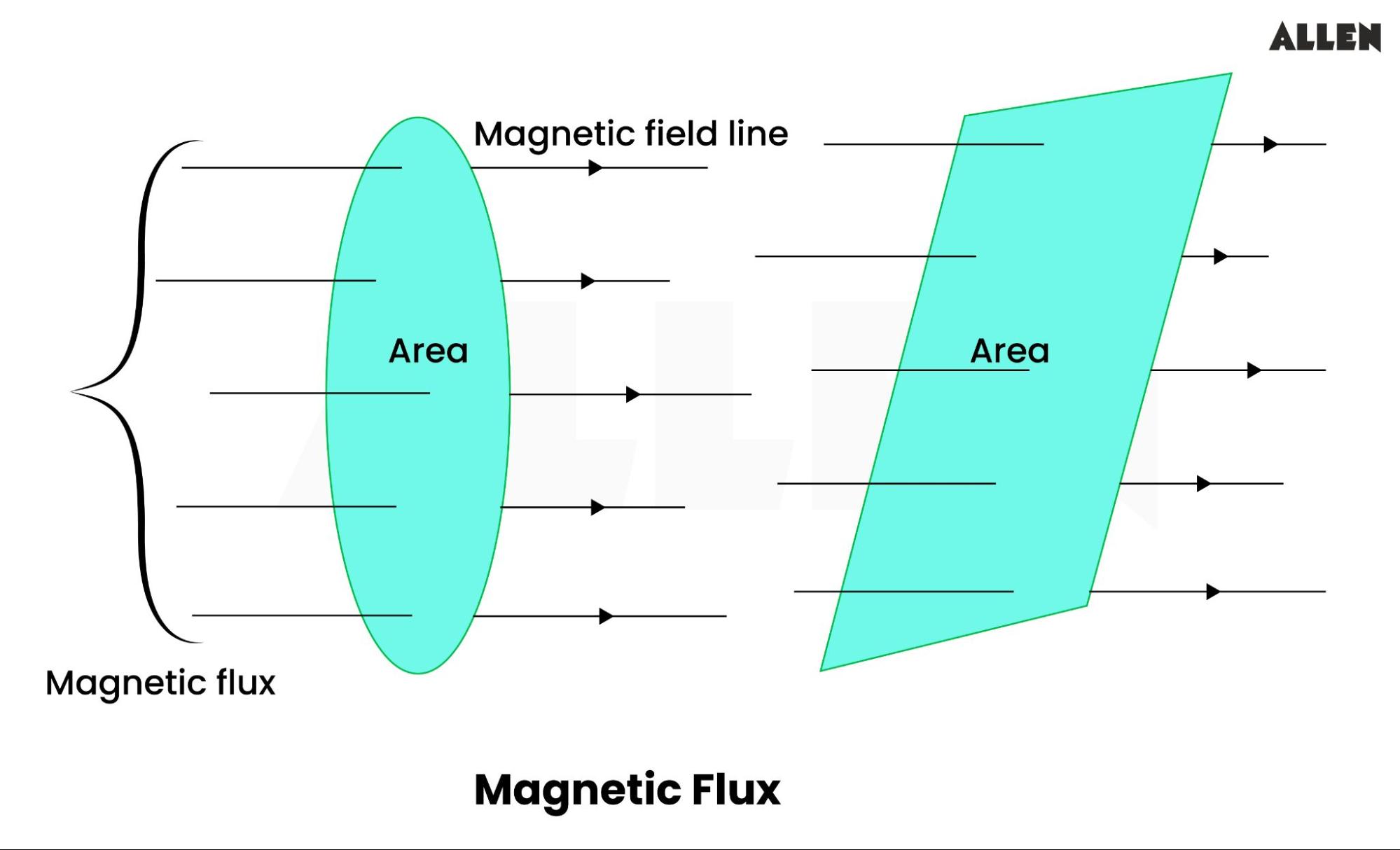
- Magnetic Flux: Magnetic flux is a measure of the flow of magnetic field lines through a surface. It's used to calculate the magnetic force and magnetic field strength.
- Hydraulic Flux: Hydraulic flux is a measure of the flow of fluid through a pipe or tube. It's used to calculate the pressure and flow rate of the fluid.
Applications of Flux
Flux has numerous applications in various fields, including:

- Physics**: Flux is used to describe the flow of energy, matter, and other quantities in physics.
- Engineering**: Flux is used to calculate the electric, magnetic, and hydraulic forces and flow rates in engineering applications.
- Computer Science**: Flux is used in computer science to describe the flow of data and information through computer systems.
- Biology**: Flux is used in biology to describe the flow of nutrients and waste products through living organisms.
Real-World Examples of Flux
Flux is all around us, and it's evident in various aspects of our lives. Here are some real-world examples of flux:
- Water Flow**: The flow of water through a pipe is a classic example of flux. The rate of flow, pressure, and flow rate all depend on the flux of the water.
- Electric Current**: The flow of electric current through a wire is another example of flux. The voltage, current, and resistance all depend on the flux of the electric field.
- Population Growth**: The growth of a population is an example of flux, where the rate of growth depends on the flux of new individuals and the flux of existing individuals.
The Significance of Flux
Flux is a fundamental concept that underlies many natural phenomena and human experiences. It has far-reaching implications for our understanding of the world and our place in it. By recognizing the significance of flux, we can better appreciate the complexity and interconnectedness of the world around us.
Conclusion
Flux is a powerful concept that describes the flow of change and transformation in our world. From the tides of the ocean to the pulse of human emotions, flux is the driving force behind all movement and growth. By understanding and embracing the concept of flux, we can gain a deeper appreciation for the complexity and beauty of the world around us.



![FLUX.2 [klein] 4B & 9B - Fast local image editing and generation](https://justgetflux.com/news/images/fluxometer-tablet.png "FLUX.2 [klein] 4B & 9B - Fast local image editing and generation")




![FLUX.2 [klein] - Fast, Efficient Image Generation | Black Forest Labs](https://fluxfinance.com/share.png "FLUX.2 [klein] - Fast, Efficient Image Generation | Black Forest Labs")