The Alarming Long Term Effects of Screen Time
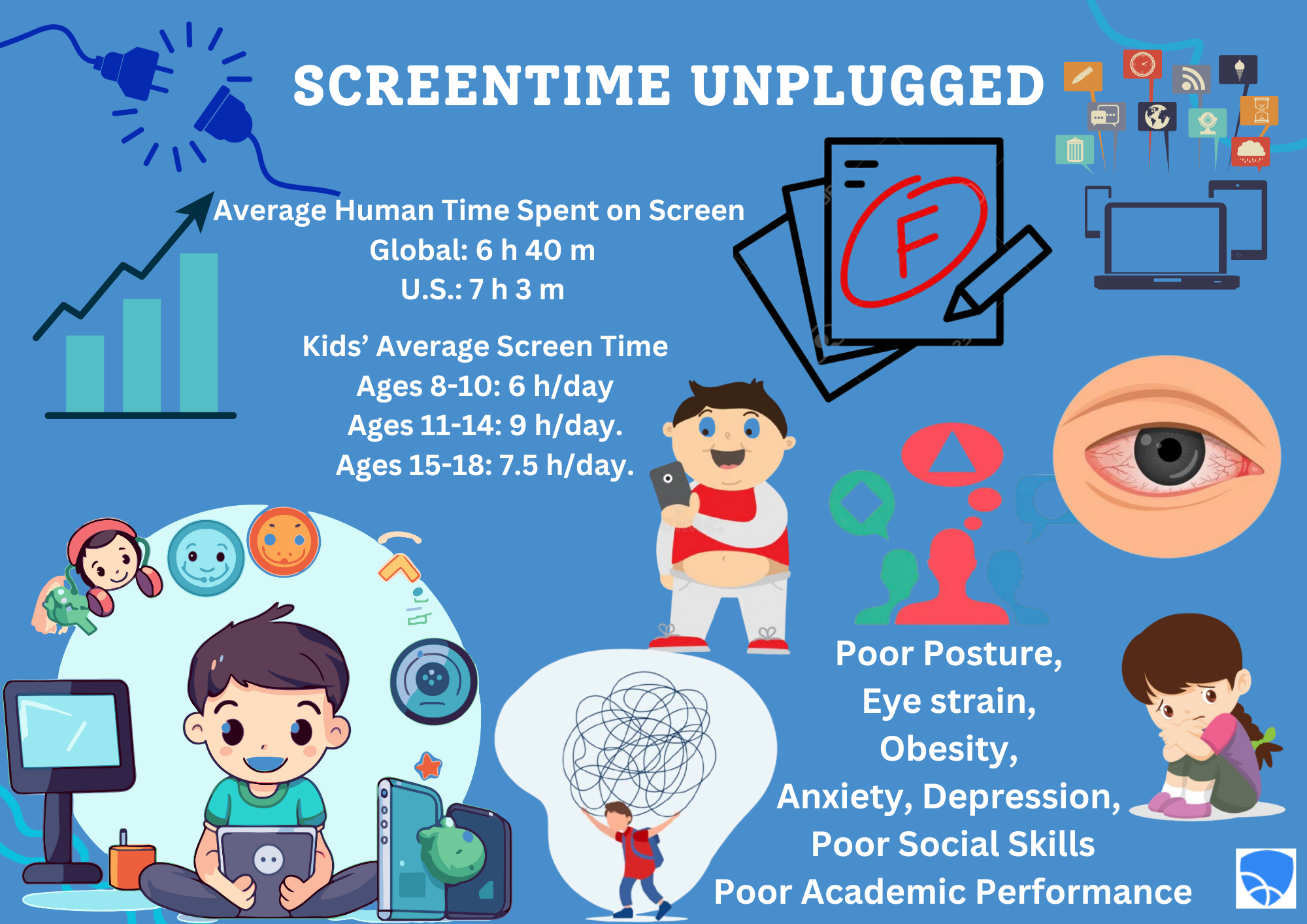
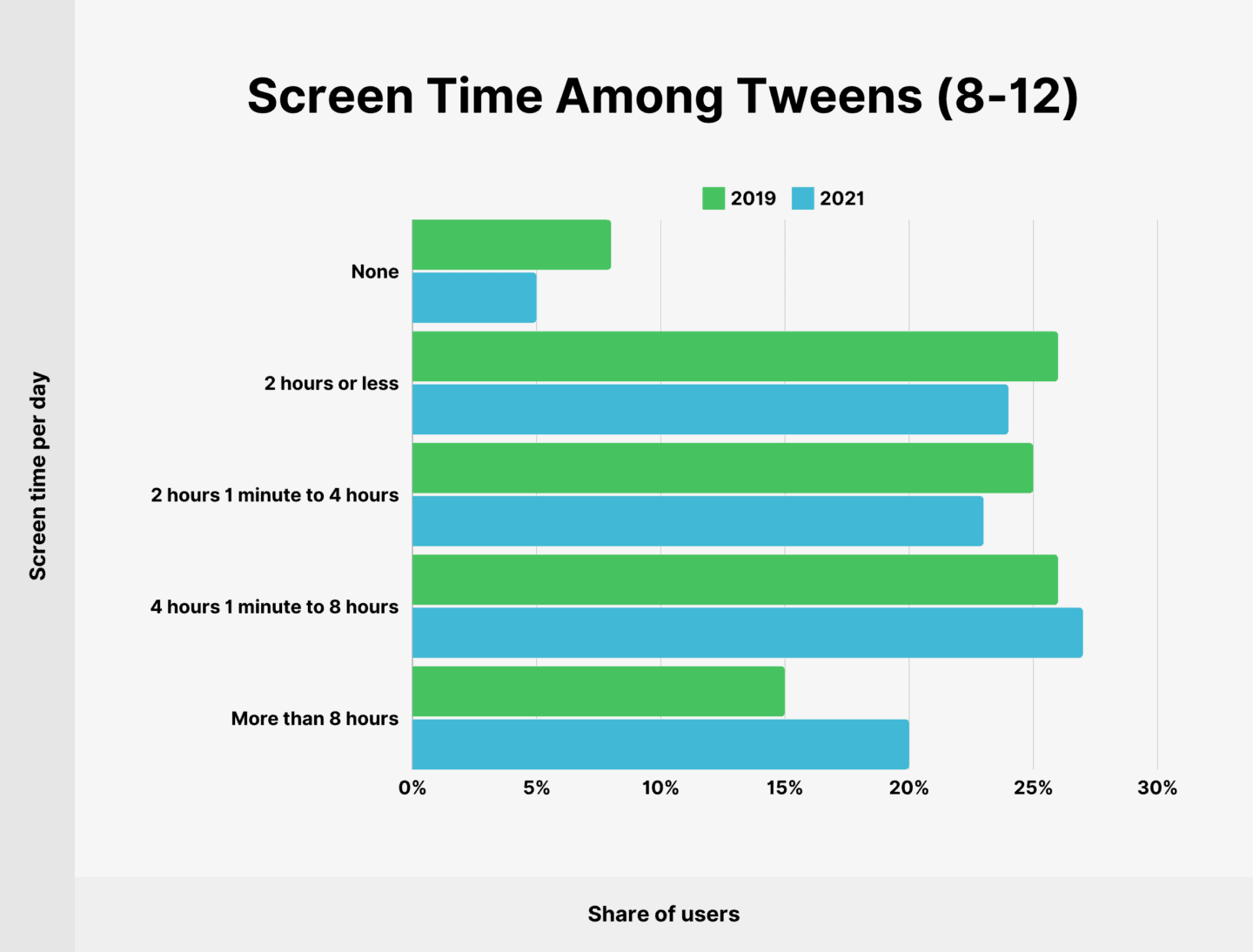
Excessive screen time has become a growing concern in modern society, with the proliferation of digital devices leading to increased sedentary behavior and potential hazards to physical health, mental health, and overall well-being. While screens can be a valuable tool for learning, entertainment, and communication, excessive use can have significant and lasting impacts on both children and adults.
The Risk of Physical Health Problems
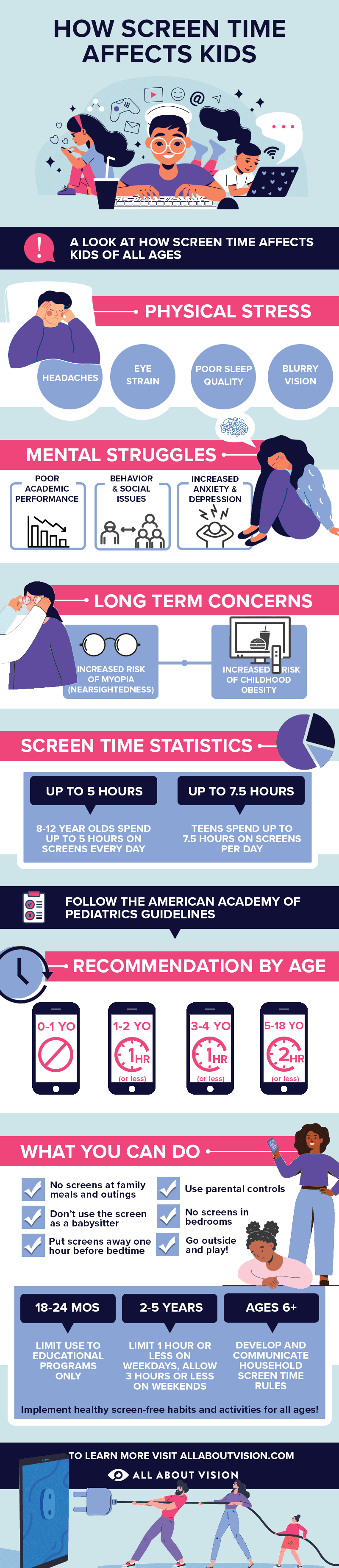
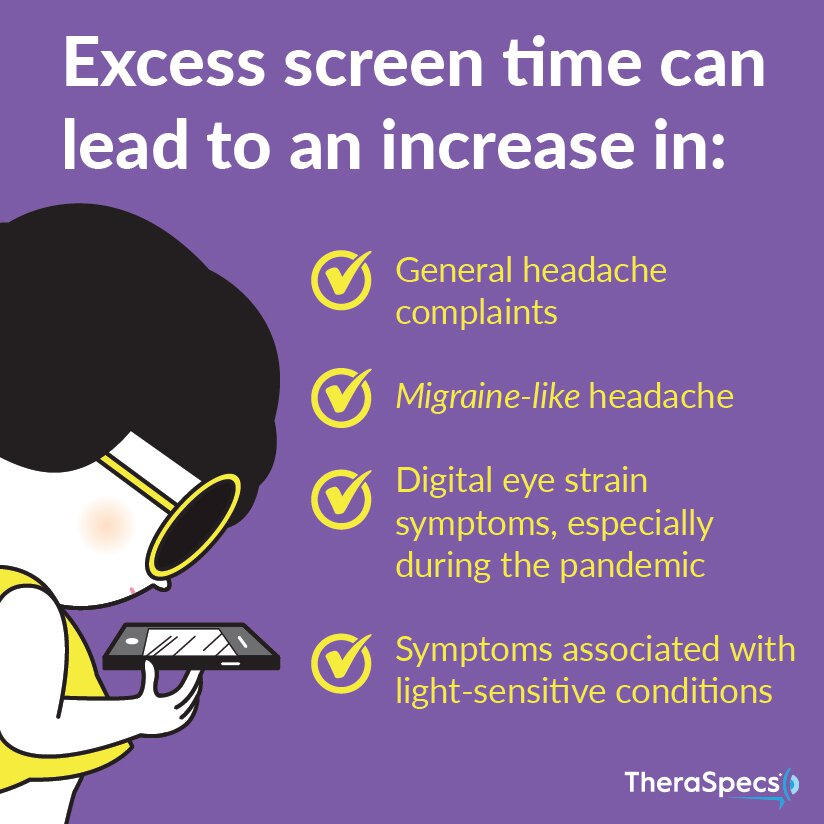
Excessive screen time has been linked to various physical health problems, including obesity, sleep deprivation, eye strain, and headaches. Prolonged exposure to screens can disrupt the body's natural sleep-wake cycle, leading to sleep deprivation and related health issues such as fatigue, decreased cognitive function, and mood disorders.
Impact on Mental Health
Screen time has also been shown to have a significant impact on mental health, particularly in children. Excessive use has been linked to increased anxiety, depression, and attention deficits. Children who spend more time on screens are more likely to experience emotional and behavioral problems, and may be more prone to developing addictive behaviors.
Developmental Delays in Children
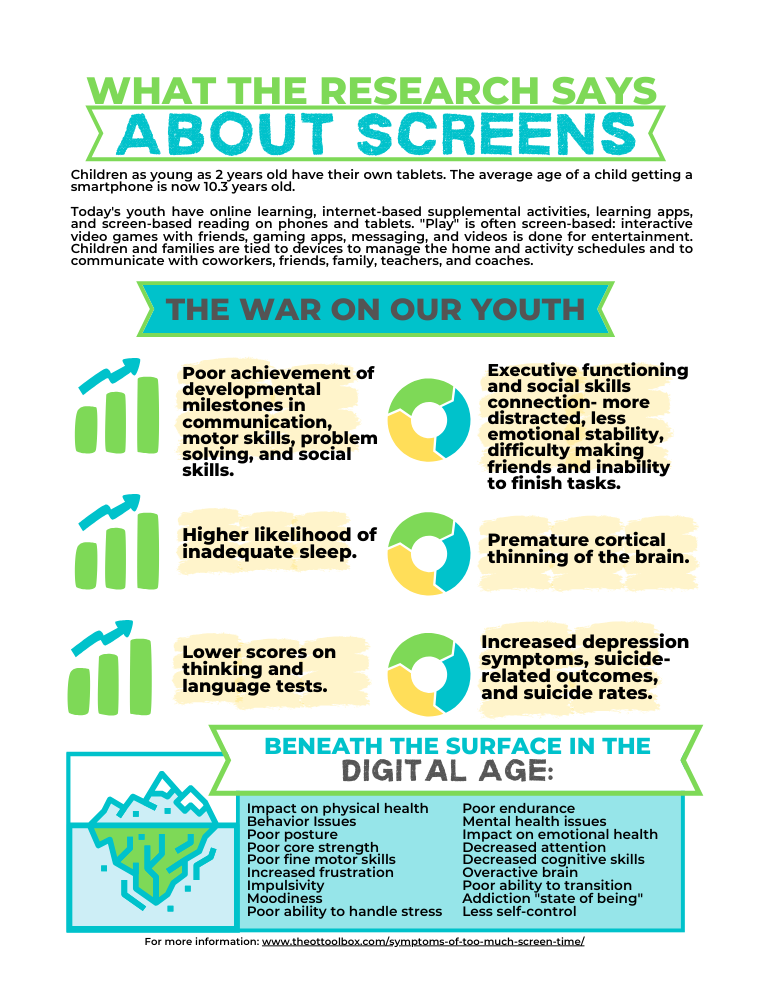
Long-term effects of screen time on children's cognitive, linguistic, and social-emotional growth are a growing area of concern. Excessive screen time has been linked to delays in language development, reduced attention span, and decreased social skills. Children who spend more time on screens may also be more likely to experience decreased physical activity, which can further exacerbate health problems.
Understanding the Long Term Effects of Screen Time
How Screen Time Affects the Developing Brain
The developing brain is highly sensitive to environmental influences, including screen time. Digital media use plays an active role in shaping neural connections in the brain, and excessive use can lead to "impoverished" stimulation compared to reality. Children need a diverse menu of online and offline experiences to ensure healthy brain development.
Impact on Relationships
Excessive screen time can also have negative impact on relationships, particularly in romantic relationships. "Phubbing," or phone snubbing, can lead to emotional disconnection, miscommunication, and conflict. Children who spend too much time on screens may also be more likely to experience decreased social skills and reduced face-to-face interaction with family and friends.
Reducing the Long Term Effects of Screen Time
Promoting Healthy Screen Use Habits
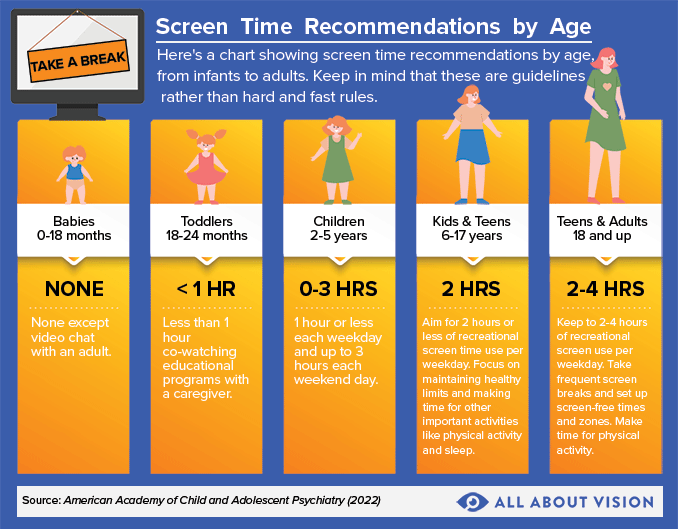
Parents, caregivers, and educators can play a crucial role in promoting healthy screen use habits for children and adults. Establishing screen-free zones and times, setting limits on screen use, and engaging in physical activity and outdoor play can help mitigate the negative effects of screen time.
Understanding the Risks and Benefits
By understanding the risks and benefits of screen time, individuals can make informed decisions about their own screen use and help children develop healthy screen use habits. By prioritizing physical activity, social interaction, and face-to-face communication, individuals can reduce the long-term effects of screen time and promote overall well-being.
A Comprehensive Approach to Screen Use
Reducing the long-term effects of screen time requires a comprehensive approach that addresses both the risks and benefits of screen use. By promoting healthy screen use habits, reducing exposure to screens, and engaging in physical activity and social interaction, individuals can mitigate the negative effects of screen time and promote overall well-being.




.jpg "Effects of Excessive Screen Time on Neurodevelopment ... - Springer")