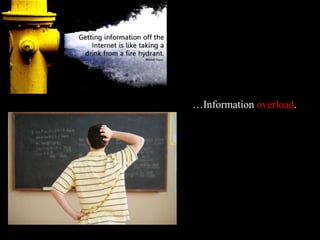
Managing Information Overload: Strategies for a Digital Age
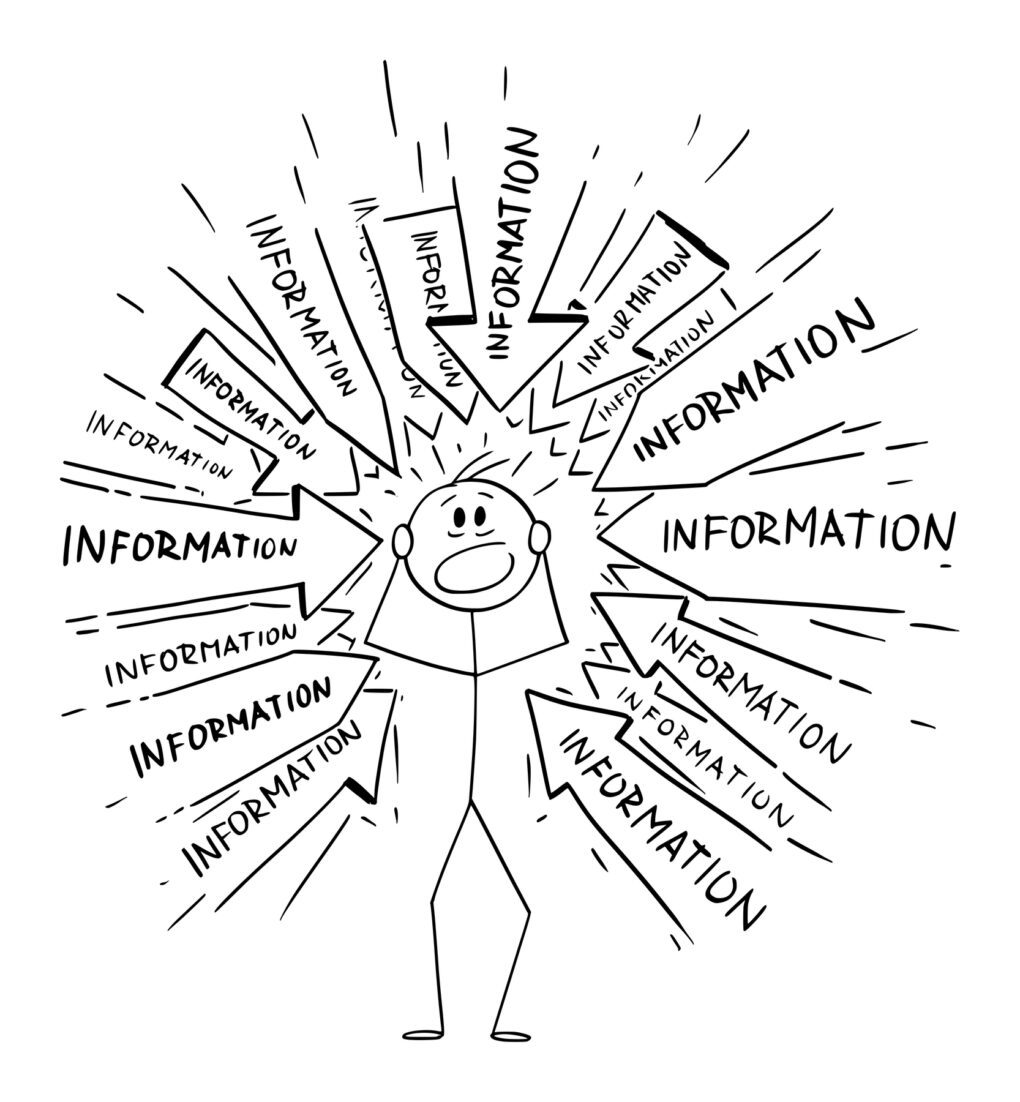
In today's fast-paced digital world, the sheer volume of information available to us can be overwhelming. The constant influx of messages, emails, and social media notifications can lead to feelings of anxiety, stress, and burnout. This phenomenon is known as information overload, and it affects individuals from all walks of life, regardless of their profession or personal background.
Understanding Information Overload
Information overload refers to the state of being overwhelmed by the sheer volume of data, messages, and decisions we encounter daily. Constant digital communication, task switching, and multitasking can stretch our attention, make managing even more difficult, and reduce information processing capacity. It's a problem that is being exacerbated by the ongoing digitalization of the world of work and the growing use of information and communication technologies.
Causes of Information Overload
- Technology: The constant digitalization of our lives, the proliferation of social media, and the ease of communication have all contributed to the overwhelming amount of information we encounter daily.
- Increase of digital communication tools: While tools like email, instant messaging apps, project management, and video conferencing can make collaborating at work easier, their overuse can lead to overwhelming messages and notifications.
- Constant notifications: The constant stream of notifications from our smart devices, social media, and other apps can lead to feelings of overwhelm and stress.
- Poor time management: Failing to prioritize tasks and manage time effectively can lead to information overload and decreased productivity.
Consequences of Information Overload

Information overload can have severe consequences on both personal and professional levels. It can lead to decreased productivity, reduced focus, and increased stress levels. In the workplace, it can result in decreased job satisfaction, reduced employee engagement, and decreased overall well-being.
Strategies for Managing Information Overload
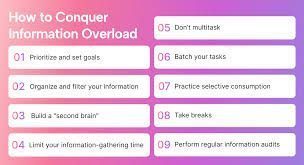
Luckily, there are several strategies that can be employed to manage information overload and reduce its negative consequences. Some of these strategies include:
- Setting boundaries: Establishing clear boundaries around your work and personal life can help reduce the amount of information you encounter and decrease feelings of overwhelm.
- Prioritizing tasks: Prioritizing tasks and focusing on the most critical ones first can help reduce feelings of overwhelm and increase productivity.
- Using technology to your advantage: Utilizing tools like email management systems, content aggregators, and task management apps can help organize, filter, and streamline content and reduce information overload.
- Filtering and prioritizing information: Learning to filter and prioritize information is crucial in today's digital age. Focus on the most critical information and ignore the rest.
- Practicing time management: Effective time management is essential in managing information overload. Allocate specific times for checking emails, social media, and other digital communication tools.
- Seeking support: Don't be afraid to seek support from colleagues, friends, or family members. Sharing your concerns and struggles with others can help reduce feelings of isolation and overwhelm.
Conclusion
Managing information overload is a crucial skill in today's digital age. By understanding the causes and consequences of information overload, and by employing strategies for managing it, we can reduce its negative consequences and increase our overall well-being. By taking control of our digital lives and establishing clear boundaries, prioritizing tasks, using technology to our advantage, filtering and prioritizing information, practicing time management, and seeking support, we can overcome information overload and thrive in today's fast-paced digital world.