How to Protect Your Digital Footprint: A Comprehensive Guide
In today's digital age, our online presence is more prominent than ever. Whether you're a social media enthusiast, a business owner, or simply a concerned citizen, it's essential to understand the concept of a digital footprint and how to protect it.
What is a Digital Footprint?
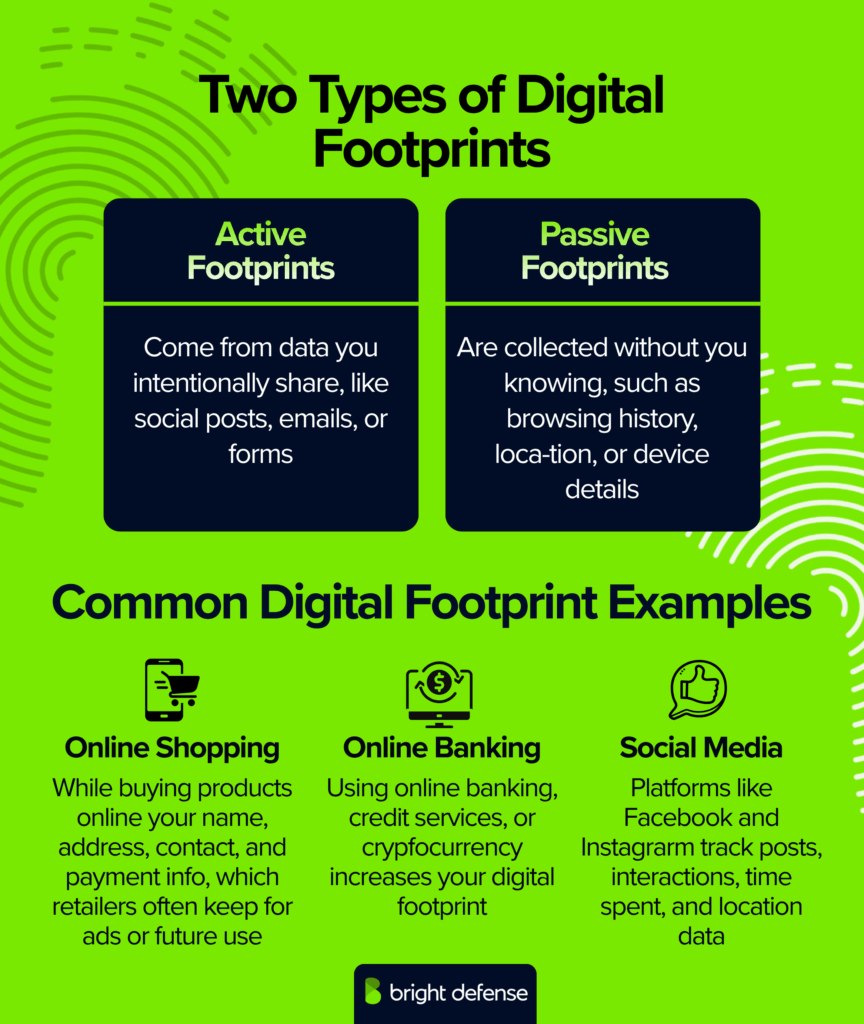
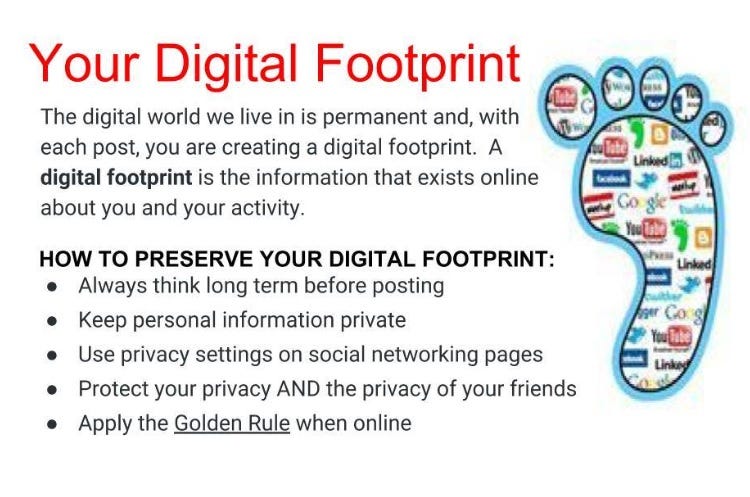
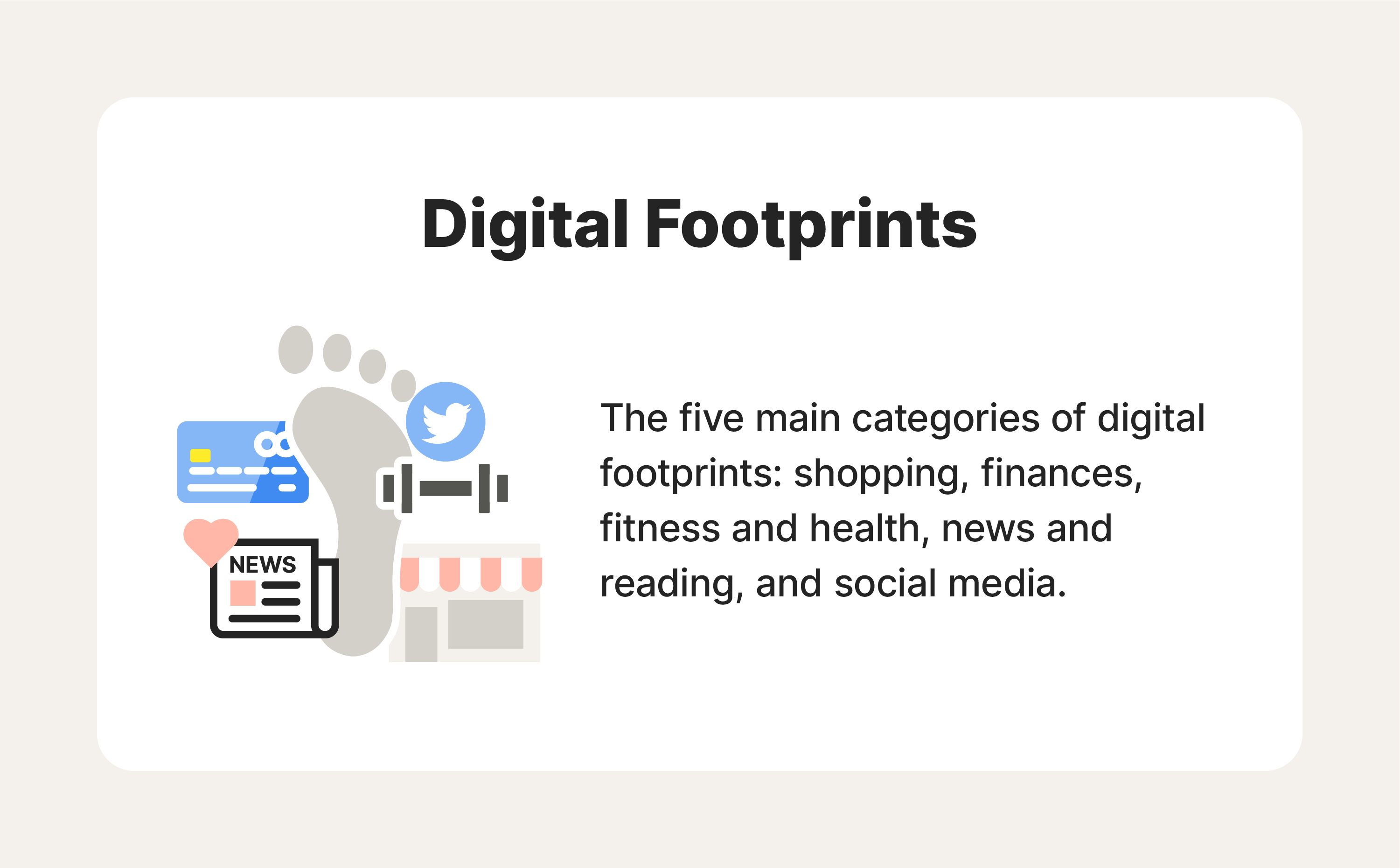
Your digital footprint is a record of your online presence, comprising the websites you've visited, emails you've sent, and data you've left behind. It's a trail of your digital activity that can be easily accessed by others, often without your knowledge or consent.
The Risks of an Unprotected Digital Footprint
Identity theft and fraud protection for your finances, personal info, and devices are major concerns. An unprotected digital footprint can leave you vulnerable to cyber threats, making it essential to take steps to safeguard your online identity.
Data breaches and exploitation of your personally identifiable information can have severe consequences, including financial loss and damage to your reputation.
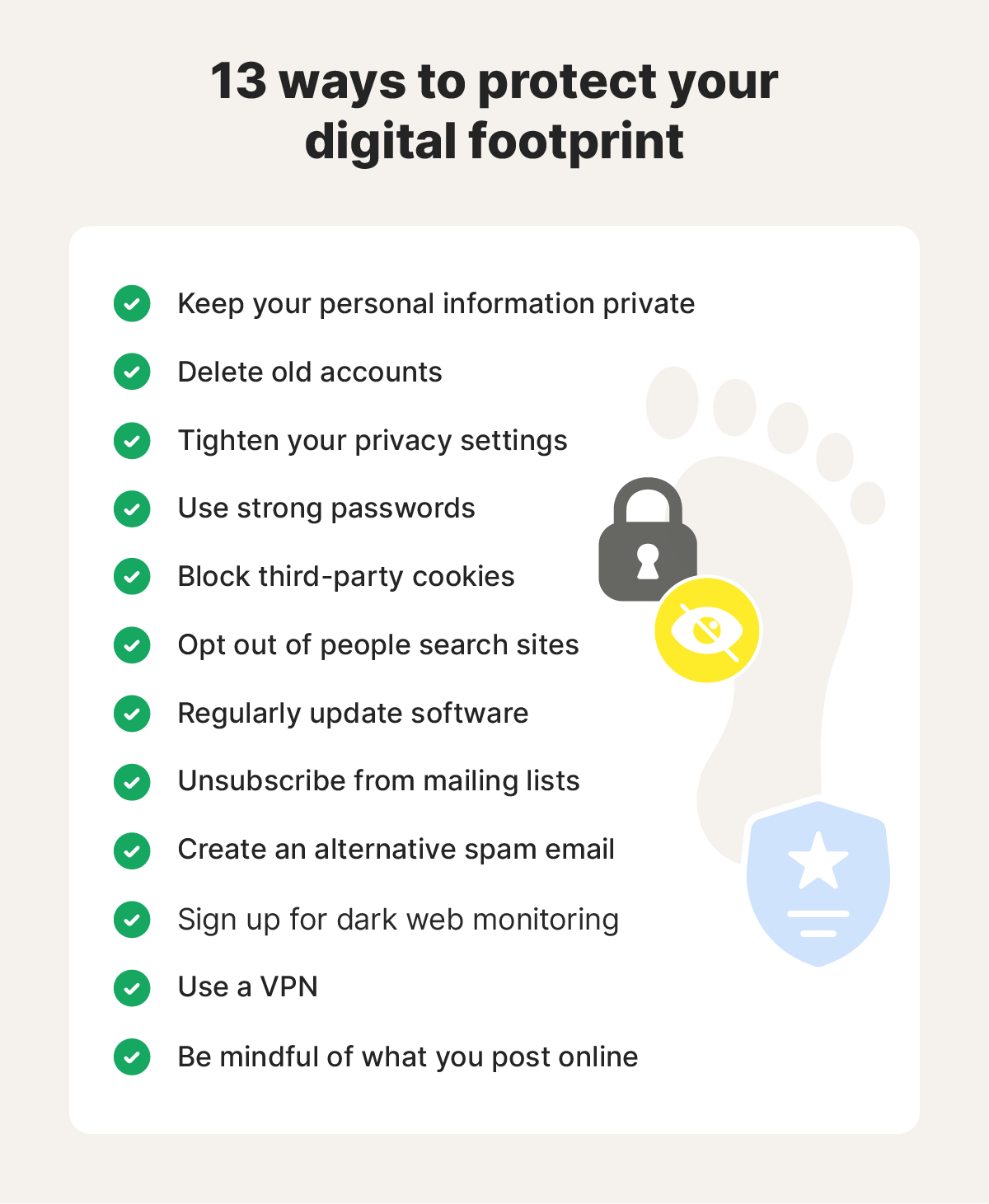
10 Practical Ways to Protect Your Digital Footprint
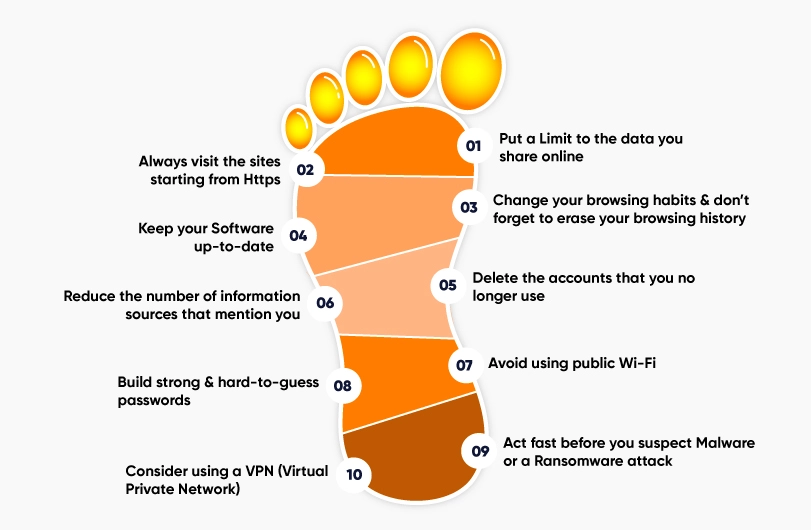
To minimize the risks associated with an unprotected digital footprint, consider the following 10 practical strategies:
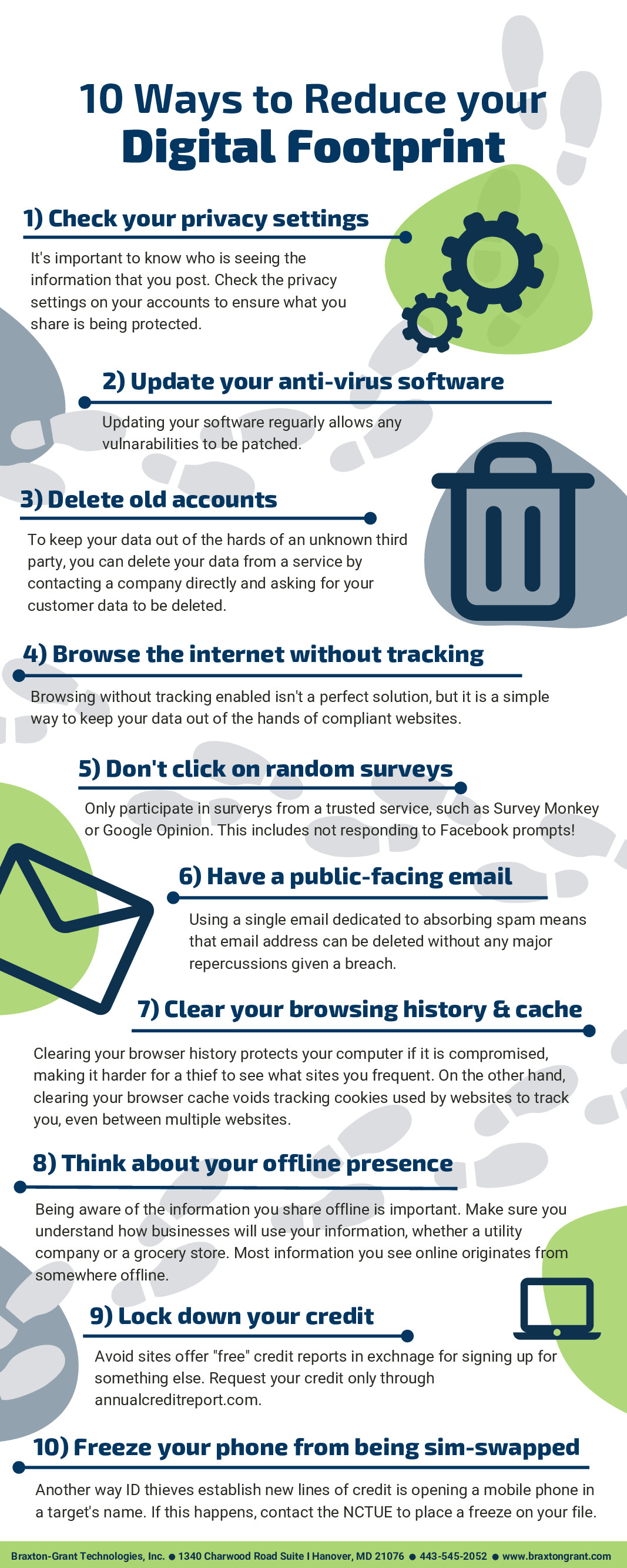
1. Set up a Virtual Private Network (VPN): A VPN encrypts your internet traffic, making it difficult for hackers to intercept your data.
2. Use a Password Manager: A password manager generates and stores unique, complex passwords for all your online accounts, reducing the risk of password-related security breaches.
3. Enable Two-Factor Authentication (2FA): 2FA adds an extra layer of security to your online accounts, making it more difficult for hackers to gain unauthorized access.
4. Regularly Update Your Software and Apps: Keeping your software and apps up-to-date ensures you have the latest security patches and features to protect your digital footprint.
5. Monitor Your Credit Reports and Scores: Regularly checking your credit reports and scores can help you detect any potential identity theft or financial discrepancies.
6. Limit Personal Data Sharing: Be cautious when sharing personal data online, and avoid sharing sensitive information, such as your address or phone number.
7. Use a Digital Security Suite: A digital security suite provides a comprehensive set of tools to protect your digital footprint, including antivirus software, a firewall, and malware detection.
8. Regularly Back Up Your Data: Backing up your data ensures that your important files and information are safe in case of a cyber attack or data loss.
9. Be Mindful of Public Wi-Fi: Public Wi-Fi networks can be vulnerable to hacking, so it's essential to use a VPN or a secure connection when accessing sensitive information online.
10. Educate Yourself on Online Safety: Staying informed about online safety best practices and emerging threats can help you protect your digital footprint and stay one step ahead of cyber threats.
Conclusion
Protecting your digital footprint is essential in today's digital age. By implementing these 10 practical strategies, you can minimize the risks associated with an unprotected digital footprint and ensure your online identity remains secure. Remember, online safety is a shared responsibility, and staying informed and proactive can help you safeguard your digital presence.
Additional Resources
For further information on protecting your digital footprint, consider visiting the following resources: