How to Protect Your Assets: A Comprehensive Guide
Your assets are your wealth, your security, and your financial future. Losing them to lawsuits, creditors, or financial risk can be devastating. That's why it's essential to protect your assets using effective asset protection strategies.
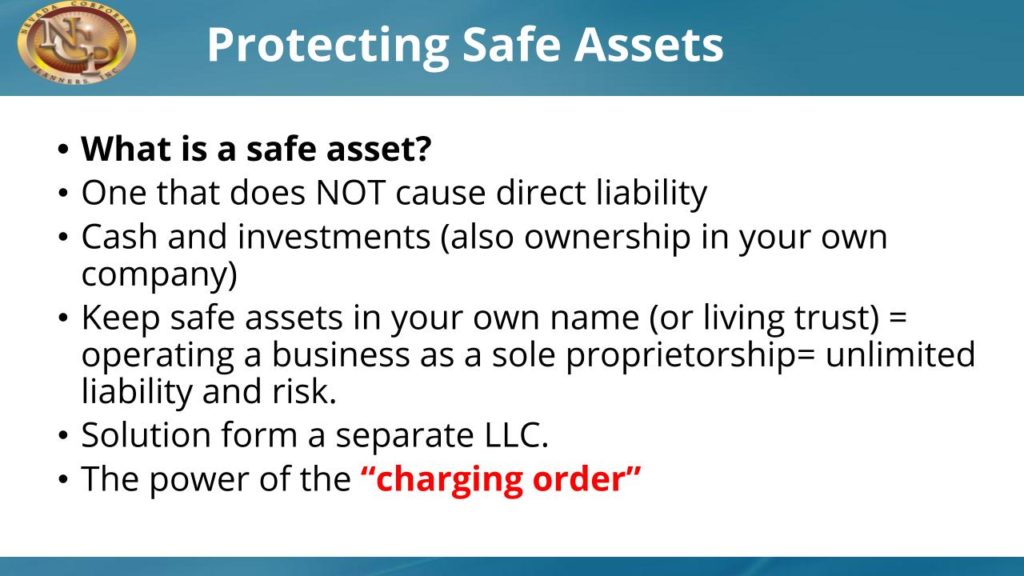
Understand What Counts as an Asset
The first step in protecting your assets is knowing what you have. Assets can include more than just bank accounts or property. Common examples include:
- Retirement accounts such as 401(k)s
- Savings and checking accounts
- Real estate
- Investments
- Business interests
- Valuable personal property
For parents, it's essential to think about how these assets will be distributed among family members, especially in the case of a divorce, lawsuit, or financial crisis.
Why Asset Protection is Crucial
Today, every individual, regardless of their wealth level, is at risk of losing their assets due to various reasons such as lawsuits, creditors, and financial risk. Therefore, it's critical to put together a plan to safeguard your wealth.
With the right asset protection strategies, you can shield your assets from creditors, lawsuits, and financial risk. This means you can enjoy peace of mind, knowing that your hard-earned money and property are secure.
7 Proven Asset Protection Strategies
Discover 7 effective asset protection strategies, including:
- Offshore trusts
- LLCs (Limited Liability Companies)
- Domestic trusts
- Umbrella insurance
- Life insurance
- Homeowner's insurance
- Business entities
How to Protect Your Assets from Creditors
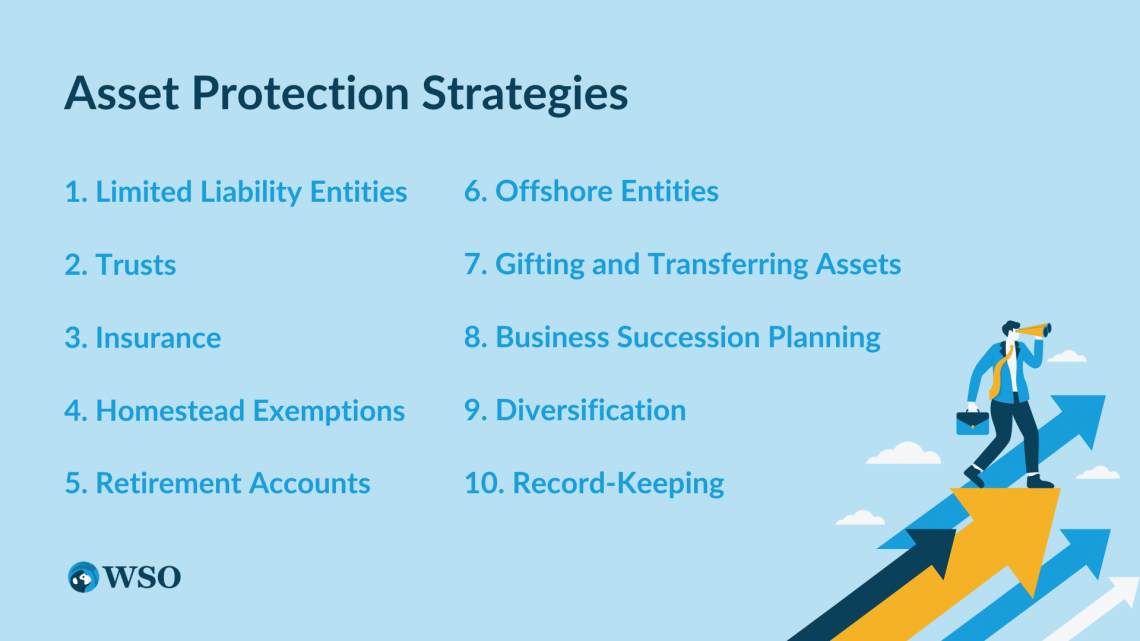
One of the primary goals of asset protection planning is to shield your assets from creditors. This can be achieved through various strategies, including:
- Transferring assets into a living trust
- Creating a business entity
- Using umbrella insurance
- Placing assets in a separate account
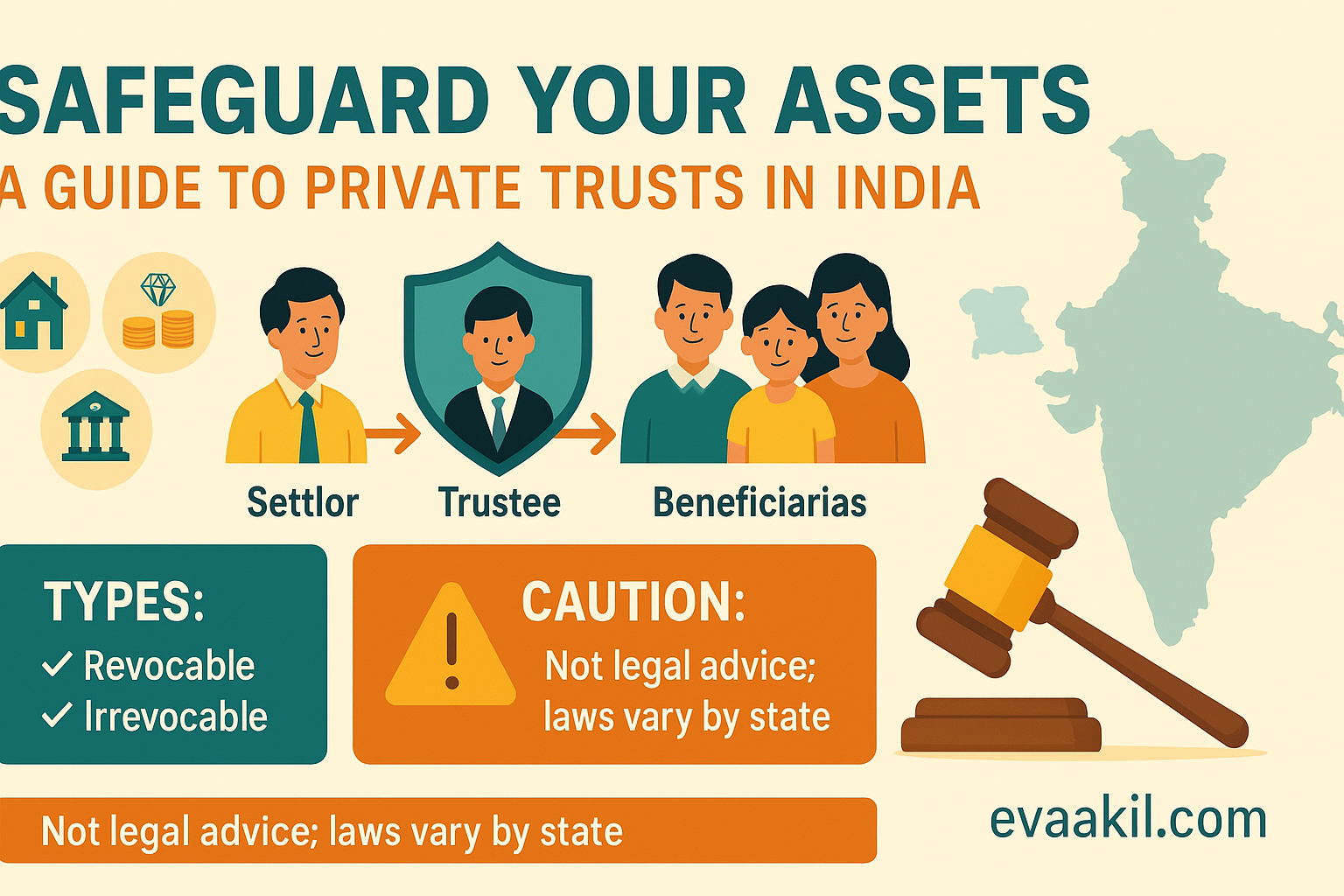
Why You Need a Family Trust
A family trust is a specific type of trust designed to help ensure your loved ones receive your wealth and potentially avoid public disclosure of trust assets. With a family trust, you can:
- Make your assets invisible to predatory lawyers
- Control distributions
- Secure a child's long-term financial future
How to Set Up an Asset Protection Plan
Creating a solid asset protection plan involves several steps, including:
- Transferring the family home into a living trust
- Undertaking an audit of your business
- Identifying and estimating the value of intellectual assets
- Commencing protection of these assets
Conclusion
Protecting your assets is crucial for your financial security and peace of mind. By understanding what counts as an asset, implementing effective asset protection strategies, and setting up an asset protection plan, you can safeguard your wealth from various risks.
Take the first step towards protecting your assets today and ensure a secure financial future for yourself and your loved ones.