How to Prevent Identity Theft Online Shopping
The convenience of online shopping is undeniable, but it comes with additional risks. Cybercrime, including identity theft, has become a growing concern in today's digital age. In this article, we will explore six ways to keep your identity and finances from fraud and provide tips on how to prevent identity theft while shopping online.
What is Identity Theft?
Identity theft is a serious form of cybercrime where an attacker steals your personal details, such as your name, address, date of birth, and banking information. They use this information to open fake accounts, make purchases, and commit other malicious activities. According to recent statistics, most identity theft victims are not seniors getting tricked over the phone, but people aged 30 to 39 who often fall victim to online shopping scams.
Six Ways to Prevent Identity Theft Online Shopping
-
1. Know Your Vendors
Thwart cyber attacks by shopping on sites you know and trust. Check the website's security certificate and review their return and refund policies before making a purchase. Be cautious of suspicious emails or pop-ups that ask for your login credentials or personal information.
-
2. Use a Credit Card with Identity Protection
Credit cards, generally speaking, tend to provide better security for consumers while shopping online, especially when combined with identity protection. If a thief somehow steals your number and is able to use it, you can report the incident and have your credit card provider investigate.
-
3. Avoid Financial Transactions and Shopping on Public Wi-Fi
Identity theft is a real risk when you're transmitting personal information over unsecured networks. Avoid using public Wi-Fi for online shopping, and always use a secure and encrypted connection to prevent hackers from intercepting your data.
-
4. Use a VPN (Virtual Private Network)
A VPN can help mask your IP address and protect your data while shopping online. However, a VPN is not a foolproof solution and should be used in conjunction with other security measures.
-
5. Monitor Your Accounts Regularly
Regularly check your bank and credit card statements for any suspicious transactions. Report any discrepancies to your provider immediately and consider placing a fraud alert on your accounts.
-
6. Use a Strong Password and Two-Factor Authentication
Use a strong and unique password for each of your online accounts, and consider enabling two-factor authentication (2FA) to prevent unauthorized access to your accounts.
Preventing Identity Theft While Shopping Online
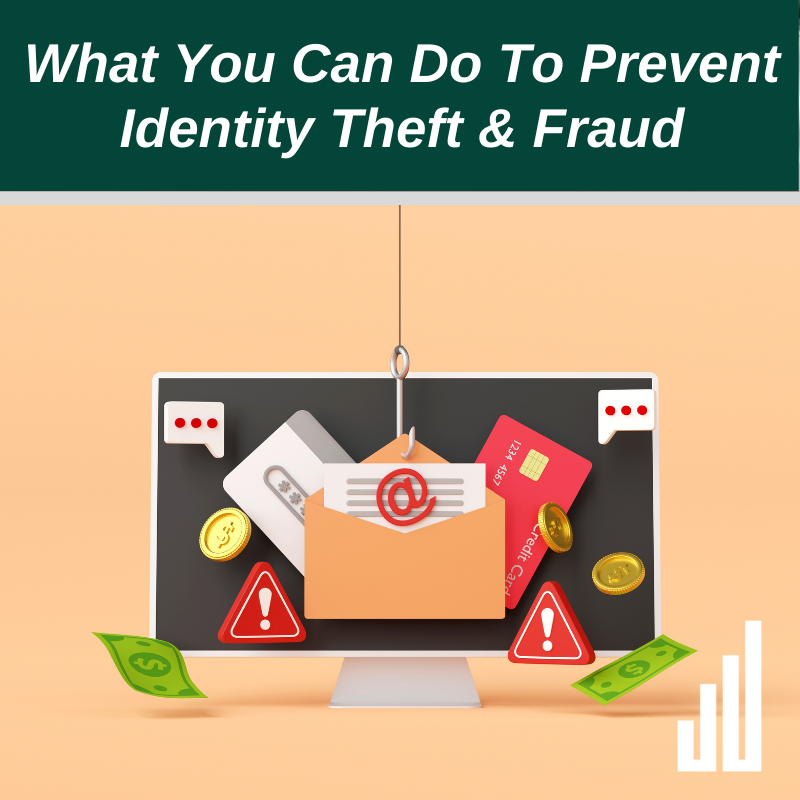
When shopping online, there are several things you can do to prevent identity theft. Always make sure the website you're shopping on is secure, use a credit card with identity protection, and avoid financial transactions on public Wi-Fi. Use a VPN, monitor your accounts regularly, and use a strong password and two-factor authentication to prevent unauthorized access to your accounts.
Conclusion
Online shopping has become an integral part of our lives, but it also comes with risks. By following these six tips, you can reduce the risk of identity theft and protect your finances. Always be cautious when shopping online and take the necessary steps to prevent identity theft. Remember, knowledge is power, and being aware of these risks can help you stay safe online.
Additional Resources
For more information on preventing identity theft and online shopping safety, visit the following resources:
- IdentityTheft.gov: A website provided by the federal government to help victims of identity theft.
- CISA (Cybersecurity and Infrastructure Security Agency) Website: Provides information on cybersecurity best practices to help individuals and organizations implement preventative measures and manage cyber risks.
- Get SafeOnline: The UK's leading source of unbiased, factual and easy-to-understand information on online safety.