Computer Security Against Ransomware: Protecting Your Digital Assets from Cyber Threats
Ransomware is a growing concern for individuals, businesses, and organizations worldwide. This malware encrypts files or locks systems, demanding payment in exchange for decryption keys. In this article, we'll explore the best practices for computer security against ransomware, helping you safeguard your precious data and maintain business continuity.
Understanding Ransomware
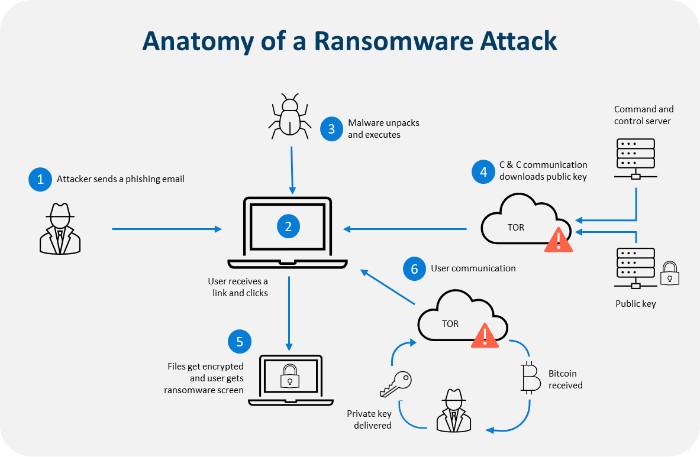
Ransomware is a type of malware that uses encryption to target sensitive information, making it inaccessible unless a ransom is paid. These attacks can cripple your computer, disrupting essential operations and leading to financial losses, data loss, and reputational damage. Some common ways to contract ransomware include visiting suspicious websites, opening malicious emails, or getting infected by infected software downloads.
Preventing Ransomware Attacks
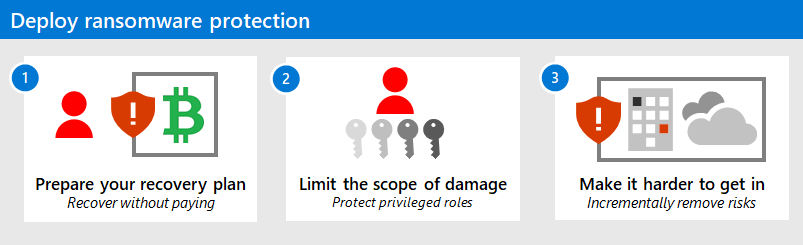
The best approach to combatting ransomware is prevention. Implement the following habits to reduce the risk of infection:
Back up your data regularly to an external drive or cloud storage to ensure you can recover quickly in case of an attack.
Use reputable antivirus software to scan for malware and block suspicious activities.
Keep your operating system, browser, and software up-to-date with the latest security patches.
Use multi-factor authentication to secure access to sensitive areas of your system.
Be cautious with emails and attachments from unknown sources.
Use a dedicated security tool, such as a proactive threat detection platform, to monitor your system for signs of ransomware.
Protecting Your Computer Against Ransomware
Protecting your computer against ransomware requires a multi-layered approach:

Implement a robust antivirus strategy, including anti-ransomware protection, to detect and prevent malware infections.
Regularly update your system and software to ensure you have the latest security patches and fixes.
Use a firewall to block unauthorized access to your system and data.
Consider using a dedicated security tool, such as a product like PC Matic, that provides advanced cybersecurity features.
Stay informed about the latest ransomware threats and security best practices through regular updates and security news.
Responding to Ransomware Attacks
While prevention is key, it's essential to have a plan in case of a ransomware attack:
Disconnect from the internet to prevent further spread.
Assess the extent of the damage and isolate affected systems.
Restore backups of your data to a secure environment.
Report the incident to authorities and consider notifying affected parties.
Implement additional security measures to prevent future attacks.
Conclusion
Computer security against ransomware requires a proactive and multi-layered approach. By implementing prevention strategies, protecting your system, and responding effectively in case of an attack, you can safeguard your digital assets and maintain business continuity. Remember, prevention is the best defense against ransomware, and staying informed and vigilant is crucial in this constantly evolving threat landscape.
References:
- Computer Security Against Ransomware, PC Matic, https://www.pcmatic.com/
- Ransomware Protection, Microsoft, https://docs.microsoft.com/en-us/windows/security/threat-protection/ransomware/ransomware-prevention-and-response
- Tips For Preparing Against Ransomware, [USE LAB, Dark Reading, https://www.darkreading.com/analysis/tips-for-preparing-against-ransomware/thot>Computer Security Against Ransomware: Protecting Your Digital Assets from Cyber Threats
Ransomware is a growing concern for individuals, businesses, and organizations worldwide. This malware encrypts files or locks systems, demanding payment in exchange for decryption keys. In this article, we'll explore the best practices for Computer Security Against Ransomware, helping you safeguard your precious data and maintain business continuity.
Understanding Ransomware
Ransomware is a type of malware that uses encryption to target sensitive information, making it inaccessible unless a ransom is paid. These attacks can cripple your computer, disrupting essential operations and leading to financial losses, data loss, and reputational damage. Some common ways to contract ransomware include visiting suspicious websites, opening malicious emails, or getting infected by infected software downloads.
Preventing Ransomware Attacks
The best approach to combatting ransomware is prevention. Implement the following habits to reduce the risk of infection:
- Back up your data regularly to an external drive or cloud storage to ensure you can recover quickly in case of an attack.
- Use reputable antivirus software to scan for malware and block suspicious activities.
- Keep your operating system, browser, and software up-to-date with the latest security patches.
- Use multi-factor authentication to secure access to sensitive areas of your system.
- Be cautious with emails and attachments from unknown sources.
- Use a dedicated security tool, such as a proactive threat detection platform, to monitor your system for signs of ransomware.
Protecting Your Computer Against Ransomware
Protecting your computer against ransomware requires a multi-layered approach:
- Implement a robust antivirus strategy, including anti-ransomware protection, to detect and prevent malware infections.
- Regularly update your system and software to ensure you have the latest security patches and fixes.
- Use a firewall to block unauthorized access to your system and data.
- Consider using a dedicated security tool, such as a product like PC Matic, that provides advanced cybersecurity features.
- Stay informed about the latest ransomware threats and security best practices through regular updates and security news.
Responding to Ransomware Attacks
While prevention is key, it's essential to have a plan in case of a ransomware attack:
- Disconnect from the internet to prevent further spread.
- Assess the extent of the damage and isolate affected systems.
- Restore backups of your data to a secure environment.
- Report the incident to authorities and consider notifying affected parties.
- Implement additional security measures to prevent future attacks.
Conclusion
Computer security against ransomware requires a proactive and multi-layered approach. By implementing prevention strategies, protecting your system, and responding effectively in case of an attack, you can safeguard your digital assets and maintain business continuity. Remember, prevention is the best defense against ransomware, and staying informed and vigilant is crucial in this constantly evolving threat landscape.
References: