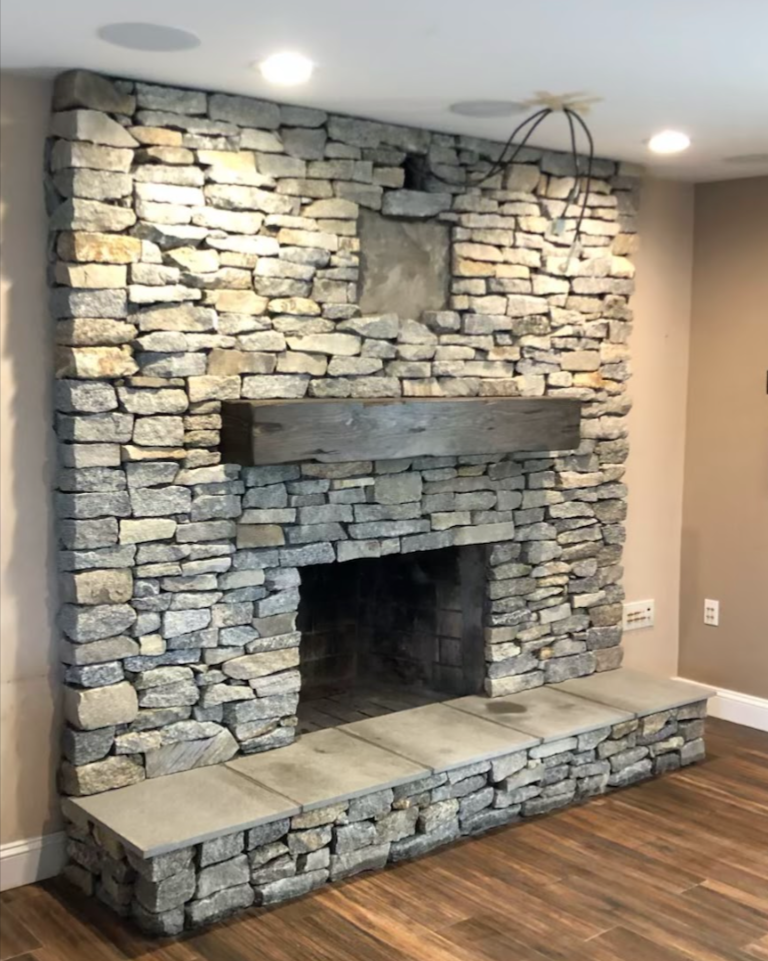
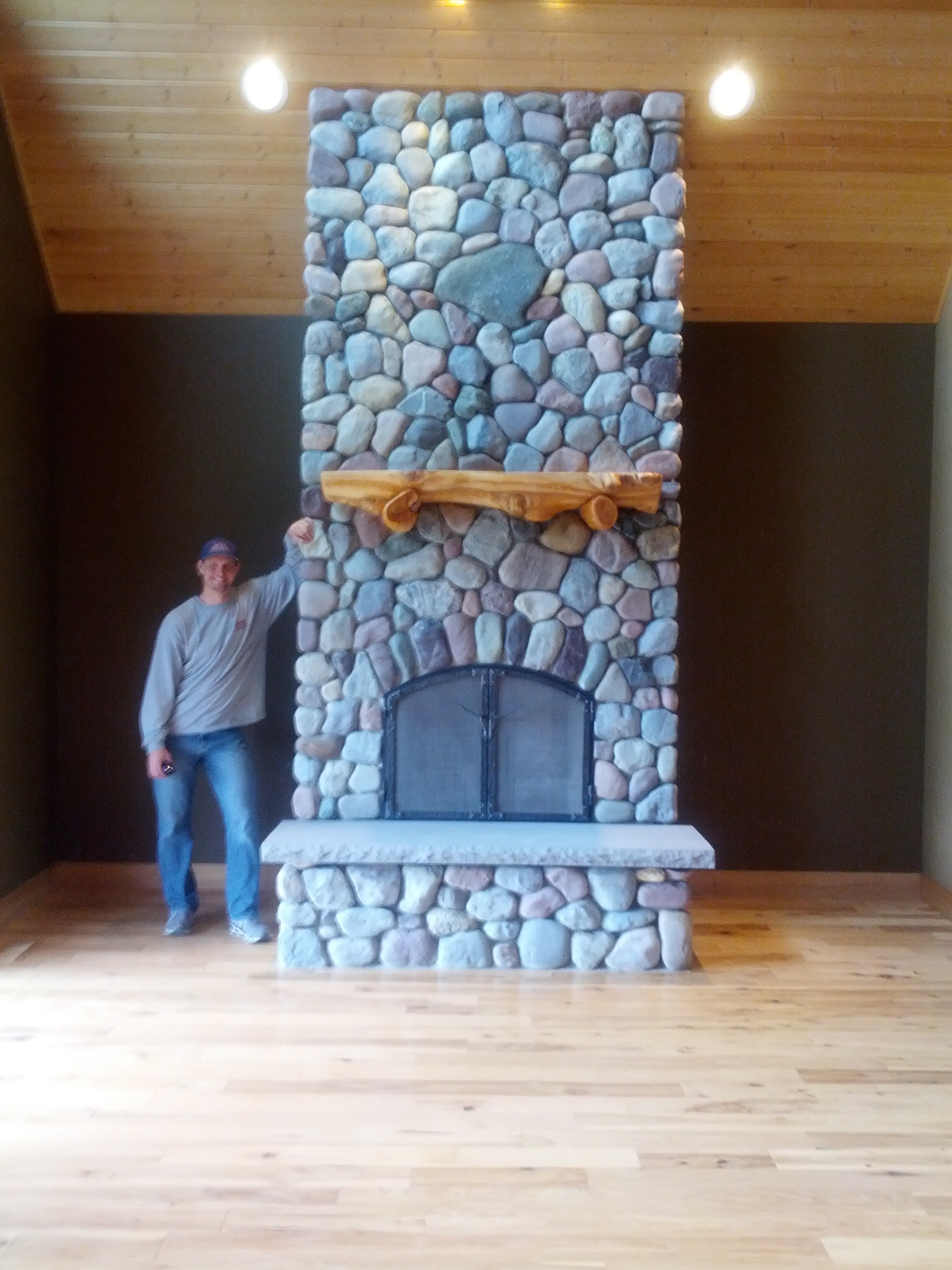
Water Damage Fireplaces Repair: A Guide to Identifying and Fixing Leaks
Accidents can happen to anyone, and water damage is one of the most common issues that homeowners face. If you suspect that your fireplace has been damaged due to water, it's essential to take immediate action to prevent further damage and ensure your safety. In this article, we'll discuss the causes of water damage to fireplaces, how to identify the problem, and provide a step-by-step guide on how to repair water-damaged fireplaces.
Causes of Water Damage to Fireplaces
A fireplace can be a beautiful addition to any home, but it also poses a risk of water damage if not properly maintained. Water damage to fireplaces can occur due to various reasons, including:
- Cracked or damaged flashing around the chimney
- Leaks in the chimney, which can be caused by worn-out or missing mortar, cracked crowns, or deteriorated caps
- Condensation buildup in the flue, which can lead to moisture accumulation and damage to the fireplace and surrounding areas
- Storms and heavy rainfall can push water beneath the flashing and into hairline crown cracks
- Settling foundations or structural damage to the fireplace structure
Identifying Water Damage to Fireplaces
Early detection is crucial in preventing further damage to your fireplace. Look out for the following signs:
- Water droplets or water spots on the walls or ceiling surrounding the fireplace
- Bubbles forming in the ceiling or walls near the fireplace
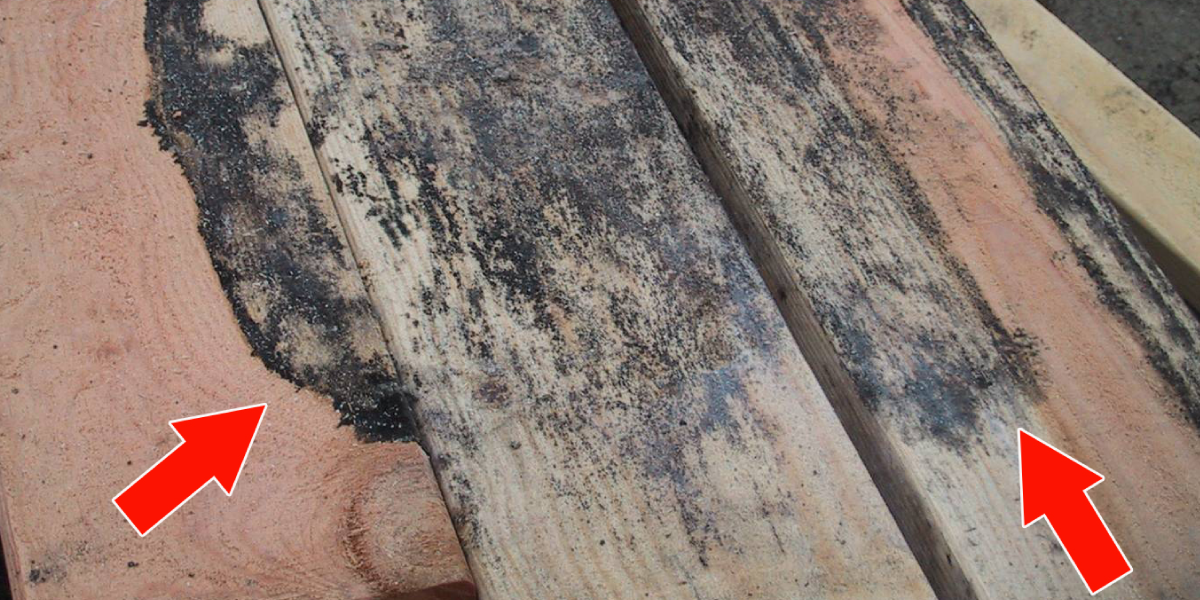
- Mold or mildew growth inside the fireplace or surrounding areas
- Noticeable damage to the flashing around the base of the chimney
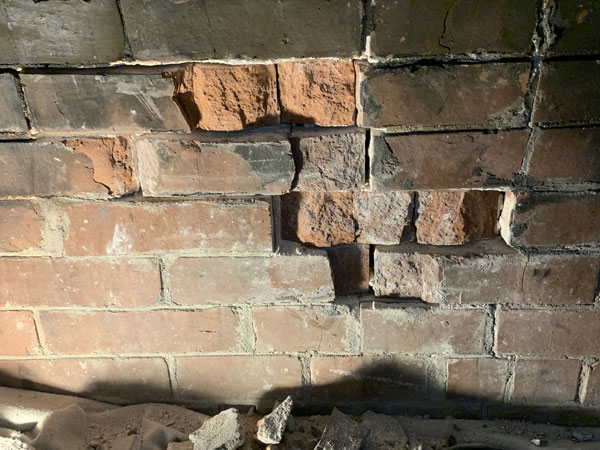
- Water damage to the masonry or brickwork surrounding the fireplace
Repairing Water Damage to Fireplaces
Repairing water damage to a fireplace can be a complex process, but it's essential to address the issue promptly to prevent further damage and ensure your safety. Here's a step-by-step guide on how to repair water-damaged fireplaces:
Step 1: Assess the Damage
Before starting the repair process, it's essential to assess the extent of the damage. Check for any visible signs of damage, such as water stains, cracks, or mold growth.
Step 2: Clean and Dry the Area

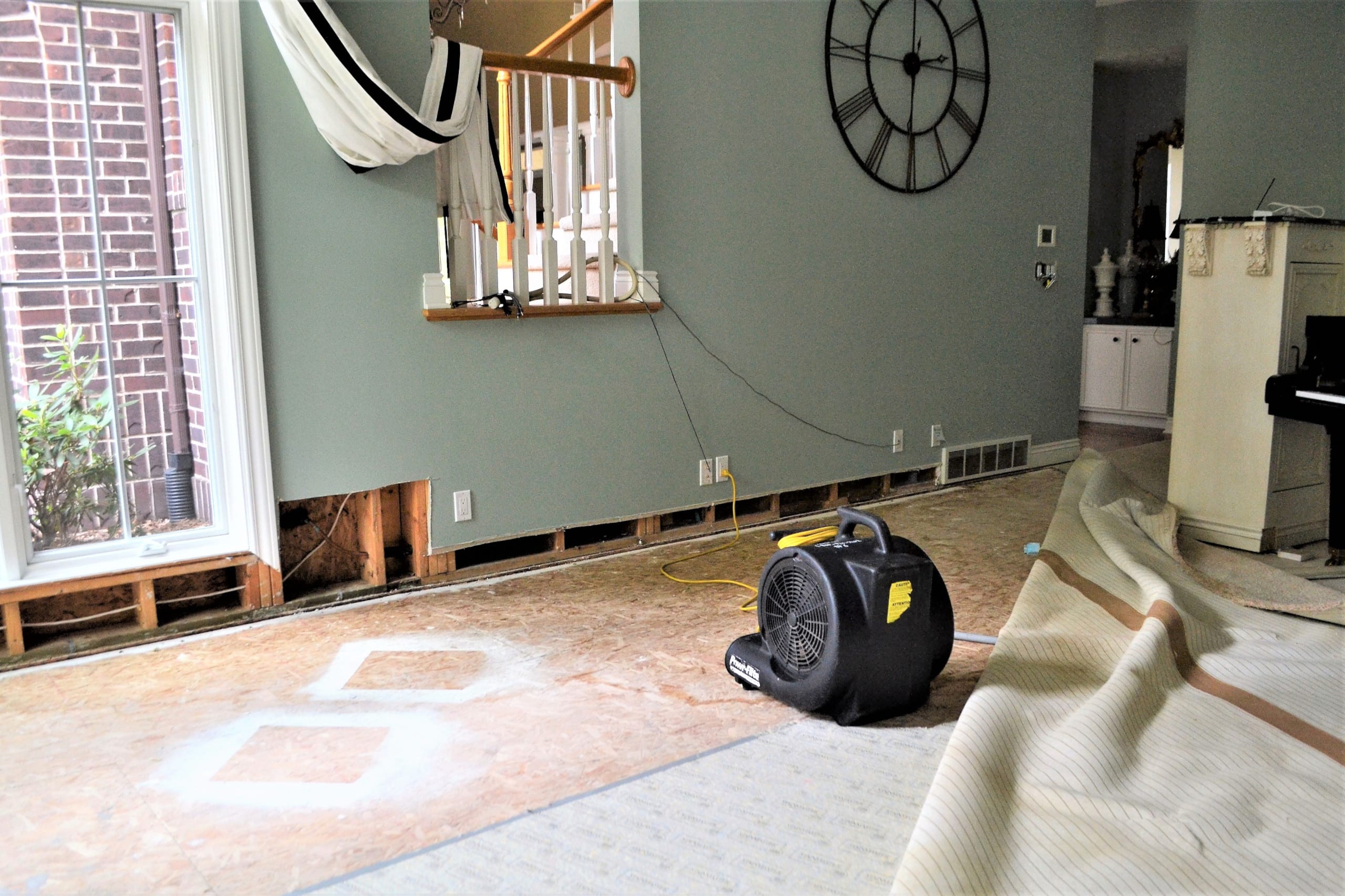
Use a wet/dry vacuum to remove any standing water and dry the area thoroughly. This will prevent further damage and ensure a successful repair.
Step 3: Repair Cracks and Gaps
Use a waterproof sealant to fill any cracks or gaps in the masonry or brickwork surrounding the fireplace. This will prevent further water damage and ensure a watertight seal.
Step 4: Replace Damaged Sections
Replace any damaged sections of the chimney, including the crown, flue, or flashing. Use a water-resistant material, such as stainless steel or galvanized metal, to ensure a watertight seal.
Step 5: Waterproof the Fireplace
Apply a waterproof sealant to the fireplace and surrounding areas to prevent further water damage. This will also ensure that the fireplace operates safely and efficiently.
Conclusion
Repairing water damage to a fireplace is a complex process that requires careful assessment, cleaning, and repair. By following these steps and taking prompt action, you can prevent further damage and ensure your safety. If you're unsure about the extent of the damage or the repair process, it's always best to consult a professional.
At ServiceMaster Restoration by Zaba, we provide professional water damage repairs services to homeowners in [Your City/State]. Our expert technicians have years of experience in addressing water damage and can provide a thorough assessment, cleaning, and repair of your fireplace.
Prevent Water Damage to Your Fireplace
Preventing water damage to your fireplace is easier than you think. Regular maintenance, inspection, and repair can go a long way in preventing leaks and damage to your fireplace. Here are some tips to prevent water damage to your fireplace: