Silica Gel for Water Damage Drying: A Comprehensive Guide
Water damage can be a stressful and financially crippling experience, especially if it involves your electronic devices. However, with the right tools and techniques, you can increase the chances of successful recovery and minimize damage. In this article, we'll delve into the world of silica gel for water damage drying and explore its benefits, usage, and safety considerations.
What is Silica Gel?
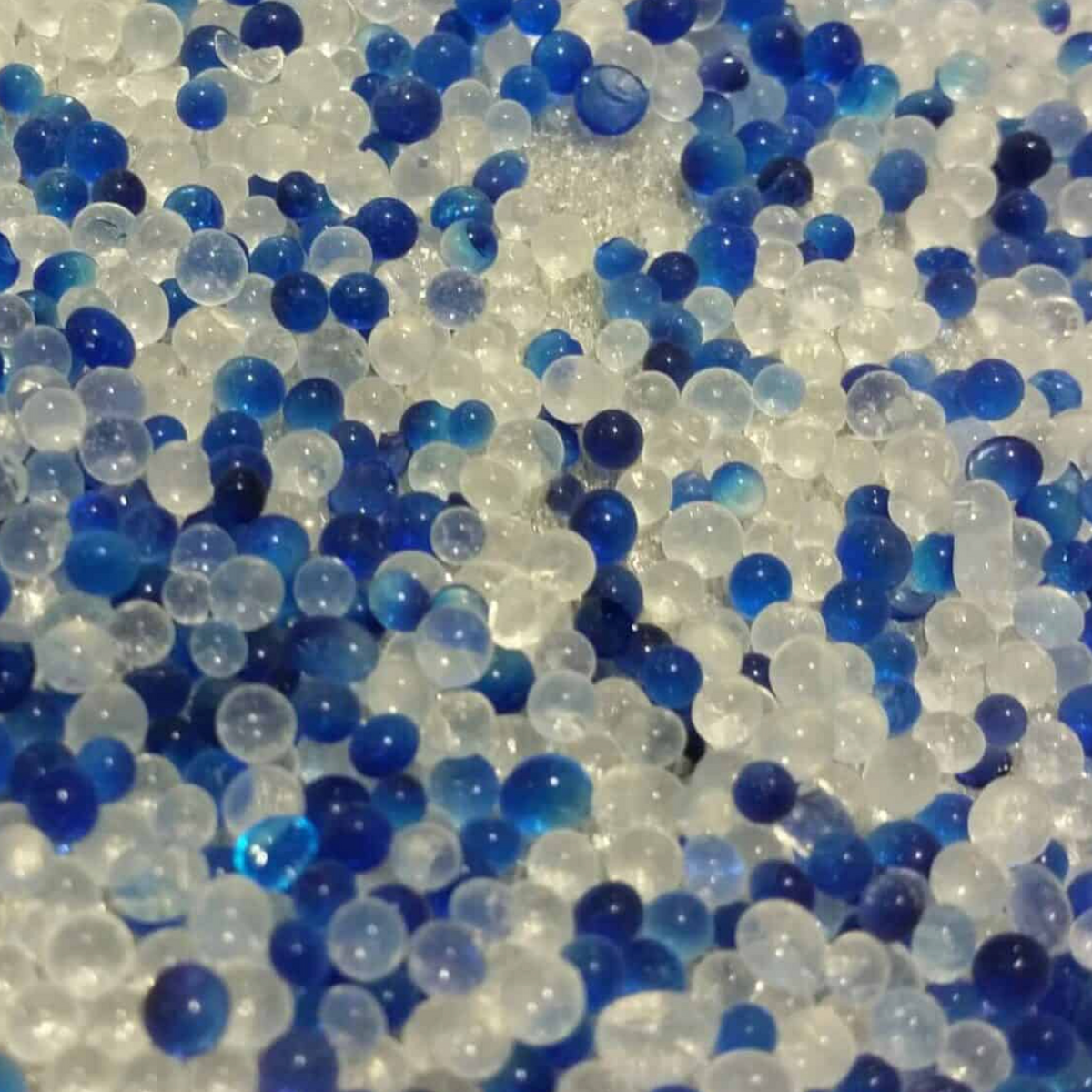
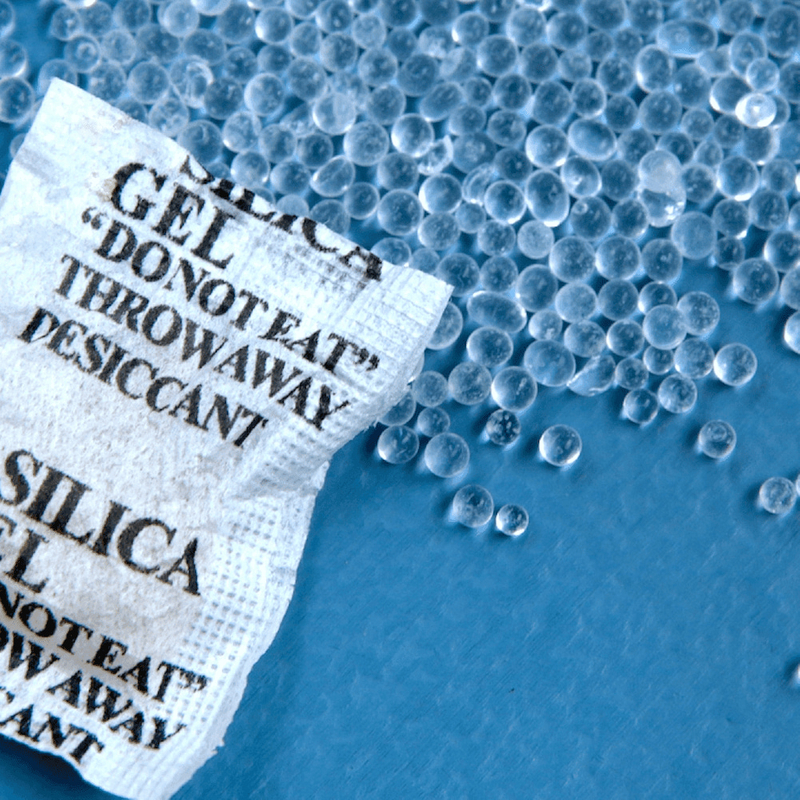
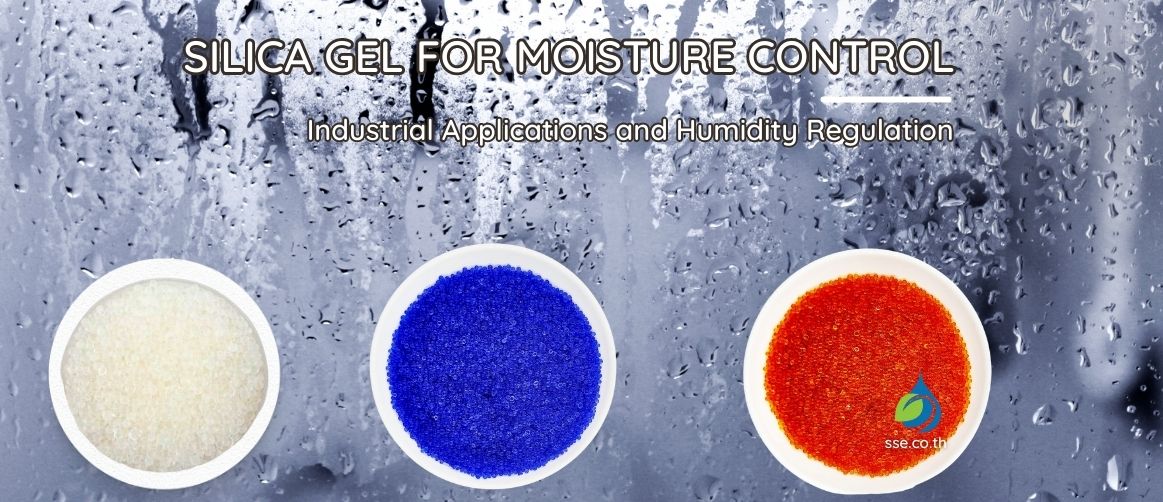
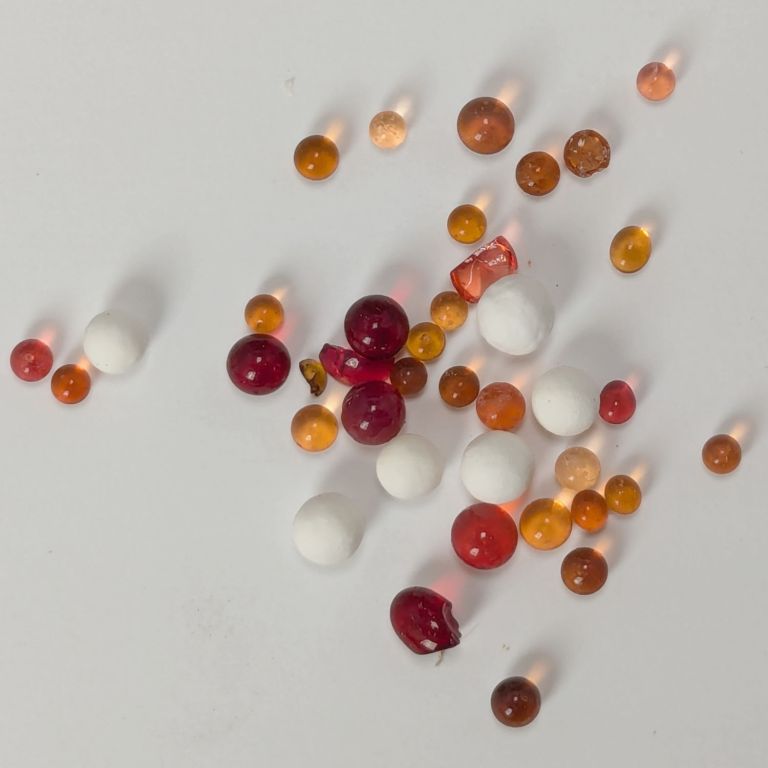
Silica gel is an amorphous and porous form of silicon dioxide (silica), consisting of an irregular three-dimensional framework of alternating silicon and oxygen atoms with nanometer-scale voids and pores. It's highly effective at absorbing moisture, making it an ideal desiccant for various applications.
How Does Silica Gel Work?
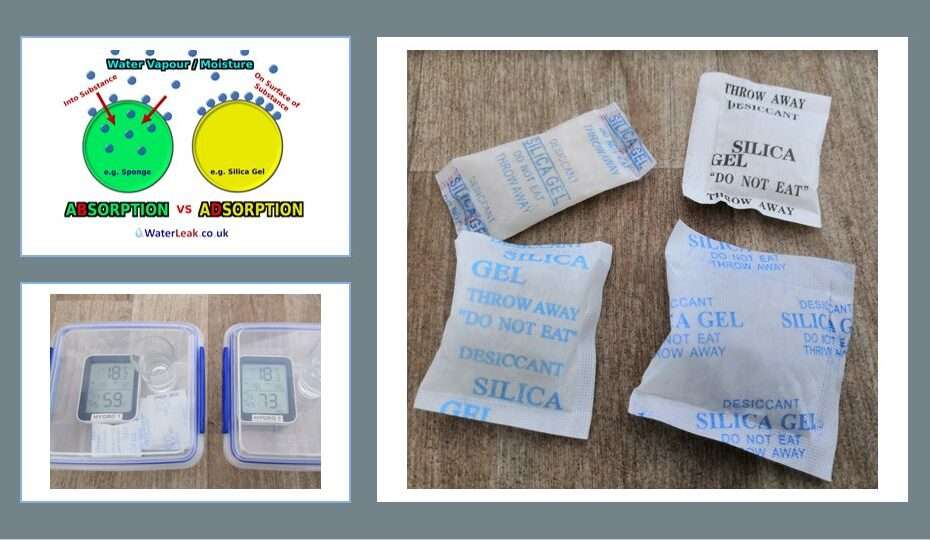
Silica gel works by using its vast surface area to absorb moisture from the air or from surfaces. This process is known as adsorption, which is a critical distinction from absorption. While absorption involves the material being soaked, adsorption occurs when the substance is drawn to the surface of the material.
Using Silica Gel for Water Damage Drying
When dealing with water-damaged devices, it's essential to act quickly and use the right materials. Silica gel can be an excellent option for drying out electronic devices, as it's highly effective at absorbing moisture and won't cause further damage. To use silica gel for water damage drying:
- Find an airtight container large enough to hold your device without it touching the sides.
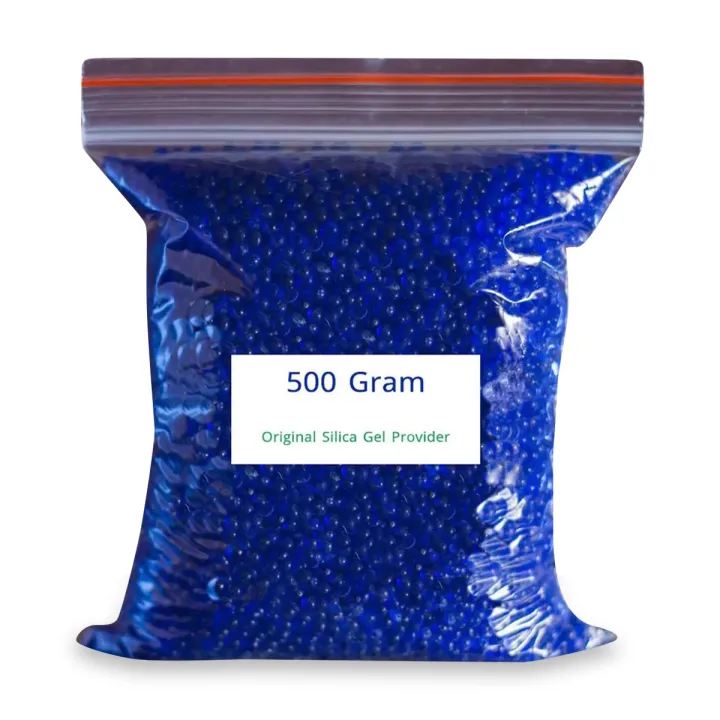
- Pour a layer of silica gel beads into the bottom of the container, about an inch deep.
- Place your device in the container, making sure it's completely covered with silica gel beads.
- Seal the container and allow it to sit for at least 24-48 hours or longer, depending on the severity of the damage.
Benefits of Using Silica Gel for Water Damage Drying
Using silica gel for water damage drying offers several benefits, including:
- High absorption capacity, ensuring moisture is removed quickly and efficiently.
- Non-toxic and environmentally friendly, making it a safe choice for electronics and other sensitive materials.
- Long-lasting, with the ability to reuse silica gel hundreds of times through proper drying and storage.
Safety Considerations
When using silica gel for water damage drying, it's essential to follow a few safety guidelines:
- Ensure the container is airtight to prevent moisture from escaping and causing further damage.
- Avoid overheating silica gel, as this can damage or contaminate it, making it unsuitable for reuse.
- Handle silica gel with care, as it can be easily contaminated or damaged during handling.
Conclusion
Silica gel is an effective and versatile desiccant for various applications, including water damage drying. By understanding how silica gel works and following proper usage and safety guidelines, you can increase the chances of successful recovery and minimize damage to your electronic devices. With silica gel by your side, you'll be better equipped to handle water damage and other moisture-related issues.
Where to Buy Silica Gel
If you're interested in purchasing silica gel for water damage drying or other applications, you can find it at various online retailers, such as Amazon or Walmart. You can also opt for bulk purchases and store them in an airtight container for future use.
Gardening with Silica Gel
Did you know that silica gel can also be used in gardening? It can help absorb moisture and maintain the natural shape of flowers and other plants. You can use silica gel to dry out hydrangeas, preserve flowers without pressing, or even create charming floral arrangements.
Reusing Silica Gel
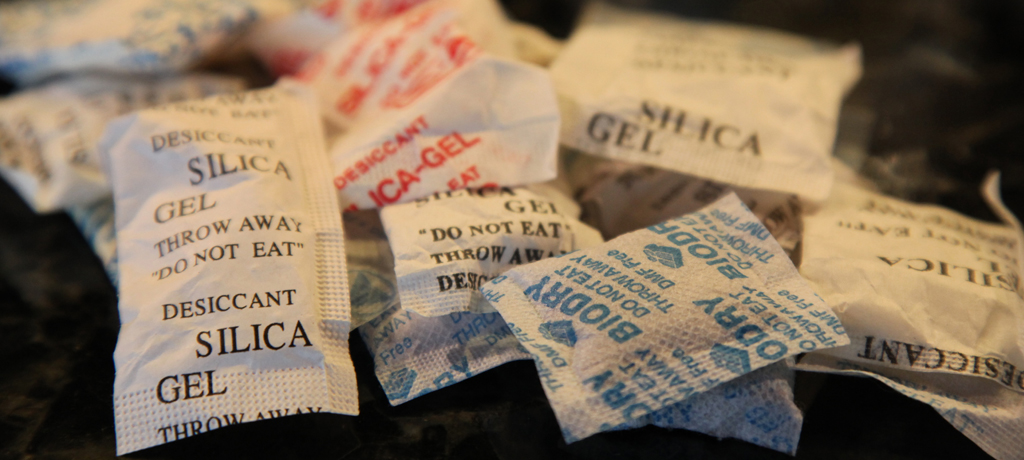
Many silica gel packets can be reused after drying them out in an oven or microwave. This makes them a sustainable option for ongoing moisture control in various applications. When reusing silica gel, ensure it's dry and free from contaminants to maintain its effectiveness.
Desiccant vs. Absorbent
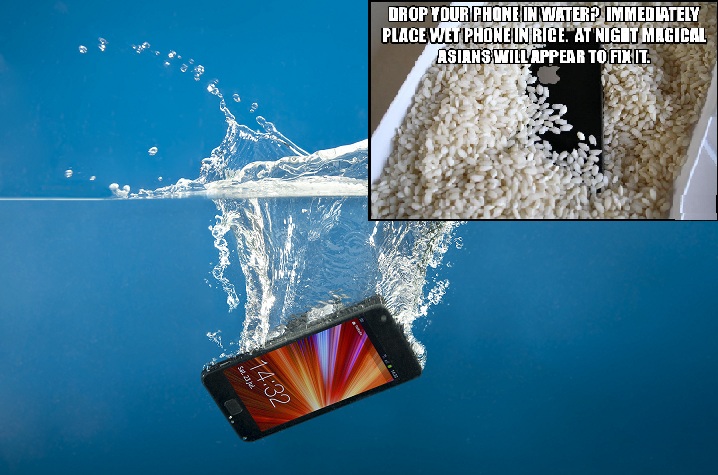
Understanding the difference between a desiccant and an absorbent is crucial when it comes to moisture control. A desiccant, like silica gel, absorbs moisture from the air, while an absorbent, such as uncooked rice, absorbs moisture from surfaces.