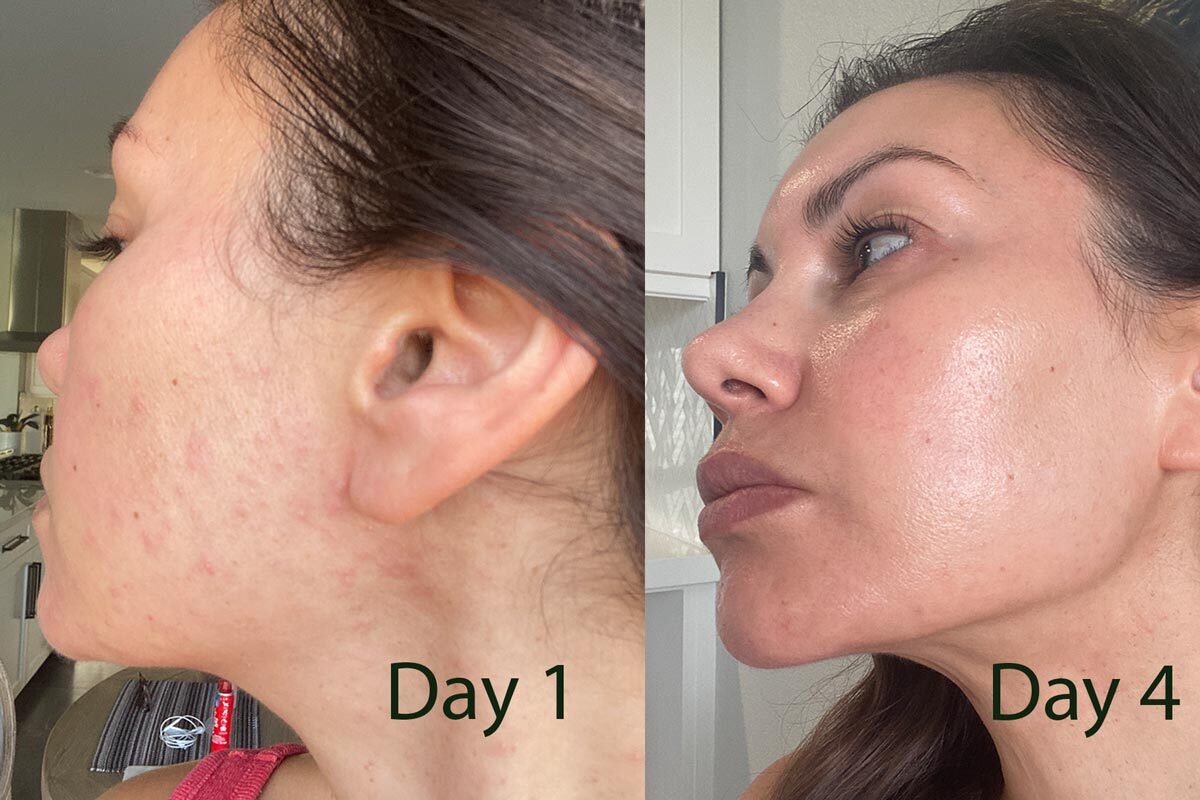
How to Get Rid of Acne: A Comprehensive Guide
Understanding Acne
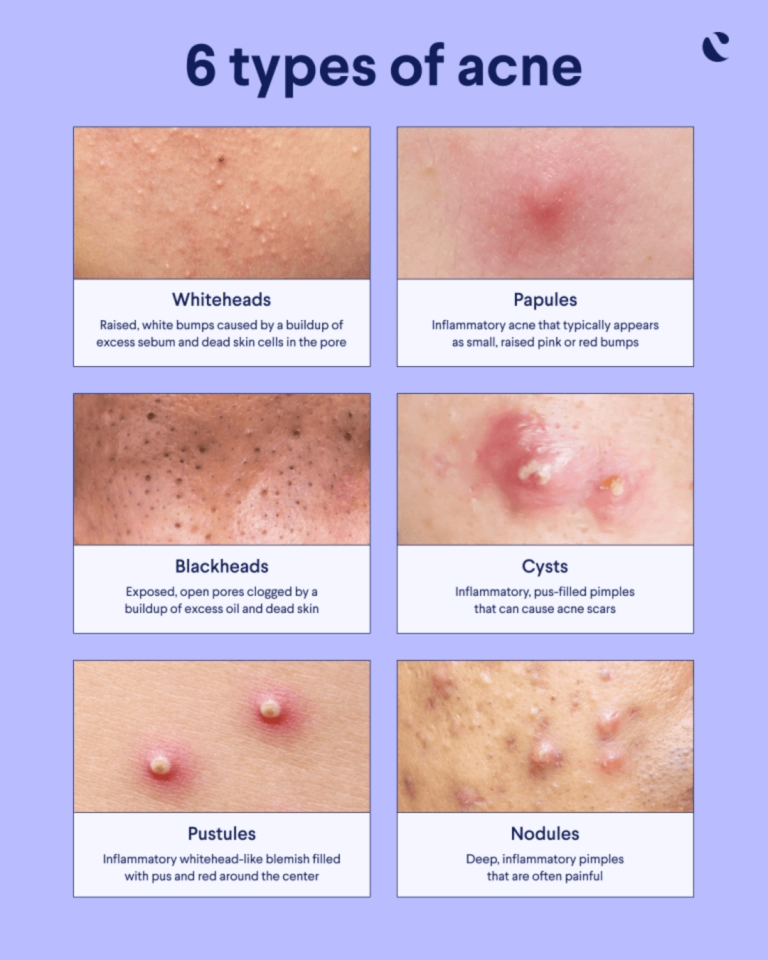
Acne is a common skin condition that causes pimples, blackheads, and whiteheads on the face, back, and chest.
Causes of Acne
Acne is caused by a combination of factors, including hormonal changes, oil production, and bacterial infection.
How to Get Rid of Acne
There are several ways to get rid of acne, including over-the-counter products, prescription medications, and professional treatments. In this article, we will explore the best methods for getting rid of acne and preventing scarring.
Skincare Routine
A consistent skincare routine is essential for getting rid of acne. This includes washing your face with a pH balanced cleanser twice a day, exfoliating your face at least once a week with a physical or chemical exfoliant, and applying a non-comedogenic moisturizer to help keep your skin hydrated.
Some great ingredients to include in your acne-fighting skincare routine are:
- Tea tree oil: Known for its antibacterial properties, tea tree oil can help reduce acne-causing bacteria.
- Salicylic acid: A beta-hydroxy acid that helps to exfoliate the skin and unclog pores.
- Niacinamide: A form of vitamin B3 that has been shown to improve skin elasticity and reduce inflammation.
- Aloe vera: A natural soothing agent that can help to reduce redness and inflammation.
Home Remedies
There are several home remedies that can help to get rid of acne, including:
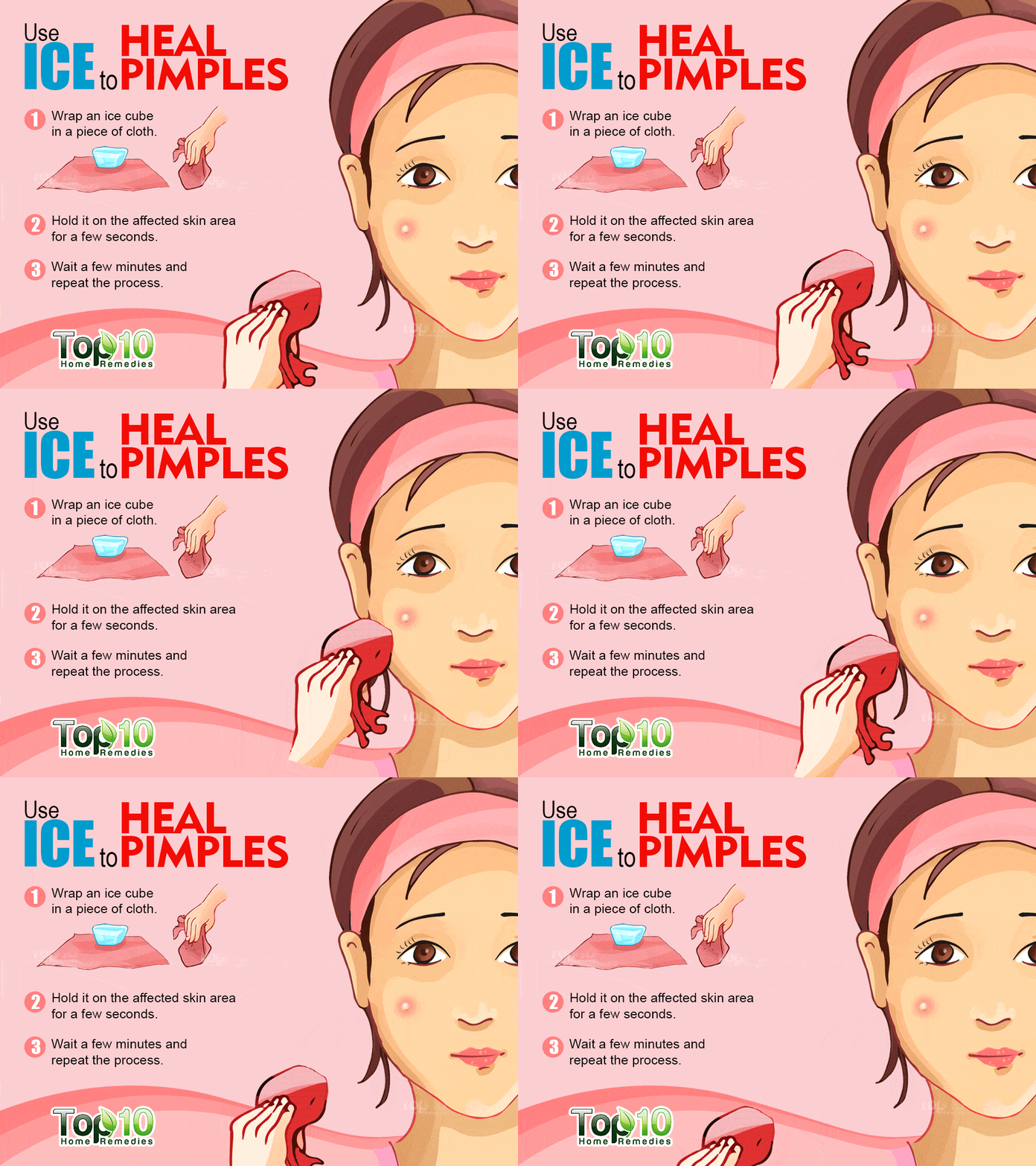
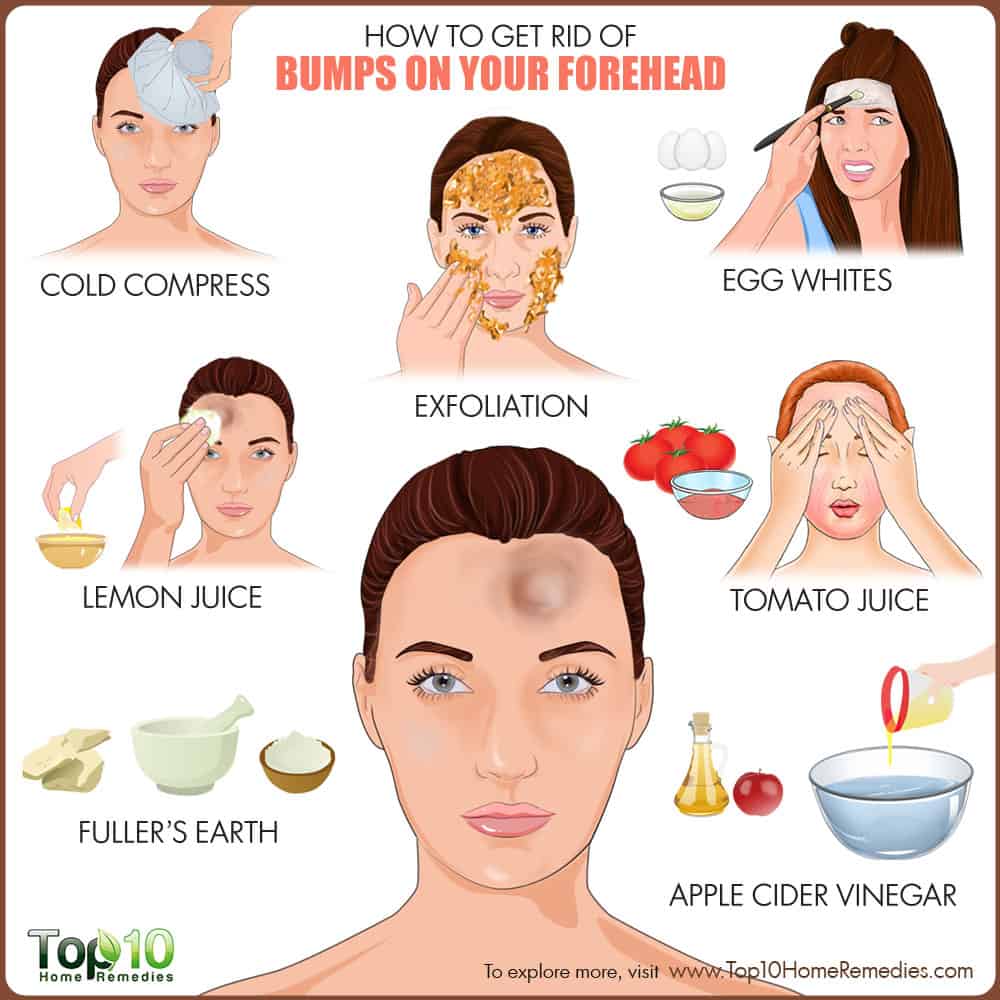
- Using a cold compress: Applying a cold compress to the affected area can help to reduce redness and inflammation.
- Drinking plenty of water: Staying hydrated can help to flush out toxins and reduce acne.
- Getting enough sleep: Lack of sleep can lead to increased stress and inflammation, which can contribute to acne.
- Managing stress: High levels of stress can lead to increased inflammation and acne.
Over-the-Counter Products
There are several over-the-counter products that can help to get rid of acne, including:
- Spot treatments: These contain active ingredients such as benzoyl peroxide or salicylic acid that can help to reduce acne.
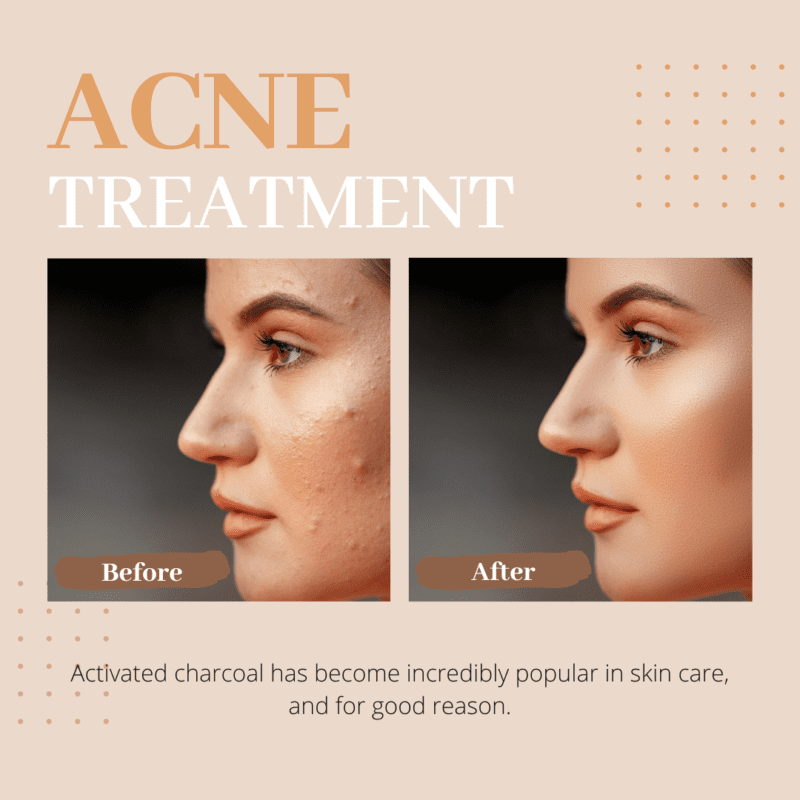
- Acne creams: These contain ingredients such as sulfur or clay that can help to dry out acne.
- Moisturizers: These can help to keep the skin hydrated and reduce acne.
Prescription Medications

Prescription medications such as antibiotics, retinoids, and hormonal treatments can be prescribed by a dermatologist to help get rid of acne.
Professional Treatments
There are several professional treatments that can help to get rid of acne, including:
- Blue light therapy: This treatment uses blue light to kill bacteria that cause acne.
- Laser treatments: These can help to reduce inflammation and prevent scarring.
- Microdermabrasion: This is a non-invasive exfoliating treatment that can help to improve skin texture and reduce acne.
Preventing Scarring
Preventing scarring is an important part of getting rid of acne. This can be achieved by:
Using Sunscreen
Using sunscreen with at least SPF 30 can help to prevent further inflammation and scarring.
Applying Topical Treatments
Applying topical treatments such as retinoids or hydroquinone can help to prevent scarring and hyperpigmentation.
Getting Professional Treatment
Getting professional treatment such as laser or microdermabrasion can help to prevent scarring and improve skin texture.
Conclusion
Getting rid of acne requires a combination of good skincare habits, home remedies, and professional treatments. By following the tips outlined in this article, you can help to get rid of acne and prevent scarring.
Additional Resources
For more information on how to get rid of acne, check out the following resources:
- Acne.org: A comprehensive resource for acne sufferers, offering advice, treatments, and product reviews.
- Skincare.com: A skincare-focused website offering advice, product reviews, and tips for managing acne.
- American Academy of Dermatology: A professional organization of dermatologists offering advice and resources on acne treatment.