Protecting Against Ransomware Virus: A Comprehensive Guide
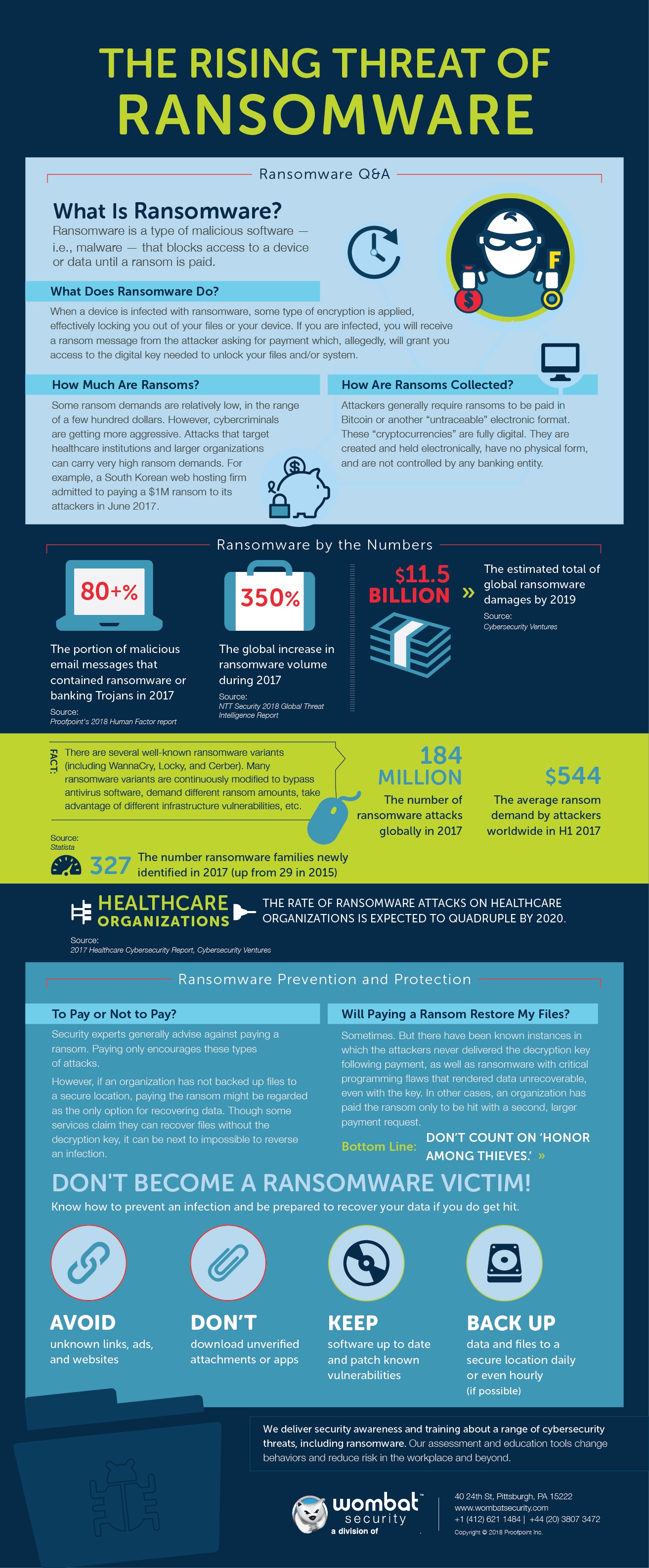
Ransomware has become a significant threat to individuals and organizations worldwide. This type of malware encrypts files and demands a ransom in exchange for the decryption key. To protect yourself and your organization from the devastating consequences of a ransomware attack, it is essential to understand the risks and take proactive measures to prevent and mitigate the effects of such an attack.
Understanding Ransomware
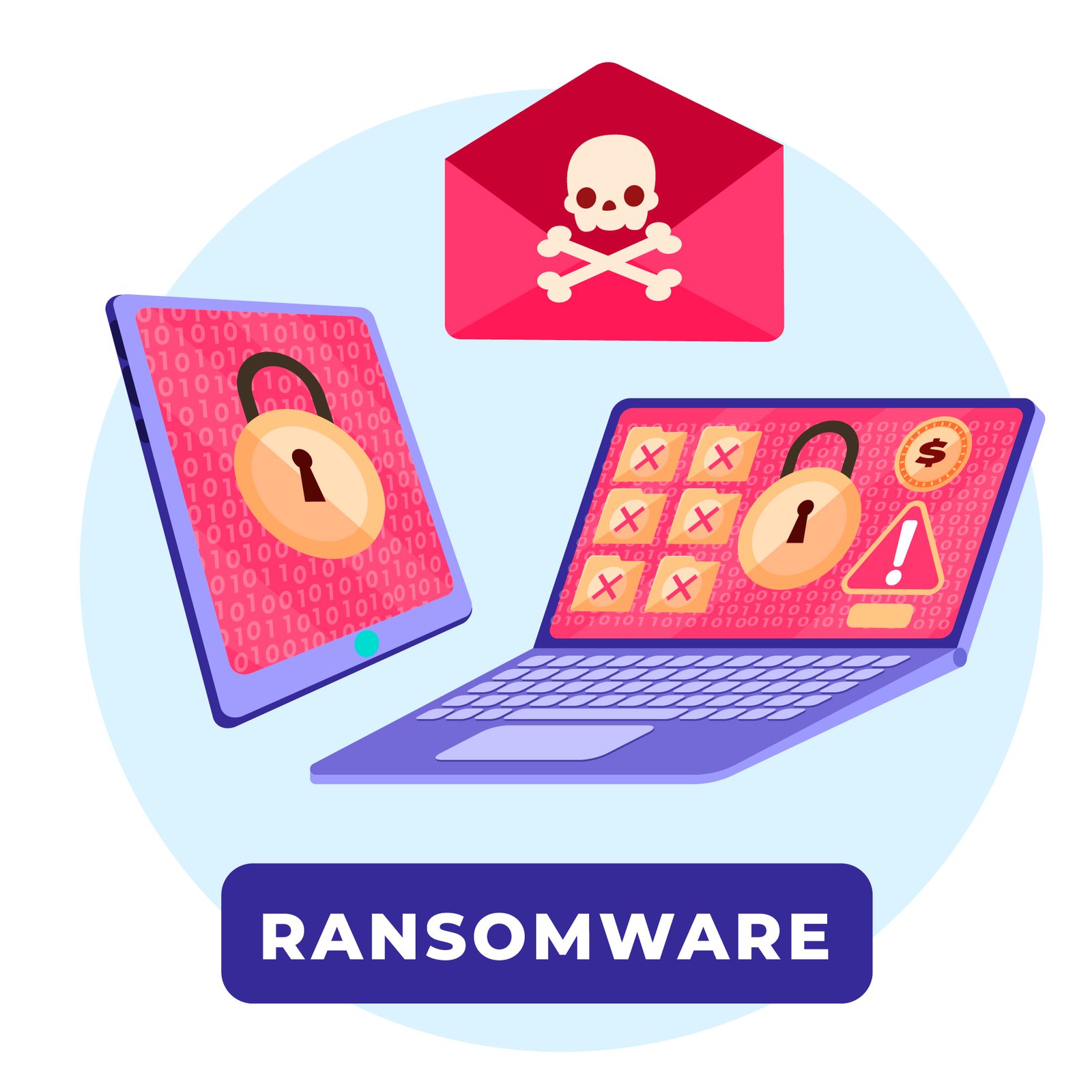
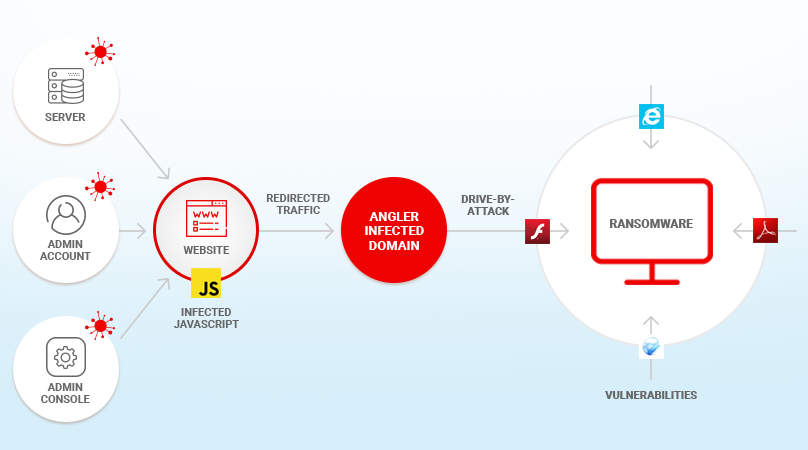
Ransomware is a type of malicious software that locks files and data and holds them for ransom. It usually attacks through phishing emails, infected software downloads, or drive-by downloads. Ransomware can spread quickly, infecting multiple computers or devices on a network, making it crucial to act fast and take preventive measures to protect against it.
Prevention is Key
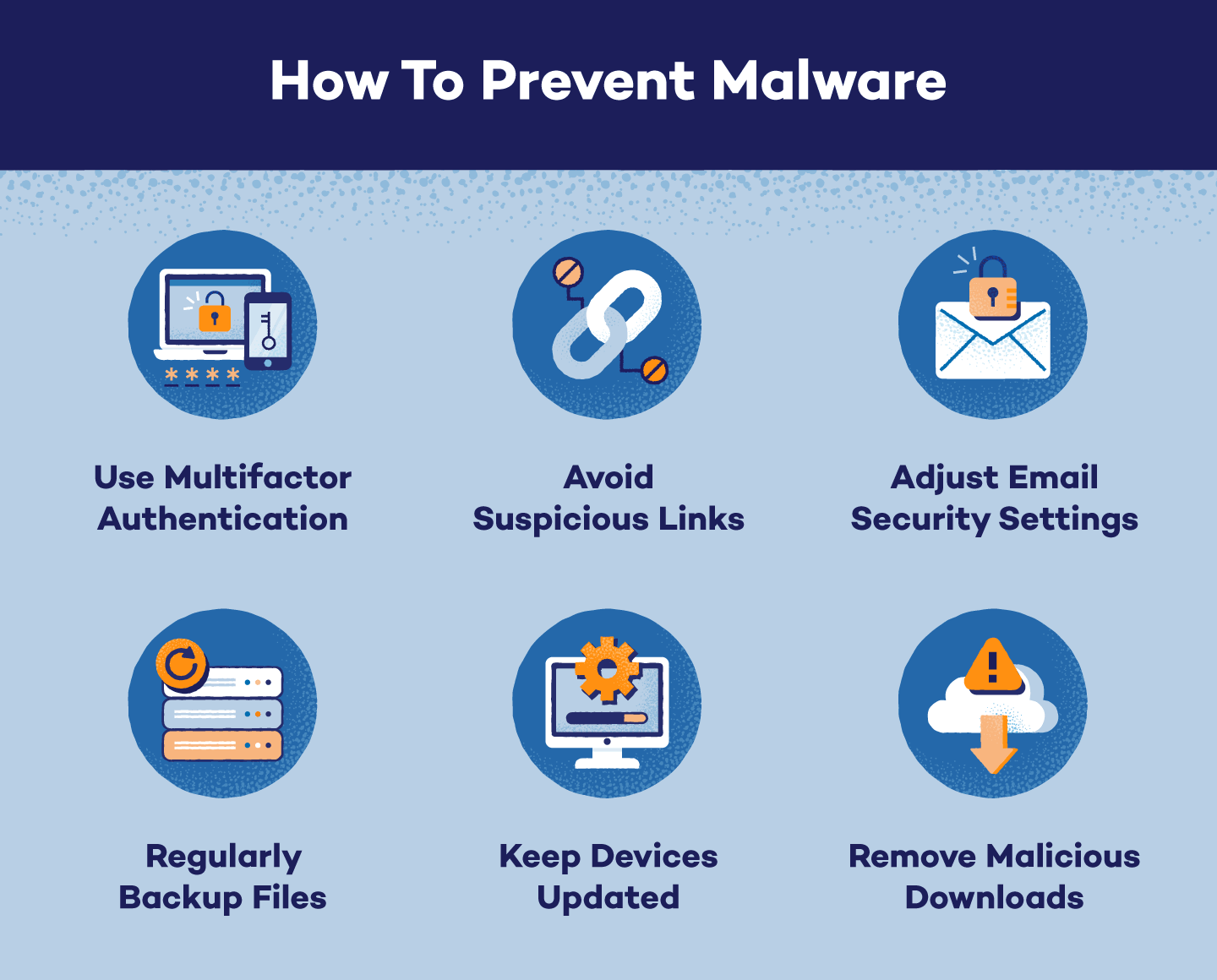
To protect against ransomware, you need to adopt a multi-layered approach that includes:
- Use antivirus software that includes anti-ransomware protection, such as endpoint detection and response (EDR) technology.
- Back up your important files and data regularly to prevent data loss in case of a successful ransomware attack.
- Use strong passwords and two-factor authentication (2FA) to prevent unauthorized access to your devices and networks.
- Implement a patch management system to ensure that all software and applications are up-to-date.
- Use a firewall to block unauthorized access to your network and devices.
- Use a reputable and trustworthy internet security solution that includes protection against ransomware.
- Use email and spam filters to prevent malicious emails from reaching your inbox.
- Use a content filtering system to block access to suspicious websites and downloads.
Protecting Against Ransomware with Advanced Technologies
Advanced technologies can play a significant role in protecting against ransomware attacks. Some of these technologies include:
- Machine learning-based detection and prevention systems that can identify and block ransomware attacks in real-time.
- Endpoint detection and response (EDR) technology that can detect and respond to ransomware attacks quickly and effectively.
- Next-generation firewalls that can block unauthorized access to your network and devices.
- Secure boot and secure firmware that can prevent ransomware from loading on your system.
- Advancedorsi software that includes anti-ransomware protection.
Responding to a Ransomware Attack
While prevention is key, it's also essential to have a plan in place to respond to a ransomware attack. In case of a successful attack, the following steps should be taken:

- Disconnect from the internet to prevent the spread of the malware.
- Contain the attack by isolating affected devices and networks.
- Restore data from backups.
- Restore your system to a previous state using a backup or a trusted restore point.
- Notify your stakeholders, including law enforcement and affected individuals.
Conclusion
Protecting against ransomware virus requires a combination of prevention, detection, and response strategies. By understanding the risks and adopting a multi-layered approach, you can significantly reduce the risk of a successful ransomware attack. Remember to regularly update your software, use antivirus software with anti-ransomware protection, back up your data, and have a plan in place to respond to a ransomware attack.
Recommended Solutions
If you're looking for advanced solutions to protect against ransomware, consider the following:
- Avast Antivirus software, which includes advanced anti-ransomware protection and AI-powered detection.
- Malwarebytes, which offers real-time security against ransomware, malware, and advanced online threats.
- Verizon Business Mobile Internet Security, which provides a network-based solution to safeguard smartphones against malware, ransomware, and phishing.
- RAV Endpoint Protection, which utilizes AI-powered endpoint detection and response (EDR) technology to protect against ransomware and other cyber threats.
- Trend Micro Internet Security, which offers world-class protection against malware, ransomware, online banking threats, and emerging threats using advanced artificial intelligence.
Additional Resources
For more information on protecting against ransomware, visit the following resources:
- Cybersecurity and Infrastructure Security Agency (CISA) - https://www.cisa.gov/ransomware
- Joint #StopRansomware Guide - https://stopransomware.gov
- Microsoft's Ransomware Frequently Asked Questions - https://docs.microsoft.com/en-us/windows-security/security-in-depth/ransomware/ransomware-faq
Conclusion
Protecting against ransomware virus requires a proactive and multi-layered approach. By understanding the risks, adopting prevention, detection, and response strategies, and using advanced technologies and solutions, you can significantly reduce the risk of a successful ransomware attack. Remember to stay informed and up-to-date with the latest information and resources to protect against ransomware and other cyber threats.