How to Get a Motorcycle License: A Comprehensive Guide
Riding a motorcycle can be an exhilarating experience, offering freedom, convenience, and a cost-effective way to navigate busy roads. However, obtaining a motorcycle license is not an overnight process. In this guide, we will walk you through the steps to get your motorcycle license, covering the requirements, process, and tips to help you achieve your goal.
Eligibility Requirements
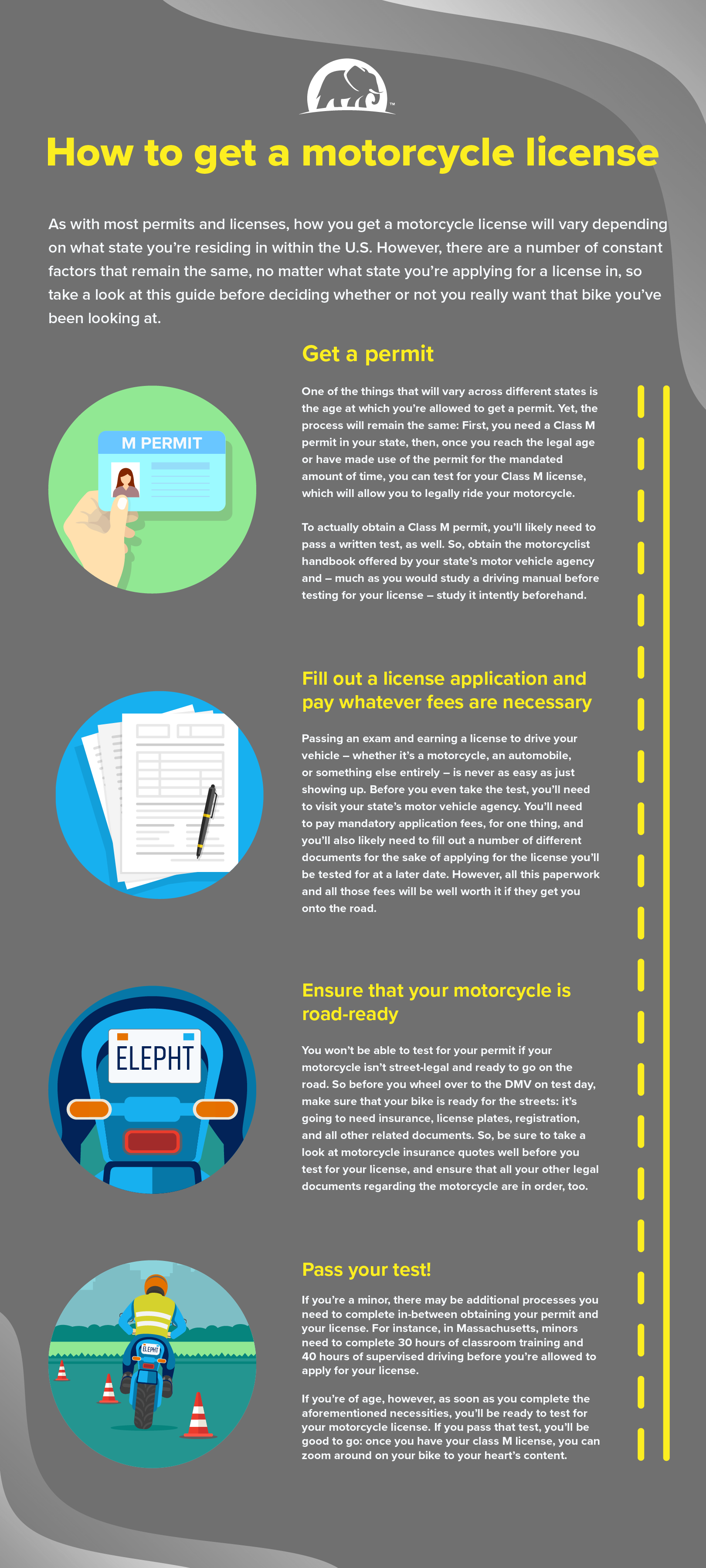
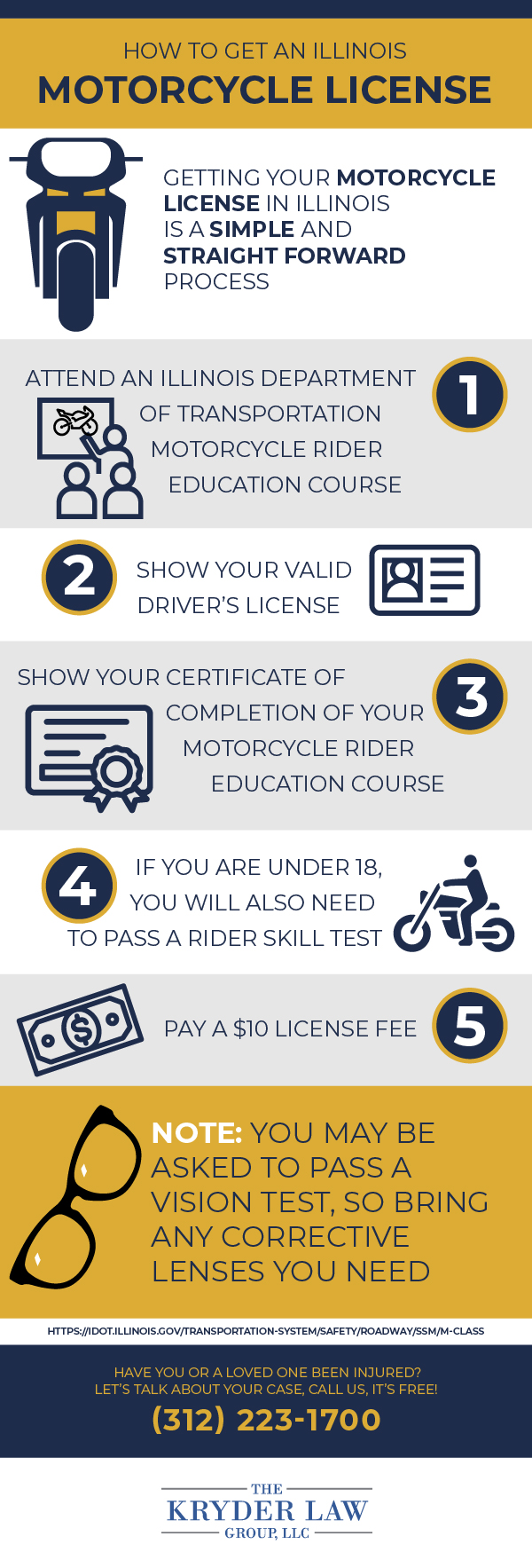
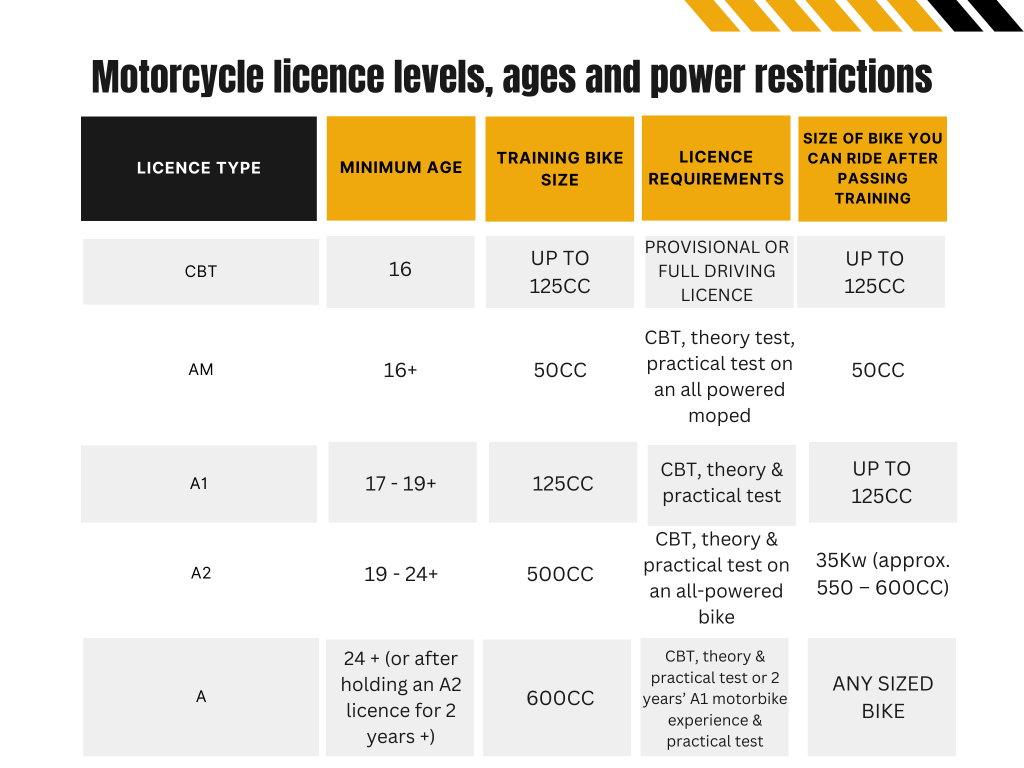
To apply for a motorcycle license, you must meet the eligibility requirements set by your state's Department of Motor Vehicles (DMV). Typically, you must be at least 16 years old (18 years old for some states) and have a valid driver's license. Additionally, you must pass a vision test and provide proof of identity and residency.
Steps to Get a Motorcycle License

-
Step 1: Meet the Eligibility Requirements
Make sure you meet the eligibility requirements set by your state's DMV. This includes being at least 16 years old (18 years old for some states) and having a valid driver's license.
-
Step 2: Study for the Written Test
Once you've met the eligibility requirements, it's time to study for the written test. The written test covers motorcycle safety, traffic laws, and road signs. You can study using the DMV's study guide or online resources.
-
Step 3: Take the Written Test
After studying, it's time to take the written test. The test is usually administered at a DMV office and will cover motorcycle safety, traffic laws, and road signs.
-
Step 4: Get a Motorcycle Learner Permit
Once you've passed the written test, you'll be issued a motorcycle learner permit. This permit allows you to practice riding a motorcycle under the supervision of a licensed rider.
-
Step 5: Take a Motorcycle Safety Course
Taking a motorcycle safety course is highly recommended. These courses cover motorcycle safety, handling, and maneuvers, and can help you develop the skills and confidence you need to ride safely.
-
Step 6: Schedule a Bike Inspection
Before taking the road test, make sure your motorcycle is in good working condition. Schedule a bike inspection to ensure your motorcycle meets the safety standards set by your state's DMV.
-
Step 7: Take the Road Test
Once you've completed all the previous steps, it's time to take the road test. The road test will cover your ability to safely operate a motorcycle, including starting and stopping, turning, and changing lanes.
-
Step 8: Get Your Motorcycle License
After passing the road test, you'll be issued a motorcycle license. Congratulations, you're now a licensed motorcycle rider!
Tips and Reminders
-
Making sure you have a valid motorcycle insurance policy is essential. This will protect you and others on the road in case of an accident.
-
Always wear protective gear, including a helmet, gloves, and jacket, when riding a motorcycle.
-
Practice riding in a safe and controlled environment, such as an empty parking lot, before taking the road test.
-
Consider taking a motorcycle safety course to help you develop the skills and confidence you need to ride safely.
Getting a motorcycle license requires patience, practice, and dedication. By following the steps outlined in this guide and staying safe on the road, you can enjoy the freedom and excitement of riding a motorcycle with confidence and skill.