Learn How to Check Tire Pressure with a Gauge Effectively
Maintaining the correct tire pressure is essential for the safety, efficiency, and longevity of your vehicle. Under-inflated tires can lead to reduced fuel economy, uneven tire wear, and increased risk of tire blowouts. On the other hand, over-inflated tires can cause a harsh ride and uneven tire wear. To ensure optimal tire health and vehicle safety, it is crucial to learn how to check tire pressure with a gauge effectively.
Why Check Tire Pressure with a Gauge?
- Improves fuel efficiency: Properly inflated tires can improve gas mileage by around 3.3%.
- Enhances safety: Under-inflated tires increase the risk of tire blowouts, which can lead to accidents and injuries.
- Extends tire lifespan: Maintaining the correct tire pressure can extend the lifespan of your tires and reduce the need for premature replacements.
- Prevents uneven tire wear: Proper inflation ensures even tread wear, which can help extend the lifespan of your tires.
How to Use a Tire Pressure Gauge
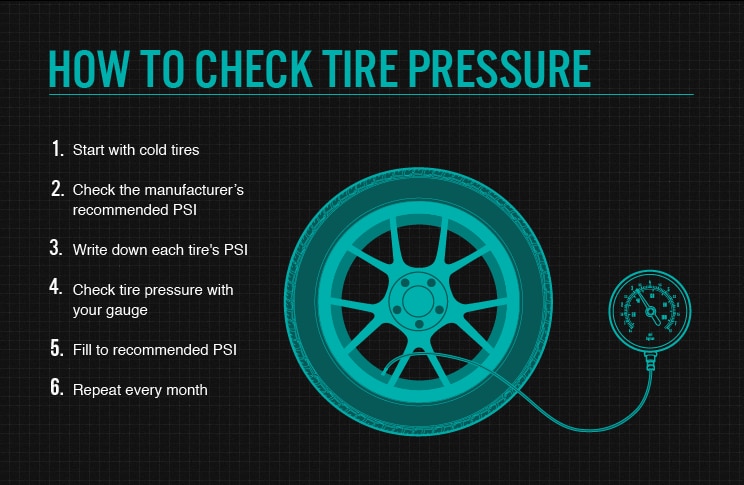
To check tire pressure with a gauge, follow these simple steps:
- Find your vehicle's recommended tire pressure, which can be found in the owner's manual or on the tire information placard on the driver's side doorjamb.
- Remove the valve cap from the tire.
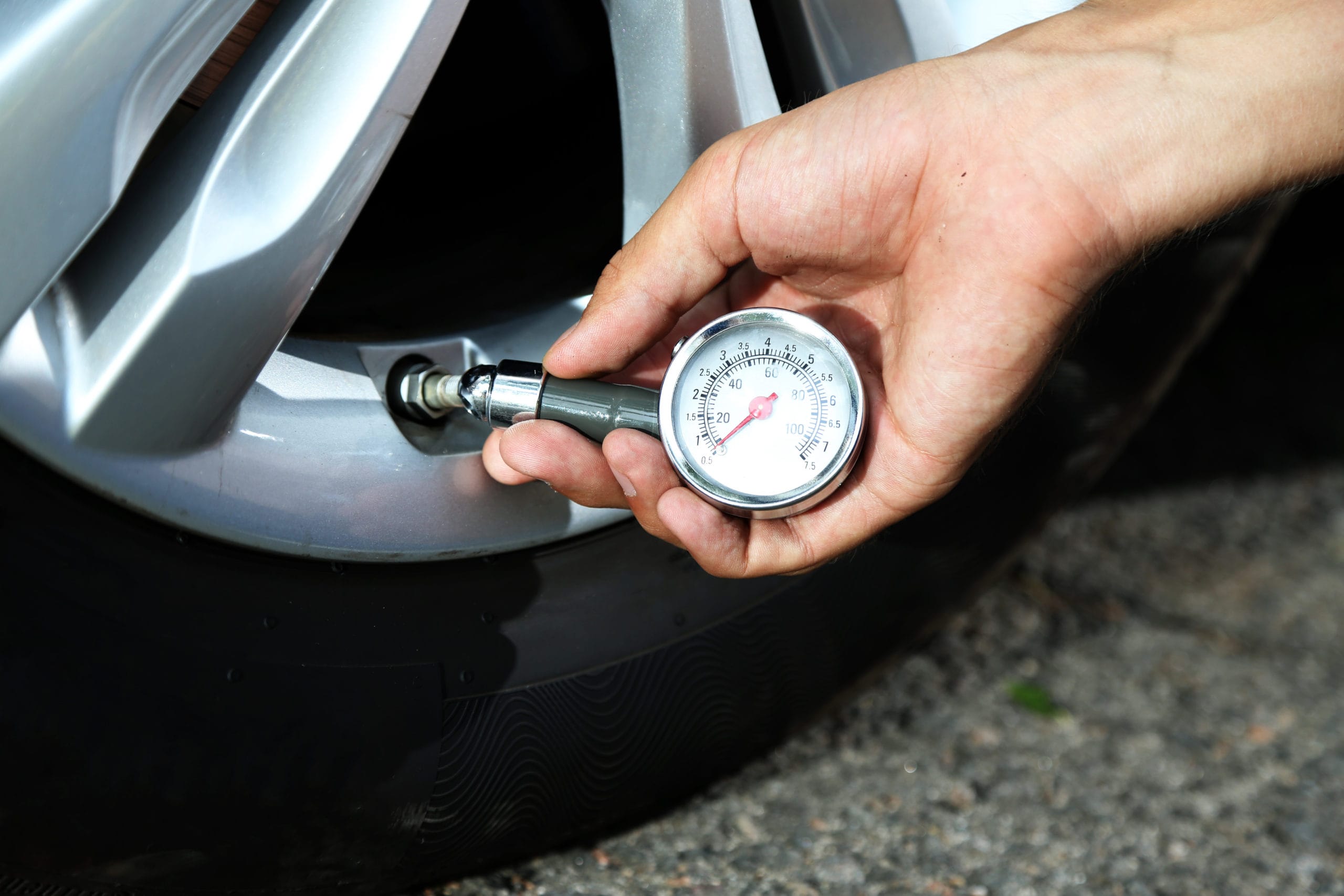
- Press the tire pressure gauge onto the valve stem.
- Take a reading of the pressure, which should be in pounds per square inch (PSI).
- Compare the reading to the recommended pressure and adjust as needed.
Choosing the Right Tire Pressure Gauge
When selecting a tire pressure gauge, consider the following factors:
- Accuracy: Look for a gauge that is accurate to within 1-2 PSI.
- Durability: Choose a gauge that is durable and can withstand regular use.
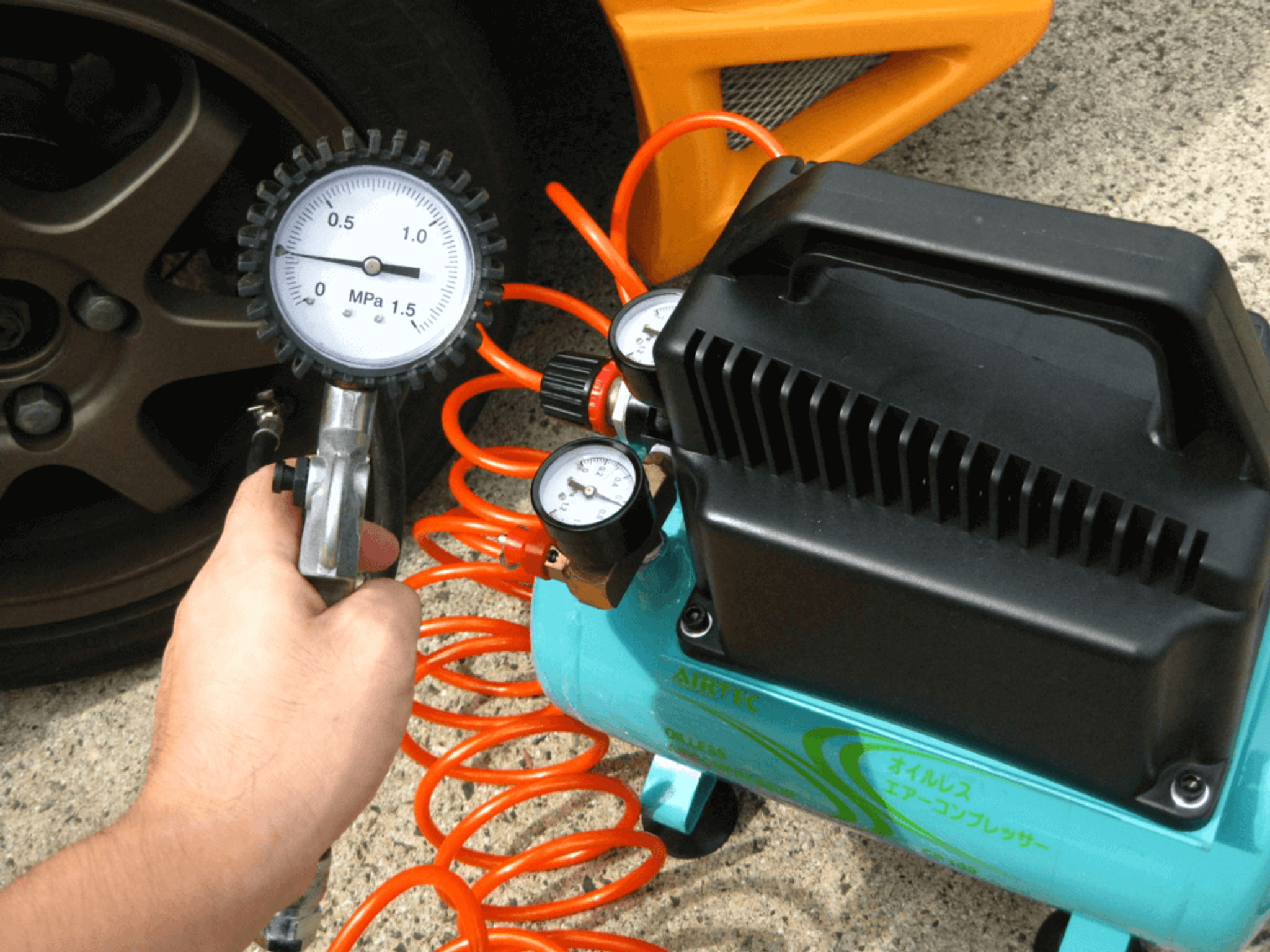
- Additional features: Some gauges come with additional features, such as a built-in air compressor or a digital display.
Types of Tire Pressure Gauges
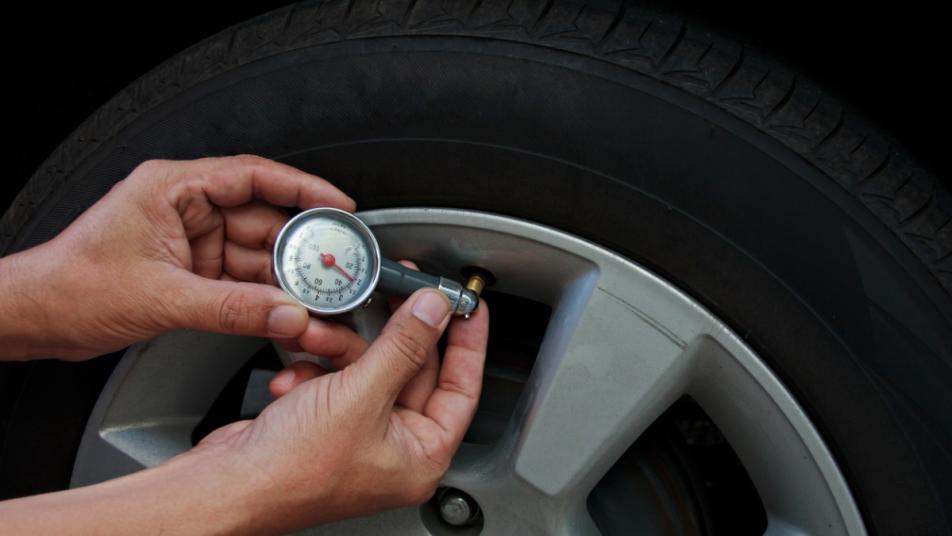
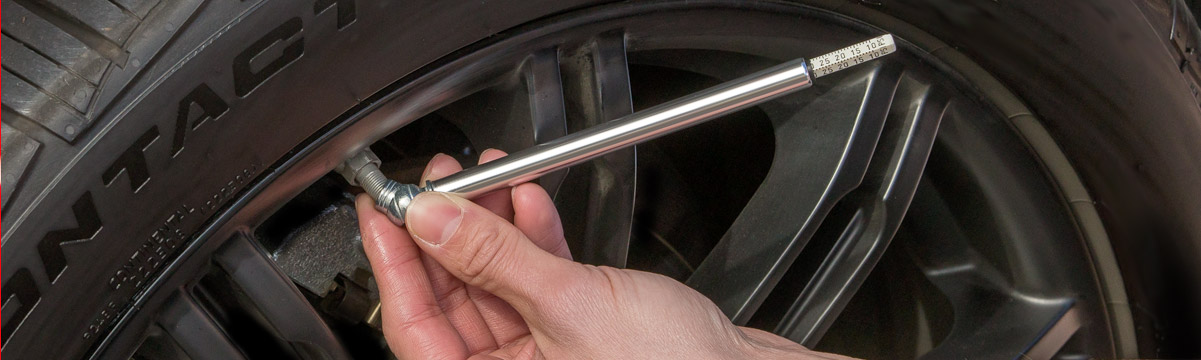
There are several types of tire pressure gauges available, including:
- Analog gauges: These gauges use a mechanical dial to display the pressure reading.
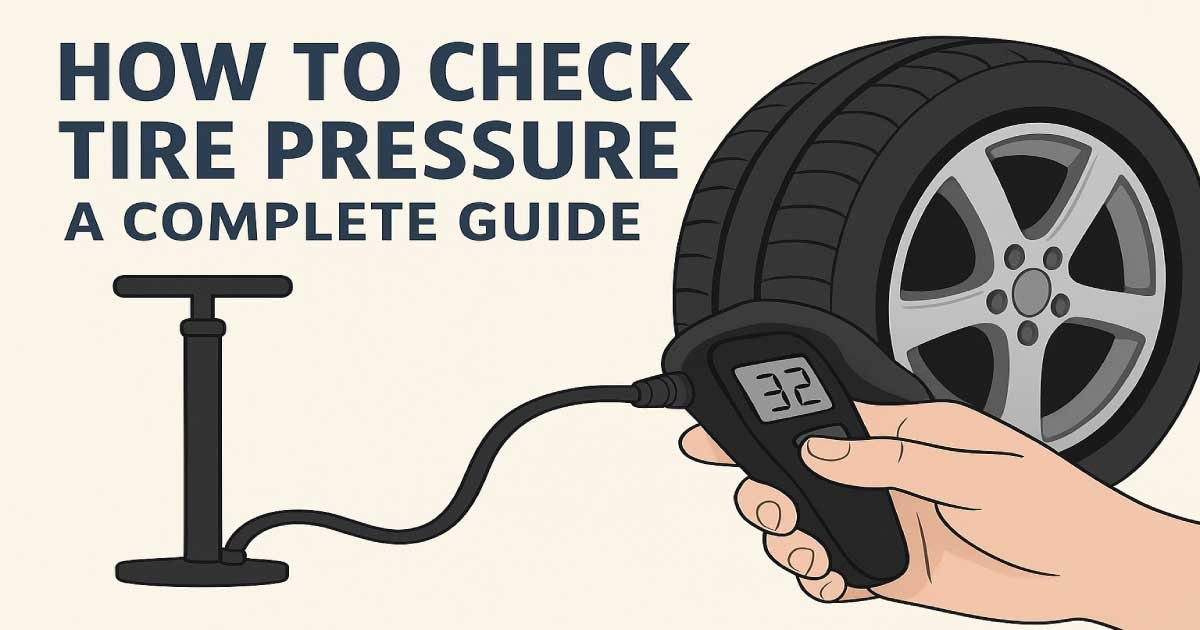
- Digital gauges: These gauges use a digital display to show the pressure reading.
- Smart gauges: These gauges come with additional features, such as a built-in air compressor or a Bluetooth connectivity.
Best Tire Pressure Gauges on the Market
Some of the best tire pressure gauges on the market include:
- The Slime Digital Sport Tire Gauge: This gauge measures from 5 to 150 PSI and has a lighted tip for easy night use.
- The Rhino USA Digital Air Pressure Gauge: This gauge offers a precise and user-friendly solution for checking tire pressure.
- The Traveller 10-120 PSI Dual Head Tire Pressure Gauge: This gauge has a 4-sided tongue and can read PSI, kPa, and bar.
Conclusion
Maintaining the correct tire pressure is crucial for the safety, efficiency, and longevity of your vehicle. By learning how to check tire pressure with a gauge effectively, you can improve your gas mileage, enhance safety, and extend the lifespan of your tires. Remember to choose the right tire pressure gauge for your needs and follow the steps outlined in this guide to ensure accurate and easy tire pressure checks.
Final Tips
- Check tire pressure regularly, ideally every month.
- Use a reliable tire pressure gauge to ensure accurate readings.
- Always refer to your vehicle's owner's manual for recommended tire pressure settings.
- Adjust tire pressure according to the recommended settings.