The Connection Between Burnout and Digital Fatigue
In today's digital age, it's not uncommon to hear about burnout and digital fatigue. These two terms might seem like distant cousins, but they're actually intimately connected. Burnout, traditionally tied to workplace stress, has expanded its reach to encompass the all-consuming nature of digital devices and constant online engagement. Digital fatigue, a relatively new concept, encompasses the emotional, mental, and physical exhaustion caused by prolonged screen time, social media use, and excessive digital responsibilities.
What is Burnout?
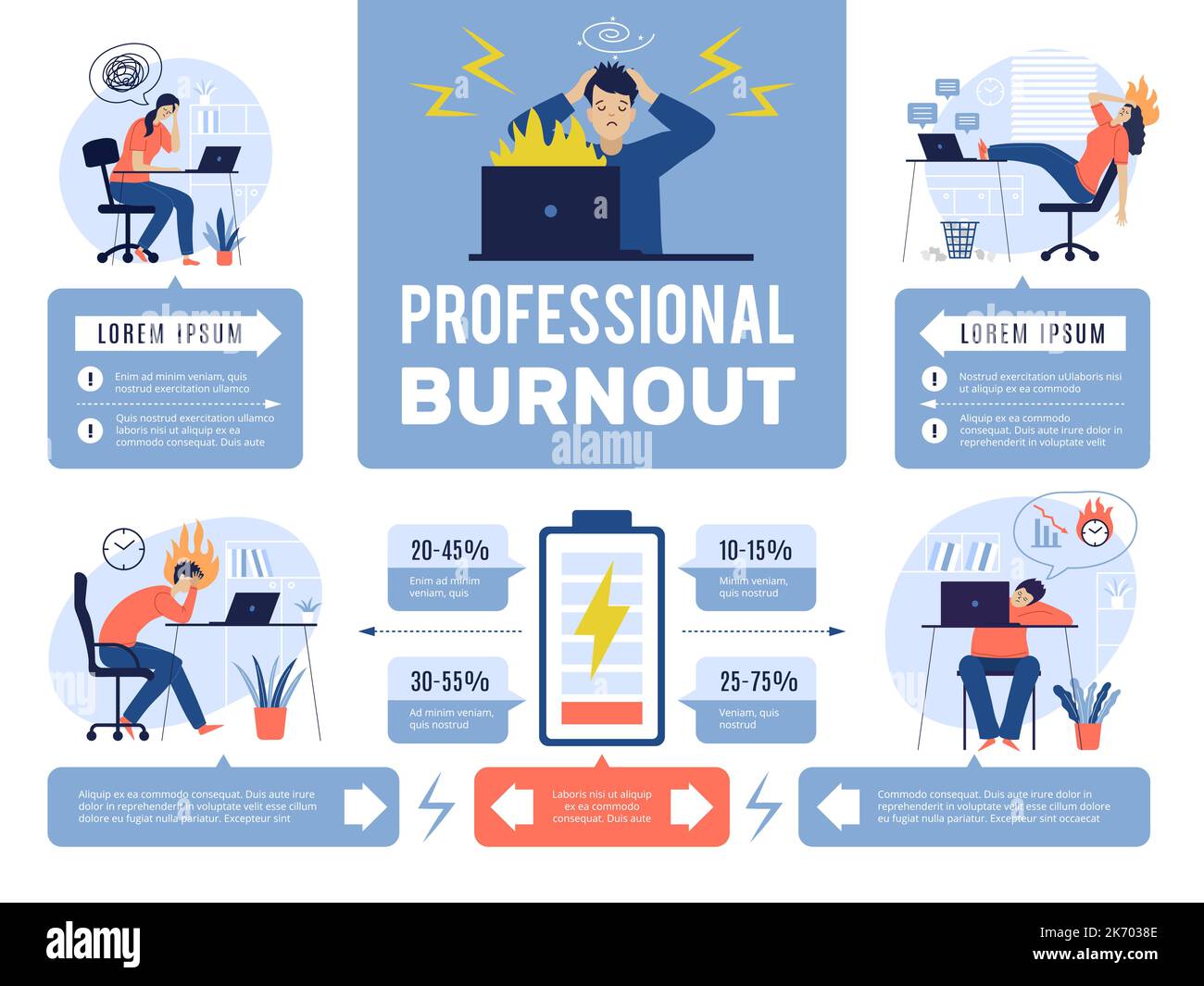
Traditional burnout refers to the feeling of exhaustion, detachment, and reduced motivation that arises from overwork, long hours, and work-related stress. However, digital burnout adds a new twist by incorporating constant digital stimulation, online pressure, and the 24/7 nature of digital communication.
The Connection Between Burnout and Digital Fatigue
While the terms might seem distinct, they share a common thread - they both lead to emotional exhaustion, detachment, and a reduced sense of personal well-being. Digital fatigue, in particular, has become a significant concern as people spend more time online, socializing, working, and navigating digital platforms. The distinct character of digital fatigue lies in its all-encompassing nature - it affects not just work, but home life, relationships, and leisure activities.
Causes of Digital Fatigue
- Excessive screen time, including social media, email, and messaging apps
- Constant digital stimulation, including notifications, updates, and alerts
- Lack of boundaries between work and personal life
- Prolonged periods of digital disconnection from social, physical, and mental well-being
Signs and Symptoms of Digital Fatigue
- Headaches and eye strain from prolonged screen time
- Mental fogginess, decreased productivity, and memory issues
- Emotional exhaustion, irritability, and mood swings
- Sleep disturbances and decreased physical activity
- Increased isolation, loneliness, and decreased social connections
Consequences of Digital Fatigue
Ignoring digital fatigue can lead to significant consequences, including:
- Reduced productivity and increased absenteeism
- Mental health issues, such as depression and anxiety
- Strained relationships with family, friends, and colleagues
- Decreased digital well-being and decreased online safety
Strategies for Mitigating Digital Fatigue

Reversing digital burnout and fatigue requires a comprehensive approach, which includes:
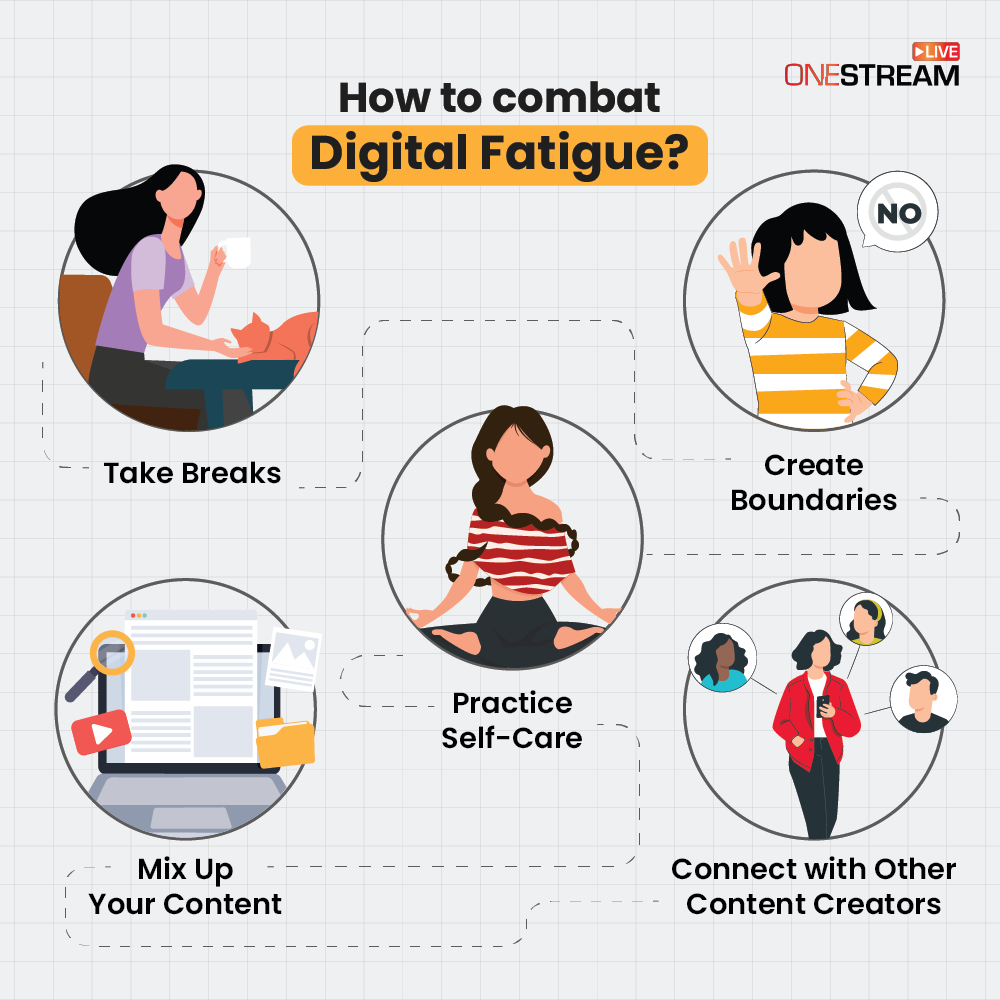
- Establishing digital boundaries, such as setting screen-free times and zones
- Practicing self-care, including exercise, mindfulness, and relaxation techniques
- Developing digital literacy skills and digital detox strategies
- Setting realistic goals and expectations around digital engagement
The Connection Between Burnout and Digital Fatigue
In today's digital age, burnout and digital fatigue have become increasingly relevant topics. Burnout, once associated with workplace stress, has expanded to encompass the all-consuming nature of digital devices and constant online engagement. Digital fatigue, a relatively new concept, refers to the emotional, mental, and physical exhaustion caused by prolonged screen time, social media use, and excessive digital responsibilities.
What is Burnout?
Causes of Digital Fatigue
- Excessive screen time, including social media, email, and messaging apps
- Constant digital stimulation, including notifications, updates, and alerts
- Lack of boundaries between work and personal life
- Prolonged periods of digital disconnection from social, physical, and mental well-being
Signs and Symptoms of Digital Fatigue
Digital fatigue is linked to physical, emotional, and mental health symptoms, including:
- Headaches and eye strain from prolonged screen time
- Mental fogginess, decreased productivity, and memory issues
- Emotional exhaustion, irritability, and mood swings
- Sleep disturbances and decreased physical activity
- Increased isolation, loneliness, and decreased social connections
Strategies for Mitigating Digital Fatigue
Reversing digital burnout and fatigue requires establishing digital boundaries, practicing self-care, and developing digital literacy skills. Consider the following strategies:
- Set screen-free times and zones
- Practice exercise, mindfulness, and relaxation techniques
- Develop digital detox strategies
- Set realistic goals and expectations around digital engagement








![The Hybrid Team Culture: Data & Success Strategies [2026]](https://fitsmallbusiness.com/wp-content/uploads/2024/04/Infographic_Respondents_reported_experiencing_the_following_impacts_of_work-related_stress.png "The Hybrid Team Culture: Data & Success Strategies [2026]")


