Remedies for Persistent Hiccups: Effective Treatment Options
What are Hiccups and What Causes Them?
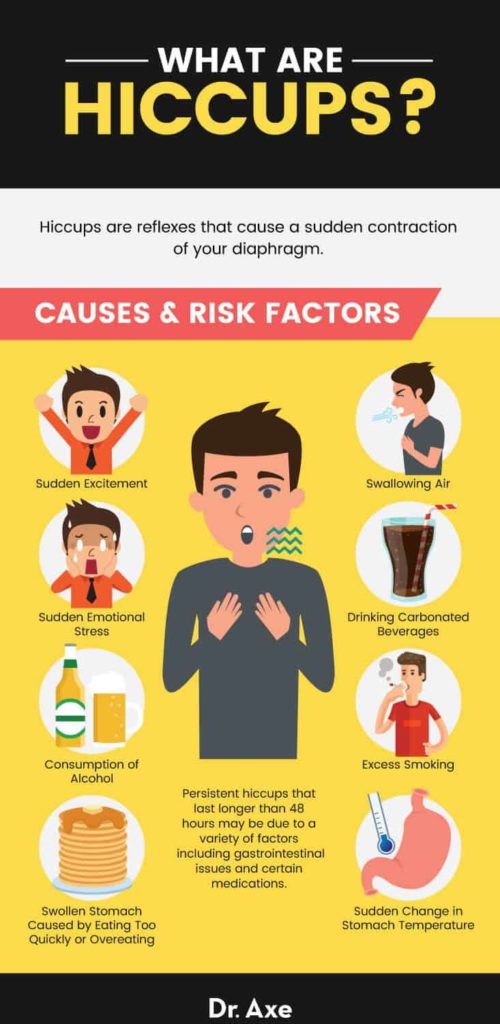
Hiccups are a sudden, involuntary contraction of the diaphragm muscle, resulting in a characteristic "hic" sound. They can be caused by various factors, including irritation of the nerves that control the diaphragm, which can be triggered by something as simple as eating too quickly or drinking too much.
Symptoms and Signs of Persistent Hiccups
The main symptoms of hiccups are a spasm in the diaphragm and the "hic" sound that comes out of the mouth. For some people, persistent hiccups can be a sign of an underlying medical condition, such as gastroesophageal reflux disease (GERD), neurological disorders, or metabolic issues. If you're experiencing persistent hiccups, it's essential to seek medical attention to determine the underlying cause.
Causes of Persistent Hiccups
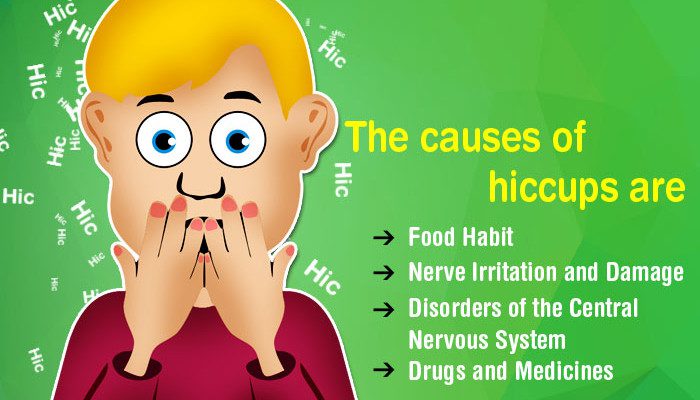
- Underlying medical conditions like GERD, neurological disorders, or metabolic issues
- Inflammation or irritation of the nerves that control the diaphragm
- Chronic conditions like sinusitis, acid reflux, or asthma
- Medications or surgical procedures
Homeremedies for Persistent Hiccups
While there is no one-size-fits-all solution to stopping hiccups, various homeremedies have proven to be effective in relieving persistent hiccups. Some of these remedies include:
- Swallowing sugar: Swallowing a teaspoon of dry, granulated sugar has been shown to be effective in relieving persistent hiccups, with 19 out of 20 patients experiencing relief in a study published in The New England Journal of Medicine.
- Drinking water slowly: Drinking water slowly and calmly can help to calm down the diaphragm and stop hiccups.
- Diaphragm exercises: Diaphragm exercises, such as inhaling deeply and holding the breath, can help to strengthen the diaphragm and reduce hiccups.
- Valsalva maneuver: The Valsalva maneuver involves pinching the nose and breathing out slowly, which can help to calm down the diaphragm and stop hiccups.
Medical Treatments for Persistent Hiccups
If homeremedies are ineffective, medical treatment may be necessary to relieve persistent hiccups. Some medications that are commonly used to treat persistent hiccups include:

- Baclofen: Baclofen is a muscle relaxant that has been shown to be effective in relieving persistent hiccups.
- Metoclopramide: Metoclopramide is a medication that is commonly used to treat persistent hiccups, and has been shown to be effective in relieving symptoms.
- Chlorpromazine: Chlorpromazine is a medication that is sometimes used to treat persistent hiccups, particularly in cases where other treatments have failed.
Underlying Conditions that May Cause Persistent Hiccups
Persistent hiccups can be a sign of an underlying medical condition, such as:
- Gastroesophageal reflux disease (GERD): GERD is a condition in which stomach acid flows back up into the esophagus, causing symptoms like heartburn and persistent hiccups.
- Neurological disorders: Certain neurological disorders, such as multiple sclerosis, can cause persistent hiccups as a symptom.
- Metabolic issues: Conditions like diabetes or kidney disease can cause persistent hiccups as a symptom.
Conclusion
Persistent hiccups can be a frustrating and disruptive symptom that can significantly impair a person's quality of life. While homeremedies may be effective in relieving persistent hiccups, medical treatment may be necessary in cases where the hiccups are severe or persistent. It's essential to seek medical attention to determine the underlying cause of the hiccups and to receive proper treatment.
Key Takeaways
- Persistent hiccups can be a sign of an underlying medical condition, such as GERD, neurological disorders, or metabolic issues.
- Various homeremedies, such as swallowing sugar, drinking water slowly, and diaphragm exercises, can help to relieve persistent hiccups.
- Medical treatments, such as baclofen, metoclopramide, and chlorpromazine, can be effective in relieving persistent hiccups.
References:
- The New England Journal of Medicine (1971)
- European Respiratory Journal (2015)
- British Journal of Clinical Pharmacology (2017)