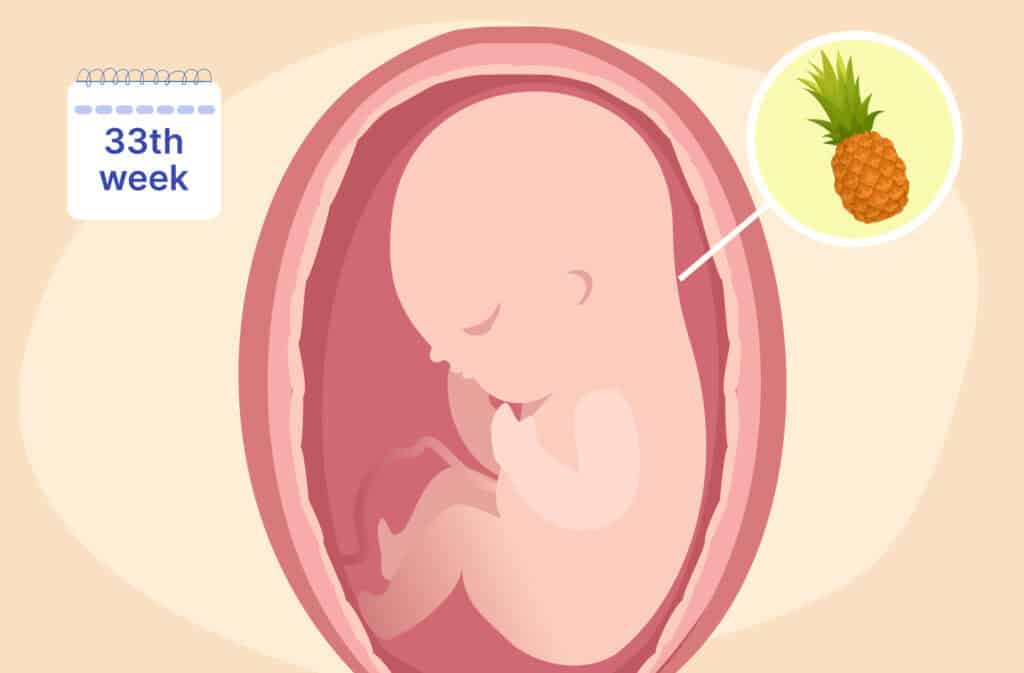
Pineapple in Pregnancy and Basal Temperature: Separating Fact from Fiction
When it comes to pregnancy, there are countless myths and misconceptions surrounding what foods are safe to consume. One such myth is that pineapple can induce labor or cause pregnancy complications. In this article, we'll delve into the facts about pineapple consumption during pregnancy, including the benefits, risks, and impact on basal temperature.

Despite widespread folklore suggesting that pineapple can trigger labor or cause pregnancy complications, scientific evidence demonstrates that these concerns are unfounded myths. In fact, pineapple is a nutrient-dense fruit that provides essential vitamins and minerals, such as vitamin C, folate, and fiber, which support maternal and fetal health throughout pregnancy.
However, it's essential to remember that moderation is key when it comes to consuming pineapple during pregnancy. Eating excessive amounts of pineapple can lead to digestive issues, such as bloating, gas, and diarrhea, which can be uncomfortable for pregnant women.
Benefits of Pineapple in Pregnancy
Consuming pineapple in moderation can provide several benefits for pregnant women. Some of these benefits include:
- Rich in antioxidants and anti-inflammatory compounds that can help reduce the risk of complications during pregnancy
- Supports healthy digestion and can help alleviate symptoms of constipation, which is common during pregnancy
- May help reduce the risk of gestational diabetes and preeclampsia
- Rich in vitamin C, which is essential for the growth and development of the fetus
Risks of Pineapple in Pregnancy
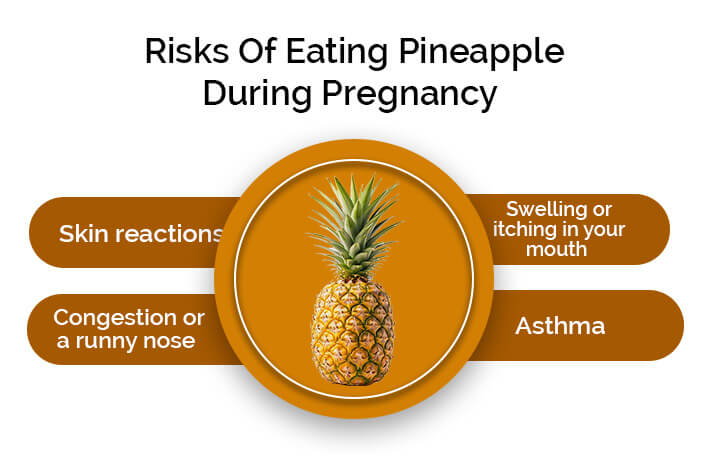
While pineapple is generally considered safe to consume during pregnancy, there are some potential risks to be aware of:
- Excessive consumption can lead to digestive issues, such as bloating, gas, and diarrhea
- May interact with certain medications, such as blood thinners, and affect their efficacy
- Can cause an allergic reaction in some individuals, including pregnant women
Pineapple and Basal Temperature: What's the Connection?
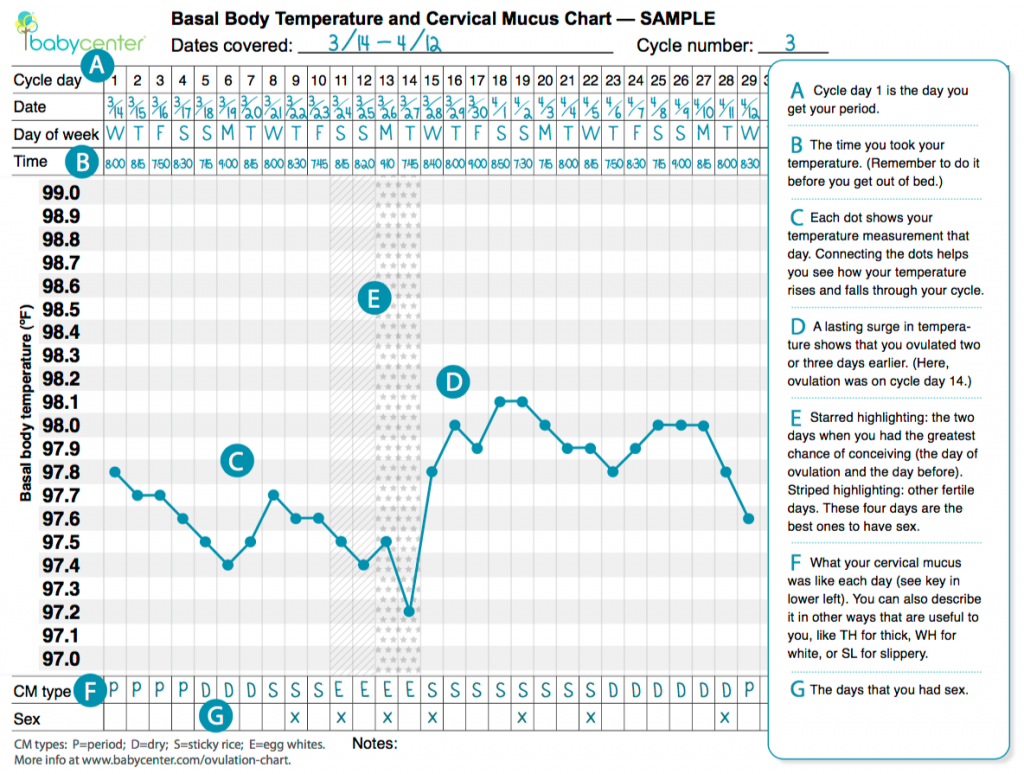
Basal body temperature (BBT) is a crucial indicator of ovulation and pregnancy. BBT is the lowest natural, non-pathologic body temperature recorded after a period of rest. Changes in BBT can reflect changes in a woman's reproductive hormones, making it an excellent tool for tracking fertility and detecting early pregnancy.
Research suggests that pregnancy can cause a slight increase in basal body temperature, which can be an early indicator of pregnancy. This temperature rise is often sustained for 18 or more days, making it a potential indicator of pregnancy.
While pineapple consumption during pregnancy doesn't directly affect basal body temperature, an increase in progesterone levels, which is triggered by pineapple consumption, can cause a slight temperature rise. However, this effect is minimal and likely insignificant.
Conclusion
In conclusion, pineapple is a nutritious and safe food to consume during pregnancy, provided it's consumed in moderation. While there are some potential risks associated with excessive pineapple consumption, the benefits far outweigh the risks. Basal body temperature is an essential indicator of ovulation and pregnancy, and any slight changes can be a sign of impending pregnancy. By understanding the relationship between pineapple consumption and basal temperature, pregnant women can make informed decisions about their diet and reproductive health.