How to Protect Your Online Accounts from Password Cracking
The threat of password cracking is a growing concern for online account holders. Hackers and scammers continually find new ways to steal personal information, putting financial security and online privacy at risk. Understanding how password cracking works is essential for anyone who wants to maintain strong online security.
Why Hackers Target Passwords
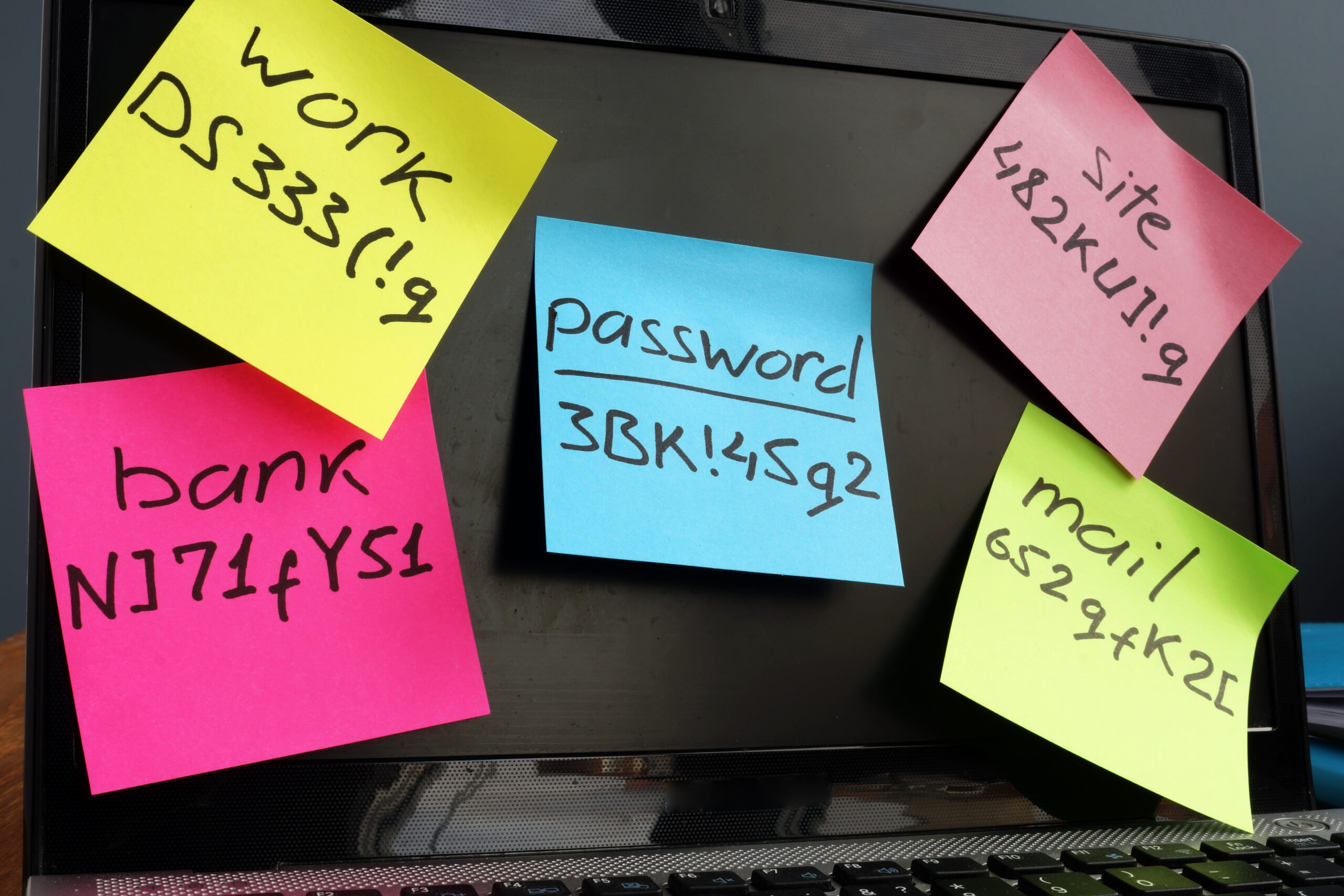
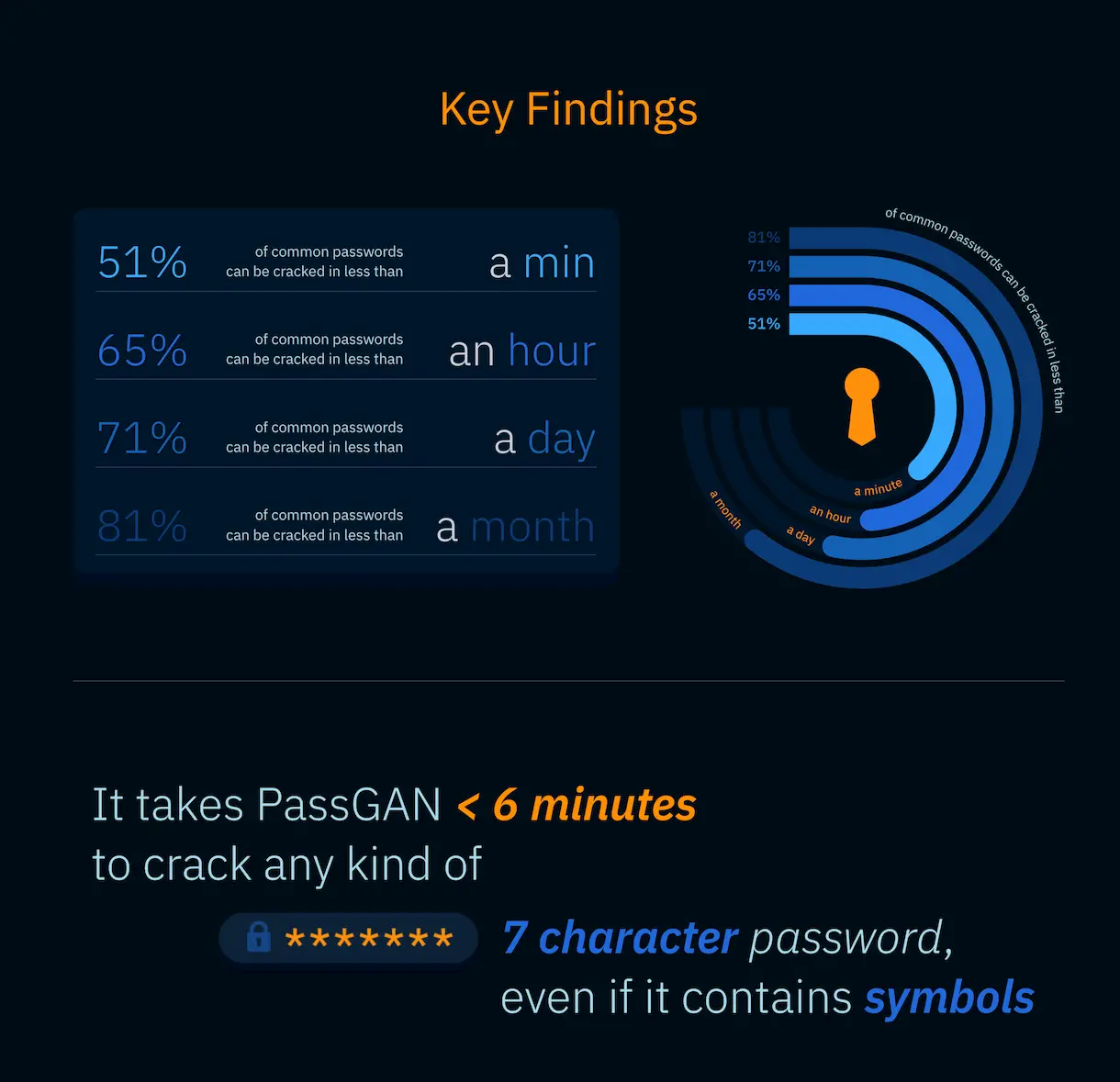
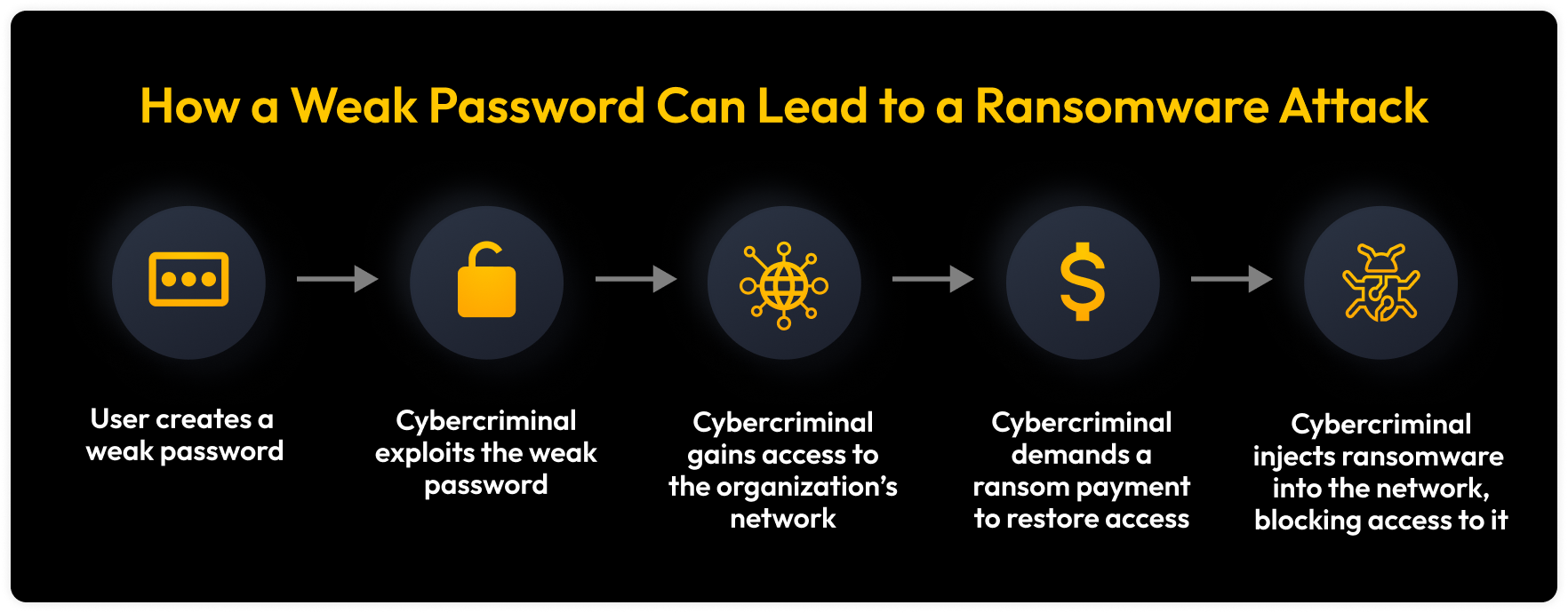
Weak or reused passwords are the most common entry points for hackers. Compromised passwords can lead to unauthorized access to personal information, data breaches, and identity theft. This makes password creation and protection a top priority for online account holders.
Building Stronger Passwords
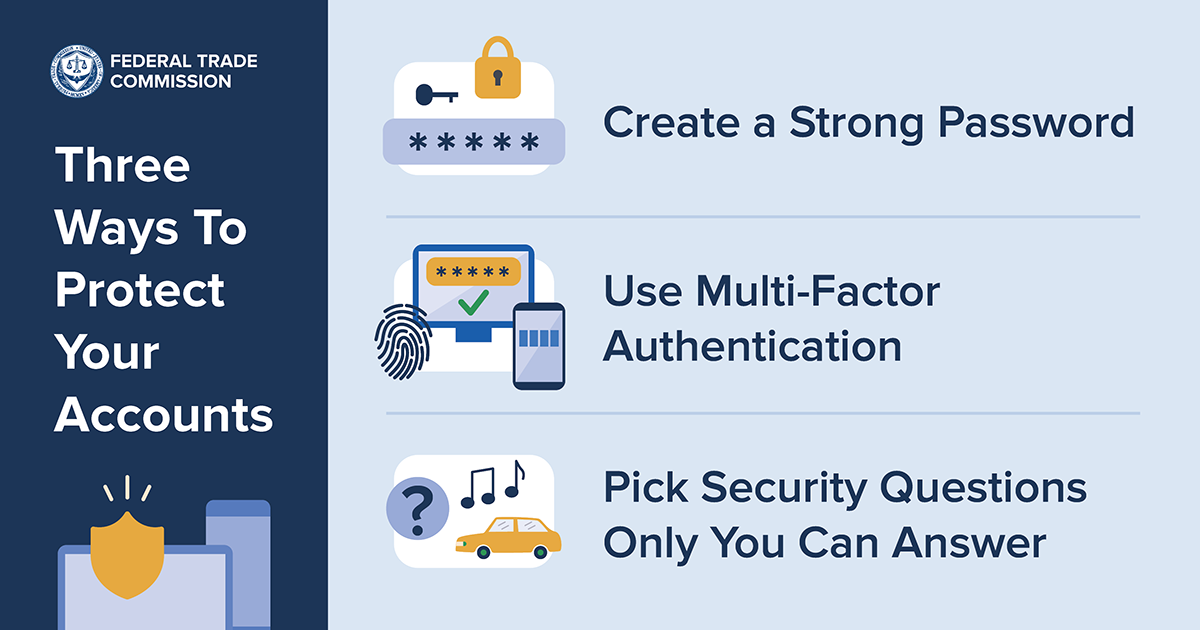
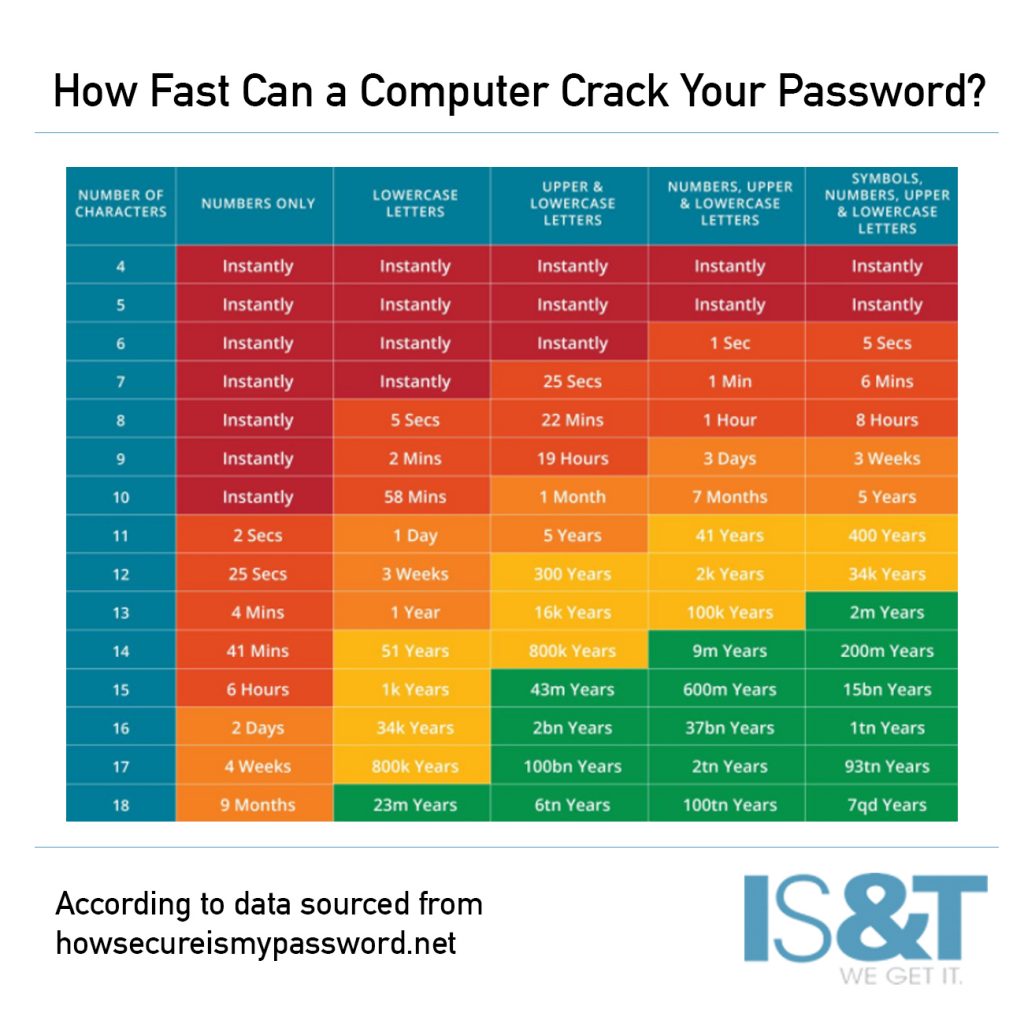
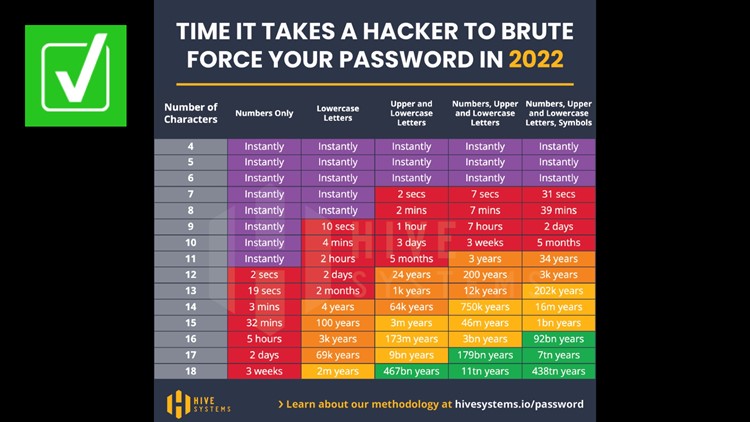
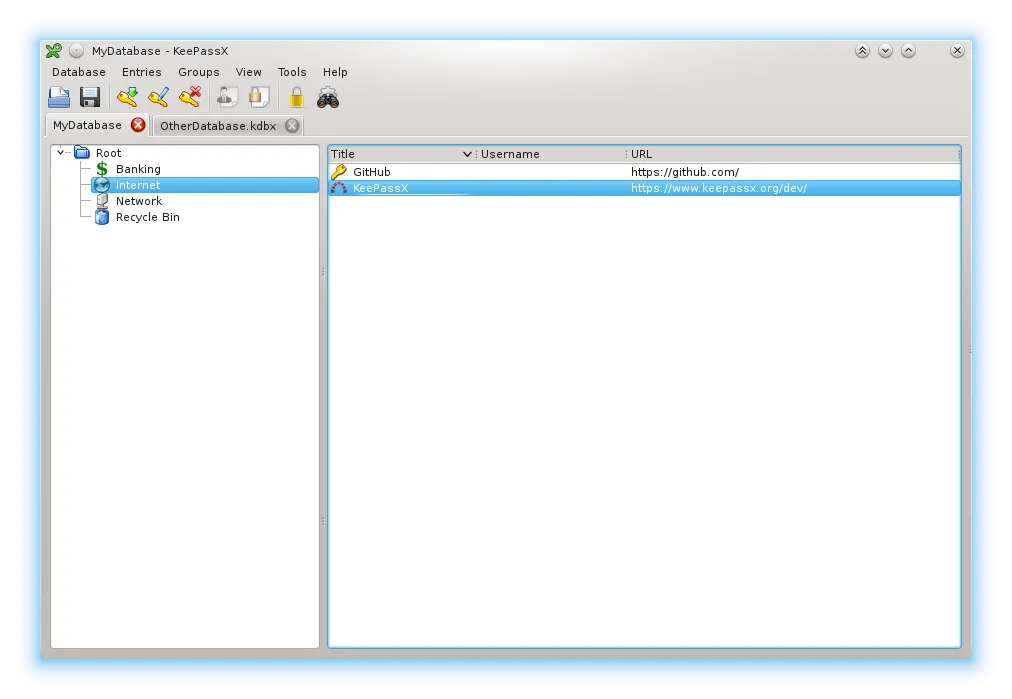
To protect passwords from cracking, it's essential to create stronger and more unique passwords. Avoid using easily guessable information such as names, birthdays, or common words. Instead, generate robust, random passwords using a combination of characters, numbers, and symbols. Use a secure password manager to keep track of login credentials and avoid reuse.
Tips for Keeping Accounts Safe
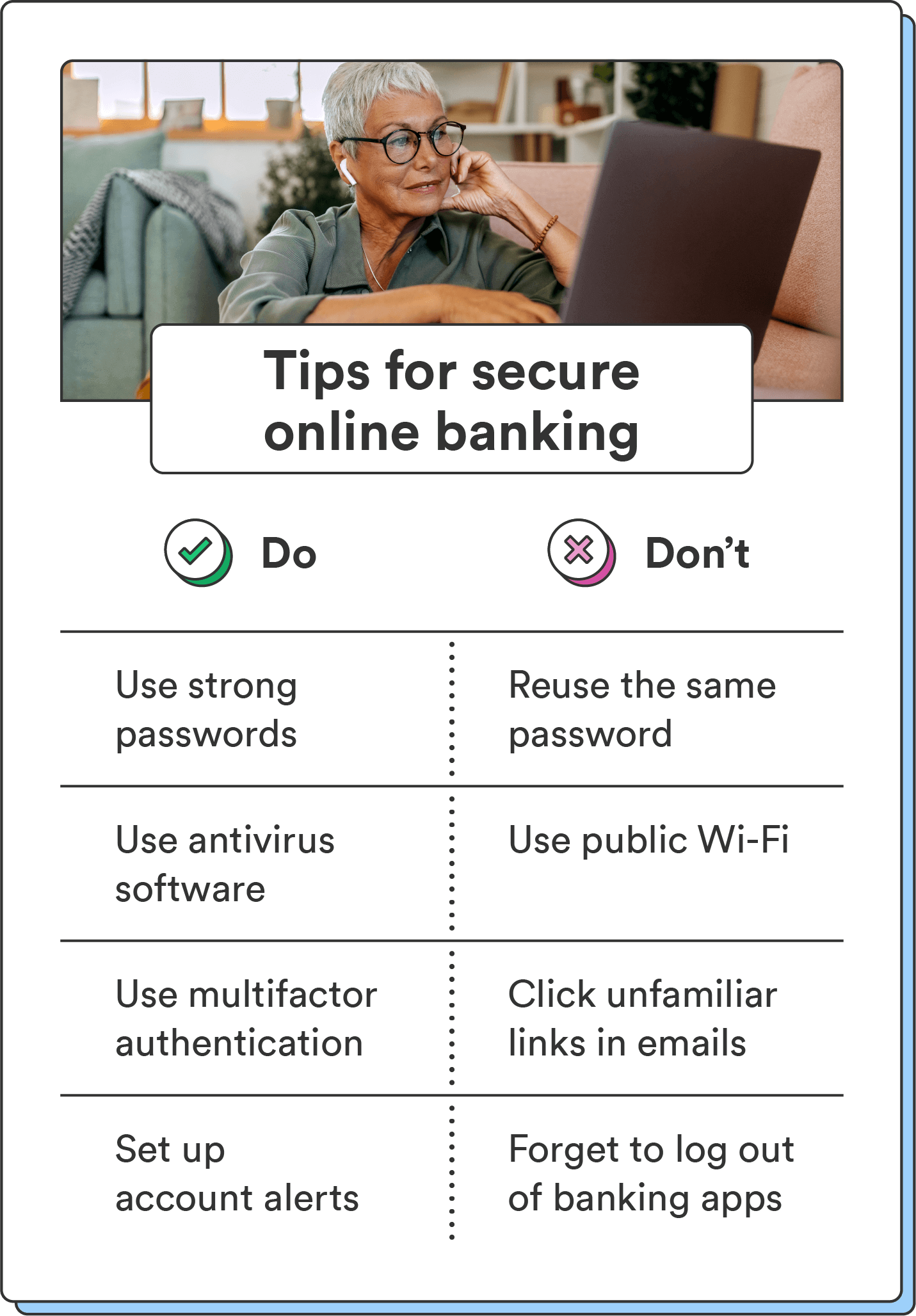
- Enable two-factor authentication (2FA): Adding a second layer of verification can help protect accounts from hacking, even if login credentials are compromised.
- Consider using a password manager: These tools can help generate and store unique, secure passwords for all online accounts.
- Use a secure browser and avoid accessing sensitive information on public networks
- Monitor account activity regularly and report suspicious behavior to the relevant authorities
- Keep software and systems up to date with the latest security patches
Best Practices for Online Password Security
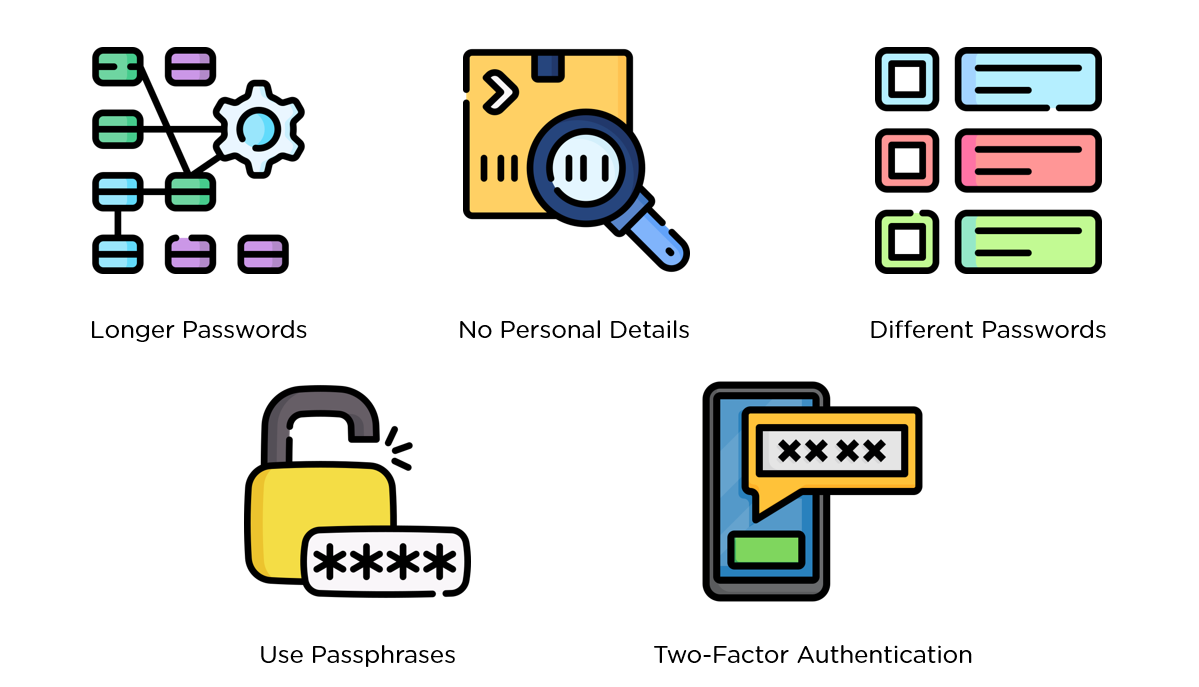
Using a strong, unique password for each account is a security best practice. However, remembering complex passwords can be challenging. Password managers can help, but they are not a one-size-fits-all solution. Consider the following best practices for password security:
- Use a password generator to create strong, random passwords.
- Enable two-factor authentication (2FA) to add an extra layer of security.
- Consider using a password manager to keep track of login credentials.
- Monitor account activity regularly and report suspicious behavior.
- Keep software and systems up to date with the latest security patches.
Warning Signs of Password Cracking
Recognizing the warning signs of password cracking can help online account holders stay one step ahead of hackers. Some common indicators include:
- Suspicious account activity reports from online services.
- Notification of unauthorized changes to account settings.
- Requests for money or sensitive information via email or phone.
- Mysterious login attempts from unknown devices.
Conclusion
Protecting online accounts from password cracking is essential for maintaining personal and financial security. By following the tips outlined in this article, account holders can stay ahead of hackers and safeguard their digital lives. Remember, strong passwords, two-factor authentication, and password managers are key tools in the fight against password cracking.
By understanding how password cracking works and taking proactive measures, individuals can reduce the threat of identity theft and online fraud. Don't let weak passwords put you at risk. Learn how to protect your online accounts from password cracking today.